As an Amazon Associate, we earn from qualifying purchases. Some links on this site are affiliate links at no extra cost to you. Our recommendations are based on thorough research and editorial judgment.

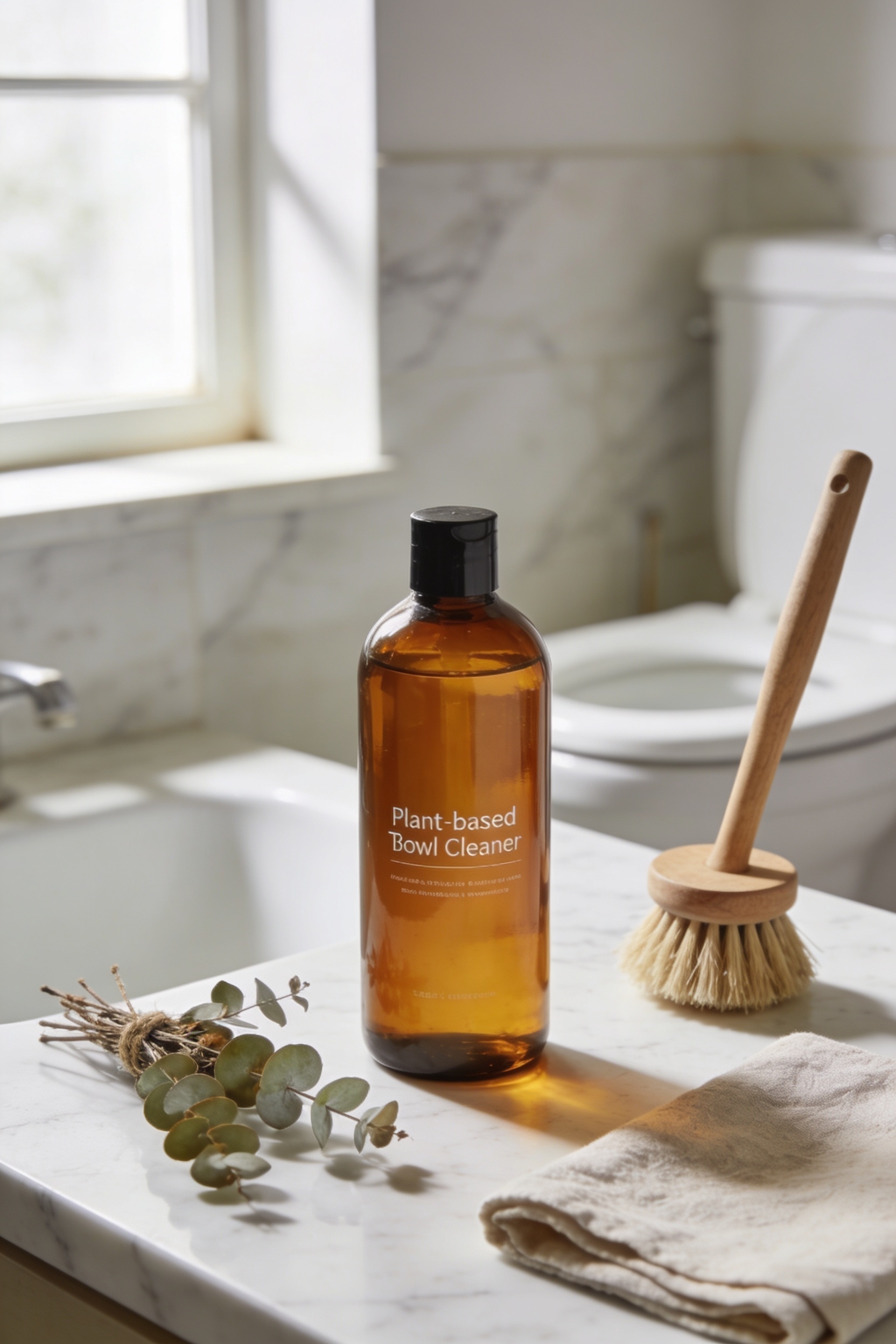
What’s In Your Plant-Based Toilet Bowl Solution?

Plant-based toilet cleaners swap harsh chlorine and ammonia for citric acid, which dissolves mineral deposits without the chemical fumes that linger in your bathroom air. You get plant-derived surfactants like decyl glucoside—they work like tiny cleanup crews, surrounding and lifting grime particles—plus essential oils such as tea tree for antimicrobial action. Honestly, the real difference is you’re not breathing industrial fumes or worrying about what residue your kids might touch on wet surfaces. Stick around if you want the specifics on how these ingredients actually work and which formats hit different.
Key Takeaways
- Citric acid dissolves mineral deposits and hard water stains through chemical breakdown rather than harsh scrubbing.
- Plant-derived surfactants like decyl glucoside lift grime particles and create foam without toxic fumes or synthetic chemicals.
- Tea tree oil provides natural antimicrobial properties and pleasant aroma without harsh chemical odors.
- Biodegradable ingredients protect septic systems and groundwater while avoiding chlorine bleach and ammonia harm.
- Baking soda and castile soap base create effective foaming action safe for children and asthma-prone households.
The Problem With Harsh Chemical Toilet Cleaners
You may be interested
3 Best Home Remedies For Tough Toilet Scale
July 25, 2026
3 Non-Toxic Toilet Cleaners From Your Kitchen
July 25, 2026
When you’re standing in the cleaning aisle staring at those neon-blue bottles with skull-and-crossbones warnings, I’m sure you’ve noticed something unsettling—most conventional toilet bowl cleaners come loaded with chlorine, ammonia, and a bunch of other industrial-grade chemicals that’ll absolutely torch mineral deposits and stains but also happen to fill your bathroom with fumes that make your eyes water and your lungs feel like you’ve been huffing paint thinner.
Here’s what really gets me: those chemical residues don’t just evaporate. They linger on surfaces, seep into your indoor air quality, and accumulate over time. You’re breathing in volatile organic compounds every time you clean, and honestly, nobody signs up for that trade-off. The stains might disappear, but you’re trading one problem for another—exchanging visible grime for invisible health risks that nobody’s really talking about. Fortunately, plant-based and mineral-based ingredients offer effective alternatives that neutralize odors and remove tough stains without exposing your family to harsh chemical fumes.
Citric Acid vs. Harsh Chemicals: Which Actually Works?
Now here’s the thing—you’ve probably heard the pitch that plant-based cleaners are some kind of miracle solution, and I get the skepticism because honestly, if harsh chemicals obliterate stains in seconds, how’s citric acid supposed to compete?
Here’s what I’ve found: citric mechanisms actually work differently than you’d think. Citric acid dissolves mineral deposits and hard water stains through chemical breakdown, not brute force. You’re not getting that eye-watering ammonia smell, but you’re still getting legitimate cleaning power when you give it time to work. The effectiveness of citric acid depends significantly on dwell time, meaning allowing the solution adequate contact time with buildup—whether that’s five minutes for tablet formulations or six to eight hours for tank cleaners—maximizes the dissolution of rust and mineral deposits.
Safety comparisons? Harsh chemicals win on speed alone. But citric acid wins on literally every other metric—your family breathes easier, your septic system stays happy, and you’re not handling anything that’ll burn your skin. That matters more than I think most people admit.
Recommended Products

100% PURE- Fine, high-quality granular citric acid is packaged in the USA and bagged to ensure safe packaging and protected delivery
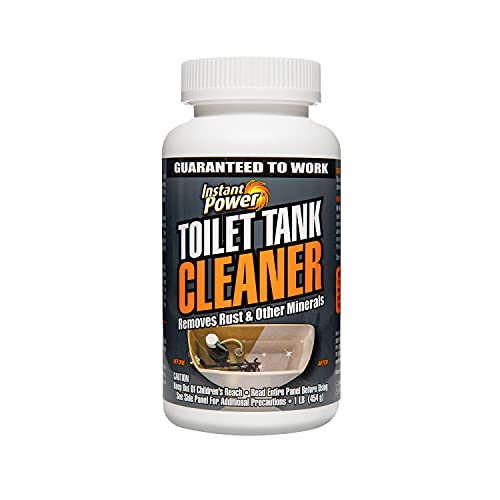
REMOVES STAINS: Put less elbow grease in cleaning your bathroom toilet tank; Thanks to its strong citric acid formula, Instant Power's Toilet Tank Cleaner removes hard-water deposits and other stains in your toilet tank

Quickly Removes Rust, Dissolves Organic Stains And Cleans Hard Water Residue
Plant-Based Surfactants: How They Lift Grime
So here’s where plant-based surfactants actually earn their keep—and why they’re nothing like the sketchy synthetic stuff you’ve been using. I’m sure you’ve noticed how regular cleaners leave that soapy film? That’s because they’re not working efficiently. Plant-derived surfactants like decyl glucoside operate through micelle formation—basically, they surround grime particles and lift them away without harsh chemicals or toxic fumes. The foam action you get is actually a sign the surfactants are doing their job, breaking down mineral deposits and stubborn buildup. These plant polymers create a gentler formulation that’s genuinely safer around your family while delivering legitimate cleaning power. Products labeled with EPA Safer Choice certification ensure that plant-based active ingredients have been verified to balance effectiveness with environmental safety. You’re getting real results without the chemical cocktail, which honestly beats most synthetic alternatives I’ve tested.
Recommended Products

Seventh Generation toilet bowl cleaner plant-based formula fights tough stains
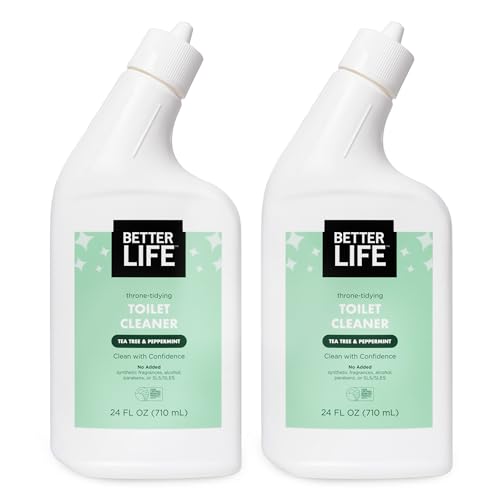
POWERFUL GEL FORMULA - This throne-tidying gel toilet cleaner banishes build-up, removes rings, and destroys odors, leaving your toilet sparkling clean and smelling of fresh tea tree and peppermint.
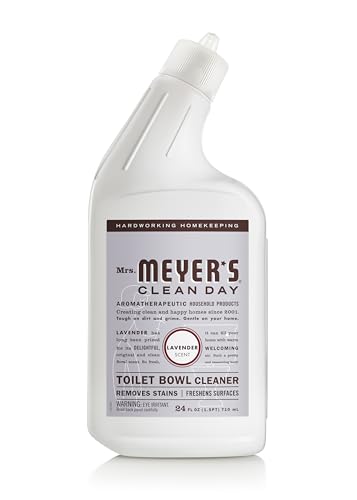
Effective and powerful toilet cleaner formula freshens and removes stains
Essential Oils and Probiotics in Natural Cleaners
What’re essential oils and probiotics actually doing in your toilet bowl cleaner, and why should you care? Look, I’ll be honest—most folks don’t think twice about what’s swirling around in there, but here’s the thing: essential oils like tea tree create what I’d call an aromatherapeutic synergy with your cleaner’s antimicrobial agents, actively killing common household bacteria while you’re scrubbing. The probiotic blend? That’s your probiotic persistence playing the long game—working after you’ve flushed to keep things fresher longer. Obviously you want your toilet actually clean, not just smelling like a spa, and that’s where these ingredients genuinely earn their place. Plant-based formulas like those found in septic-safe cleaners avoid harsh chemicals like chlorine bleach and ammonia that can damage your system’s natural bacteria. They’re not gimmicks; they’re doing legit work without the synthetic fragrances that’ll mess with your respiratory system.
Recommended Products
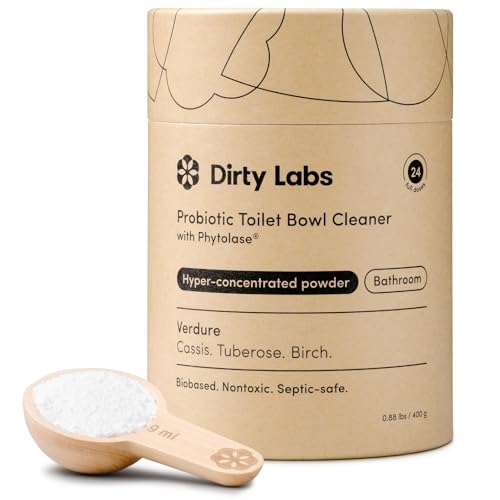
DEEP CLEAN + CONTINUOUS PROTECTION: Our hyper-concentrated powder activates Phytolase bio-enzymes to dissolve stubborn stains, mineral build-up, and organic grime — then probiotics work continuously after each flush to prevent new stains and odors.

PLASTIC-FREE, ECO-FRIENDLY TOILET CLEANER TABLETS. Cleaning your toilet has never been easier—just drop, brush, flush! The first ever 100% plastic-free and zero waste Toilet Bowl Cleaner Tablets—made without harsh chemicals, harmful ingredients or plastic packaging. Our septic-safe, eco-friendly toilet cleaner tablets power through a range of tough toilet stains, including limescale, mineral deposits, hard water, and rust.

PLASTIC-FREE, ECO-FRIENDLY TOILET CLEANER TABLETS. Cleaning your toilet has never been easier—just drop, brush, flush! The first ever 100% plastic-free and zero waste Toilet Bowl Cleaner Tablets—made without harsh chemicals, harmful ingredients or plastic packaging. Our septic-safe, eco-friendly toilet cleaner tablets power through a range of tough toilet stains, including limescale, mineral deposits, hard water, and rust.
Why Natural Toilet Cleaners Are Safe for Your Home?
When you’re scrubbing your toilet with a conventional cleaner, you’re basically huffing down a cocktail of chlorine fumes and synthetic chemicals that’ll make your eyes water and your lungs protest—and I mean that literally, not as some dramatic flourish. Natural toilet cleaners flip the script entirely. They’re chlorine-free and phosphate-free, which means zero harmful fumes wafting through your bathroom and compromising your indoor air quality impact. I’m sure you’ve noticed how those conventional bottles come with warning labels about ventilation—natural formulas don’t require that paranoia. They’re child safe formulations too, so you’re not stressing if your kid accidentally touches a wet bowl. Biodegradable ingredients break down safely, protecting your septic system and groundwater while keeping your family breathing easy. Leading brands like Ecover, Better Life, and Seventh Generation combine plant-based and mineral-based ingredients that deliver powerful cleaning without the toxic chemical cocktail found in traditional products.
Tablet vs. Liquid vs. Strips: Which Format Works Best?
They’re pre-portioned like tablets but dissolve more like liquids, so you’re getting decent control without the bottle waste, assuming you can actually find them at a decent price point, which—and I’ll be honest—isn’t always a given at my local shops. Now, when we’re talking portability comparison, strips absolutely crush tablets and liquids. Toss a few in your bag, no spills, no mess. Application speed? Liquids win there—you squeeze and go. But here’s the thing: tablets take ten minutes to work their magic, so you’re not saving time, just effort. I mean, strips hit that sweet spot if budget allows. They’re plastic-free, which matters if you care about that stuff, and honestly, they should. For those dealing with stubborn mineral deposits, look for strips containing natural mineral-fighting ingredients like citric acid to ensure consistent cleaning performance.
Recommended Products
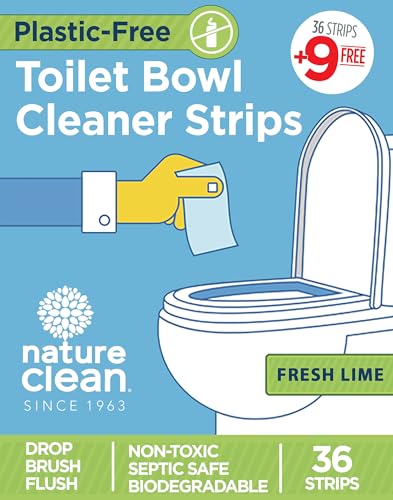
Safe and Non-Toxic: Our eco-friendly toilet bowl cleaner strips are free from harsh chemicals, phosphates, and chlorine. They are septic-safe and biodegradable, making them a responsible choice for your home and the planet.

DEEP CLEAN - With natural lemon and tea tree essential oils, you'll love how clean and fresh your toilet is after using!

💧QUICK & EASY CLEANING: Our toilet cleaner strips are made using an all-natural, concentrated cleaning formula. Simply place a strip into your toilet bowl, wait 60 seconds for the strip to dissolve, scrub the toilet bowl thoroughly, and flush! NO splashing, NO squirting, NO mess! Eco Solve toilet cleaning strips will remove stains and deodorize your toilet bowl.
How to Use Natural Toilet Cleaners for Best Results
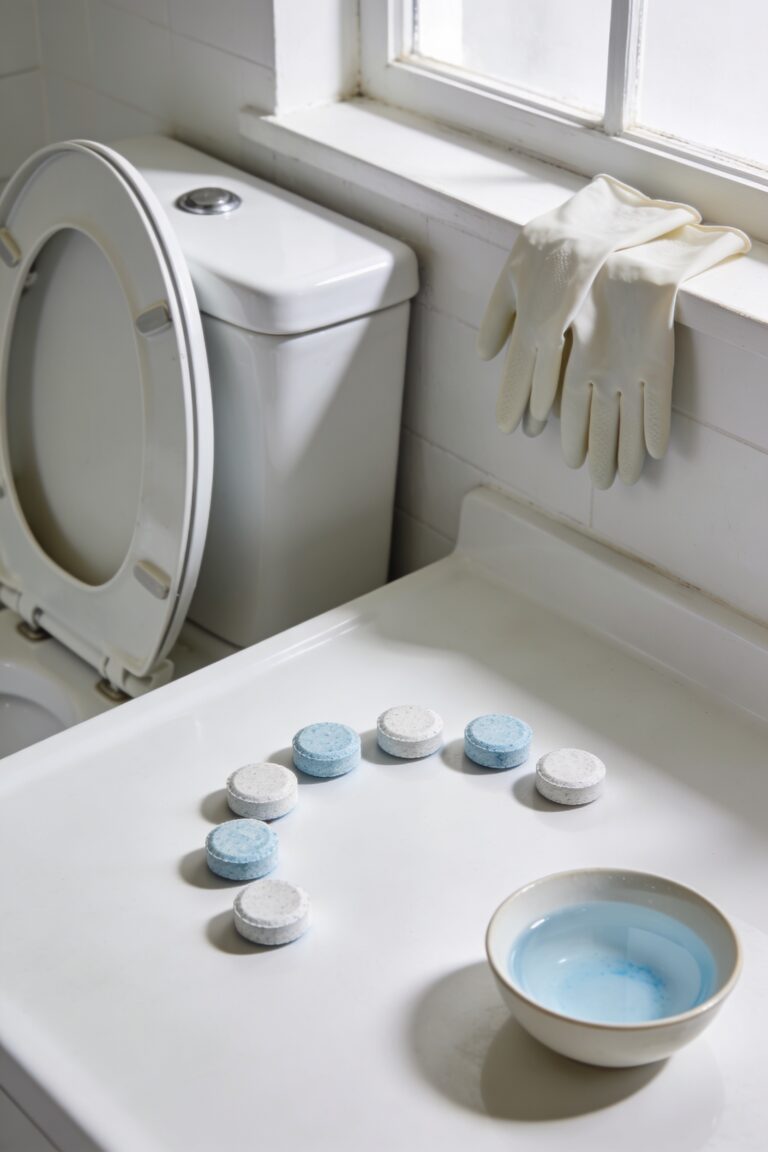
All right, so here’s the thing about using natural toilet cleaners—and I’m sure you’ve noticed this yourself—most people just dump the stuff in and hope for the best, which is honestly half the reason they end up disappointed with plant-based formulas. Here’s what actually works: flush first, then squirt under the rim and let it soak for ten minutes. That soak time matters because citric acid needs contact to dissolve mineral buildup properly. For tablets, drop one in, wait, then brush thoroughly. Shake liquid bottles before use—the good stuff settles. Don’t skimp on scrubbing; natural ingredients handle toilet maintenance differently than harsh chemicals. For odor control, those probiotic blends genuinely work if you give them time. When selecting your cleaner, look for septic-safe formulations to ensure compatibility with your plumbing system. Patience beats aggression every time.
Recommended Products

Aunt Fannie’s Toilet Bowl Cleaner: Our bleach-free formula removes tough stains, toilet bowl rings, mineral buildup, and odor, leaving a sparkling finish

Effective and powerful toilet cleaner formula freshens and removes stains
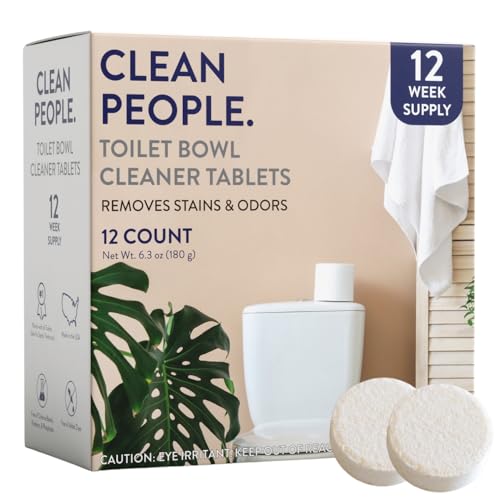
ODOR REMOVING: Our toilet bowl cleaner uses simple ingredients to remove stains and odors and keep your toilet bowl sparkling and fresh!
DIY Natural Toilet Cleaner: Recipes and Instructions
Making your own toilet cleaner beats buying the premade stuff in one major way—you know exactly what’s going into your bowl, which means you’re not guessing about whether some ingredient’s gonna bother your kids or trigger your partner’s asthma. I’m sure you’ve noticed how simple this gets. Mix half a cup of baking soda with half a cup of liquid castile soap, add fifteen to thirty drops of tea tree oil, then dilute everything with a cup of distilled water. You’ve got yourself a homemade foaming cleaner that actually works. For vinegar alternatives—because let’s be honest, that smell’s not for everyone—citric acid does the heavy lifting on mineral deposits. Drop it under the rim, let it sit ten minutes, scrub, flush. Done. Unlike continuous tablet dispensers that require ongoing refills, homemade cleaners let you control dosage and avoid harsh chemical odors that some commercial products are known for.
Frequently Asked Questions
Are Plant-Based Toilet Cleaners Safe for Septic Systems and Plumbing Pipes?
I’m confident plant-based toilet cleaners are safe for your septic systems and plumbing pipes. Their biodegradable formulas guarantee septic compatibility while natural acids won’t cause pipe corrosion like harsh chemicals do.
How Long Does an Open Bottle of Natural Toilet Cleaner Remain Effective?
I’d recommend using your open bottle within 6-12 months for peak shelf stability. Natural formulas without synthetic preservatives are susceptible to microbial growth, so always seal it tightly and store in cool, dark places to extend effectiveness.
Can Natural Cleaners Remove Tough Rust Stains From Older Toilet Bowls?
Rust stains don’t stand a chance against nature’s arsenal. I’ve found that citric acid’s acidic scrubbing power, combined with enzymatic action from probiotic blends, tackles even stubborn discoloration in older bowls effectively.
What’s the Shelf Life of Homemade Plant-Based Toilet Cleaning Solutions?
I’d recommend using your homemade solution within two weeks to prevent microbial growth. Without preservatives, shelf stability declines quickly. Store it in a cool, dark place and shake well before each use to maintain effectiveness.
Are There Any Natural Ingredients That Shouldn’t Be Mixed Together When Cleaning?
Yes, I’d avoid mixing vinegar with bleach, hydrogen peroxide with ammonia, or combining bleach with anything. These combinations create toxic fumes that’re dangerous for your family and home.
Conclusion
Look, I’ve dragged you through plant-based cleaners, probiotics, essential oils—the whole arsenal. Here’s the thing: switching to natural toilet cleaners isn’t just about dodging chemicals; it’s about building a home where your family breathes easier. Like trading a sledgehammer for a scalpel, these solutions do the job without collateral damage. You’re not sacrificing clean for conscience anymore.