As an Amazon Associate, we earn from qualifying purchases. Some links on this site are affiliate links at no extra cost to you. Our recommendations are based on thorough research and editorial judgment.

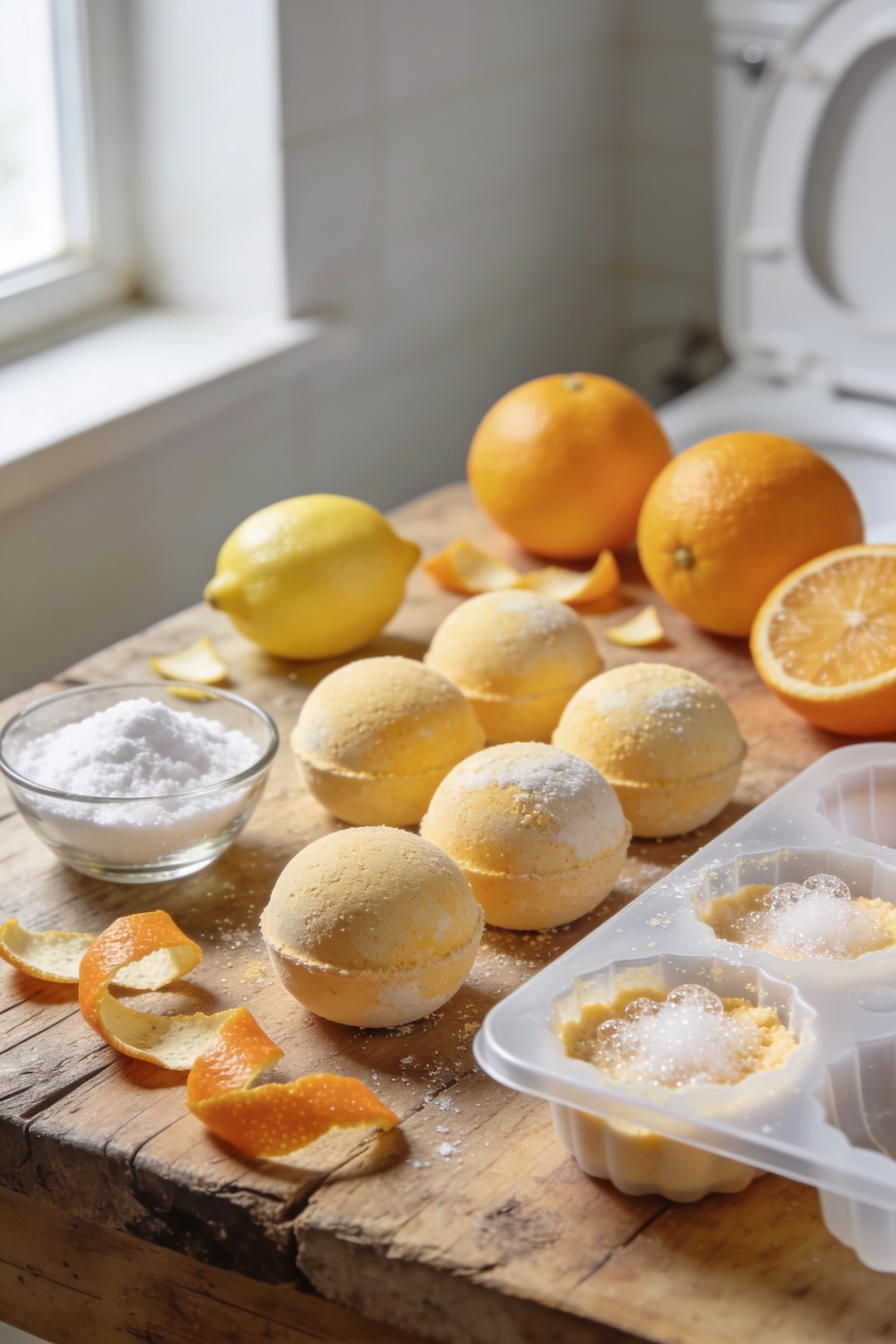
DIY Citrus Toilet Bombs: Fresh Without Chemicals

I ditched commercial cleaners after realizing they’re basically bleach soup that nukes your septic system, so I started making citrus bombs instead—just baking soda, citric acid, and essential oils packed into fizzy little powerhouses. You drop one in, it fizzes, and boom: natural cleaning action without the chemical stench or the guilt. They’re not gonna tackle rust rings that’ve been there since 2015, but for everyday maintenance and odor control? They absolutely crush it, and your septic bacteria will actually thank you. I’ll walk you through exactly how to make them work.
Key Takeaways
- All-natural ingredients like baking soda, citric acid, and essential oils provide effective cleaning without harsh chemicals or septic-system damage.
- Mix baking soda and citric acid in a 3:1 ratio, add 30–90 drops of citrus or tea tree oil for scent.
- Achieve damp-sand consistency with minimal water, pack tightly into molds, then cure 24–48 hours in dry, well-ventilated areas.
- Drop one bomb into the toilet bowl and allow fizzing to complete for daily maintenance, odor control, and light stain removal.
- Store cured bombs in airtight containers away from humidity and light to preserve potency and prevent premature degradation.
What You’ll Need: 5 Simple Ingredients
You may be interested
3 Best Home Remedies For Tough Toilet Scale
July 24, 2026
3 Non-Toxic Toilet Cleaners From Your Kitchen
July 24, 2026
Look, I’m not going to pretend you need some fancy chemistry degree to make toilet bombs that actually work—you don’t. Here’s what you’re actually grabbing: baking soda (the workhorse), citric acid (the bacteria killer), essential oils for scent blending, a liquid binder like water or soap, and honestly, that’s it. The citrus sourcing part? Grab lemon or tea tree oil—they’re antimicrobial and smell fresh without that chemical punch. For eco packaging later, you’ll want glass or airtight containers. Now, texture tweaks matter more than you’d think; you’re aiming for damp sand consistency, not sludge. Too wet and they’ll fizz prematurely. Too dry and they won’t hold shape. I’m sure you’ve noticed how most toilet cleaners wreck your septic system—these won’t. With a 10% citric acid concentration in your bombs, you’ll get the same limescale-removing power as commercial products without the harsh chemicals.
Recommended Products

Create 10 bath bombs: Mix the citric acid, baking soda, Epsom salt, baby oil, coloring, and fragrance and pour it into the 5 molds to create fizzy bath bombs (don't forget to bury the surprise charms inside!) to use in your tub. Mix and match colors and create multi-colored layered bath bombs.

Premium DIY Bath Bomb Kit: JUYRLE bath bomb making kit for women lets you easily create spa-quality bath bombs at home! Includes: 1x bath bomb press, 1x stainless steel round mold, 1x rose, 1x lavender, 4x colorants, 4x essential oils, 1x coconut oil, 2x stickers, 3x gift wrapping sheets, 2x gloves, 1x instruction manual, 1x elegant gift box. Generous quantities—make your own custom bath bombs effortlessly!
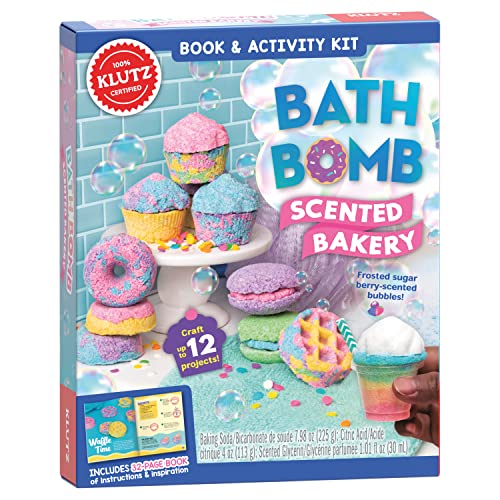
Make up to 12 bath bombs for some fizzy fun
Why Citrus Actually Works Better Than Chemical Cleaners
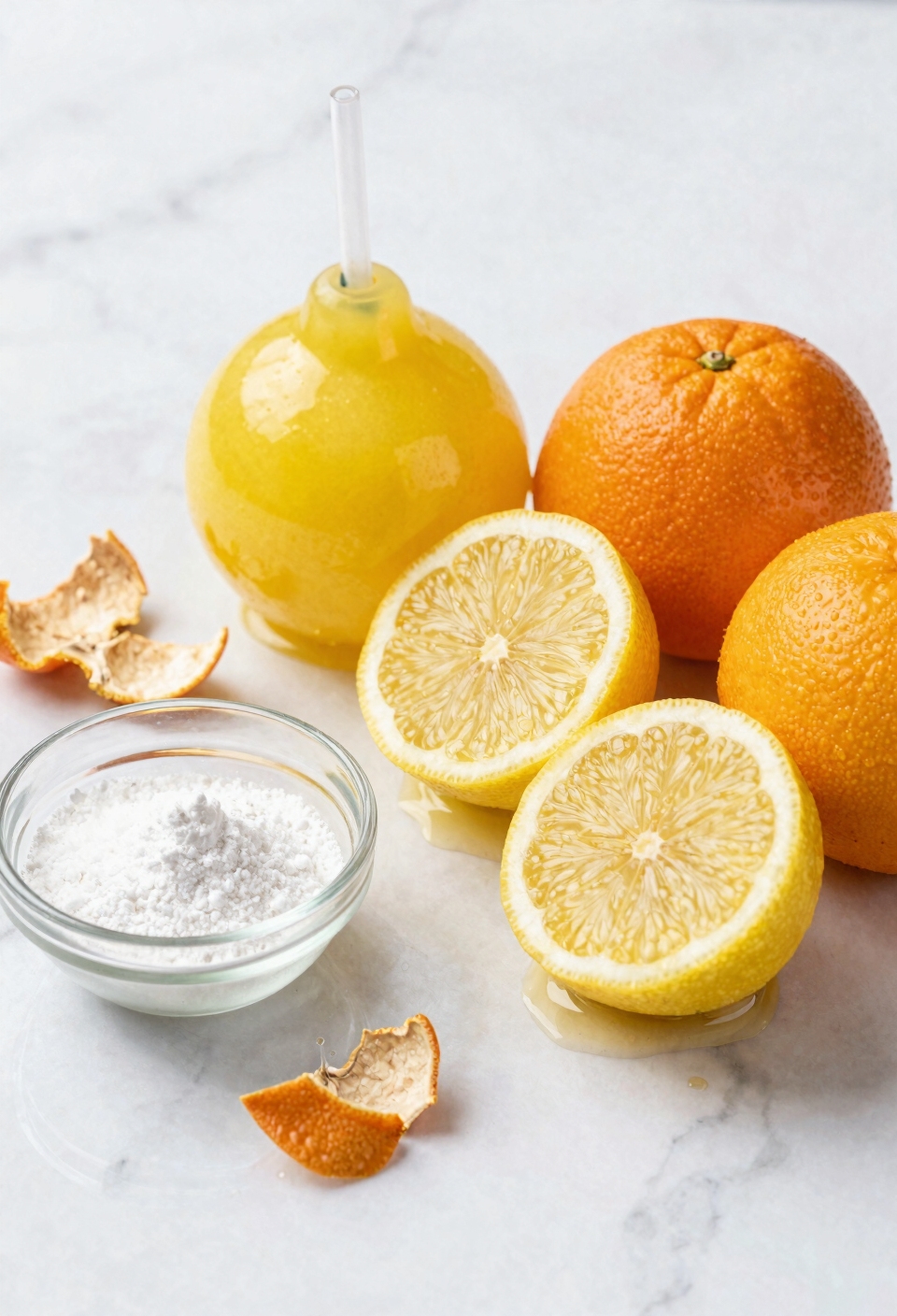
They’re antimicrobial agents that disrupt bacterial cell walls and dissolve mineral deposits without nuking your entire plumbing ecosystem, and I’m not just saying that because it sounds good—the chemistry backs it up. See, citrus oils work through citrus synergy, where lemon and tea tree combine to tackle odors and stains simultaneously. That microbial disruption? It actually kills bacteria rather than just masking the smell like chemical cleaners do. Your septic system won’t stage a revolt either, since natural ingredients break down safely. I mean, you’ve probably noticed how regular cleaners leave that chemical stench that makes your eyes water. Citrus doesn’t do that. Plus, citric acid dissolves hard water buildup—calcium, lime, rust—the stubborn stuff that chemical cleaners sometimes just push around. Unlike harsh formulations, plant-based agents can match the cleaning effectiveness of their chemical counterparts while being gentler on your home’s ecosystem.
Recommended Products

What You'll Get: Five tablets of scrubbing Bubbles Toilet Bowl Tablets

PLASTIC-FREE, ECO-FRIENDLY TOILET CLEANER TABLETS. Cleaning your toilet has never been easier—just drop, brush, flush! The first ever 100% plastic-free and zero waste Toilet Bowl Cleaner Tablets—made without harsh chemicals, harmful ingredients or plastic packaging. Our septic-safe, eco-friendly toilet cleaner tablets power through a range of tough toilet stains, including limescale, mineral deposits, hard water, and rust.

ULTRA CLEAN TOILET TABLETS: Each Bleach & Blue tablet cleans and prevents stains in your toilet bowl with every flush; Packaging may vary
Mix Your Dry Base in 2 Minutes
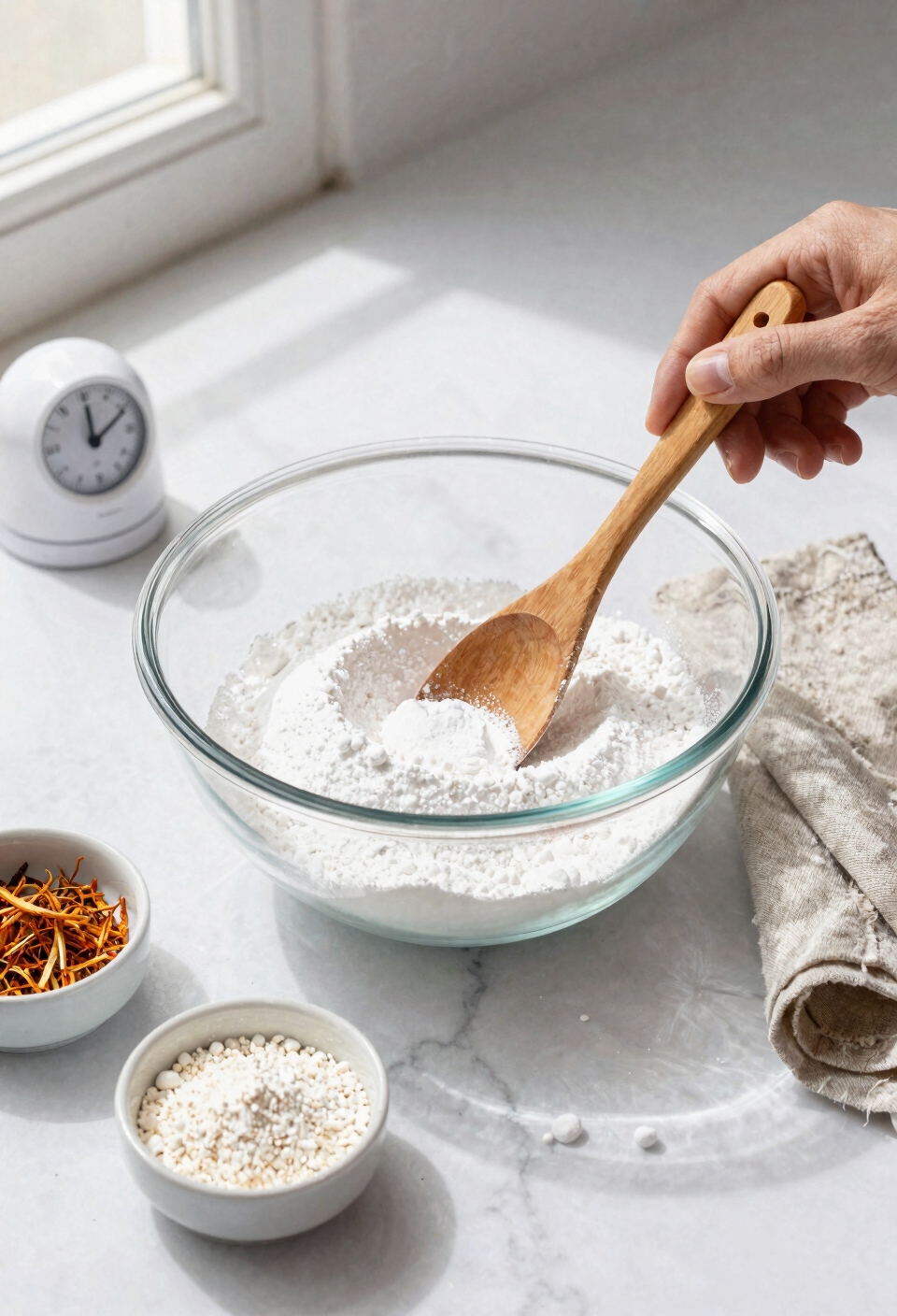
Now that you know why citrus actually outperforms those harsh chemical cleaners, let’s get to the part where you actually make something—and I promise it’s stupidly fast. Grab a glass or ceramic bowl—honestly, any non-reactive container works—and combine your baking soda with citric acid in a 3:1 ratio. One cup baking soda, quarter cup citric acid. Break up any clumps with a spoon; you’re aiming for a smooth, uniform powder. This quick blend takes maybe ninety seconds, and texture testing is vital here. Stir it together thoroughly so you don’t end up with pockets of unmixed citric acid. Unlike foaming formulations, this dry blend gives you full control over activation timing. That’s literally it for your dry base. Two minutes, tops.
Add Citrus Oils for Scent and Cleaning Power
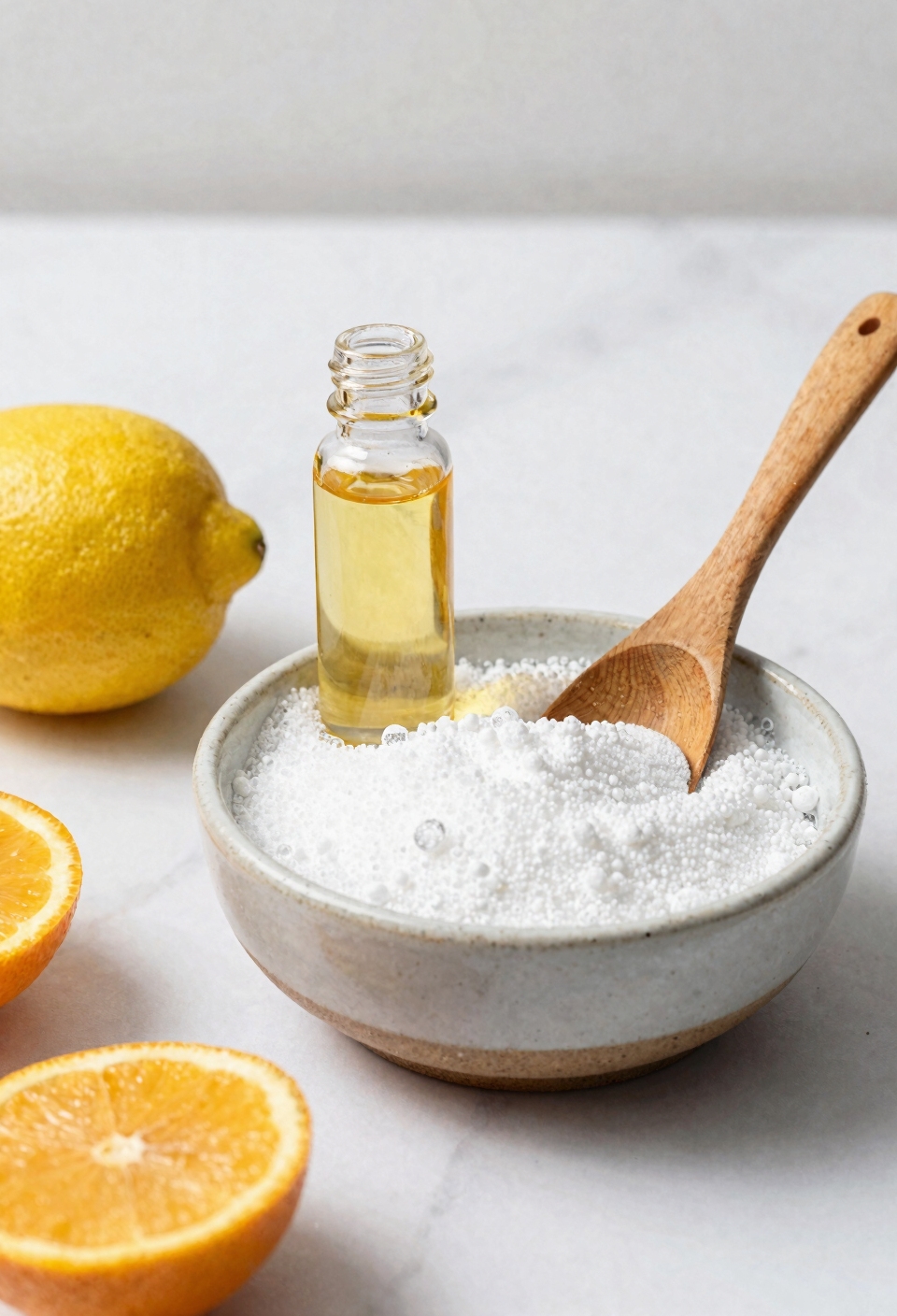
Once you’ve got your dry base mixed, this is where the magic actually happens—and honestly, where you’ll notice the biggest difference between homemade bombs and the store-bought stuff that smells like a chemical factory exploded in your bathroom. I’m talking about the citrus oils, and here’s the thing: you’re not just adding scent. You’re layering in real cleaning power through what I’d call citrus synergy. Lemon, wild orange, or tea tree—add 30 to 90 drops depending on your batch size. Stir thoroughly so the oils distribute evenly. The aroma longevity you get from quality citrus oils actually outlasts those synthetic fragrances, plus you’re getting genuine antimicrobial benefits without the sketchy chemical residue hanging around your pipes. Unlike artificial fragrances that can trigger headaches or respiratory issues, essential oils and natural scents provide effective cleaning action while being safer for households with sensitivities.
Recommended Products

100% PURE & NATURAL LEMON OIL - Majestic Pure Blends oils are exactly that! Many oils being sold make that claim but are in fact made of natural isolates and mixtures. Each essential oil is tested by an independent lab which is why every bottle comes with a Quality Guaranty.

Citrus Essential Oils Set for Diifuser: (Sweet Orange, Bergamot, Lemon, Grapefruit, Citrus ,Lime). Lemon and bergamot smell potent great for aromatherapy, If you’re craving some rest from stress, our tangerine essential oil might be what you need

Lemon Essential Oil - SU JUABA Lemon Essential Oil is cold-pressed. Its bright citrus scent improves concentration the air
Moisten Your Bomb Mix to Perfect Consistency
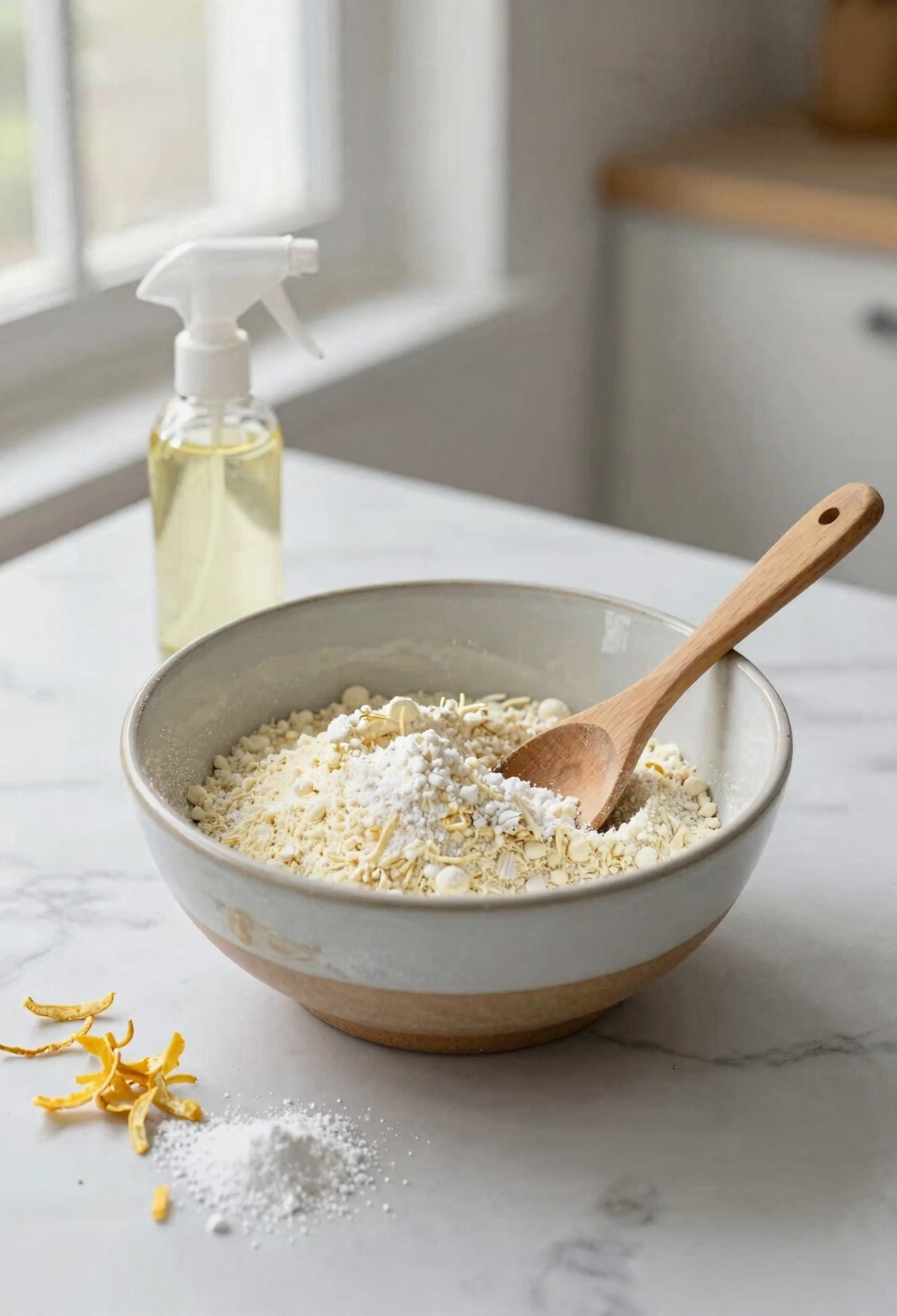
After you’ve got those citric oils stirred through and your dry mixture smells like a citrus grove instead of a chemistry lab, you’re at the point where most people mess up—and I’ve definitely been there. Here’s the thing: you need just enough liquid to make the mixture hold together, nothing more. I’m talking damp sand consistency, where it clumps when you squeeze it but stays powdery in the bowl. Start with 1-3 teaspoons of water or about 20 sprays, then do your texture testing by squeezing a small handful. You’ll know instantly if you’ve nailed it. Factor in humidity control too—if it’s muggy outside, you’ll need less liquid than on a dry day. Over-moistening kills your fizz before the bombs even hit the toilet. Unlike chemical cleaners that rely on sustained-release formulations, your DIY citrus bombs work through immediate fizzing action, so protecting that reaction is crucial to effectiveness.
Press Your Toilet Bomb Molds Tight
Your mixture’s now got the right feel, so let’s talk about getting it into molds without turning your bathroom project into a soggy mess. I’m sure you’ve noticed that mold compression is where most people mess up. You’ve gotta pack that mixture tight—I mean *really* tight—into your silicone molds. Spoon in your damp blend and press it down firmly with the back of the spoon or your fingers. Texture testing matters here; if it crumbles when you press, you need slightly more liquid. If it’s gooey, you’ve overdone it. The goal’s a consistency that holds shape under pressure but doesn’t feel like clay. Pack those molds tight enough that your bombs won’t fall apart during drying, and you’ll be golden. For added freshness and cleaning power, consider infusing your citrus bombs with stiff, durable bristles of dried citrus peel to enhance their scrubbing properties when used alongside your toilet brush.
Dry Your Bombs for 24–48 Hours
So here’s the thing—you’ve packed those bombs tight and now you need patience, which I know isn’t anyone’s favorite ingredient. Don’t rush this part. Your bombs need a solid 24–48 hours of curing time to fully harden and set properly. I’m talking real drying, not just surface-level damp.
Find a spot with decent air circulation—a shelf, windowsill, or anywhere that gets gentle airflow without direct sunlight beating down on them. Humidity’s your enemy here, so avoid the bathroom if you can. Kitchens work better. The longer you wait, the firmer they’ll be when they hit the water, which means better fizz action and longer-lasting cleaning power. Unlike bleach-based products, these natural formulas benefit from extended curing time that allows the citric acid and essential oils to fully integrate and activate.
Trust me, those extra hours matter.
What Your Bombs Can (and Can’t) Clean
These bombs’ll handle most of what you throw at them, but let’s be real—they’re not magic erasers, and I think you’ll find that understanding their actual limits saves you from standing over your toilet at midnight wondering why the stain’s still there. They’re fantastic for daily maintenance, odor control, and light stain removal from hard water deposits or rust. Now, here’s where stain limitations come in: stubborn rust rings, heavy calcium buildup, or deep organic stains need actual scrubbing. That’s just physics. What I love about these bombs is their septic compatibility—all-natural ingredients mean you’re not nuking your system with harsh chemicals. Unlike commercial alternatives that may contain bleach or ammonia, citrus bombs break down safely without harming the beneficial bacteria in your septic tank. Use them daily for prevention, grab a brush for the tough jobs, and you’ll actually like your toilet situation.
Recommended Products

EWG VERIFIED: This bathroom cleaner spray is formulated with clean ingredients and certified by the Environmental Working Group to meet their strict health and safety standards. Free from concerning substances like , alcohol, SLES and EDTA.

Powerful toilet bowl cleaner in 24 fl oz bottle

Effective and powerful toilet cleaner formula freshens and removes stains
How to Use Your Toilet Bombs and Store Them Safely
Now that you’ve got a batch of bombs sitting in your mold waiting to cure, the real question is what you actually do with them when they’re ready—and I mean both the using part and keeping them from turning into a useless pile of powder before you get a chance. For pre use placement, just drop one bomb into your toilet bowl before you go. Let it fizz out and work its magic on stains and odors.
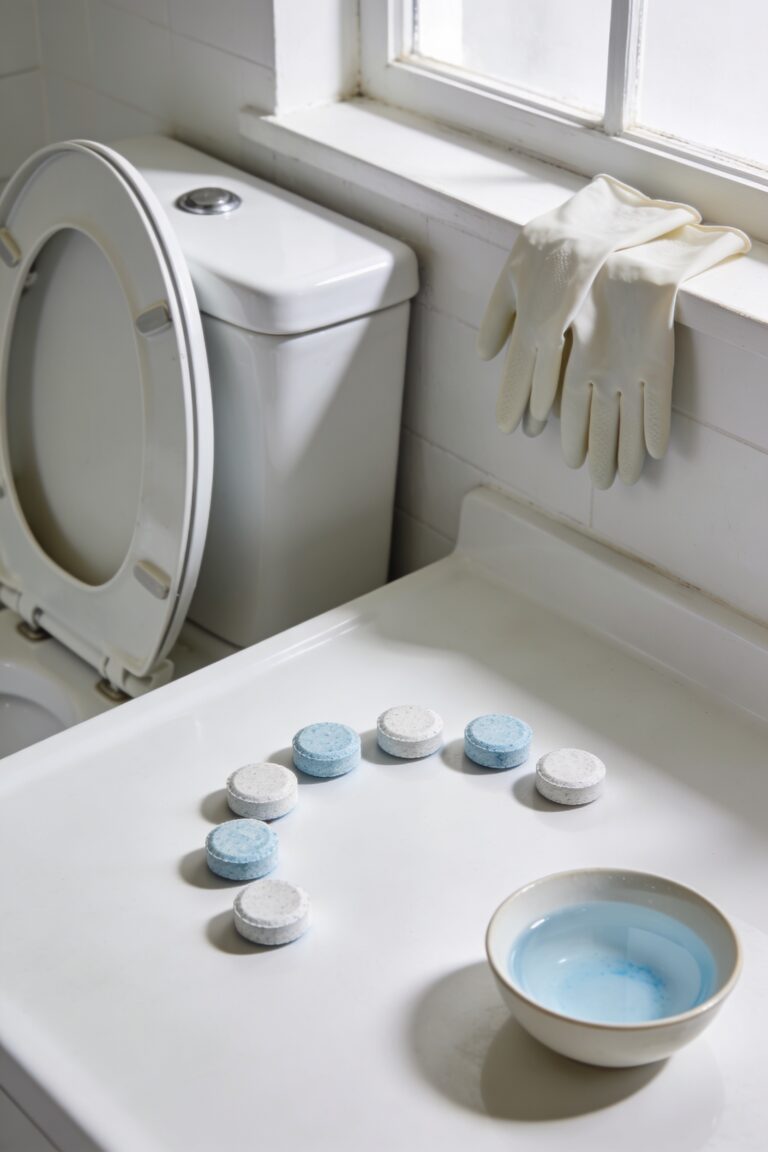
Safe storage is honestly simple: stick them in an airtight container, toss it in a cool, dark spot, and they’ll hold their potency. Humidity’s their enemy, so keep them away from your bathroom’s steamy shower vibes. Unlike commercial drop-in cleaners that use visual indicators like blue-tinted water to show active cleaning, your homemade bombs work silently behind the scenes. Do that, and you’ve got bombs ready whenever you need them.
Recommended Products

【Airtight Freshness & Clear View】Keep your bath salts perfectly dry and clump-free. Our container features... to create an airtight seal, ensuring your Epsom salts or bath bombs stay fresh and ready to use.

Airtight Containers: bath salt container with scoop offers airtight protection,can hold bath salts protecting your bath item from corrosion, moisture, and dust. You can effortlessly check what's inside and keep your bath salt bombs fresh and tidy through the clear body.

【Say Goodbye to Messy Spills & Scoops】 Transform your bath time with our revolutionary funnel-pour lid. Simply pour bath salts directly from the container into your tub—no scoop needed, no grains scattered. Enjoy a perfectly clean bathroom and a truly relaxing ritual.
Frequently Asked Questions
Can I Use Regular Essential Oils Instead of Citrus Oils for Toilet Bombs?
Yes, I’d recommend other aromatic alternatives like lavender, eucalyptus, or peppermint. However, citrus oils offer superior scent longevity and natural antibacterial properties, making them ideal for toilet bombs’ cleaning effectiveness.
How Long Do Homemade Toilet Bombs Stay Effective in Storage?
I’d say your homemade toilet bombs maintain peak shelf life for about 6-12 months when stored properly in an airtight container kept in a cool, dark space. They’ll retain potency longer if you minimize moisture exposure.
Will Toilet Bombs Damage or Harm Septic Systems?
I’ll tell you they won’t harm your system—unlike harsh chemicals, these bombs use septic safe ingredients like baking soda and citric acid that won’t disrupt bacterial balance, keeping your septic healthy while cleaning naturally.
Can I Customize Bomb Size or Use Different Mold Shapes?
You can absolutely customize your bombs with different mold shapes and size variations. I’d recommend mini-muffin, ice cube, or penguin molds. Larger molds need longer drying times—adjust accordingly for your preferences and usage needs.
What Should I Do if My Bomb Mixture Fizzes During Preparation?
If your mixture’s fizzing like fireworks before you’ve even finished, you’ve got too much moisture. I’d reduce moisture immediately and add more citrus oils to mask any premature reactions while salvaging your batch.
Conclusion
I started making these bombs because I was tired of scrubbing with chemical cleaners that left my hands raw. Now my toilet stays fresher longer, and honestly, it’s like switching from paying rent to owning a house—you do the work once, then you actually benefit. You’ve got this. Make a batch this weekend.