As an Amazon Associate, we earn from qualifying purchases. Some links on this site are affiliate links at no extra cost to you. Our recommendations are based on thorough research and editorial judgment.

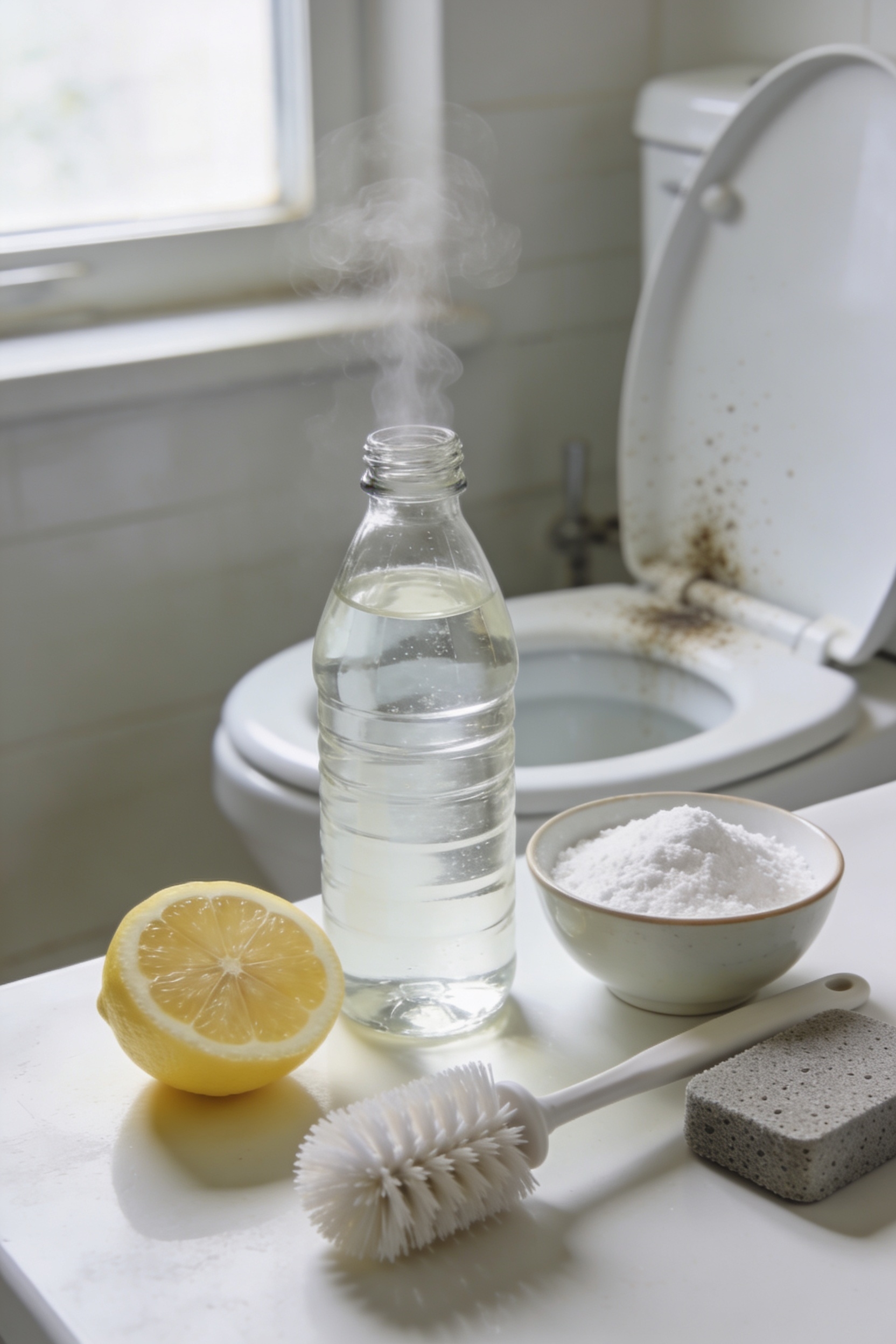
3 Best Home Remedies For Tough Toilet Scale

I’m sure you’ve noticed that stubborn ring of limescale building up under your toilet rim, and here’s the thing: you don’t need harsh chemicals or a plumber’s invoice to tackle it. White vinegar works great for light scale—just pour it undiluted and let it soak overnight. For tougher buildup, citric acid mixed with hot water packs more punch and dissolves calcified deposits faster. Pair either treatment with a little mechanical scrubbing, maybe a pumice stone on stubborn spots, and you’ll be surprised how effective that combination gets.
Key Takeaways
- White vinegar overnight soaks dissolve light-to-moderate limescale buildup affordably and safely for routine maintenance.
- Citric acid powder mixed with hot water tackles heavy, calcified deposits that resist vinegar alone.
- Combine mechanical scrubbing with overnight acid soaks to remove stubborn scale resistant to chemical treatment.
- Pumice stone application after acid treatment enhances effectiveness on deposits resisting dissolution methods.
- Brick acid and stronger commercial formulas work for severe cases requiring fast action with proper ventilation.
How to Choose the Right Toilet Scale Remedy
You may be interested
3 Non-Toxic Toilet Cleaners From Your Kitchen
June 8, 2026
5 Best Overnight Toilet Tabs for Fresh Bowls
June 8, 2026
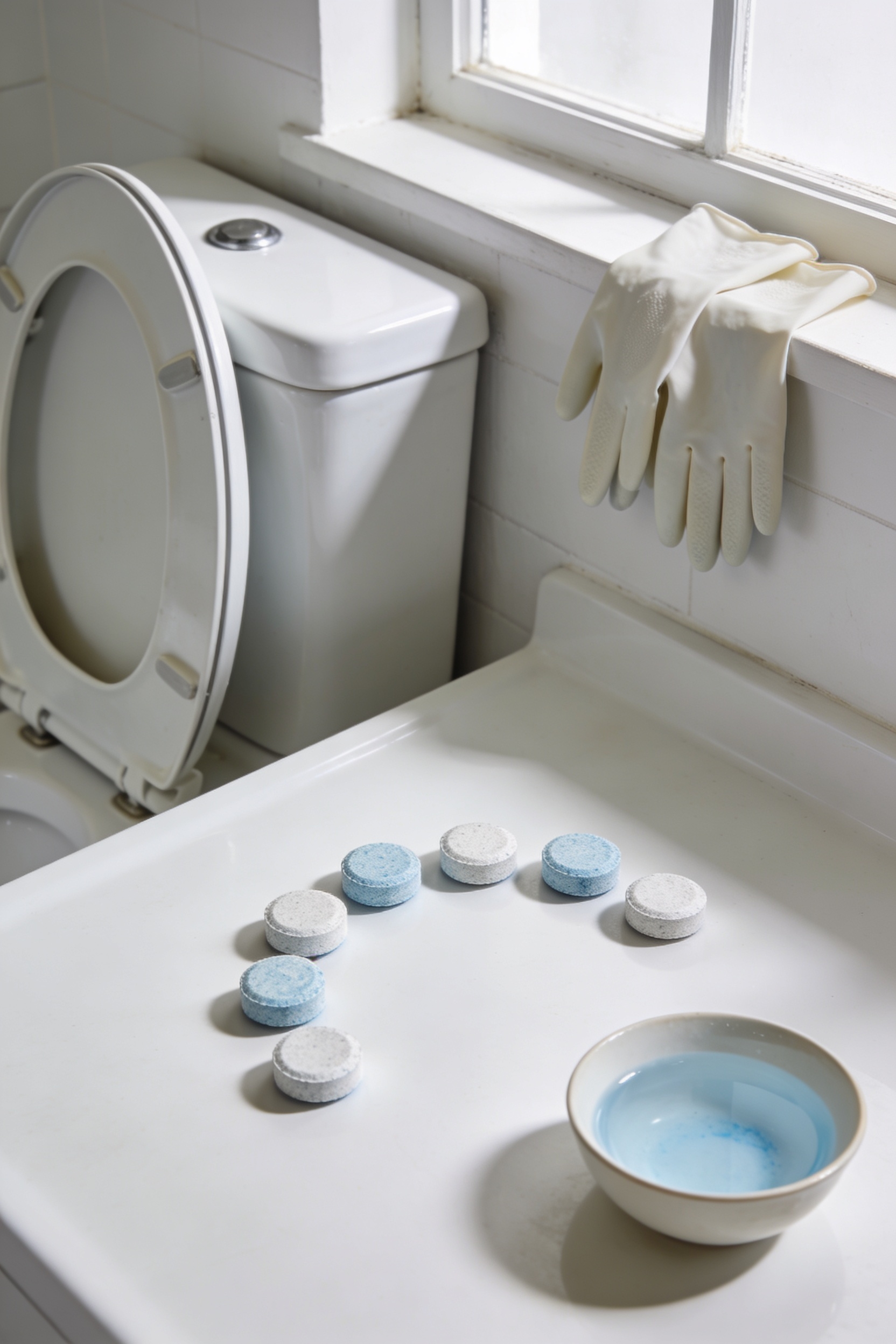
When you’re staring down a toilet bowl that looks like it’s been coated in a mineral-crusted time capsule, your first instinct is probably to grab whatever’s under the sink and hope for the best—I mean, I get it, I’ve been there. But here’s the thing: not all remedies work equally, and some can actually damage your toilet depending on what it’s made from. Before you commit to anything, honestly assess how bad the buildup is. Light deposits? Vinegar’s your friend. Stubborn stuff that’s been hanging around? Citric acid or baking soda paste will handle it without risking material compatibility issues. For severe cases, brick acid works fast, though it demands respect and ventilation. Plumbing-safe formulations are important to prevent long-term pipe damage when selecting your cleaning approach. I’d always lean toward preventative maintenance first—regular cleaning beats desperate scrambling every time.
Recommended Products

HOW DO I GET RID OF TOUGH TOILET RINGS? This heavy-duty bleach-free gel eliminates hard water, lime, and rust stains - removes up to 2X more mineral buildup vs. Clorox Bleach Toilet Bowl Stain Remover for a ring-free bowl

Zep QT PRO TOILET BOWL CLEANER/DEO ZUATBC32

Quickly Removes Rust, Dissolves Organic Stains And Cleans Hard Water Residue
White Vinegar for Light Scale and Overnight Soaking
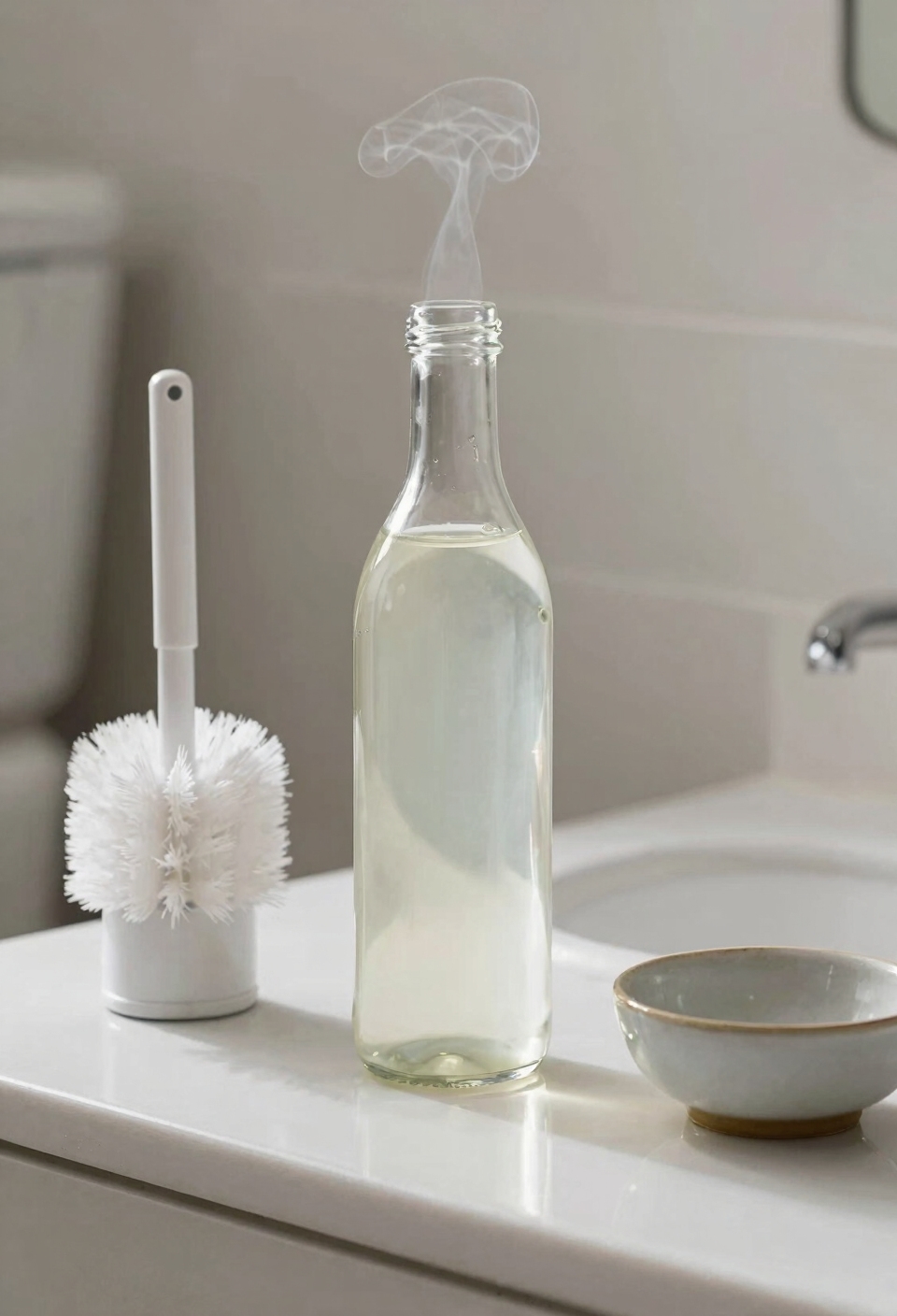
Looking at your toilet bowl and spotting that telltale yellowish or brownish ring that won’t budge with regular scrubbing, you’re probably dealing with light-to-moderate limescale buildup—and honestly, this is exactly where white vinegar shines. I mean, you pour undiluted vinegar right into the bowl, make sure it gets under the rim where all that crud loves to hide, and then you just… wait. The fizzing reaction that happens? That’s the acid actually working on those mineral deposits, breaking them down chemically. Now, overnight soaking is where vinegar application really proves its worth. You let it sit all night, and come morning, most of that buildup practically dissolves on its own. A little scrubbing finishes the job. For even tougher deposits that vinegar alone can’t handle, citric acid formula cleaners like Instant Power offer a stronger chemical alternative. It’s genuinely effective for lighter scale, totally safe around your family, and costs basically nothing.
Recommended Products

Aunt Fannie’s Toilet Bowl Cleaner: Our bleach-free formula removes tough stains, toilet bowl rings, mineral buildup, and odor, leaving a sparkling finish
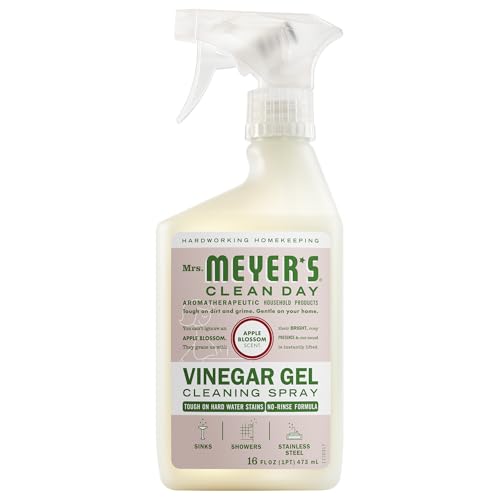
Mrs. Meyer's Vinegar Gel Cleaning Spray not only breaks down everyday grime, but also lifts dirt from surfaces leaving a cleaner surface

What You'll Get: Five tablets of scrubbing Bubbles Toilet Bowl Tablets
Citric Acid for Heavy, Long-Standing Buildup
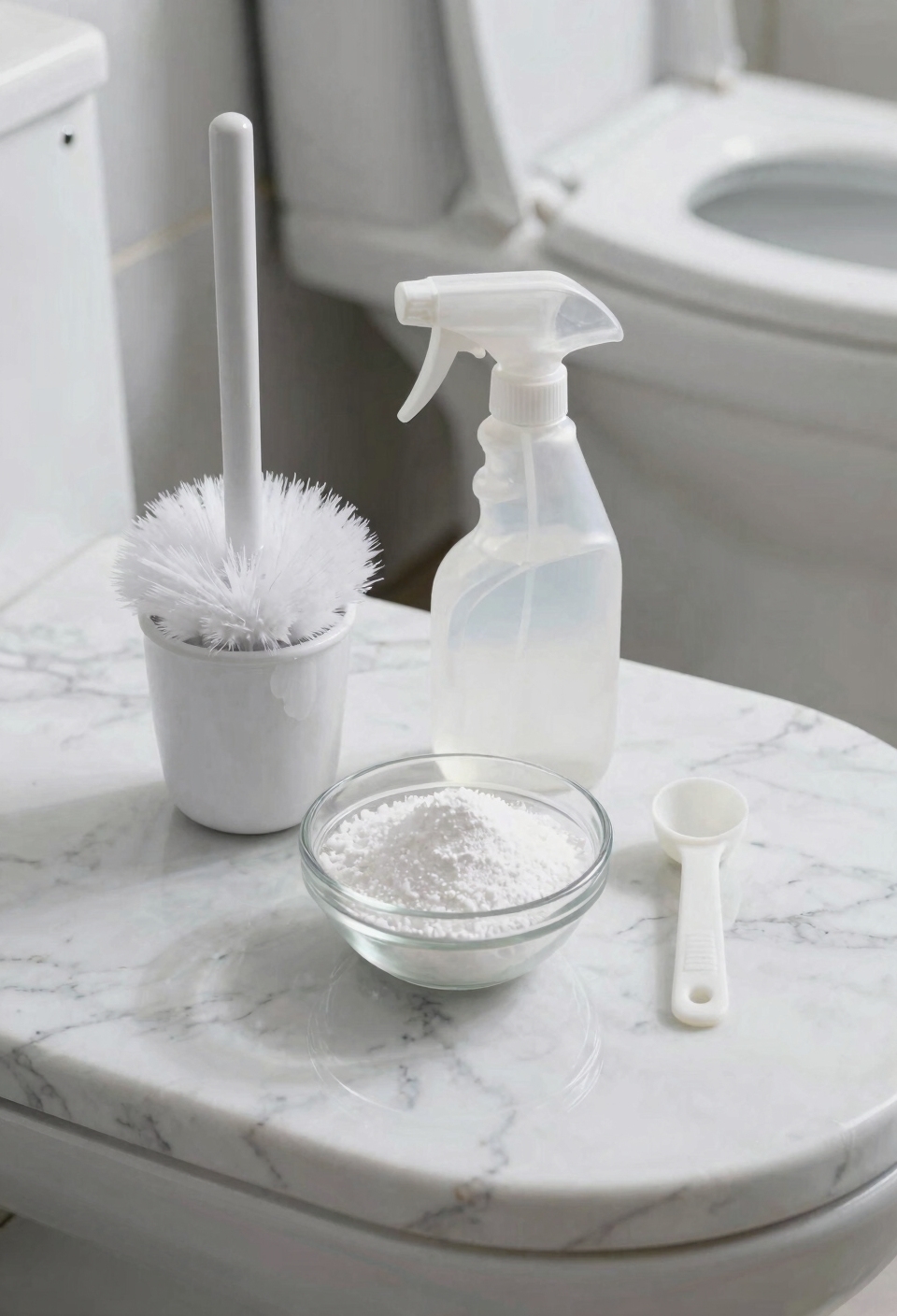
If vinegar’s doing nothing but making your bathroom smell like a salad bar, you’re probably staring down some seriously heavy limescale—the kind that’s been camping out in your toilet for years, basically calcifying itself into permanent fixture status.
That’s where citric acid powder comes in. I’m talking about mixing 2-3 tablespoons with hot water for a concentrated application that’ll actually punch through those stubborn deposits. Hot water speeds up the whole process, dissolving mineral buildup faster than vinegar ever could. The stuff’s genuinely powerful—I’ve used it for kettle restoration and it works just as impressively on toilet bowl calcification. For even tougher hard water stains that resist acid treatment alone, combining citric acid with mechanical scrubbing using a pumice stone can deliver superior results.
Leave it overnight, then scrub. You’ll notice the difference immediately.
Recommended Products

Premium Citric Acid for Cleaning: ACTIVE Powdered Citric Acid Cleaner is Essential for Maintaining Household Water Distillers and Distiller Accessories

Powerful Water Distiller Cleaner & Descaler: Effectively removes limescale, mineral deposits, & hard water buildup, restoring your distiller's performance for pure, fresh-tasting water every time with Renuv's natural deep cleaning descaling powder

100% PURE- Fine, high-quality granular citric acid is packaged in the USA and bagged to ensure safe packaging and protected delivery
Frequently Asked Questions
How Does the Baking Soda Paste Method Compare to Acid-Based Solutions for Limescale Removal?
I’d say baking soda’s abrasive vs. chemical approach differs markedly. While it’s gentler and environmentally friendly, acid-based solutions work faster on stubborn deposits. I find baking soda better for preservation; acids for heavy buildup.
What Safety Precautions Should I Take When Using Brick Acid or Muriatic Acid?
I’d don a suit of armor before tackling brick acid—you’ll need proper ventilation, gloves, and eye protection. Make certain adequate airflow through windows or fans since dangerous gases can escape sewage pipes during application.
Can I Combine Multiple Remedies for Better Results on Extremely Stubborn Deposits?
I’d recommend trying layered applications rather than multiple combinations simultaneously. Start with vinegar overnight, then apply baking soda paste the next morning. This sequential approach prevents chemical reactions that could reduce effectiveness on your stubborn deposits.
How Often Should I Apply These Treatments to Prevent Limescale Buildup?
I’d say you’ll fight limescale forever if you’re not consistent. I recommend weekly maintenance with vinegar to prevent buildup, then seasonal deep cleaning using citric acid for stubborn deposits that still accumulate.
Is the Homemade Dish Soap and Salt Mixture Effective for Rust Stains Too?
I’d recommend using brick acid instead for rust stains. The dish soap mixture isn’t designed for metal reaction removal. Its salt abrasiveness could cause surface damage, whereas acid treatments specifically target rust and mineral deposits simultaneously.
Conclusion
Look, you’ve got three solid options here, and honestly, they’re all about picking the right tool for the job—like using a hammer versus a screwdriver. White vinegar handles light stuff overnight, citric acid tackles stubborn buildup, and there’s probably a third remedy in that outline I’m spacing on. The point is, you don’t need harsh chemicals eroding your pipes. Start gentle, work your way up. Your toilet—and your family—will thank you.