As an Amazon Associate, we earn from qualifying purchases. Some links on this site are affiliate links at no extra cost to you. Our recommendations are based on thorough research and editorial judgment.

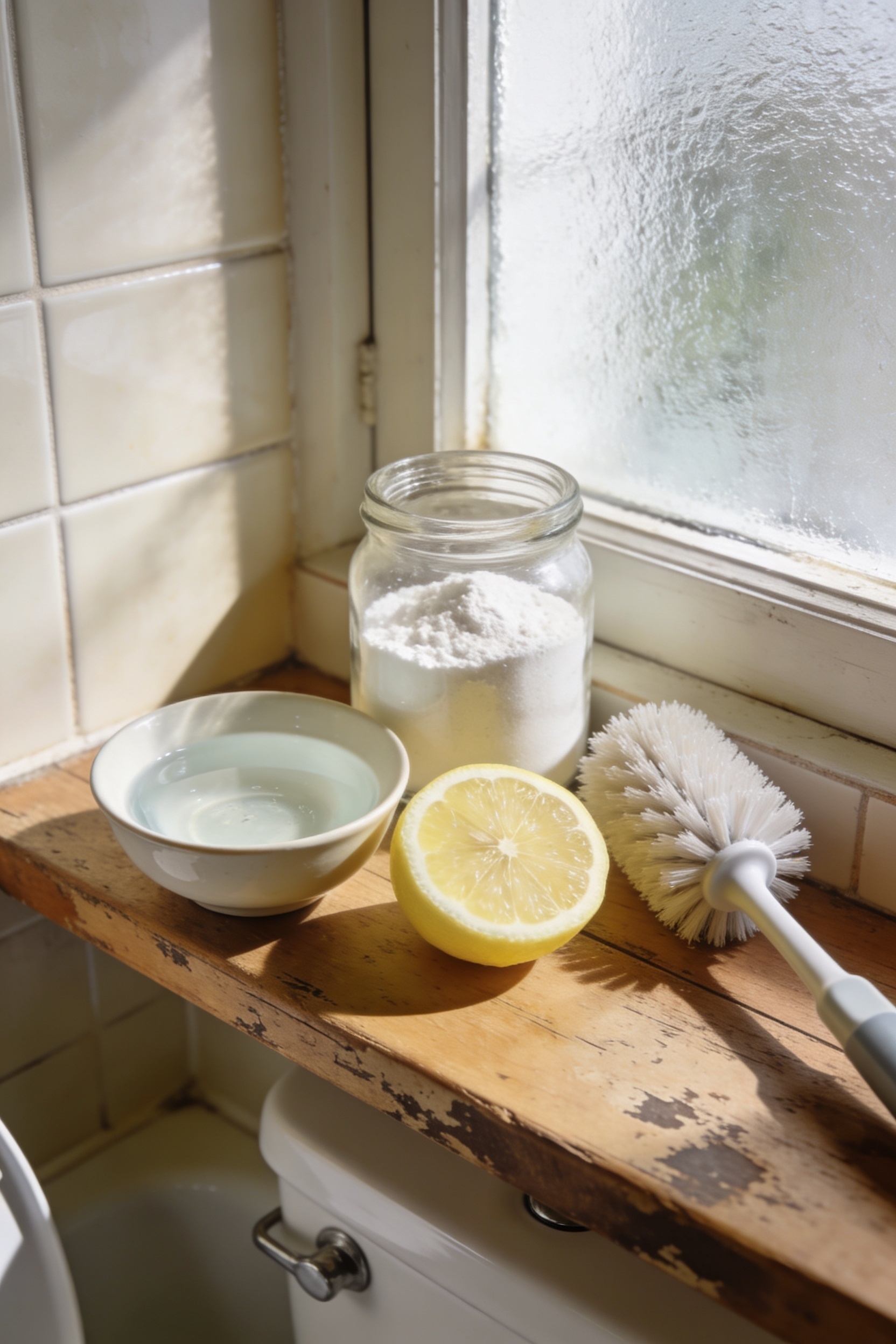
3 Non-Toxic Toilet Cleaners From Your Kitchen

I’m sure you’ve noticed those warning labels on commercial toilet cleaners—they’re basically longer than the actual ingredients list. Here’s the thing: you’ve already got three genuinely effective cleaners in your kitchen. Citric acid dissolves mineral deposits without wrecking porcelain, baking soda bombs deodorize safely for septic systems, and white vinegar cuts through germs like it’s nobody’s business. All three are non-toxic, kid-friendly, and actually work. Stick around if you want the specifics on how to use them right.
Key Takeaways
- Citric acid dissolves hard water stains and rust safely without damaging porcelain or plumbing systems.
- White vinegar breaks down mineral deposits and neutralizes odors as an effective first-step cleaner.
- Baking soda bombs combine sodium bicarbonate and citric acid for deodorizing and gentle stain removal.
- All three methods are septic-safe, non-toxic alternatives to bleach with minimal chemical exposure risks.
- Combining vinegar with baking soda or extending dwell times enhances effectiveness on stubborn stains.
Citric Acid: The Natural Mineral Deposit Cleaner
You may be interested

3 Best Home Remedies For Tough Toilet Scale
June 4, 2026
5 Best Overnight Toilet Tabs for Fresh Bowls
June 4, 2026
When you’re staring down a toilet bowl crusted with hard water stains and rust that won’t quit, citric acid is basically your secret weapon—and I’m sure you’ve noticed those stubborn mineral deposits don’t budge with regular scrubbing alone. Here’s the thing: citric acid actually dissolves that buildup by adjusting the pH around your bowl, which is one of those surface safe methods that won’t wreck your porcelain or plumbing. I mean, you just pour powdered citric acid into the bowl with hot water, let it sit for fifteen minutes, and watch it work. For optimal results, dwell time is key—allowing the citric acid to sit longer on tougher stains significantly increases effectiveness. The antibacterial properties are legit too. No odor, no harsh chemicals, just straightforward mineral deposit removal that genuinely works.
Recommended Products

100% PURE- Fine, high-quality granular citric acid is packaged in the USA and bagged to ensure safe packaging and protected delivery
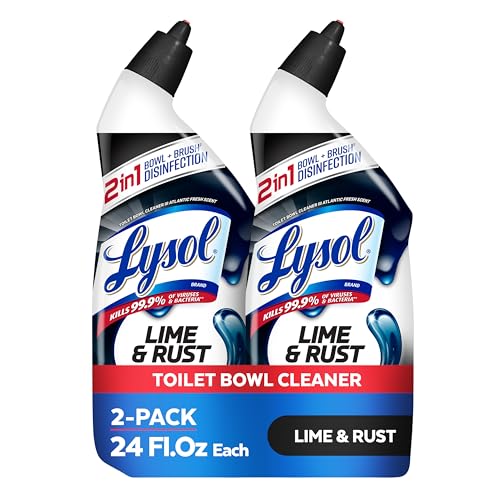
POWERFUL TOILET BOWL CLEANER FOR LIME & RUST: Breaks down tough lime, rust, toilet rings, minerals, and hard-water stains—ideal for deep toilet cleaning with less scrubbing.

SAFE AND EFFECTIVE - A powerful toilet tank cleaner that works in minutes and is safe for any toilet and drain system. For optimal results, pour the cleaner into the toilet tank and leave overnight
Baking Soda Bombs: Septic-Safe Tablets for Quick Deodorizing
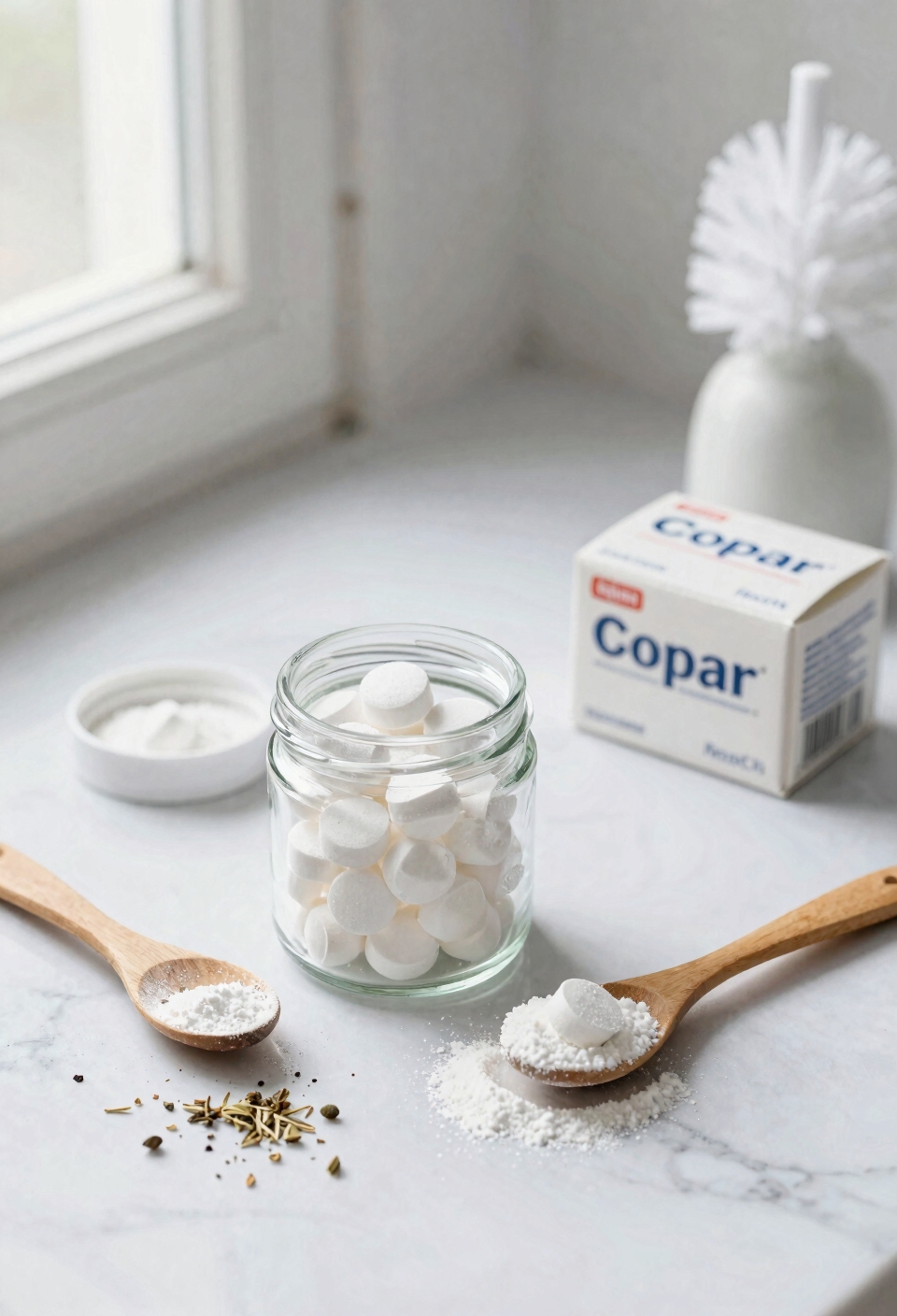
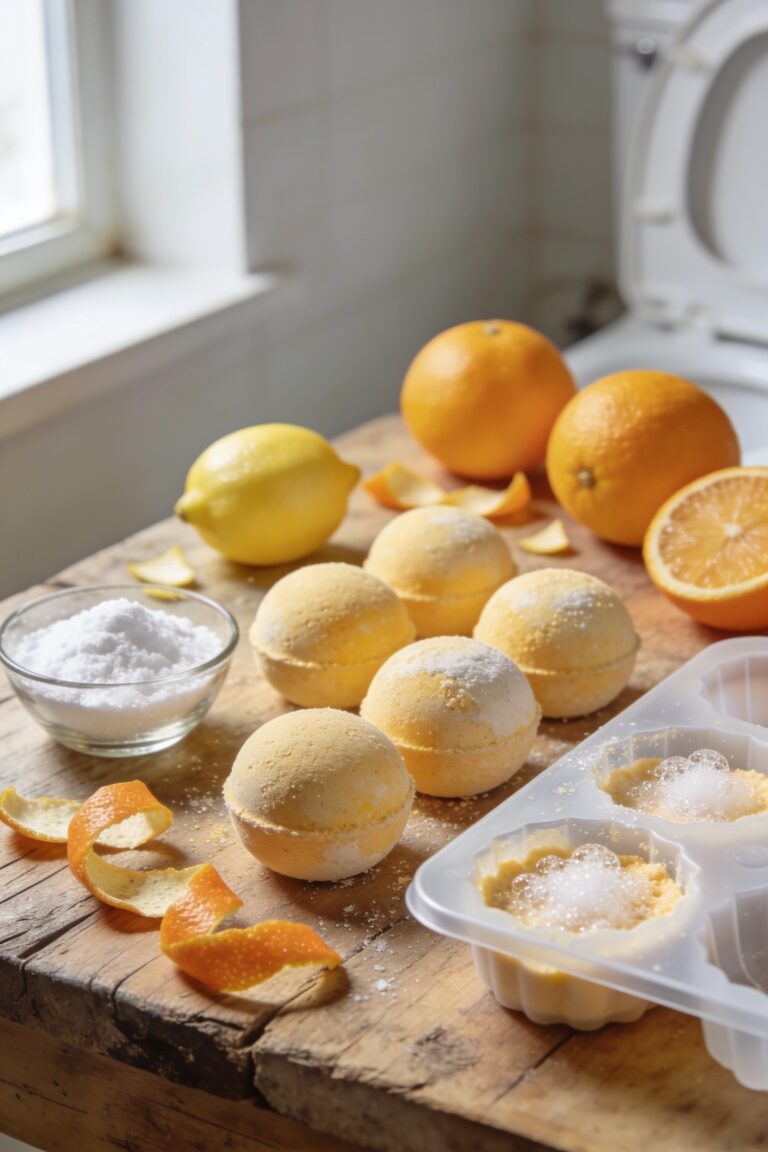
After you’ve dissolved those mineral deposits with citric acid, you’ve still got the deodorizing part to tackle—and that’s where baking soda bombs come in handy. I mean, these little tablets are basically your secret weapon for odor control without any of the harsh chemical nonsense. You just drop one in, and the effervescence longevity keeps working as it fizzes away, breaking down stains while neutralizing odors naturally. They’re minimal-ingredient affairs—sodium bicarbonate, citric acid, water, and essential oils like tea tree and peppermint. Obviously they’re septic-safe, which matters if that’s your setup. The organic lemon and peppermint oils leave your bathroom smelling legit fresh instead of like you’re trying to cover something up. Non-toxic formula means you’re not worried about your kids or pets getting exposed to anything sketchy. For best results on stubborn mineral deposits, you may want to let the tablet sit for 5–15 minutes before flushing, or even overnight for the toughest stains.
Recommended Products

ULTRA CLEAN TOILET BOWL TABLETS: Kills 99.9% of bacteria, and continuously sanitizes, cleans and deodorizes your toilet bowl with each flush; Package may vary

What You'll Get: Three tablets of Scrubbing Bubbles Toilet Bowl Tablets

ULTRA CLEAN TOILET TABLETS: Each Bleach & Blue tablet cleans and prevents stains in your toilet bowl with every flush; Packaging may vary
Vinegar Solutions: Your First-Step Bathroom Cleaner
Now here’s the thing about white vinegar—it’s basically the workhorse of non-toxic cleaning, and I’m pretty confident you’ve got a bottle sitting in your kitchen right now doing absolutely nothing except taking up space. I mean, it’s genuinely your first-step bathroom cleaner because it dissolves mineral deposits like they’re nothing, and that acidic punch handles odor neutralization better than you’d expect. Pour it in, let it sit, and you’re breaking down stains while cutting through germs simultaneously. For vinegar maintenance, I’d soak the bowl for a solid stint—maybe thirty minutes on stubborn buildup. Combine it with baking soda and you get that fizzing action that lifts grime without scrubbing yourself raw. Plant-based alternative to bleach? Absolutely. Less volatile organic compounds risk? You bet. Like other plant-based formulas, vinegar tackles tough stains without chlorine, synthetic fragrances, or ammonia, making it an excellent choice for households with sensitivities or allergies.
Recommended Products
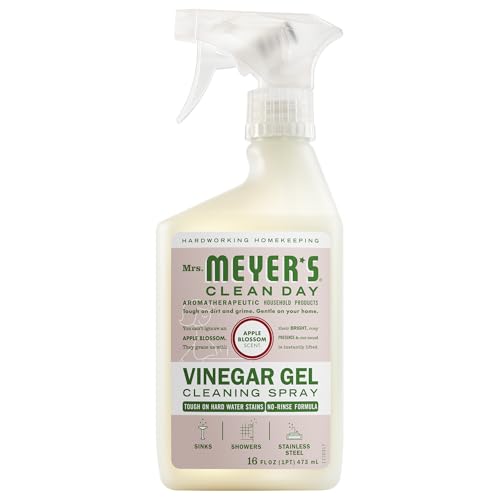
Mrs. Meyer's Vinegar Gel Cleaning Spray not only breaks down everyday grime, but also lifts dirt from surfaces leaving a cleaner surface

Aunt Fannie's All Purpose Bathroom Cleaner: Our solution uses the power of vinegar and plant-based cleaners to lift grime & break up the tough stuff without the use of harsh chemicals
Frequently Asked Questions
Are Plant-Derived Surfactants Safe for Septic Systems and the Environment?
Yes, I’ve found plant-derived surfactants are safe for septic systems when formulated at septic-safe concentrations. They’re biodegradable, so biodegradability testing confirms they break down naturally without harming your system or the environment.
Which Essential Oils Provide the Most Effective Antibacterial and Deodorizing Properties?
You might think essential oils won’t clean effectively, but I’ve found tea tree and lemon verbena provide the strongest antibacterial and deodorizing properties. They’re potent enough to replace synthetic fragrances while genuinely reducing germs.
How Do DIY Foaming Recipes Compare to Commercial Toilet Cleaning Products?
I’ve found DIY foaming recipes outperform many commercial products in cost comparison while delivering comparable results in performance testing. You’ll save money using kitchen ingredients without sacrificing cleaning effectiveness or safety.
Can Natural Cleaners Effectively Eliminate Mold and Mildew Buildup in Toilets?
Yes, they’re genuinely effective. I’ve found that plant-derived surfactants and tea tree oil penetrate porous surfaces where mold spores hide, breaking down buildup. The antimicrobial properties target growth at its source, not just surface stains.
What Is the Ideal Soak Time for Tough Stains With Homemade Solutions?
I’d recommend an extended soak of 15 minutes for tough stains with homemade solutions. For stubborn buildup, I’ve found repeated treatments work better than one application. You’ll notice improved results combining citric acid with hot water soaks.
Conclusion
Look, I’ve got a friend who ditched commercial cleaners entirely and now swears by vinegar and baking soda—her toilet’s cleaner than ever, and she’s not worried about her kids getting sick from fumes. You don’t need harsh chemicals to get the job done. These three kitchen staples actually work, they’re cheap, and honestly, your septic system and your peace of mind are worth the switch.