As an Amazon Associate, we earn from qualifying purchases. Some links on this site are affiliate links at no extra cost to you. Our recommendations are based on thorough research and editorial judgment.

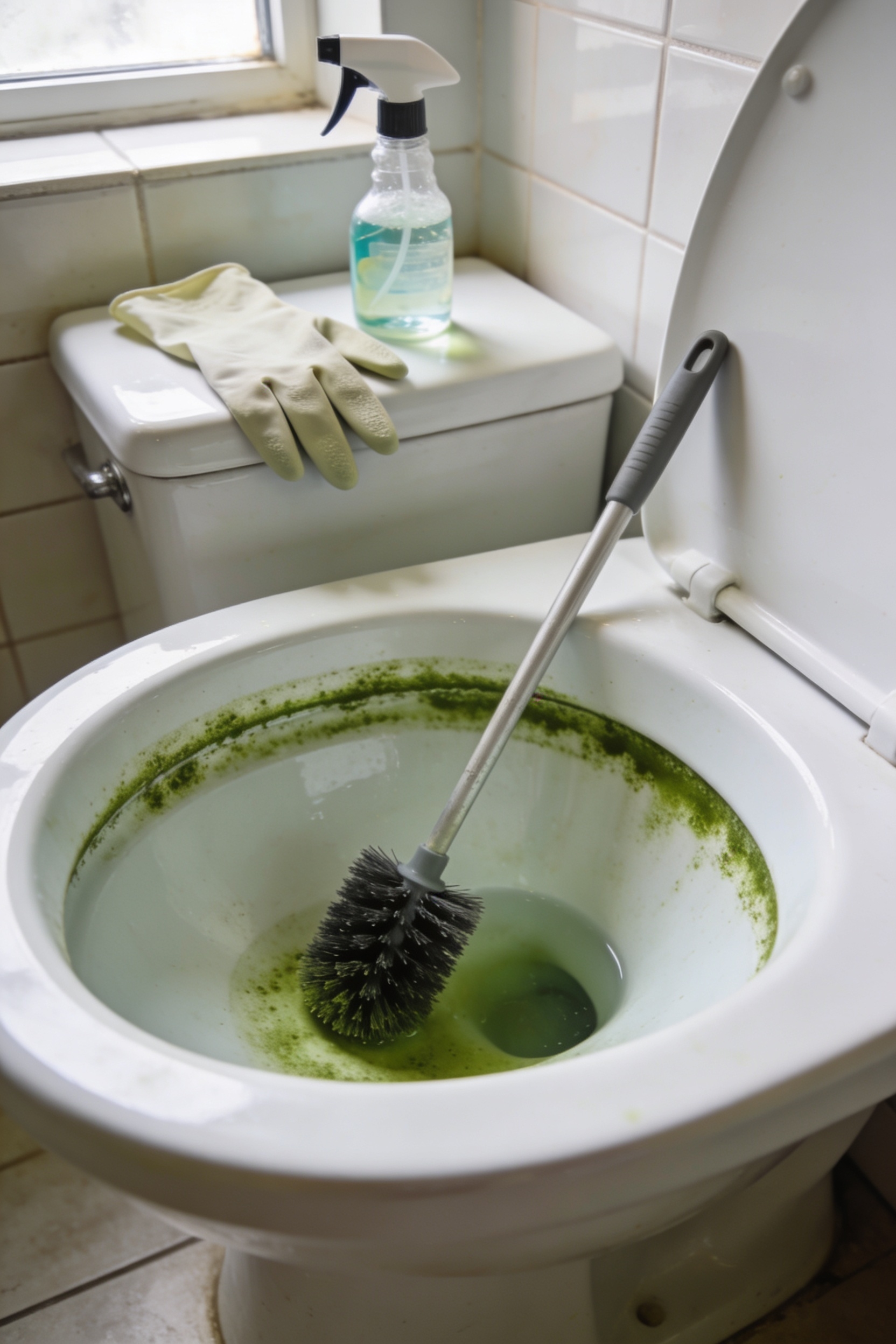
Why Green Mold Grows Inside Your Toilet Bowl

you’ve got stagnant water sitting in your bowl—basically a perfect breeding ground for mold spores that love moisture and warmth. Throw in poor bathroom ventilation, and you’re trapping humidity that feeds those colonies. The real culprit isn’t just the water itself, though; it’s that your bathroom can’t breathe properly. Green mold species like Cladosporium thrive in these conditions, especially under the rim where you can’t see them growing. Consistent cleaning and running your exhaust fan during and after showers makes a huge difference, but there’s more to stopping this cycle.
Key Takeaways
- Stagnant water in toilet bowls provides continuous moisture and warmth that mold species like Cladosporium require to thrive.
- Nutrient accumulation from skin cells, mineral deposits, and organic debris supplies essential food sources for mold colony establishment.
- Poor bathroom ventilation traps humidity and spores, accelerating mold colonization on toilet surfaces and waterlines.
- Sealed tank environments trap moisture, creating ideal conditions for internal mold growth away from disturbance.
- Incomplete cleaning that skips under-rim areas allows hidden spores to survive and regrow within days.
Why Does Stagnant Water Breed Green Mold?
You may be interested
3 Best Home Remedies For Tough Toilet Scale
July 23, 2026
3 Best Ways To Stop Toilet Bowl Rings
July 23, 2026
If you’ve ever lifted the toilet seat only to find that sickly green film staring back at you, well, you’re dealing with what I call the perfect storm of mold conditions, and honestly, it’s not complicated once you understand what’s actually happening down there. See, stagnant water in your bowl creates what’s basically a mold resort—a locked-down ecosystem where nothing’s moving, nothing’s fresh, and everything’s just sitting there decomposing. You’ve got nutrient accumulation from skin cells, mineral deposits, and organic debris just building up like rent-free squatters. Mold spores love this setup because they get moisture, warmth, and a literal buffet of food sources. That still water? It’s basically sending an engraved invitation to every green mold colony in your bathroom. Using septic-safe toilet cleaners with natural ingredients can help prevent mold growth while protecting the beneficial bacteria in your septic system.
How Poor Ventilation and Humidity Speed Growth
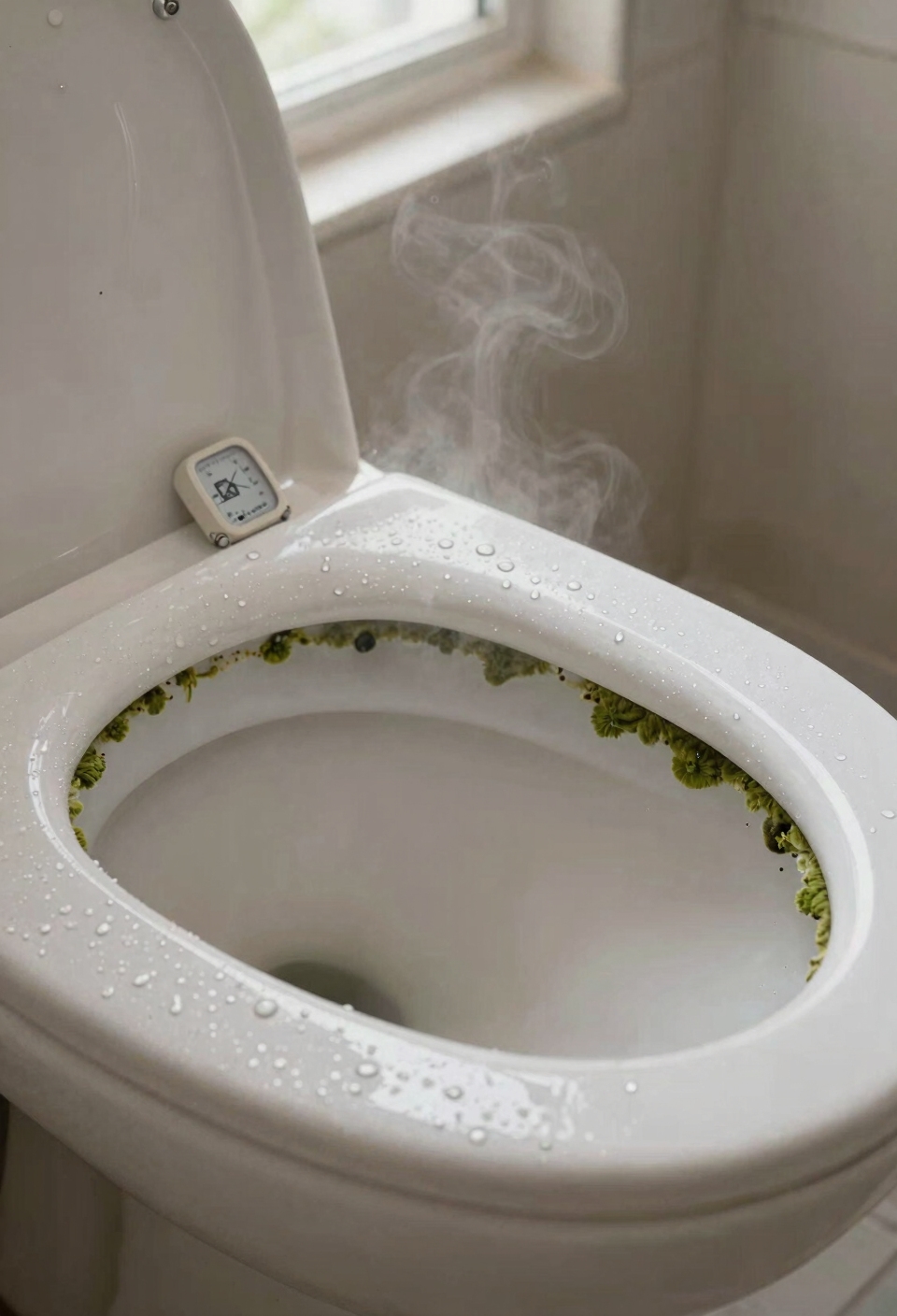
Now, here’s where things get really gnarly: stagnant water‘s only half the battle, because you could have the stillest bowl in the world and it’d stay relatively mold-free if your bathroom actually had decent airflow. Poor bathroom airflow traps moisture and spores, creating this perfect storm where humidity control fundamentally becomes impossible. I’m sure you’ve noticed—after a hot shower, your bathroom turns into a sauna, right? That steam doesn’t just vanish. It lingers, saturating every surface, and those mold spores? They absolutely love it. Without proper ventilation, your exhaust fan running or a window cracked open, you’re essentially creating a greenhouse for green mold growth. The warmer, wetter your bathroom stays, the faster colonies establish themselves. When moisture accumulates, it becomes increasingly difficult to maintain the septic system health that proper bathroom plumbing and drainage require, which can exacerbate mold problems in ways that extend beyond just the toilet bowl itself.
Recommended Products

Dimensions and Fit: Housing size 7.5 x 7.2 x 4 inches; Grille cover measures 9.4 x 8.6 inches; Includes 4-inch duct diameter for flexible installation; recommended ceiling cutout size 7.6 x 7.3 inches.

Dimensions and Fit: Housing size 9 x 9 x 5.7 inches; Grille cover measures 11.8 x 11.8 inches; Includes 4-inch duct diameter for flexible installation; recommended ceiling cutout size 9.4 x 9.4 inches.
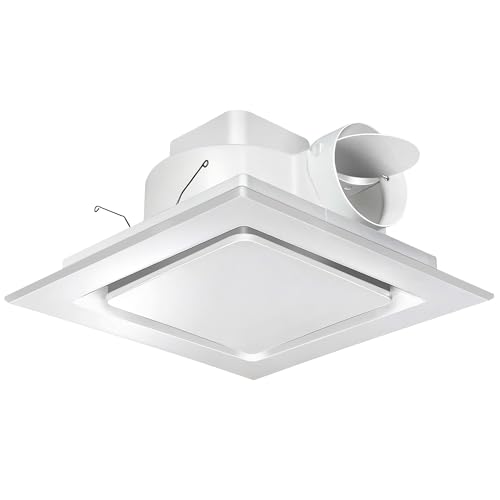
【Banish Bathroom Moisture & Odors for Good】Tired of foggy mirrors, musty smells, and damp walls? Whether you call it a bathroom exhaust fan, a bathroom vent fan, or even a fart fan for bathroom, our model quickly removes steam, humidity, and unpleasant odors—leaving your bathroom fresh, dry, and comfortable.
What Type of Mold Is Actually Growing in Your Toilet?
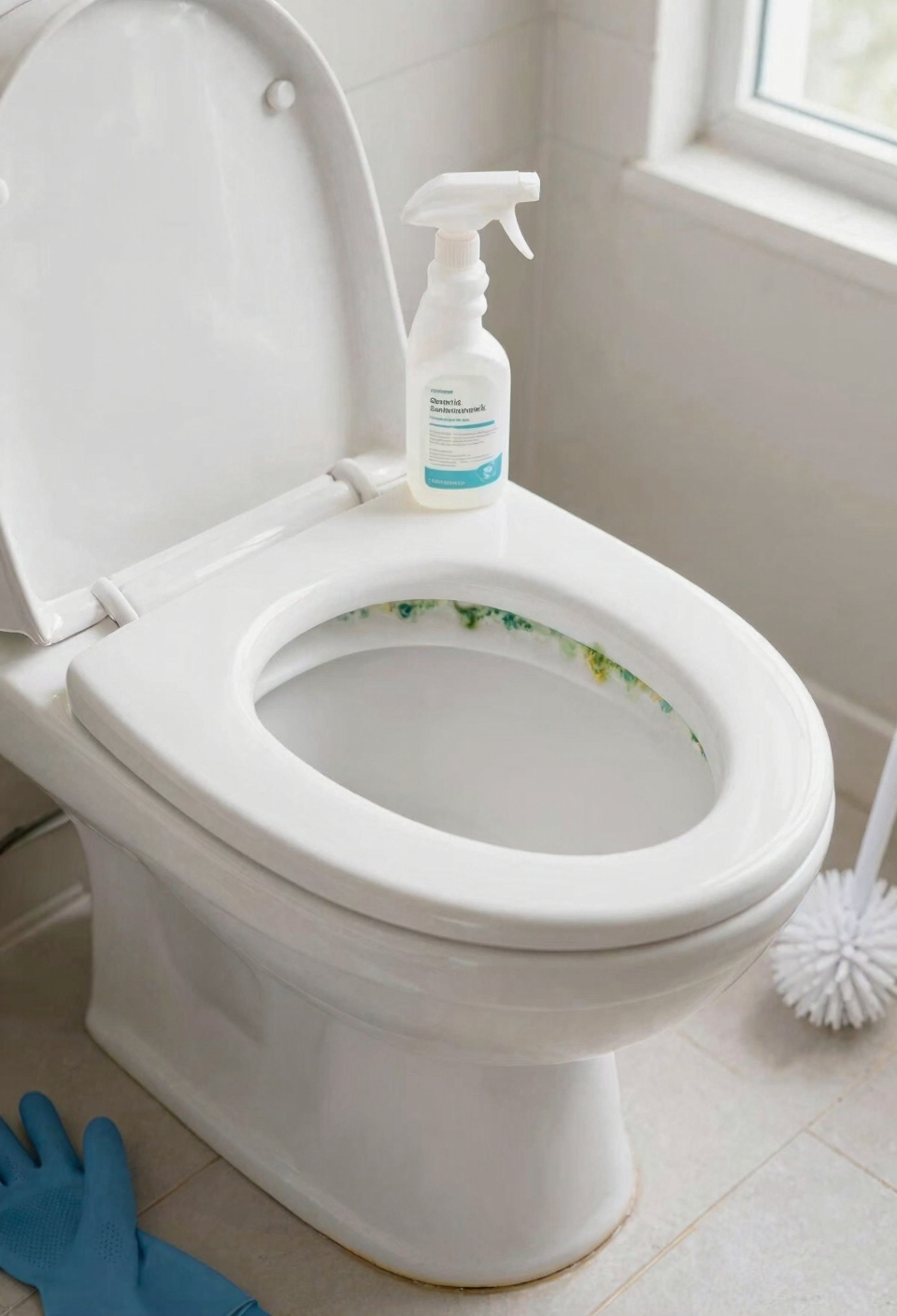
So what exactly is colonizing your toilet bowl—is it one specific villain or more of a mold lineup? Honestly, you’re probably dealing with multiple species hanging out together like unwanted roommates. I’m talking Cladosporium with its fuzzy green patches, Penicillium growing in powdery clusters, and Aspergillus forming velvety colonies. Species identification requires microscopy techniques most of us won’t bother with, but here’s what matters: they all thrive in your toilet’s moist environment and feed on organic debris. Some produce allergens, others are relatively harmless, and the truth is you don’t need to know exactly which strain you’ve got—you just need to kill it. For a non-toxic approach, consider plant-based cleaners with citric acid which can effectively eliminate mold while remaining safe for your household. Weekly bleach-based cleaners handle the job regardless of the specific mold type.
The Weekly Cleaning Routine That Stops Green Mold
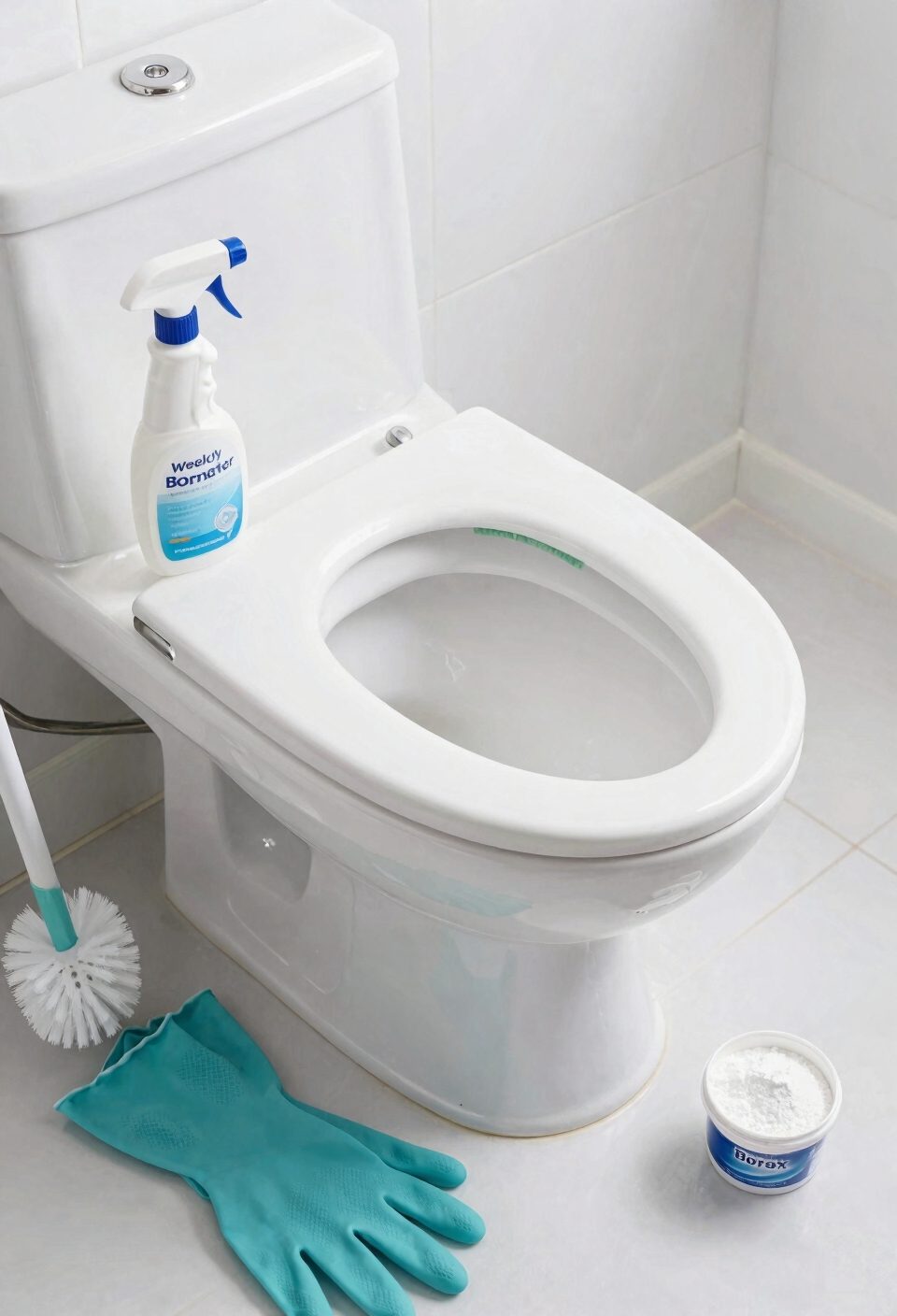
You’ve got to actually commit to a weekly routine, because mold doesn’t take vacations and neither should your cleaning schedule. I’m sure you’ve noticed that a quick swish with your toilet brush barely cuts it—you need real commitment here.
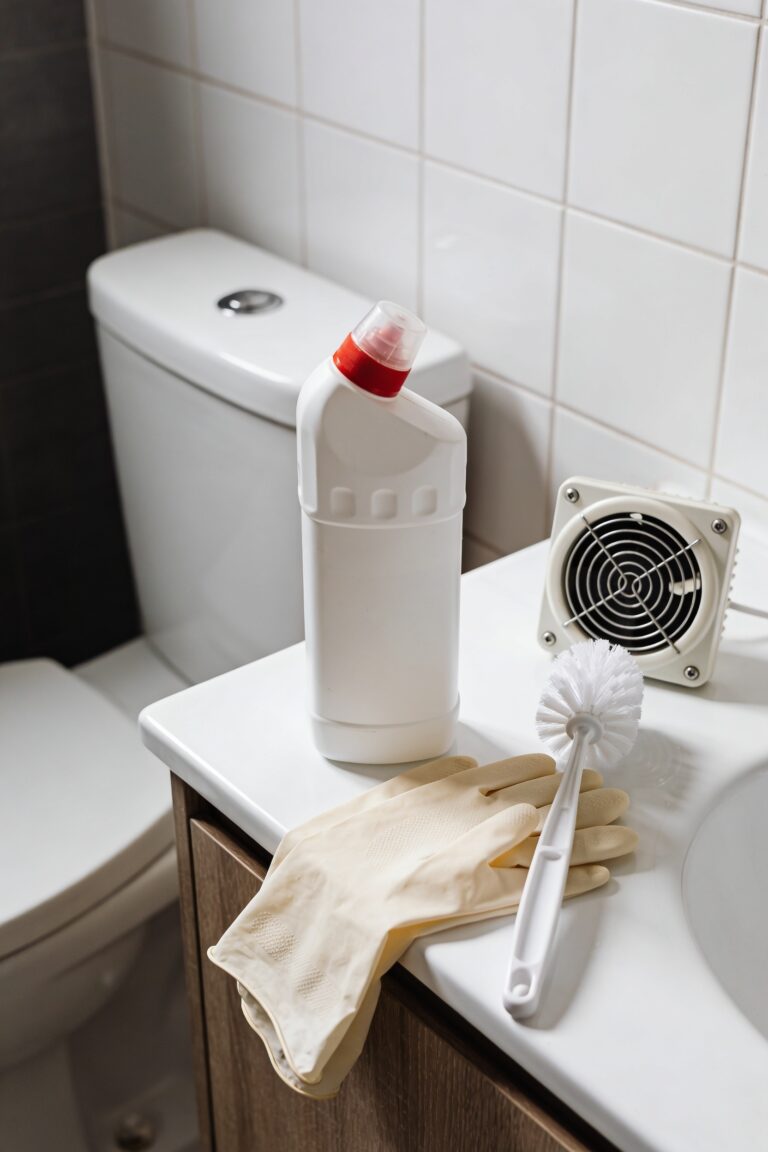
Start by flushing to clear waste, then apply six ounces of bleach-based cleaner under the rim where you always miss. Brush everywhere: the bowl sides, waterline, and especially that shadowy area beneath the rim. That’s where green mold loves to hide.
Now, for your scheduled deep clean each week, let the cleaner sit for a few minutes before scrubbing. The bleach does heavy lifting against those spores while you’re not looking. For best results, aim for the typical 5-15 minute contact time that allows the bleach formula to fully penetrate and eliminate mold spores. Honestly, this routine stops green mold dead because consistency beats heroic effort every single time.
Recommended Products

BLEACHING IS WHAT WE DO: Containing powerful bleaching ingredients, Vacplus toilet bowl cleaner tablets can efficiently remove stubborn stains such as urine dirt, limescale, and rust stains with every single flush. If you feel the smell of bleach every time, don't worry, it is the powerful cleaning ingredients functioning. Keeping your toilet bowl freshened is what Vacplus is doing!

CLEANS AND DISINFECTS: Use the only toilet bowl cleaning solution with Clorox bleach to kill 99.9% of germs (2) brighten and whiten your bowl and leave a refreshing Ocean Mist scent

HOW DO I GET RID OF TOUGH TOILET RINGS? This heavy-duty bleach-free gel eliminates hard water, lime, and rust stains - removes up to 2X more mineral buildup vs. Clorox Bleach Toilet Bowl Stain Remover for a ring-free bowl
Fix Ventilation and Moisture Long-Term
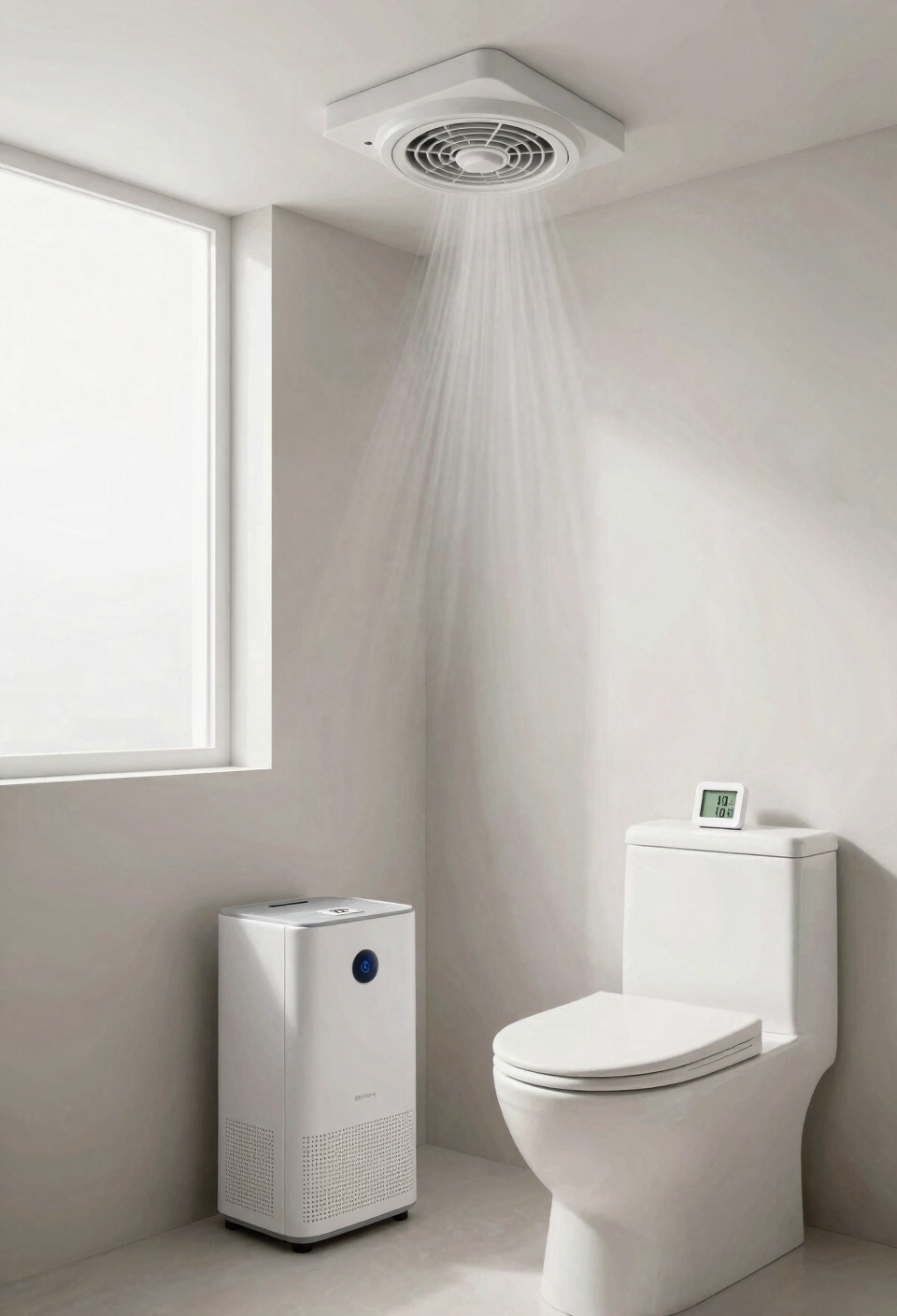
Weekly cleaning is great and all, but here’s the thing: you’re basically playing defense if moisture keeps building up in your bathroom. I’m sure you’ve noticed how steam from showers just hangs around, creating the perfect breeding ground for mold spores. You’ve gotta address the root cause—moisture itself.
Start with ventilation upgrades. If your bathroom fan’s ancient or nonexistent, swap it out for something that actually moves air. Run it during and after showers, maybe thirty minutes after you’re done. Install moisture barriers like exhaust ducts that vent outside, not into your attic like some setups I’ve seen. Crack a window if weather permits. Your toilet tank especially needs airflow since that sealed environment traps humidity like nobody’s business. Consider installing a thermal overload protection system in upflush toilet setups, as these units generate additional heat and moisture during operation that can compound mold growth if ventilation is inadequate. These changes aren’t flashy, but they’re genuinely transformative.
Recommended Products

【Bathroom Fan with Light】:Our Fitop bathroom exhaust fan with light silently removes moisture and humidity from your bathroom to help control air quality.With a volume of 1sones and an airflow of 110CFM, the exhaust fan is powerful enough for rooms up to 110 square feet. The bright 1200LM LED light will illuminate the entire bathroom.

Dimensions and Fit: Housing size 7.5 x 7.2 x 4 inches; Grille cover measures 9.4 x 8.6 inches; Includes 4-inch duct diameter for flexible installation; recommended ceiling cutout size 7.6 x 7.3 inches.

𝗣𝗼𝘄𝗲𝗿𝗳𝘂𝗹 𝟭𝟭𝟬 𝗖𝗙𝗠 𝗩𝗲𝗻𝘁𝗶𝗹𝗮𝘁𝗶𝗼𝗻: This bathroom exhaust fan delivers 110 CFM strong airflow with 4” duct to quickly remove moisture, smoke, dust, and odors, keeping your space fresh and clean. Ideal for use in bathrooms, kitchens, and laundry rooms.
Why Green Mold Matters for Your Health
Ignoring green mold in your toilet isn’t like ignoring a stain on your shirt—this stuff actually matters for your body. When you’re exposed to those spores regularly, your immune response kicks into overdrive trying to fight them off, which honestly exhausts your system over time. I’m sure you’ve noticed how some people start wheezing around moldy bathrooms—that’s respiratory irritation happening in real time. The thing is, these mold colonies release mycotoxins that hang around in your air quality, and if you’ve got allergies or asthma, you’re basically inviting trouble. Your lungs don’t appreciate constant spore exposure, and neither does your ability to breathe easy. Cleaning with solid bleach-based cleaners regularly prevents this whole cascade from starting. For tough mold removal, bleach-free formulas like Lysol offer 99.9% bacteria and virus elimination without harsh fumes, making them safer for regular bathroom maintenance.
How to Spot Mold Growth Before It Spreads
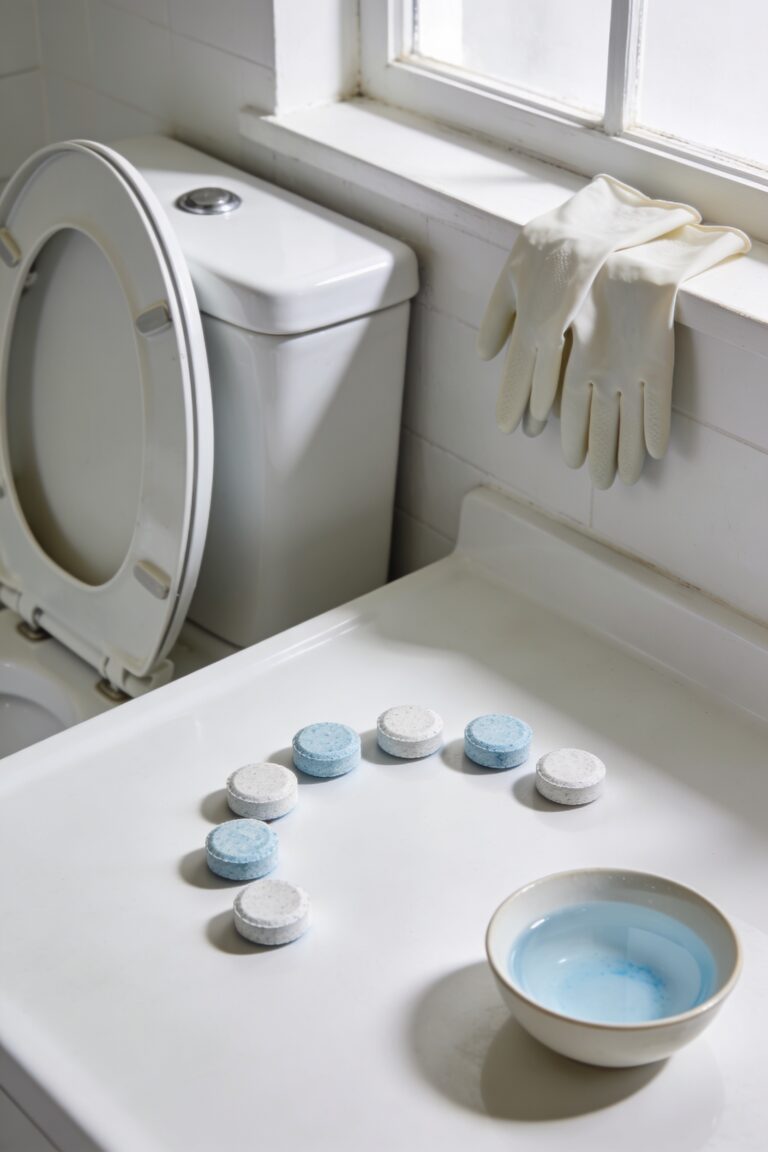
Catching green mold before it takes over your toilet requires paying attention to the subtle stuff that most people miss until it’s basically everywhere. I’m sure you’ve noticed slight nipple discoloration on the bowl’s interior—that’s often your first warning sign. Look for minute fuzzy patches forming under the rim where your cleaner never quite reaches, and check the waterline for any greenish tint that shouldn’t be there. The tank’s another sneaky spot; lift that lid occasionally and peek inside. You’re hunting for early growth before it spreads throughout your bathroom’s grout lines and fixtures. Continuous cleaners like tablet-based refills can help prevent mold growth by regularly treating the bowl with each flush. Honestly, the trick’s catching it at that fuzzy stage when bleach-based cleaners still demolish it easily, rather than waiting until you’ve got a full infestation situation brewing in there.
Common Mistakes That Keep Your Toilet Moldy
Now, spotting that fuzzy green stuff early is great and all, but here’s where most people fumble the ball—they keep doing the exact same things that let the mold move back in within a week. I mean, you’re skipping_cleaner applications because you think one scrub solved it, or you’re half-heartedly dragging that using_toiletbrush around without actually targeting under the rim where spores hide. The real culprit? You’re not addressing the moisture problem. You’ll clean like crazy, feel accomplished, then ignore your bathroom ventilation. That fan stays off, humidity climbs, and boom—mold’s back three days later. When switching between products, avoid mixing cleaners with bleach or other chemical cleaners due to the risk of toxic fumes. You’ve got to clean consistently AND dry out the space, or you’re basically inviting the stuff to set up permanent residency.
Recommended Products

Quickly Removes Rust, Dissolves Organic Stains And Cleans Hard Water Residue

EFFECTIVELY DESALE: Vacplus 6-pack toilet tank cleaners are specifically formulated to effectively descale your toilet tank, removing stubborn mineral deposits and limescale buildup. They help restore the proper flow of water and prevent clogs, ensuring optimal toilet performance.

Helps Cleans & Freshen automatically with every flush
When to Call a Professional for Mold Problems
While I’ll be honest, most green mold in your toilet is something you can handle yourself with the right approach, there comes a point where you’re better off calling in someone who actually knows what they’re doing. If you’re seeing mold spreading beyond your toilet—creeping up walls, colonizing your ceiling, or showing up in multiple bathrooms—that’s your signal to get professional mold remediation involved. Air testing can reveal whether you’ve got a serious spore problem lurking in your home’s ventilation system. You should also call a pro if you’ve got underlying moisture issues that keep returning the mold no matter how much bleach you throw at it. Sometimes what looks like a toilet problem is actually your home telling you something bigger’s wrong. Persistent moisture problems may indicate the need for odor control systems or improved ventilation to prevent recurring mold growth.
Recommended Products

The Kayenqo Mold Test Kit contains 12 test plates, detailed mold guide and mold removal instructions, 12 swabs, label sheets and test gloves, complete kit for easy mold testing at home without needing to prepare anything else

【𝗪𝗵𝘆 𝗖𝗵𝗼𝗼𝘀𝗲 𝗢𝘂𝗿 𝗠𝗼𝗹𝗱 𝗧𝗲𝘀𝘁 𝗞𝗶𝘁】The rapid proliferation of mold can lead to respiratory issues for many individuals. Our At home mold test kit allows for quick and easy detection of potential mold areas in your house. Once the mold type is identified, you can promptly clear it and maintain a healthy, mold-free living space.

【Why Choose Our Mold Test Kit】The crazy growth of mold causes respiratory diseases in many people. Our at home mold test kit can easily and quickly detect areas of your home where mold may be present. After identify the type of mold, clear it quickly and maintain a mold-free & healthy living environment.
Frequently Asked Questions
Can Green Mold in My Toilet Spread to Other Parts of My Home?
Yes, green mold can spread to other parts of your home through airborne transfer of spores and surface colonization in moist areas. I’d recommend improving ventilation and addressing humidity to prevent further growth elsewhere.
Is It Safe to Use Bleach-Based Cleaners if I Have Septic Systems?
I’d recommend avoiding bleach-based cleaners if you’ve got a septic system—they’ll kill beneficial bacteria. Instead, I’d try septic-safe product alternatives like enzyme cleaners that maintain system compatibility while still tackling that green mold.
How Long Does It Take for Mold Spores to Germinate in Standing Water?
I’ll tell you it’s quick—faster than you’d think. Mold spores germinate in just 24-48 hours when water stagnation occurs. Your toilet’s standing water creates the perfect breeding ground; spore germination happens remarkably fast in these conditions.
Will a Toilet Seat Cover Prevent Green Mold From Forming Underneath?
I’d say plastic covers won’t prevent green mold effectively. They create ventilation gaps that trap moisture underneath, actually worsening conditions. You’ll still need regular cleaning and proper bathroom airflow to stop mold growth.
Can Hard Water Mineral Deposits Accelerate Green Mold Growth in Toilets?
Yes, hard water mineral deposits absolutely accelerate green mold growth. I’ve found that mineral scaling creates organic food sources mold thrives on. Using ion exchange water softeners reduces these deposits, markedly slowing mold development in your toilet.
Conclusion
Look, I’m not gonna sugarcoat it—that delicate green bloom in your porcelain throne is basically your toilet’s way of waving a red flag. You’ve got stagnant water, humidity, and poor airflow throwing a party down there, and honestly, it’s pretty straightforward to crash it. Weekly scrubbing, better ventilation, and keeping moisture under control? That’s your ticket to a respectable bathroom situation. Your family’s health depends on it.