As an Amazon Associate, we earn from qualifying purchases. Some links on this site are affiliate links at no extra cost to you. Our recommendations are based on thorough research and editorial judgment.

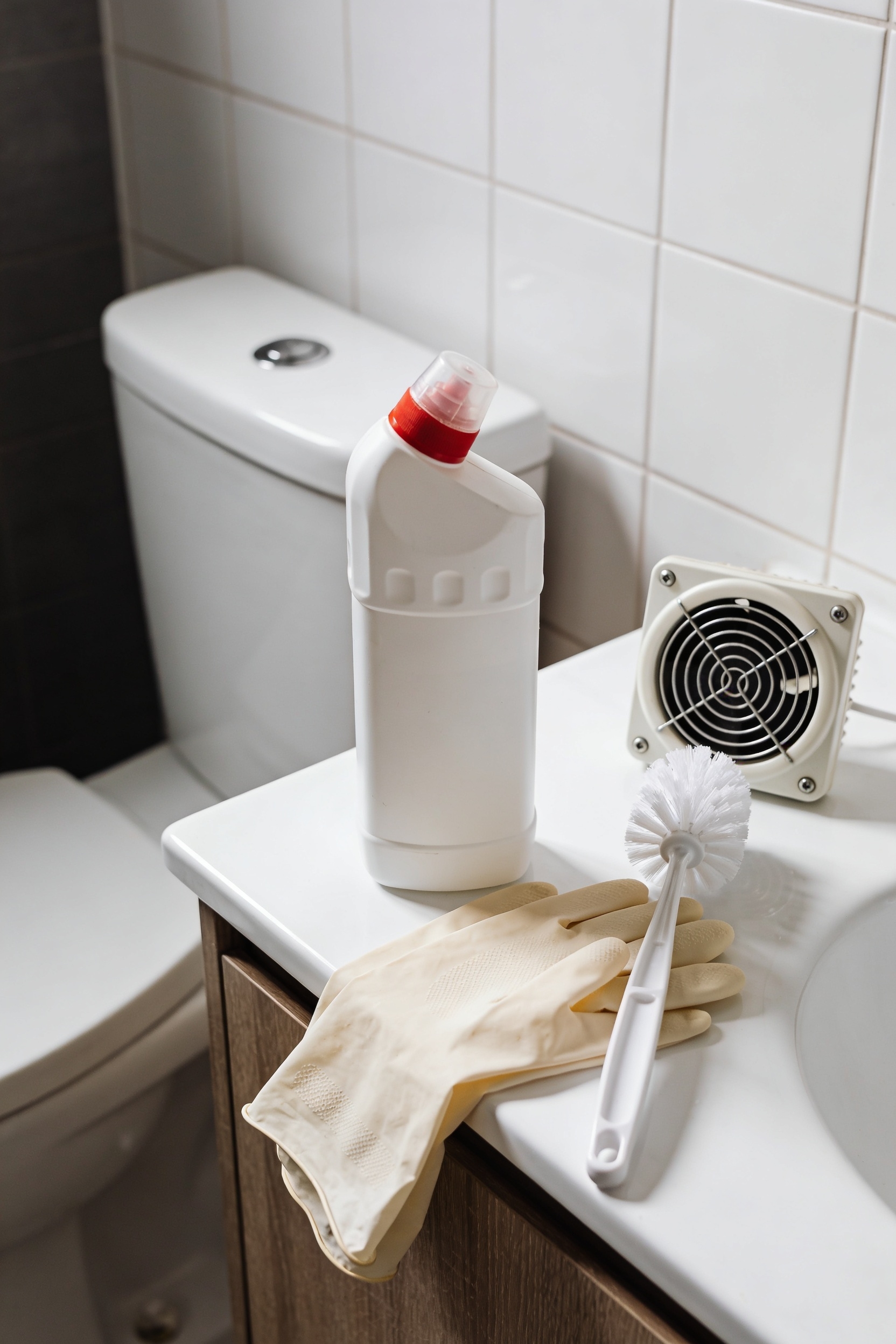
Safe Handling Guide: Toilet Bowl Chemical Cleaners

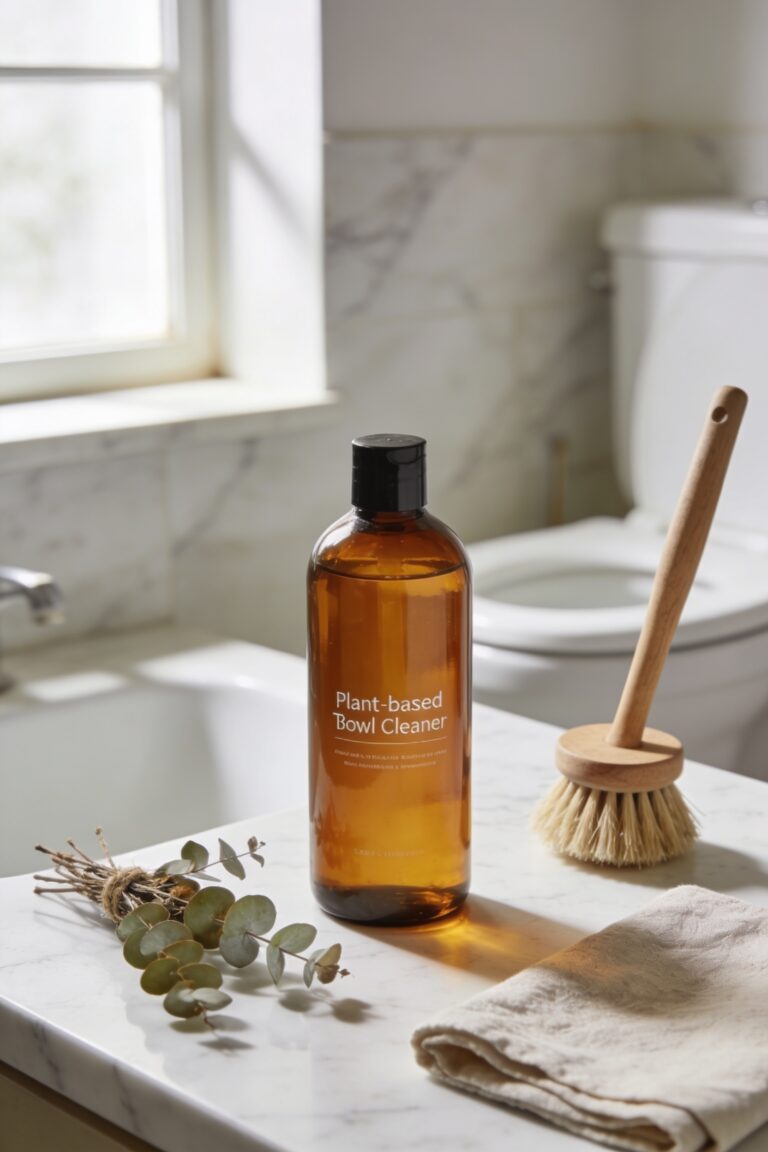
Look, most store-bought toilet cleaners pack hydrochloric acid or chlorine bleach—stuff that’ll corrode your pipes, nuke your septic system’s beneficial bacteria, or create toxic fumes if you’re not careful mixing them. I’m sure you’ve noticed the ingredient lists are vague too, hiding nasty synthetics behind words like “fragrance.” The good news? You don’t need that chemical arsenal. Citric acid and lactic acid clean just as well without the collateral damage, and checking for “septic-safe” labels before you buy actually matters. Stick around if you want the specifics on what actually works.
Key Takeaways
- Never mix chlorine bleach with ammonia or ammonia-based cleaners, as this produces toxic chloramine gases and serious respiratory hazards.
- Check ingredient lists for hydrochloric acid concentration; high concentrations (10%–23%) corrode pipes and harm septic system bacteria.
- Aim spray nozzle beneath the rim and let cleaner sit 5–10 minutes before scrubbing with a 45-degree angle brush.
- Choose products certified by EWG or EPA Safer Choice and explicitly labeled septic-safe to protect beneficial tank bacteria.
- Verify all tablet or drop-in cleaners are septic-safe before use, as continuous-action formulas can disrupt septic systems if unsuitable.
What Hazardous Cleaners Do to Your Plumbing and Septic System
You may be interested
10 Best Automatic Bowl Freshening Products Reviewed
July 27, 2026
Look, I’m sure you’ve noticed that most toilet bowl cleaners come with warnings that basically translate to “this stuff will wreck your day,” and honestly, they’re not exaggerating—they’re just also not telling you the half of it when it comes to what happens after you flush. Hydrochloric acid doesn’t just clean; it causes serious pipe corrosion and degrades rubber components, leaving you with leaks you didn’t budget for. Now, if you’ve got a septic system, you’re dealing with something worse. Those harsh chemicals create bacterial disruption that literally kills off the good microbes doing the heavy lifting in your tank. I mean, you’re basically nuking your system’s immune system. Chlorine bleach mixed with anything ammonia-based? That’s toxic chloramines. Not worth the sparkle. Instead, consider using septic-safe cleaners like those made with plant-derived ingredients and biodegradable components to maintain your system’s natural bacterial balance while still keeping your toilet clean.
Dangerous Ingredients Lurking in Conventional Toilet Cleaners
Now that you know what those chemicals do once they’re in your pipes and septic tank, it’s worth understanding exactly what you’re pouring into your toilet in the first place. I’m sure you’ve noticed those conventional cleaners smell almost artificially fresh—that’s hidden fragrances masking undisclosed chemicals you’re not seeing on the label. Hydrochloric acid tops my list of offenders; it’s brutally corrosive and wrecks rubber components while destroying beneficial bacteria. Then there’s chlorine bleach, which creates respiratory hazards when mixed with ammonia—a genuinely dangerous combination. Synthetic compounds like quaternary amines and methylisothiazolinone sound harmless until you realize they’re accumulating in water systems. The acid concentration levels in commercial HCl cleaners can range from 10% to 23%, with stronger formulations posing greater risks to both your plumbing and septic systems. Look, the marketing’s slick, but these ingredients aren’t secretly protecting your family. They’re working against your plumbing and your septic system‘s health.
How to Identify Septic-Safe Formulas
If you’re serious about protecting your septic system, you’ve got to know what to look for on those labels—and honestly, it’s not as complicated as the cleaning industry wants you to believe. First, demand ingredient transparency. Brands worth trusting spell everything out in plain language, not vague marketing speak. Look for septic indicators like citric acid or lactic acid instead of hydrochloric acid, which nukes your tank’s beneficial bacteria. Check if they’re 100% biodegradable—that’s non-negotiable. Natural surfactants from soap bark beat synthetic compounds every time. Products labeled as septic-safe have been specifically formulated to protect the natural bacteria colonies that keep your system functioning properly. I mean, if a product won’t disclose its full formula, that’s your red flag right there. Companies confident in their safety standards actually want you reading what’s inside.
Recommended Products

Seventh Generation toilet bowl cleaner plant-based formula fights tough stains
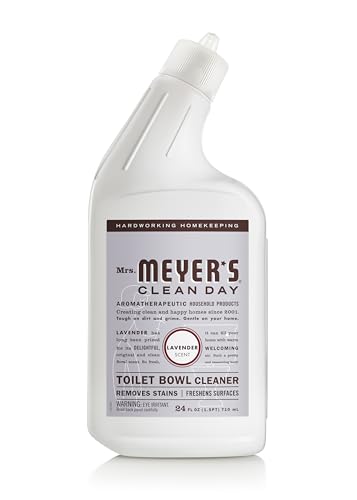
Effective and powerful toilet cleaner formula freshens and removes stains

DEEP CLEAN + CONTINUOUS PROTECTION: Our toilet bowl clenaer bottle activates bio-enzymes to dissolve stubborn stains, mineral build-up, and organic grime — then probiotics work continuously after each flush to prevent new stains and odors.
Tablets vs. Liquids vs. Natural Alternatives: What to Choose
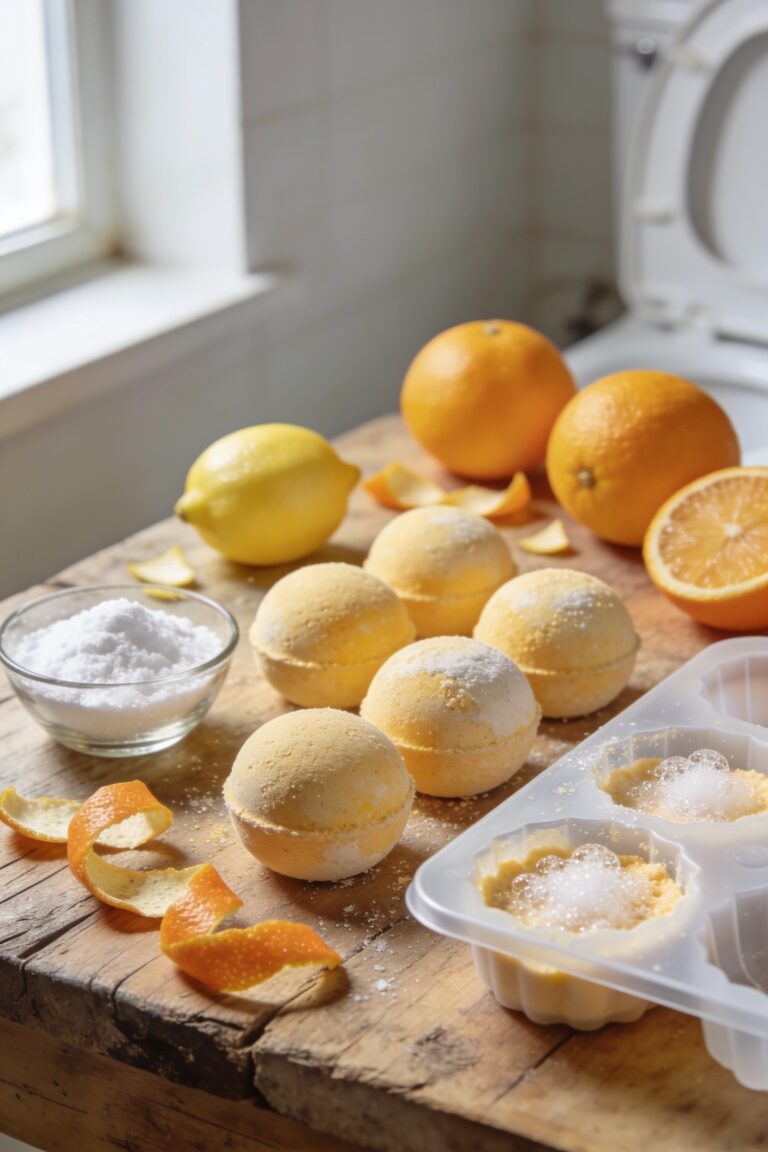
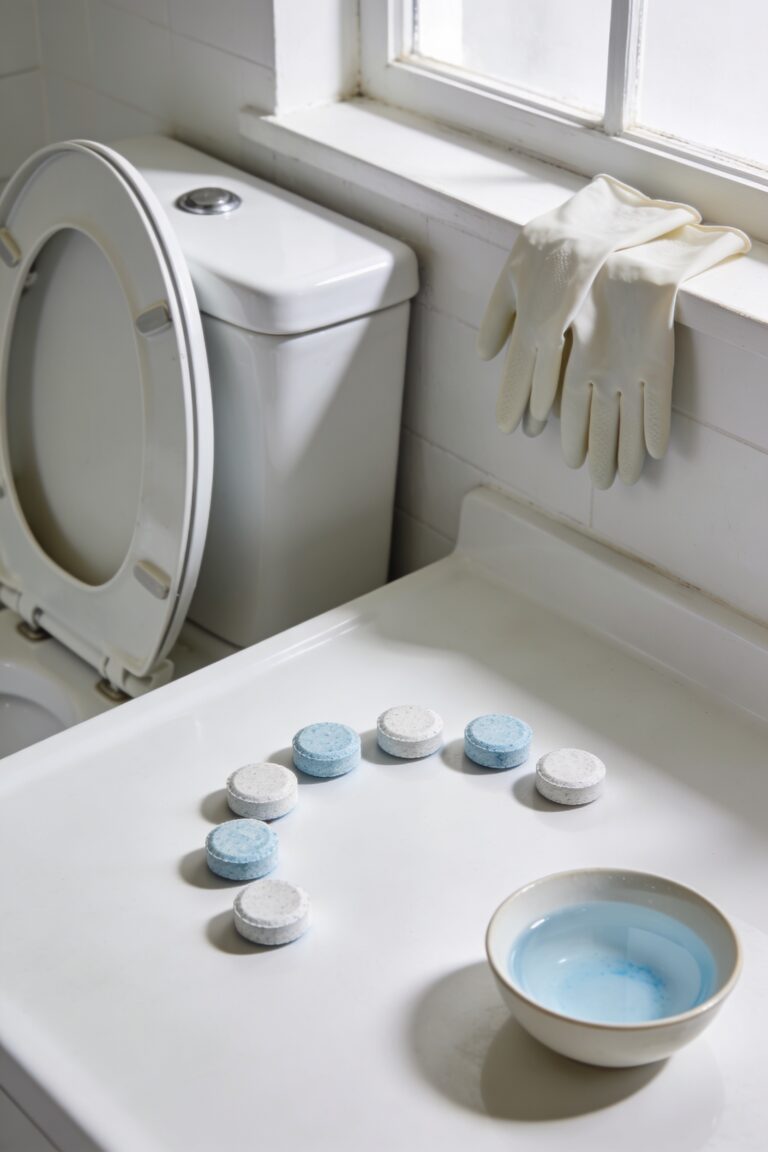
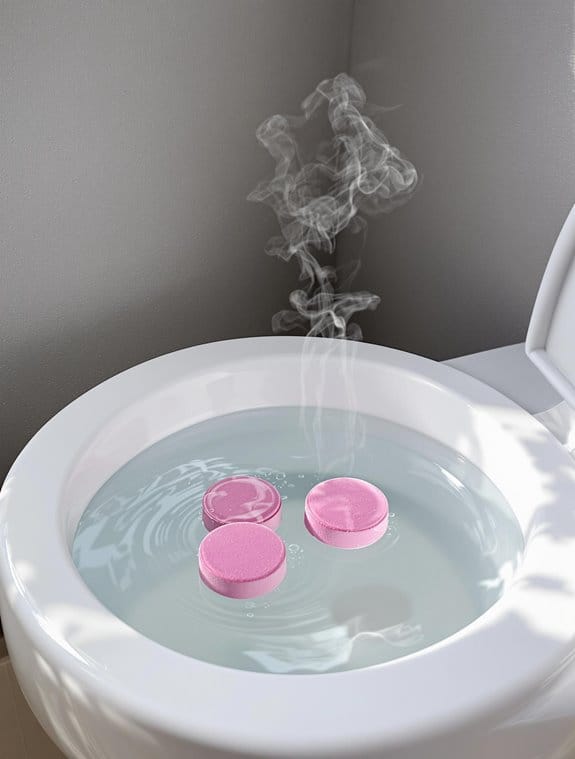
Once you’ve figured out what ingredients actually belong in your toilet bowl cleaner, you’re ready to pick the format that works best for your life—and I’ll be honest, it’s more of a practical decision than a moral one. Tablets offer genuine convenience; they’re mess-free, compact, and their tablet longevity means they won’t leak all over your cabinet. Liquids give you precision application under the rim, though you’re dealing with potential drips. Natural alternatives—think citric acid pastes you mix yourself—let you customize scent with cedarwood oil or essential oils instead of whatever synthetic fragrance a brand decided you’d tolerate. I mean, tablets dissolve in minutes, liquids work instantly, and DIY stuff costs practically nothing. If you have a septic system, however, make sure any tablet you choose is septic-safe to avoid disrupting the bacterial balance that keeps your system functioning properly. Pick what actually fits your bathroom routine, not what sounds most virtuous.
Recommended Products

EFFECTIVE IN CLEANING - Effectively help you clean the tank, water pipe and other parts of the toilet.

Powerful Automatic Cleaning: With Every Flush, Active Bright Blue Toilet Bowl Tablets are working hard to remove stains & odors from your toilet bowl. Each Auto Slow-Release tab works to Refresh & Clean the whole toilet system, use as toilet tank cleaner tablets, toilet cleaner tablets, toilet cleaners for inside the bowl, even internal water pipe and drain

PLASTIC-FREE, ECO-FRIENDLY TOILET CLEANER TABLETS. Cleaning your toilet has never been easier—just drop, brush, flush! The first ever 100% plastic-free and zero waste Toilet Bowl Cleaner Tablets—made without harsh chemicals, harmful ingredients or plastic packaging. Our septic-safe, eco-friendly toilet cleaner tablets power through a range of tough toilet stains, including limescale, mineral deposits, hard water, and rust.
How to Apply Toilet Cleaner for Best Results
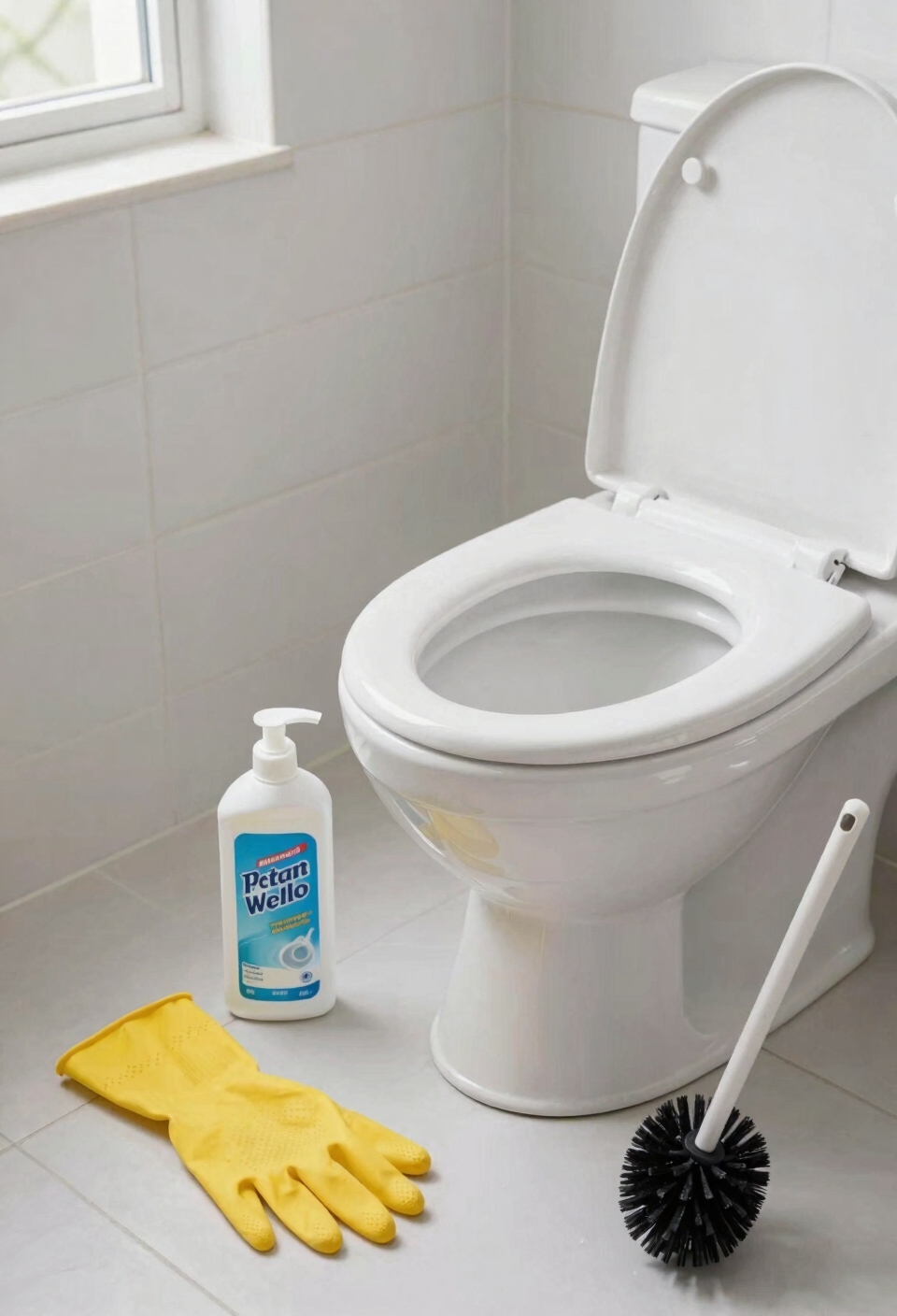
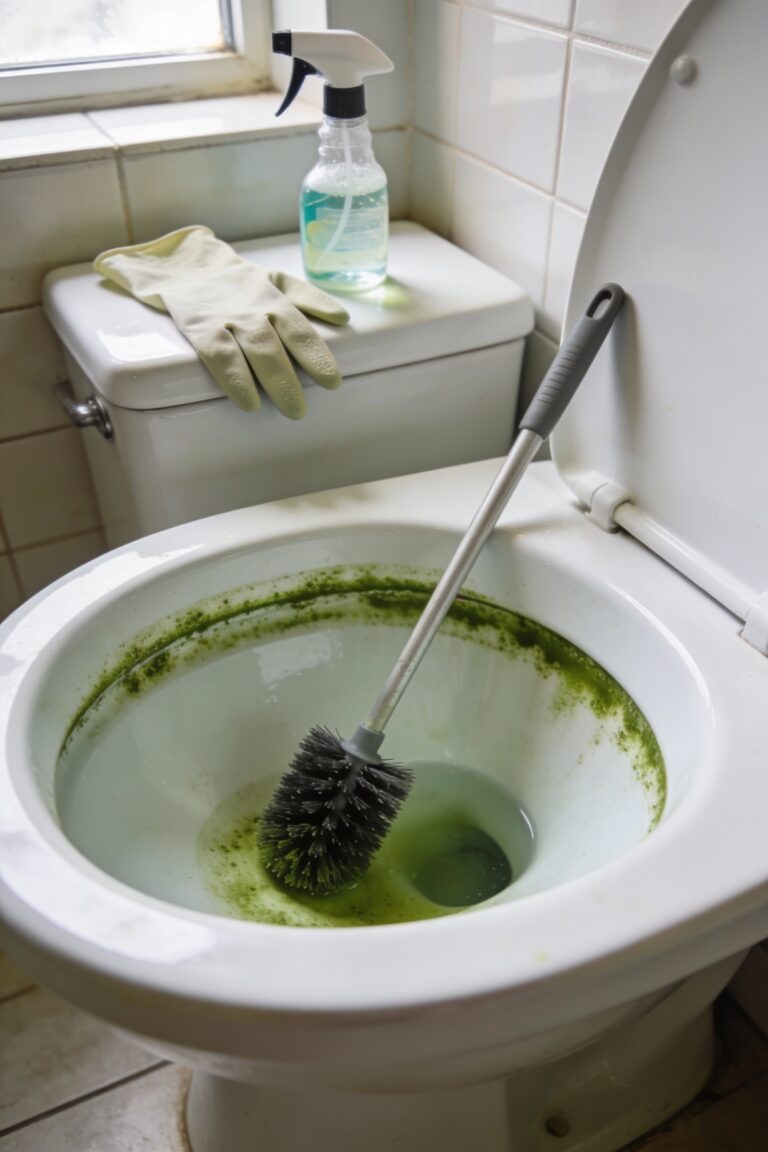
Under the rim is where the magic happens, and I’m sure you’ve noticed that’s also where most people completely miss the mark. You want that spray pattern to coat the entire bowl surface, not just splash randomly like you’re watering a plant. I’d aim the nozzle at a slight angle beneath the rim, letting gravity pull the cleaner down naturally. Your brush angle matters too—keep it at roughly 45 degrees when you scrub, which gives you actual leverage without gouging the porcelain. Let the cleaner sit five to ten minutes before scrubbing; I know it’s tempting to attack immediately, but patience pays off with stubborn stains. Work systematically around the bowl, don’t just hack at one spot repeatedly. For best results with thick clinging gels, apply the product to the bowl surface and allow it to adhere for the recommended contact time before scrubbing to maximize effectiveness against stains and limescale.
Recommended Products

Package Includes: 2pcs push rod, 6pcs gel tube(1pcs lemon, 1pcs gardenia, 1pcs lavender, 1pcs ocean, 1pcs cherry blossom, 1pcs rose),12 stamps in each tube, 72 stamps in all

CLEANS AND DISINFECTS: Use the only toilet bowl cleaning solution with Clorox bleach to kill 99.9% of germs (2) brighten and whiten your bowl and leave a refreshing Ocean Mist scent

HOW DO I GET RID OF TOUGH TOILET RINGS? This heavy-duty bleach-free gel eliminates hard water, lime, and rust stains - removes up to 2X more mineral buildup vs. Clorox Bleach Toilet Bowl Stain Remover for a ring-free bowl
How Often to Clean and Why Frequency Matters
Now that you’ve got your technique locked in, you’ve probably got the question bouncing around in your head: how often do I actually need to do this?
Here’s the thing: every two weeks is your baseline. But I’m not totally sure that’s universal. Your actual frequency depends on your toilet, water conditions, and how many people are using it. Hard water? You’ll probably need to clean more often. Heavy usage? Same deal. You’re basically fighting bathroom odor and surface bacteria buildup, which accelerates depending on your specific situation. I mean, if you’ve got a household of five and questionable water quality, you might need weekly cleanings. But if you’re solo with decent plumbing, biweekly probably keeps things respectable. For households looking to reduce cleaning frequency, continuous-action cleaners can help maintain freshness between manual scrubs by releasing active ingredients with every flush.
Storing Your Toilet Cleaner Safely
Between the nasty chemicals in most toilet cleaners and the kids wandering around looking for snacks, you’d think storage would be more straightforward than it actually is—but here’s where a lot of people get sloppy, and frankly, I’ve done it myself. You need childproof storage, period. That means a cabinet with a latch or a shelf they can’t reach, not just shoved under the sink where curious hands find it.
Now, here’s the thing most people miss: UV degradation. You know how sunlight fades your deck? Same thing happens to your cleaner. Keep bottles away from windows and bright bathroom lighting. Dark, cool cabinets work best. Obviously store cleaners separately from food and medications—seems obvious until you’re rushing around at six in the morning. Airtight containers matter too, especially for DIY tablet formulas using baking soda and citric acid. Air degrades them fast. For citric acid-based formulas like those found in eco-friendly products, proper storage conditions are particularly important since these natural cleaners are more susceptible to degradation over time.
How to Read Safe Toilet Cleaner Labels
When you’re standing in the cleaning aisle squinting at a label with fifteen ingredients listed in typeface so small it requires actual detective work, you’re experiencing what I call the “chemical roulette” moment—and honestly, most people just grab whatever’s on sale and move on. I mean, don’t do that.
Here’s the thing about label hierarchy: manufacturers list ingredients by concentration, so if hydrochloric acid appears early, you’ve got problems—especially with septic systems. Look for ingredient transparency instead. Brands worth your money spell everything out in plain language rather than hiding behind vague terms like “fragrance.”
Check for certifications from EWG or EPA’s Safer Choice list. These actually mean something. You want citric acid or lactic acid doing the heavy lifting, not corrosive chemicals masquerading as miracle workers. If you’re using a strong acid-based cleaner like one containing 10% hydrochloric acid, verify it’s explicitly labeled as septic-safe before purchasing.
Recommended Products
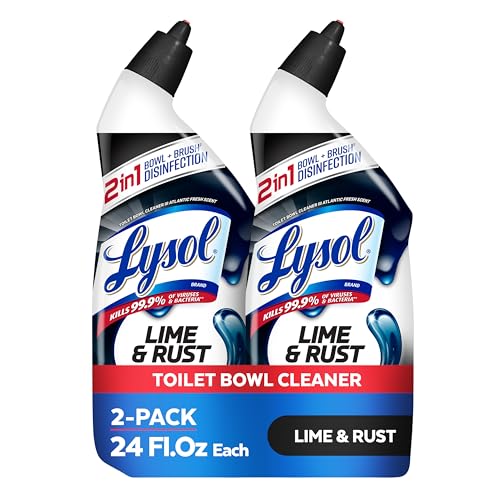
POWERFUL TOILET BOWL CLEANER FOR LIME & RUST: Breaks down tough lime, rust, toilet rings, minerals, and hard-water stains—ideal for deep toilet cleaning with less scrubbing.

Effective and powerful toilet cleaner formula freshens and removes stains

BLEACH FREE TOILET BOWL CLEANER WITH OXI ACTION: Lysol OXI Action Toilet Bowl Cleaner cleans with the power of hydrogen peroxide and 0% bleach*, releasing micro-bubbles that dissolve tough lime scale and rust stains.
Your Weekly Toilet Cleaning Routine
Most people I know clean their toilets on some vague schedule that amounts to “when it gets bad enough that guests might notice,” which—let me be honest—isn’t actually a schedule at all. I’m sure you’ve noticed that inconsistency breeds problems: stubborn stains compound, odor control becomes impossible, and you’re stuck scrubbing twice as hard later.
Here’s what actually works: every two weeks, grab your preferred cleaner—whether that’s a citric acid tablet or liquid formula—and let it sit five to ten minutes before scrubbing. This rhythm prevents stain prevention failures while keeping bacterial buildup minimal. For households with septic systems, choose septic-safe formulas to protect beneficial bacteria and avoid costly repairs. You’ll spend less time wrestling with porcelain, your toilet stays fresher, and you avoid that panicked pre-guest cleaning sprint. Consistency beats intensity every single time.
Recommended Products

TOILET BOWL CLEANER: Lysol Toilet Bowl Cleaner is a bathroom essential tested and proven to kill 99.9% of household bacteria and viruses without the harshness of bleach. The fast-action toilet cleaner removes stains in seconds, and disinfects the bowl.

Cleans toilet bowls by removing stains, buildup, and everyday residue with an enzyme-powered formula.

REMOVE TOILET BOWL STAINS: Green Gobbler Foaming Toilet Bowl Cleaner rises to the occasion to eliminate stains caused by organic matter, hard water, & mineral build up, while leaving behind a fresh lime scent and microscopic enzymes that keep on cleaning.
Frequently Asked Questions
Can I Mix Different Toilet Bowl Cleaners Together for Better Results?
I’d strongly advise against mixing different toilet bowl cleaners. Chemical incompatibility can create toxic fumes—especially dangerous with bleach. You’ll need excellent ventilation, but one product alone works effectively without risks.
What Should I Do if I Accidentally Ingest or Inhale Toilet Cleaner Fumes?
I’ll tell you straight: many believe fumes are harmless, but they’re not. You need immediate medical attention and fresh air ventilation. Call Poison Control, move outside, and seek emergency care if symptoms worsen—don’t wait.
Are Dissolvable Tablets Safe for Older Plumbing Systems With Corroded Pipes?
I’d recommend caution with dissolvable tablets on corroded pipes because they can accelerate continuous degradation. I’d suggest using gentler citric acid formulas instead, as they won’t trigger harmful sealant interaction problems.
How Do I Dispose of Leftover Toilet Cleaner Properly and Responsibly?
I’d rather wrestle a alligator than dump chemicals down the drain. Contact your local hazardous waste facility or community collection event to dispose of leftover toilet cleaner safely and responsibly.
Which Certifications Guarantee a Toilet Cleaner Is Truly Safe and Effective?
I’d look for EPA Safer Choice certification and Green Labeling seals, which guarantee you’re getting products that’ve passed rigorous Performance Testing and Seal Standards. These certifications assure your cleaner’s both safe and effective.
Conclusion
So here’s the thing: you’ve got options, and honestly, most of them work fine if you’re not reckless about it. Your toilet’s like a relationship—treat it right, and it’ll last decades without complaint. Read those labels, respect what you’re pouring down there, and pick cleaners that won’t wage war on your pipes or septic system. You’ll sleep better knowing you’ve got this handled responsibly.