As an Amazon Associate, we earn from qualifying purchases. Some links on this site are affiliate links at no extra cost to you. Our recommendations are based on thorough research and editorial judgment.

Get Rid of Blue Ring in Toilet

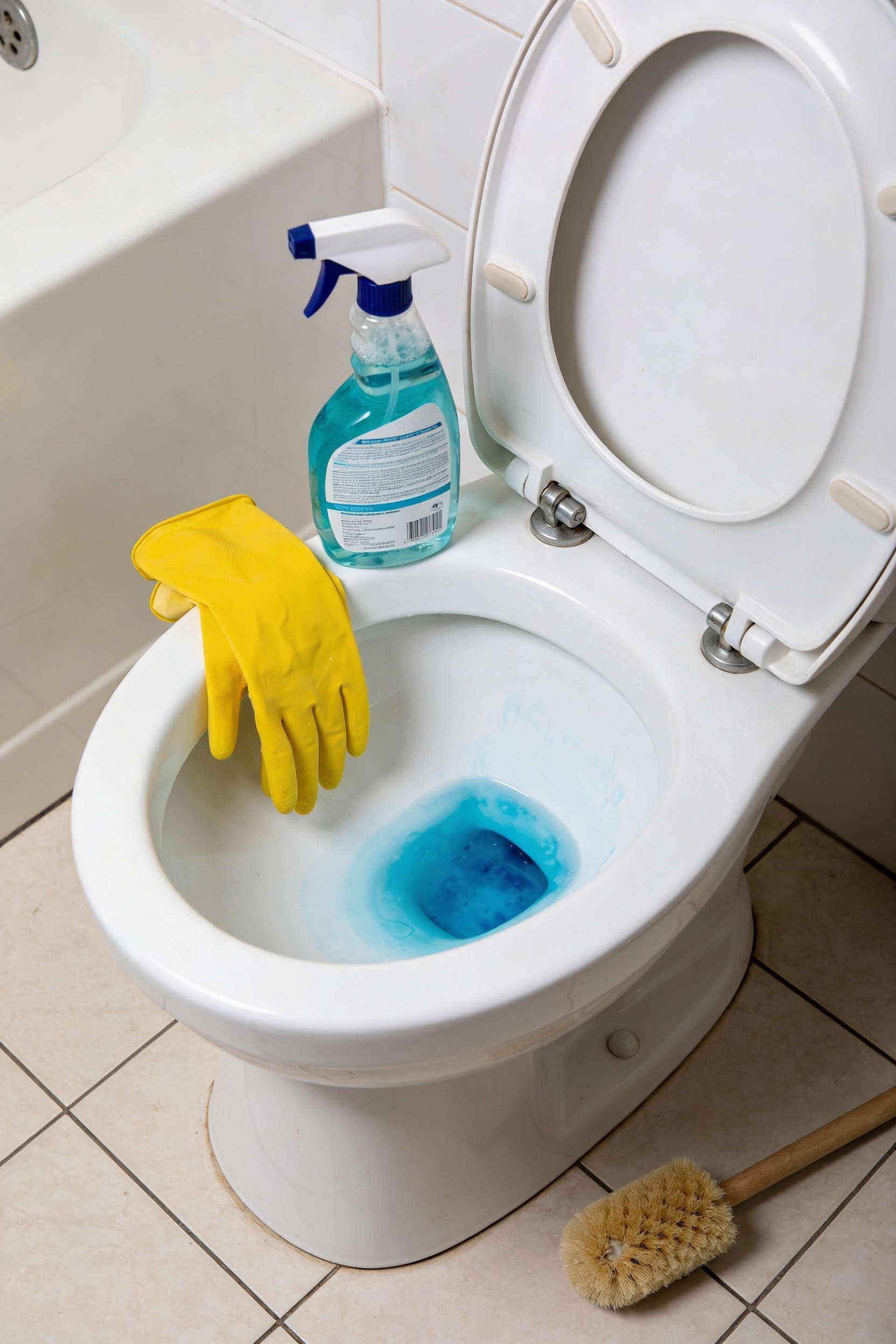
Blue rings in your toilet? That’s copper corrosion from your water supply, and honestly, you’ve got options. I’d start with vinegar and baking soda—cheap, safe, and surprisingly effective. Mix a cup of vinegar with baking soda, let it fizz for ten to thirty minutes, then scrub. If that doesn’t cut it, ammonia works faster but demands ventilation and gloves. The real trick, though, isn’t just cleaning once—it’s preventing them from coming back, and that’s where your routine matters most.
Key Takeaways
- Combine 1 cup vinegar with 1 cup baking soda, let fizz 10–30 minutes, then scrub with toilet brush thoroughly.
- Use 1 cup ammonia mixed with water in well-ventilated space with gloves and eye protection for faster results.
- Sprinkle ¼–½ cup borax on stains, let sit overnight, then scrub for a natural, cost-effective cleaning option.
- Flush guest bathrooms regularly to prevent bacterial growth and mineral buildup that cause blue rings to form.
- Install water softening systems or low-flow fixtures to address hard water minerals at the source long-term.
What Causes Blue Rings in Your Toilet
You may be interested

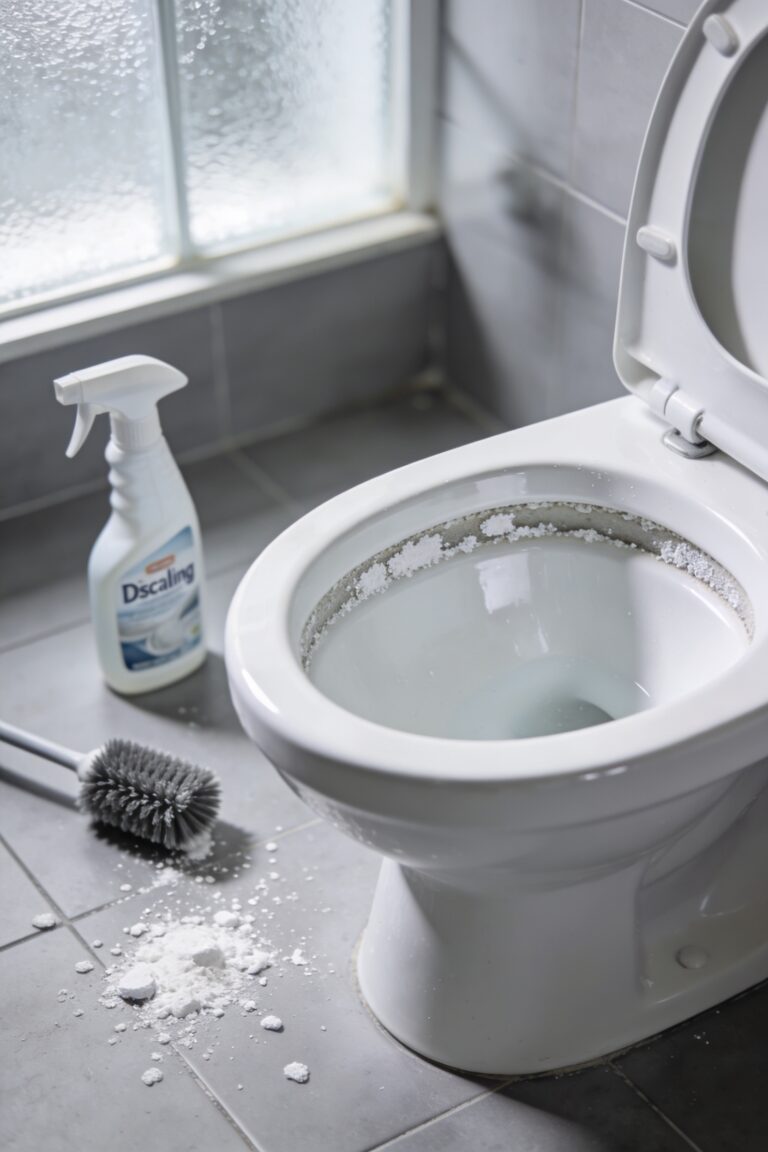
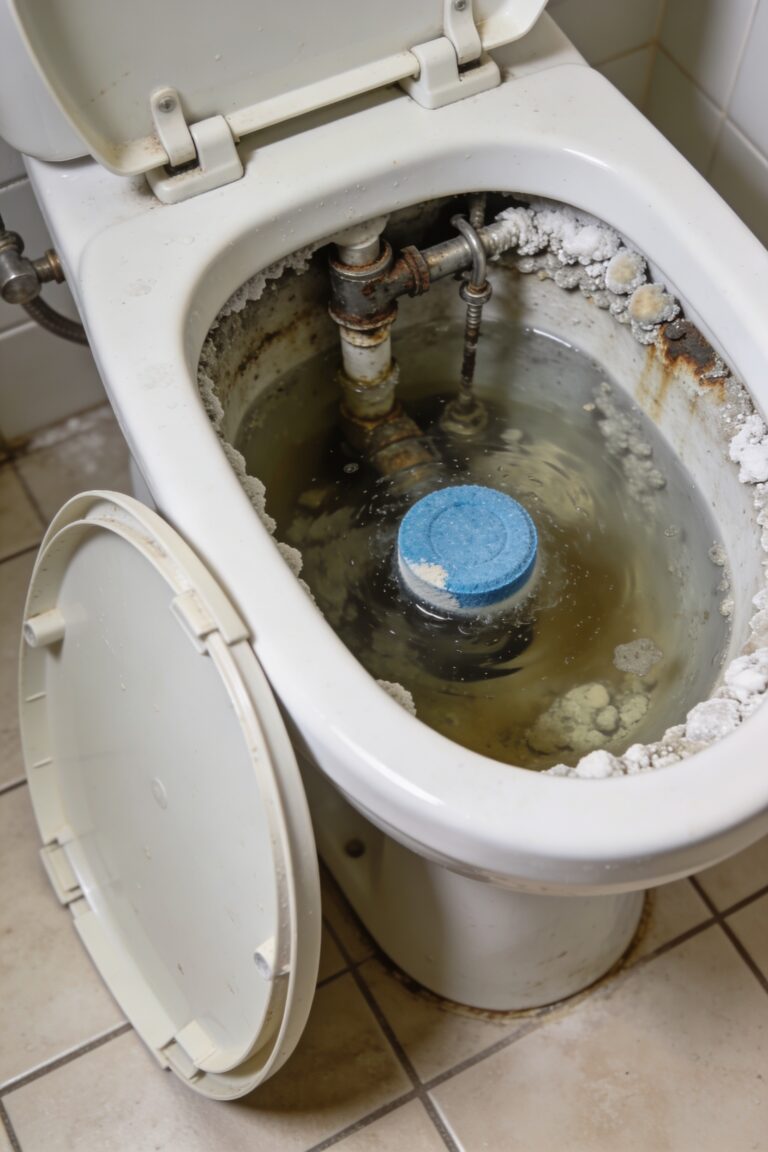
I’m sure you’ve noticed that stubborn blue-green ring clinging to your toilet bowl—the one that doesn’t budge no matter how hard you scrub—and wondered where the heck it came from. Here’s the thing: that blue stain is basically copper corrosion from your water supply. If you’ve got hard water or well water, you’re especially vulnerable to this stuff. Bacteria growth above the waterline makes it worse, layering on top of mineral deposits. Now, if you’re dealing with persistent blue rings, water testing might reveal high copper levels in your system. Guest bathrooms get hit harder because infrequent flushing lets bacteria multiply unchecked. The combo of copper, minerals, bacteria, and stagnant water creates the perfect storm for that annoying discolored ring you’re fighting. Thick gel formulas that cling to bowl surfaces can help penetrate and break down these stubborn deposits more effectively than liquid cleaners.
Choose Your Cleaning Method: Speed, Cost, and Safety
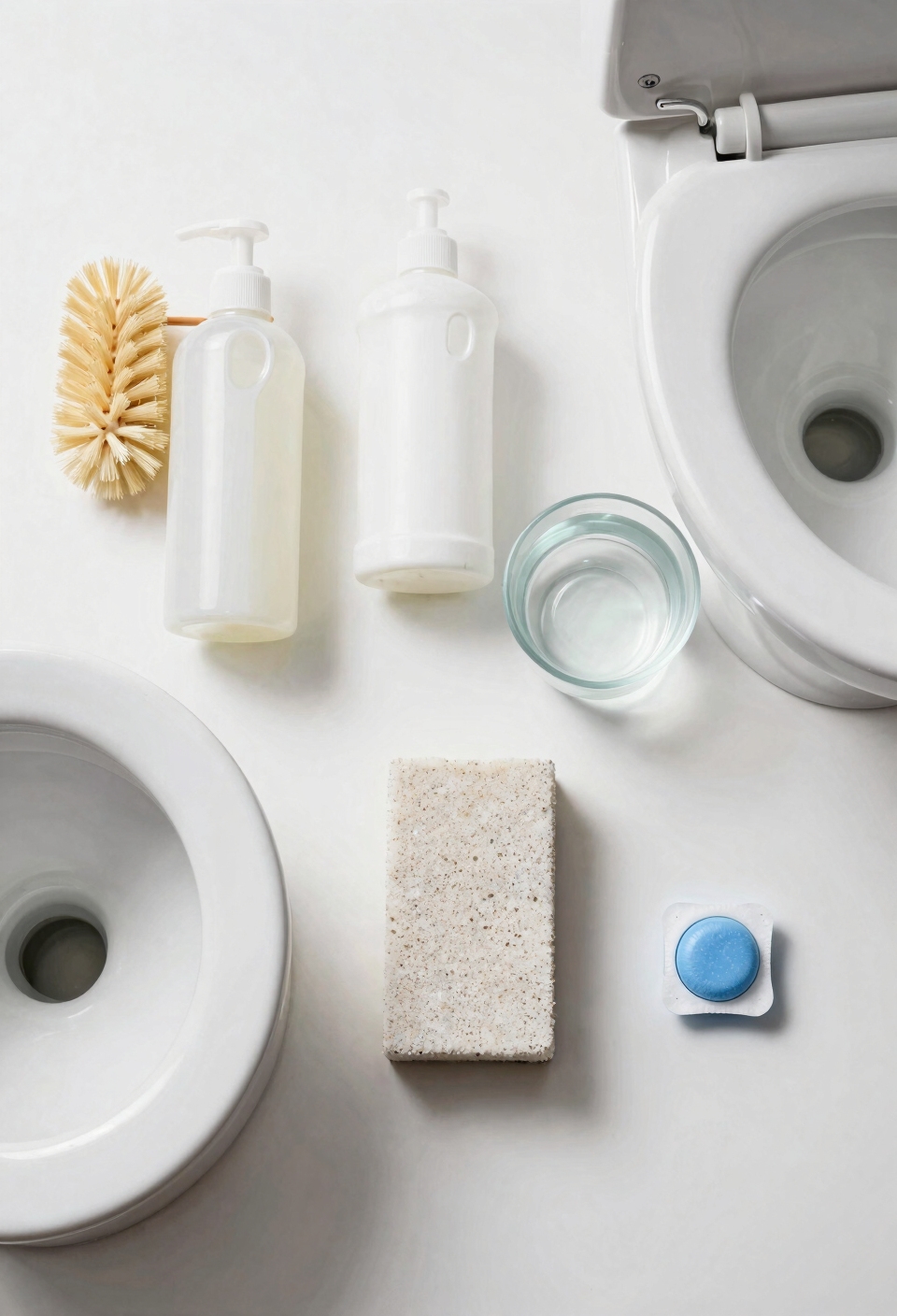
Now that you know what’s causing that blue ring, here’s the reality: you’ve got options, and they’re not all created equal. I’m sure you’ve noticed that some methods work faster than others, and honestly, your choice depends on what matters most to you—speed, your wallet, or keeping nasty fumes away from your family. The vinegar-baking soda approach? Cheap and safe, but slower. Ammonia hits harder and quicker, though you’ll need serious ventilation. If you’re dealing with stubborn stains, consider water testing or filter installation to address the mineral problem at its source. For long-term maintenance without harsh chemicals, septic-safe toilet bowl tablets offer slow-release cleaning that prevents limescale and hard water stains while protecting your plumbing system. The pumice stone‘s fast but risky for your porcelain. Borax splits the difference—effective, affordable, relatively safe if you’re careful with ventilation.
Recommended Products

EFFECTIVE IN CLEANING - Effectively help you clean the tank, water pipe and other parts of the toilet.

POWERFUL AUTOMATIC TOILET CLEANING TABLET: Msvvko Blue Active Toilet Cleaning Tablet automatically cleans the entire recirculation system of the toilet bowl, releasing a blue cleaner that removes stains and odors from the toilet bowl with each flush. Ideal for homes, apartments, commercial toilet tank cleaning tablets, internal toilet pipe and drain cleaners. Free your hands and enjoy clean bathroom time

PLASTIC-FREE, ECO-FRIENDLY TOILET CLEANER TABLETS. Cleaning your toilet has never been easier—just drop, brush, flush! The first ever 100% plastic-free and zero waste Toilet Bowl Cleaner Tablets—made without harsh chemicals, harmful ingredients or plastic packaging. Our septic-safe, eco-friendly toilet cleaner tablets power through a range of tough toilet stains, including limescale, mineral deposits, hard water, and rust.
The Vinegar and Baking Soda Method (Fastest)
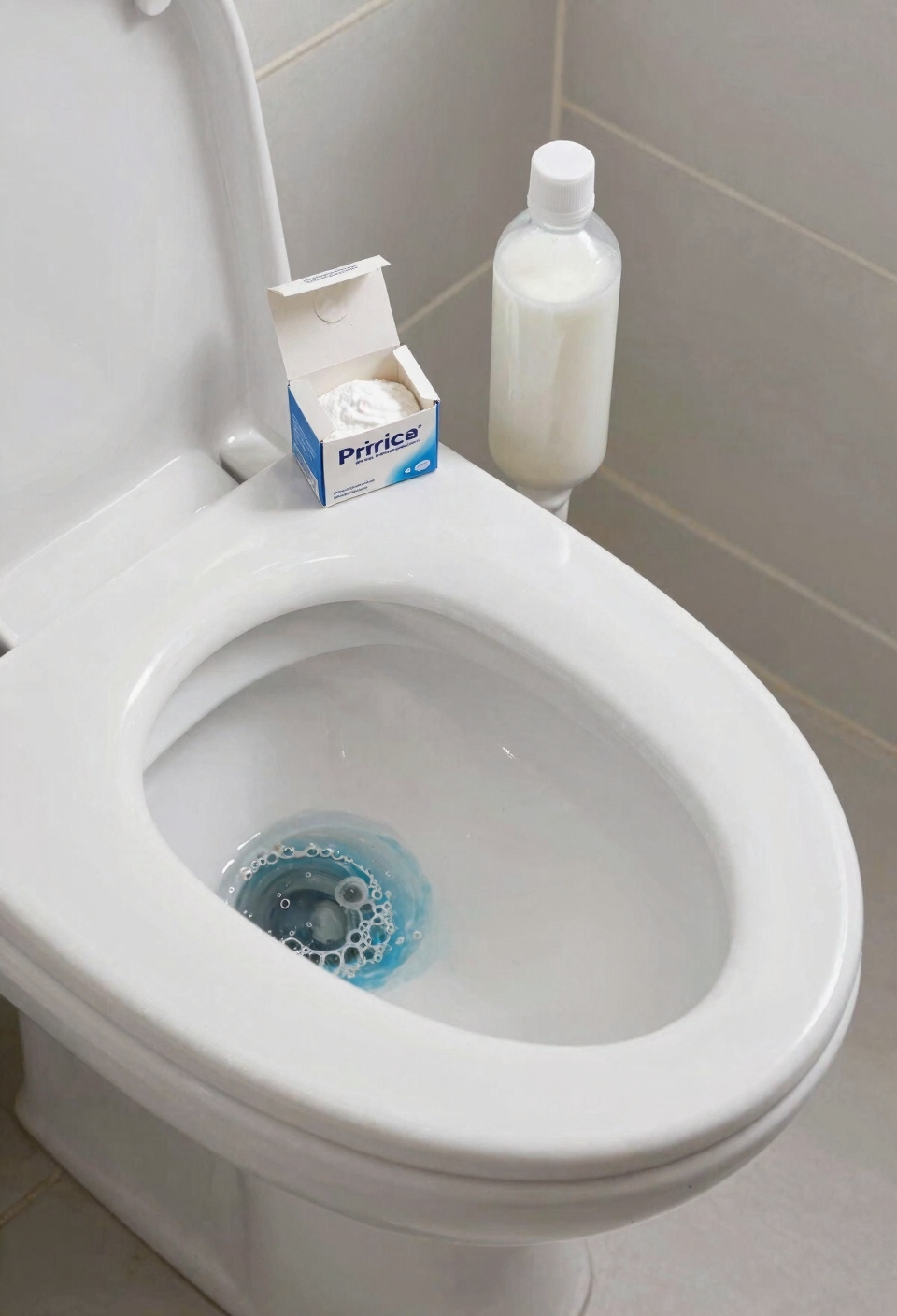
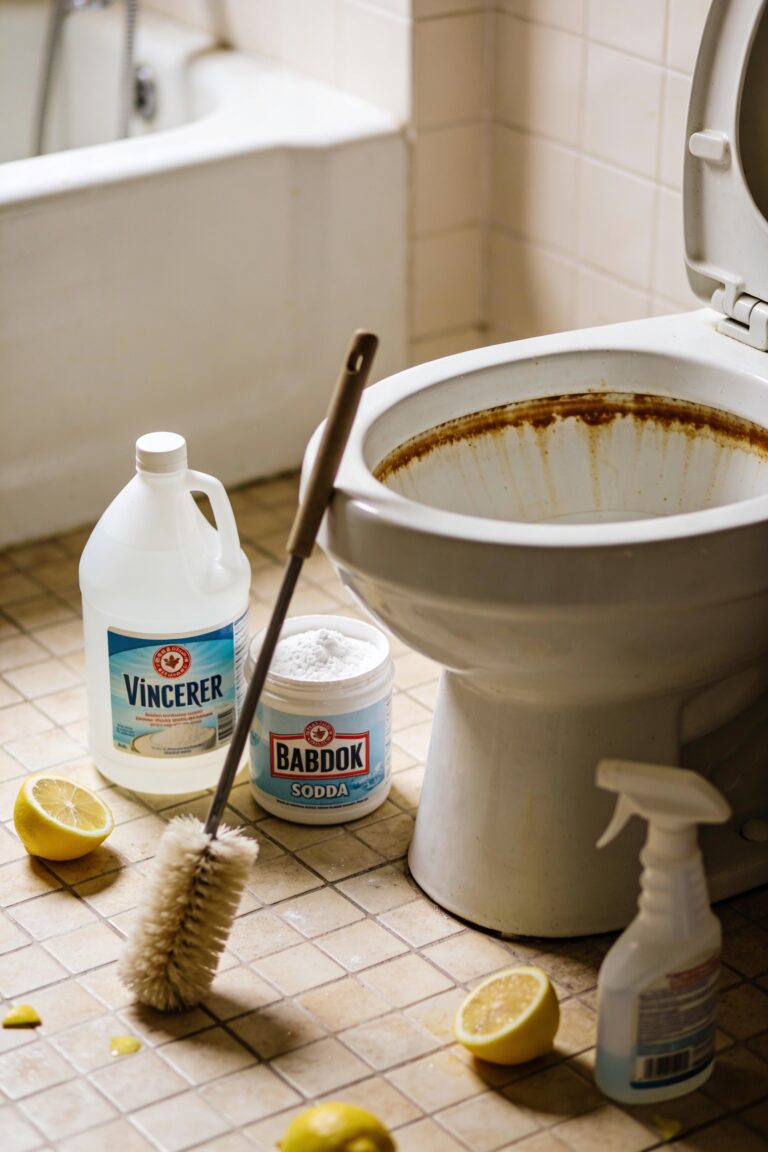
Skip the industrial chemicals for a minute—grab what’s already sitting in your kitchen cabinet, because the vinegar and baking soda combo works faster than you’d think and won’t make your bathroom smell like a swimming pool. Here’s what I do: pour a cup of white vinegar into the bowl, wait just a minute, then add a cup of baking soda. The fizz timing matters—that’s when the real action happens. Add two more cups of vinegar to maximize the fizzing action, let it sit 10 to 30 minutes, then scrub hard with your toilet brush. Focus on the stains under the rim and above the waterline where that stubborn blue ring loves hiding. The vinegar concentration does the heavy lifting while you’re basically just watching chemistry happen. For tough stains that resist natural methods, plant-based biodegradable formulas like Seventh Generation or Better Life provide a gentler chemical alternative that’s still effective against hard water stains and mineral buildup.
Recommended Products

[Natural Pumice Stone for Cleaning]---Pumice stone toilet bowl cleaner with long handle is made from stainless steel and plastic handle and 100% natural pumice.For long time use,be sure to rinse the pumice stone thoroughly and store it in a dry place until the next use.

Functions: 100% natural pumice stick is used to clean calcium deposits, limescale and hard water rings on toilets, sinks, bathroom tiles and other ceramic surfaces.

SCRUBS AWAY TOUGH STAINS: Vacplus pumice stone toilet bowl cleaner powers through all sorts of difficult bathroom stains with ease. Its natural abrasive properties allow it to effectively remove hard water rings in toilets, rock-hard mineral deposits around drains and faucets, limescale buildup, rust stains on metal surfaces, and even tough algae in pools and tubs. This toilet cleaner stick works like an eraser to refresh your bathroom.
Ammonia for Stubborn Blue Stains (Most Powerful)
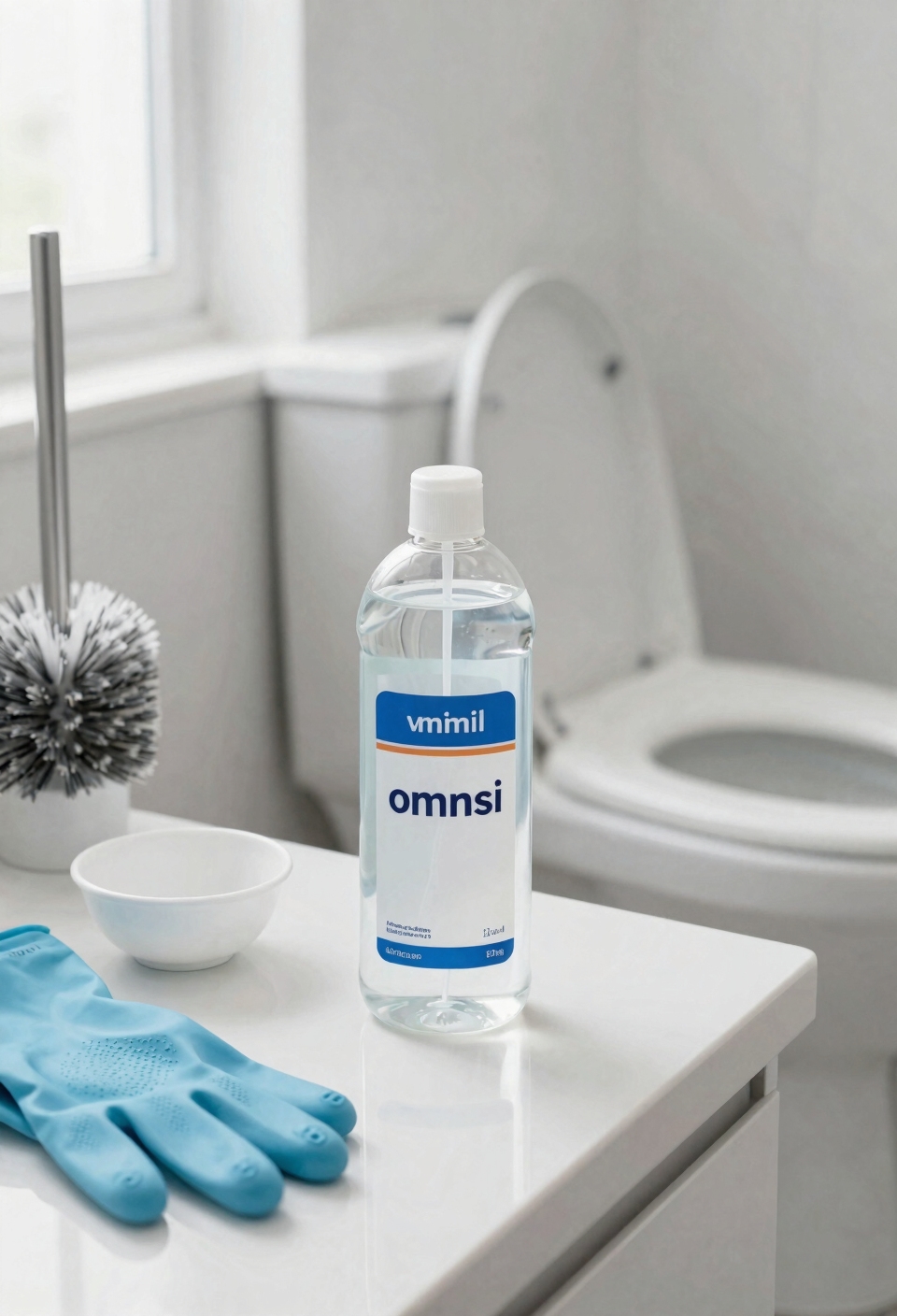
When the vinegar and baking soda method doesn’t cut it—and trust me, sometimes that blue ring laughs in the face of fizzy chemistry—ammonia’s your heavy hitter. I’m sure you’ve noticed that stubborn copper staining refuses to budge, which is exactly when you need ammonia’s muscle.
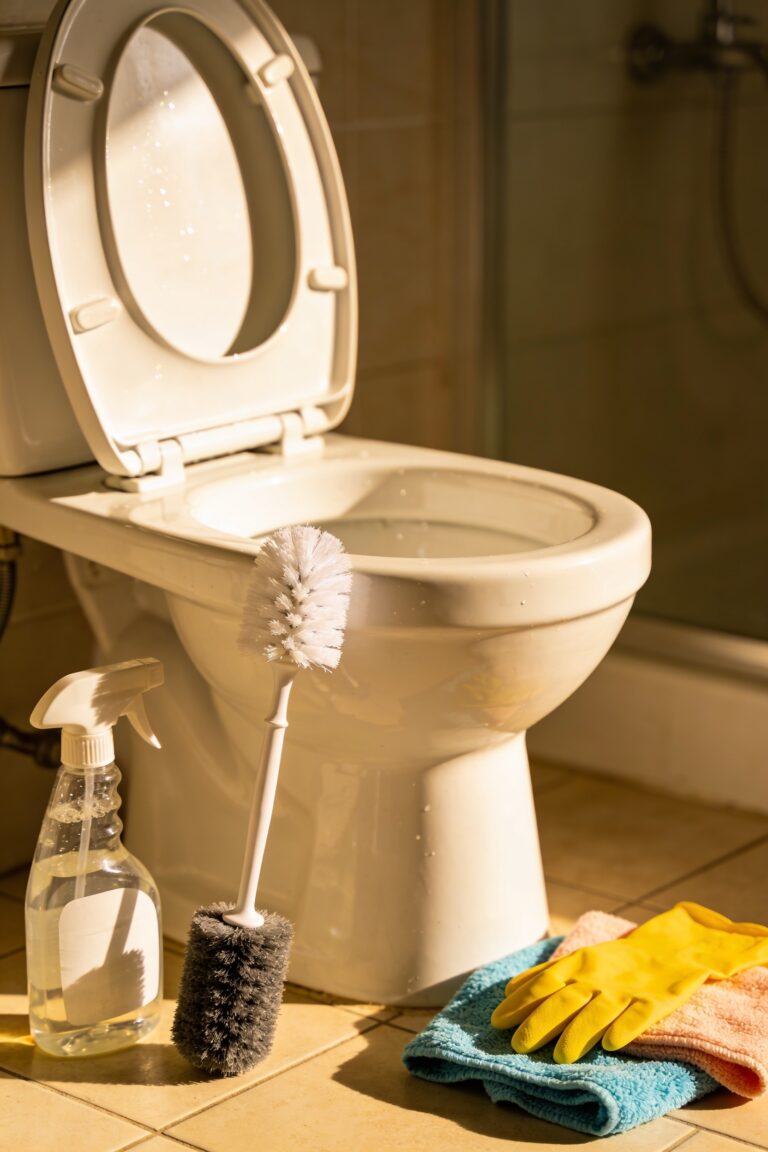
Mix one cup ammonia with one cup water, then crack your windows open and flip on the bathroom fan. Respiratory precautions aren’t optional here—wear gloves and eyewear because this stuff’s potent. Pour the mixture into your bowl, wait ten minutes, then scrub aggressively. Flush twice and keep ventilating for another thirty minutes afterward.
For ammonia disposal, never mix it with other cleaners, obviously. Just flush and let your plumbing handle it safely. If you prefer a gentler approach, plant-based formulas like those found in natural toilet cleaners can remove stubborn stains without the harsh chemical fumes, though they may require longer contact times.
Recommended Products

Seventh Generation toilet bowl cleaner plant-based formula fights tough stains

HOW DO I GET RID OF TOUGH TOILET RINGS? This heavy-duty bleach-free gel eliminates hard water, lime, and rust stains - removes up to 2X more mineral buildup vs. Clorox Bleach Toilet Bowl Stain Remover for a ring-free bowl

TOILET BOWL CLEANER: Lysol Toilet Bowl Cleaner is a bathroom essential tested and proven to kill 99.9% of household bacteria and viruses without the harshness of bleach. The fast-action toilet cleaner removes stains in seconds, and disinfects the bowl.
Borax: Gentle and Effective
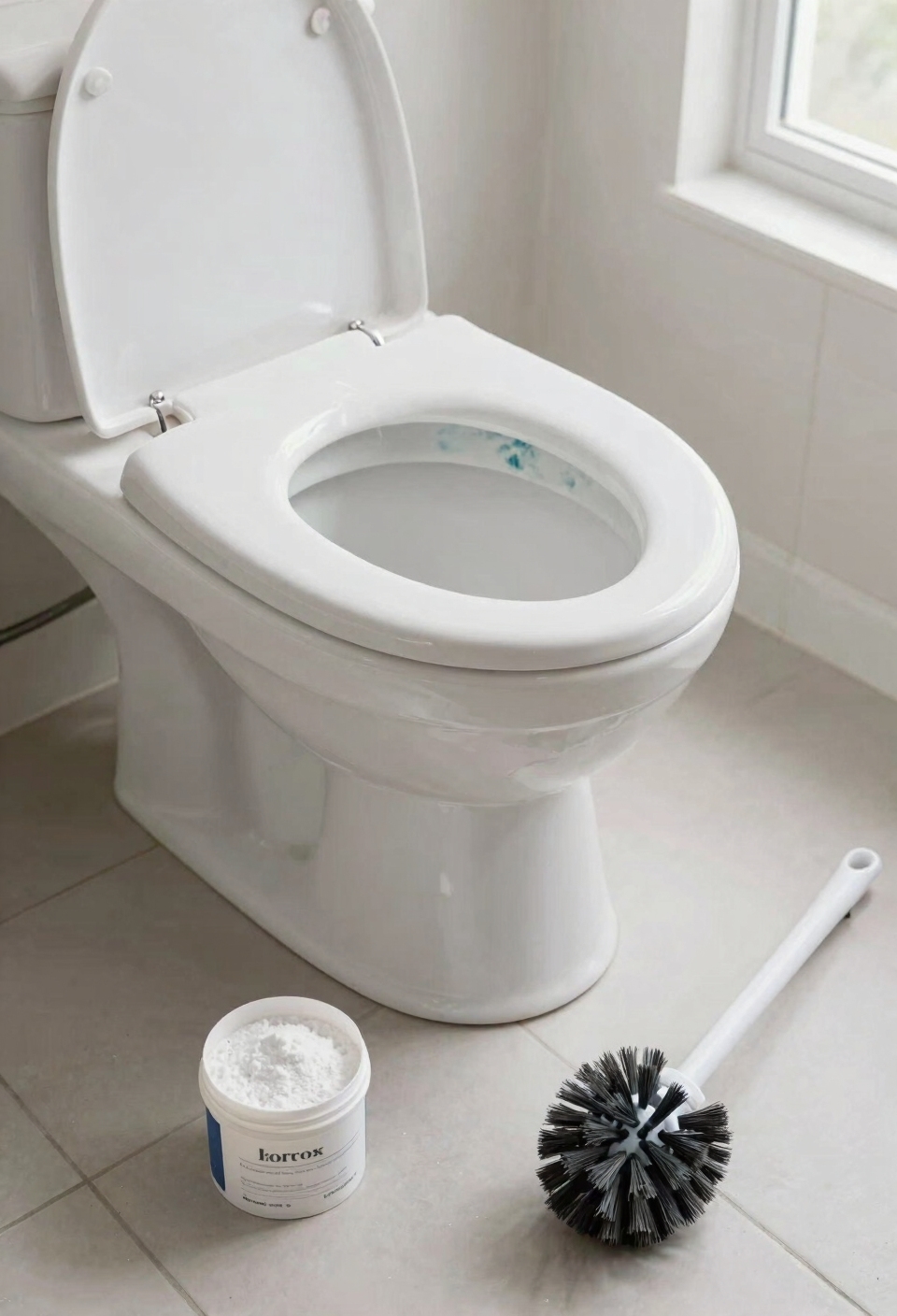
If you’re tired of playing chemical roulette with ammonia fumes and you’ve got a blue ring that’s being stubborn but not totally apocalyptic, borax deserves a real look—it’s honestly one of the gentler heavy hitters in your cleaning arsenal, and here’s why I’m genuinely into it: borax works without trying to murder your lungs, it costs practically nothing, and you’ve probably already got some sitting in your laundry room anyway. Sprinkle 1/4 to 1/2 cup around the bowl, cover all stained areas, then let it sit—20 minutes for regular rings, overnight for the truly defiant ones. It’s a natural disinfectant that actually works, comes in eco packaging most brands offer now, and won’t strip your toilet’s finish like harsher abrasives. For stubborn mineral deposits and hard water stains, citric acid or vinegar alternatives can also be effective when paired with extended contact time. Scrub thoroughly, flush twice, done.
Recommended Products

Harris Borax Powder Hard Water Laundry Booster and Powerful Multi-Purpose Cleaner, 1.5lb (Unscented)
Ultra Laundry Booster - Borax neutralizes the negative effects of hard water and allows your detergent to clean your clothing as it was intended

Pure Original Ingredients Borax in a resealable bag

Powerful Automatic Cleaning: With Every Flush, Active Bright Blue Toilet Bowl Tablets are working hard to remove stains & odors from your toilet bowl. Each Auto Slow-Release tab works to Refresh & Clean the whole toilet system, use as toilet tank cleaner tablets, toilet cleaner tablets, toilet cleaners for inside the bowl, even internal water pipe and drain
Pumice Stone Scrubbing (Use With Caution)
That’s where pumice care becomes critical. Always wet your stone first, scrub gently, and for porcelain protection’s sake, use it sparingly. Think of it as your nuclear option—effective, sure, but you’re playing with fire. Rinse those stone bits floating around afterward, and honestly? I’d save this method for your most stubborn blue rings, not routine cleaning. Remember that repeated use may cause minor etching on porcelain, so reserve pumice scrubbing for occasional deep cleaning rather than weekly maintenance.
Recommended Products

Clean surfaces quickly and easily-porcelain, hard water stains, pool tiles, flush toilets, barbecue grills, steel and stone.

Versatile Cleaning Tool:Our pumice stone is suitable for cleaning toilets, bbq grill, pools, bath tubs and ceramic surfaces, powerfully cleans away limescale stain, hard water rings, rust

Extra-Long Handled Brush Designed: This new extra-long handled pumice stone brush keeps your hands away from water and stains. Fit your palm to make cleaning process more comfortable.
When a DIY Method Isn’t Enough: Call a Plumber
Sometimes you’ll scrub and scrub, try every method I’ve thrown at you, and that stubborn blue ring just won’t budge—and honestly, that’s when you’ve got to accept you might be dealing with something deeper than surface staining. If you’ve cycled through vinegar, baking soda, ammonia, and borax without winning, you’re probably looking at a plumbing issue rather than a cleaning problem. Call a licensed plumber. They’ll investigate whether you’ve got corroded copper pipes, mineral deposits in your system, or bacterial growth that no DIY cleaner can touch. Plus, warranty concerns matter here—using harsh chemicals might void protections on your fixtures. A pro can identify the root cause and fix it properly, saving you frustration and protecting your investment long-term.
Stop Blue Rings Before They Start
Prevention beats any cleaning method I’ve ever tried, and I’m sure you’ve noticed that an ounce of prevention really does work better than a pound of cure when it comes to toilet maintenance. I mean, understanding your water chemistry is huge here—if you’ve got hard water or well water loaded with copper, you’re already fighting an uphill battle. Here’s what I do: flush seldom-used toilets monthly, perform quick cleans every few days, and keep bathroom ventilation solid. Moisture and stagnant water? That’s basically an invitation for bacteria and mineral deposits. Use septic-safe, plant-based tablets instead of harsh chemicals that wreck your system. Consider automatic cleaners with slow-release techniques that provide continuous cleaning with every flush while maintaining septic compatibility. Lower your water level between flushes occasionally. Honestly, these simple habits mean you’ll rarely see that blue ring again.
Your Weekly and Monthly Prevention Schedule
I’ll be honest with you—getting into a regular cleaning rhythm is where most people drop the ball, and that’s exactly when blue rings come back with a vengeance. Here’s what actually works: quick cleans every few days keep copper deposits from settling in, then hit it with a weekly deep clean using plant-based tablets or your preferred septic-safe cleaner. Monthly, flush those guest bathrooms extra times—bacteria love neglect. Drop-in cleaners with visual indicators show you when the active formula is working, so you’ll know exactly when it’s time to replace the tablet before blue rings have a chance to form.
Now, if you’re dealing with hard water, investing in low flow fixtures and water softening systems cuts your mineral buildup dramatically. I mean, you’re fundamentally fighting chemistry here, so remove the enemy’s ammunition first. It’s less about heroic scrubbing sessions and more about consistent, boring maintenance that stops problems before they start.
Frequently Asked Questions
Is Blue Ring Staining Worse in Well Water Versus Municipal Water Systems?
I’ve found that blue ring staining is definitely worse with well water than municipal systems. Well water contains higher copper deposits and fewer treatment chemicals, so you’re more susceptible to stubborn blue rings.
Can Blue Rings Damage or Permanently Stain Porcelain Toilet Bowls?
I’ll be candid: blue rings won’t permanently harm your porcelain, though prolonged exposure causes chemical staining and minor porcelain etching. You’re safe if you’re cleaning regularly—I’d recommend addressing them before they settle deeper.
How Long Does It Take Blue Rings to Return After Cleaning?
Blue rings typically return within two to four weeks, depending on your water’s mineral content and bacterial regrowth rates. I’ve found that mineral buildup reaccumulates faster in hard water areas, while regular flushing slows the process considerably.
Are Commercial Blue Ring Removers Safer Than Homemade Cleaning Solutions?
I’d say homemade solutions like vinegar and baking soda are actually safer. Commercial removers carry chemical residue risks and ingredient variability that you won’t find with natural alternatives you’re controlling yourself.
Do Water Softeners Prevent Blue Ring Formation in Toilets?
Think of water softeners as shields against mineral invaders. Yes, they’re effective—they reduce water hardness through ion exchange maintenance, which directly prevents the copper deposits and hard water minerals that create blue rings.
Conclusion
I’ll be honest—I used to ignore those blue rings until my bathroom looked like a swimming pool exploded. Now I’m religious about prevention, which is basically just running vinegar through weekly. You’re not fighting some impossible enemy here; you’re just staying ahead of the curve. Catch it early, keep up the routine, and you’ll never deal with that stubborn stain nightmare again.