As an Amazon Associate, we earn from qualifying purchases. Some links on this site are affiliate links at no extra cost to you. Our recommendations are based on thorough research and editorial judgment.

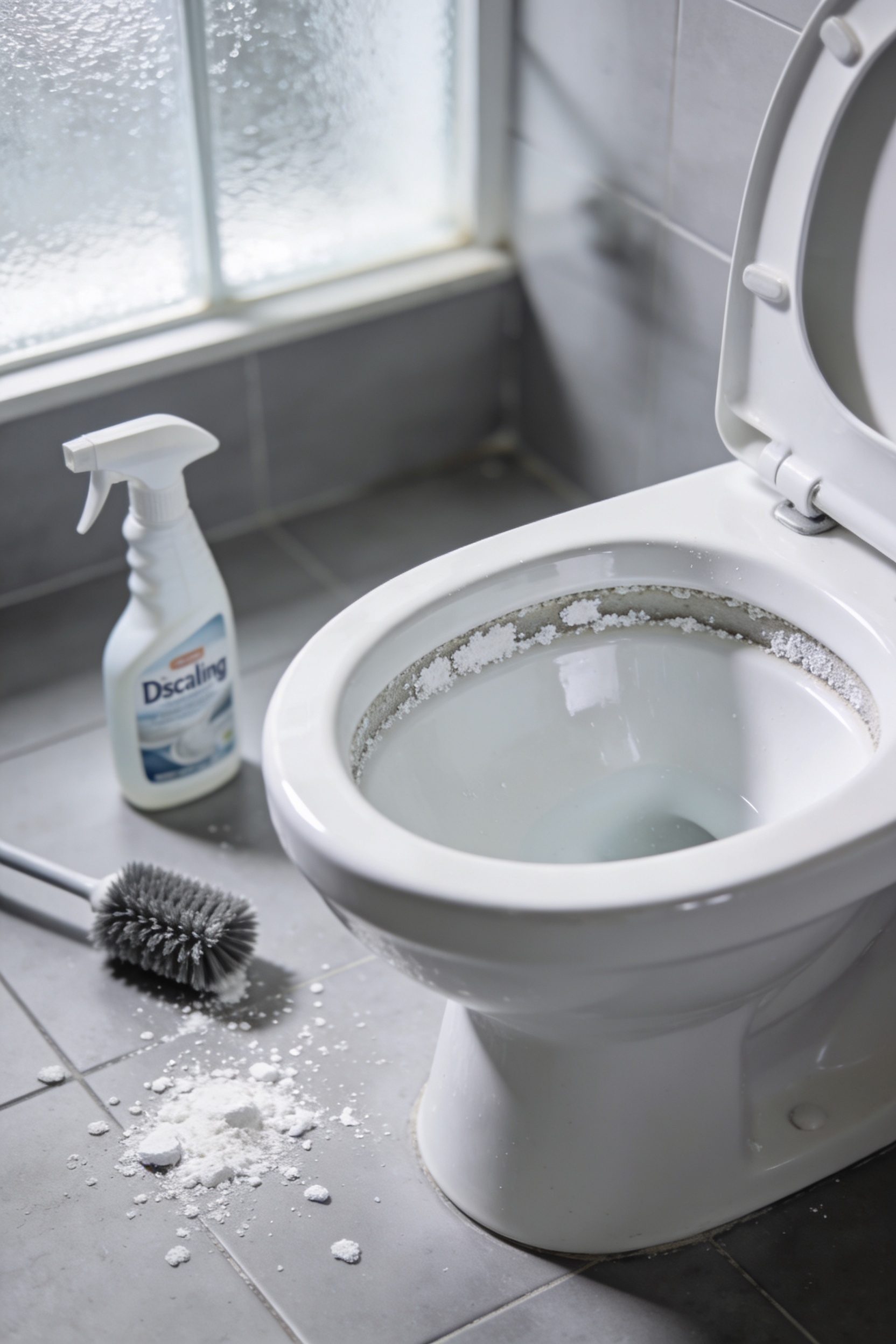
Why Does Your Toilet Bowl Fight Limescale Buildup?

Your toilet bowl isn’t actually fighting limescale—you’re fighting it, and honestly, you’re probably losing because hard water‘s doing exactly what it’s designed to do. Those calcium and magnesium ions settle right onto your bowl’s surface, and the warmer your water gets, the faster they harden into those stubborn white or brownish rings. Infrequent flushing and rough bowl surfaces make it worse. The real battle starts when you understand what’s actually happening inside that porcelain and which tools actually work against mineral deposits.
Key Takeaways
- Hard water’s calcium and magnesium ions precipitate and adhere to bowl surfaces, especially at higher temperatures.
- Rough, porous bowl surfaces naturally trap minerals, making limescale accumulation faster without preventive treatment.
- Acid-based cleaners and vinegar dissolve mineral deposits by chemically breaking down calcium carbonate buildup.
- Water softeners prevent limescale formation by swapping calcium and magnesium ions for sodium or potassium.
- Regular maintenance schedules and consistent cleaning prevent heavy buildup, reducing the need for aggressive removal methods.
What Causes Limescale Buildup in Toilet Bowls
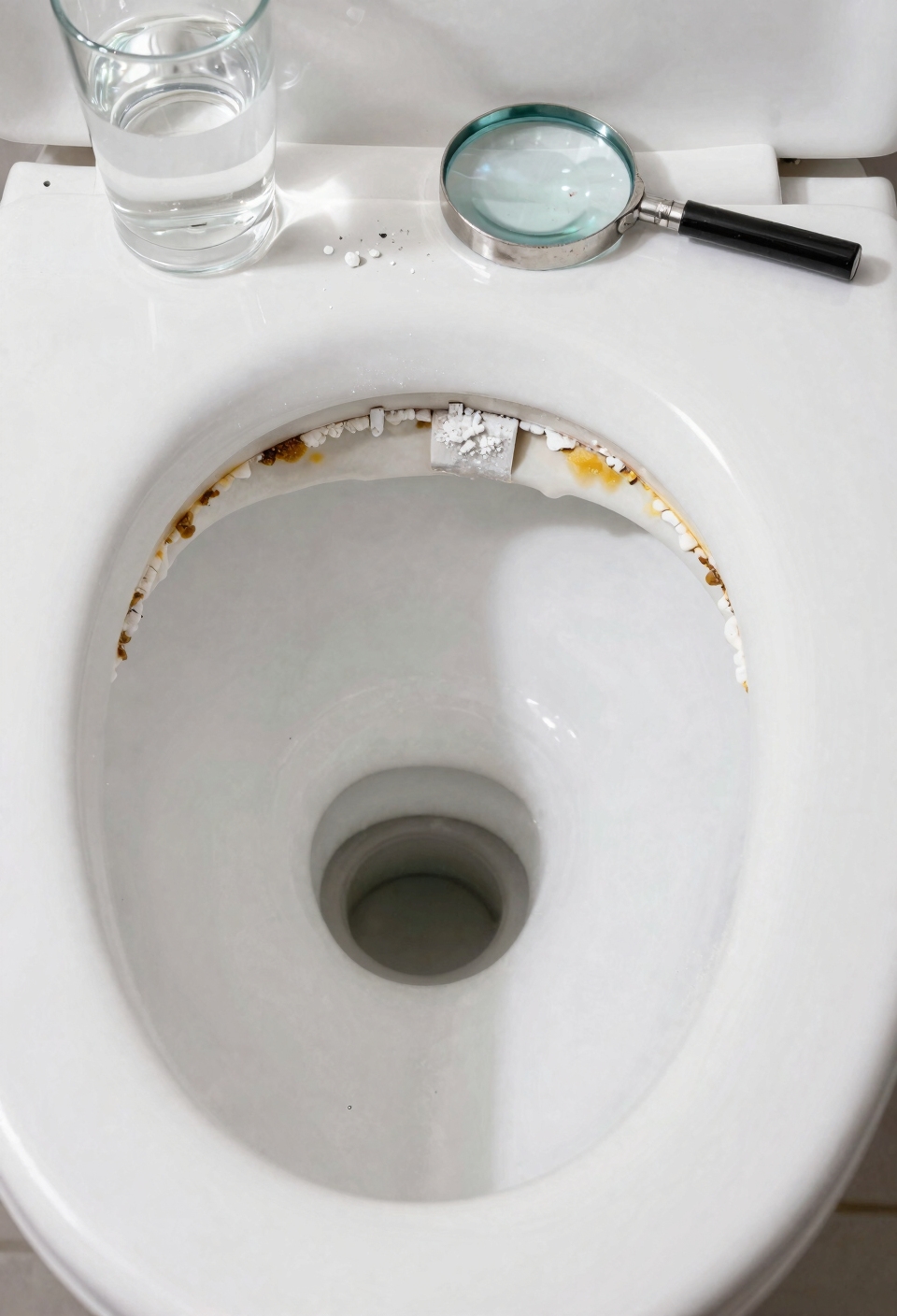
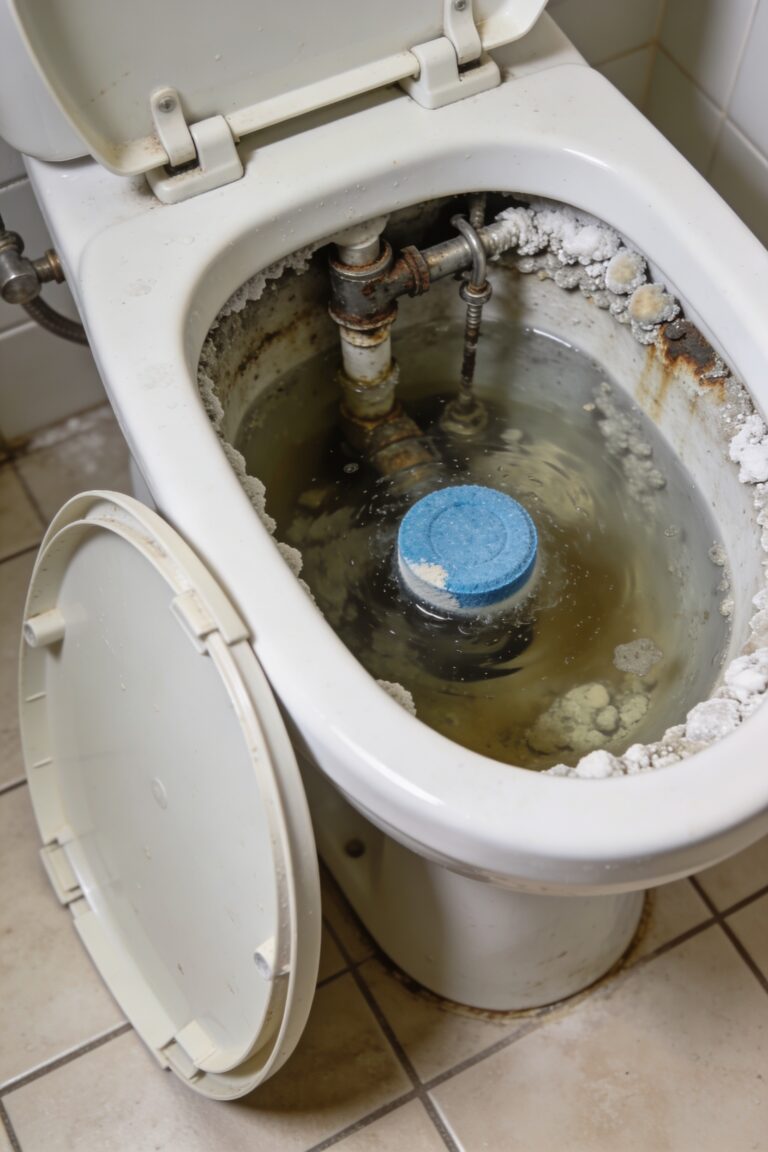
The frustration of limescale is pretty straightforward once you understand what’s actually happening in your bowl. Hard water‘s dumping calcium carbonate minerals into your toilet, and they’re settling at the waterline like unwanted guests who won’t leave. I’m sure you’ve noticed those white or rust-colored rings—that’s your plumbing corrosion starting its slow march. High water temperatures speed things up, especially if you’ve got a pre-heated cistern. Infrequent flushing makes it worse because standing water lets minerals harden faster. Now, here’s the thing: if you do mineral testing on your home’s water supply, you’ll probably find you’re dealing with hard water like most of us. The rougher your bowl’s surface, the easier limescale grabs hold and refuses to budge. For effective removal, citric acid formula products work well to break down these mineral deposits without harsh chemicals.
Why Hard Water Accelerates Mineral Deposits
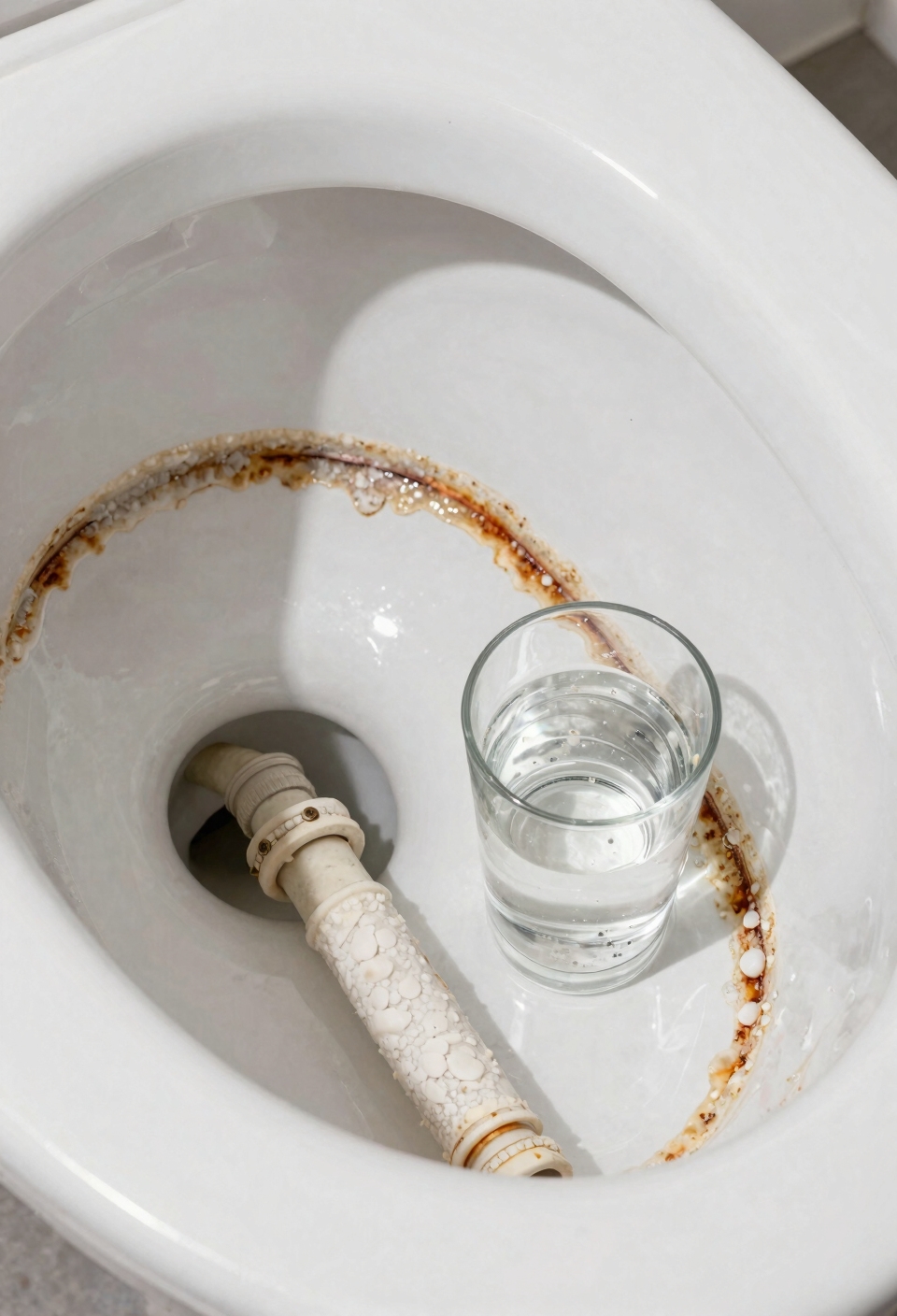
All right, so you’ve got hard water sitting in your toilet bowl, and I’m sure you’re wondering why it’s basically a mineral-depositing machine compared to soft water—it’s not just that there’s more stuff in the water, it’s that hard water’s actively working against you on multiple fronts. Hard water contains calcium and magnesium ions that refuse to dissolve, so they settle out and calcify on your bowl surfaces. The hardness chemistry here is straightforward: those minerals are basically looking for a place to stick, and your toilet’s the perfect landing pad. That’s why water softeners use ion exchange—they swap those problematic calcium and magnesium ions for sodium or potassium instead. Without that intervention, you’re fighting a constant uphill battle against mineral buildup that keeps accelerating faster than soft water ever would. Products like hard water tablets can provide temporary relief by treating mineral deposits with each flush, though they work best as part of a regular maintenance routine rather than a permanent solution.
Stop Limescale Now: Removal Steps That Work
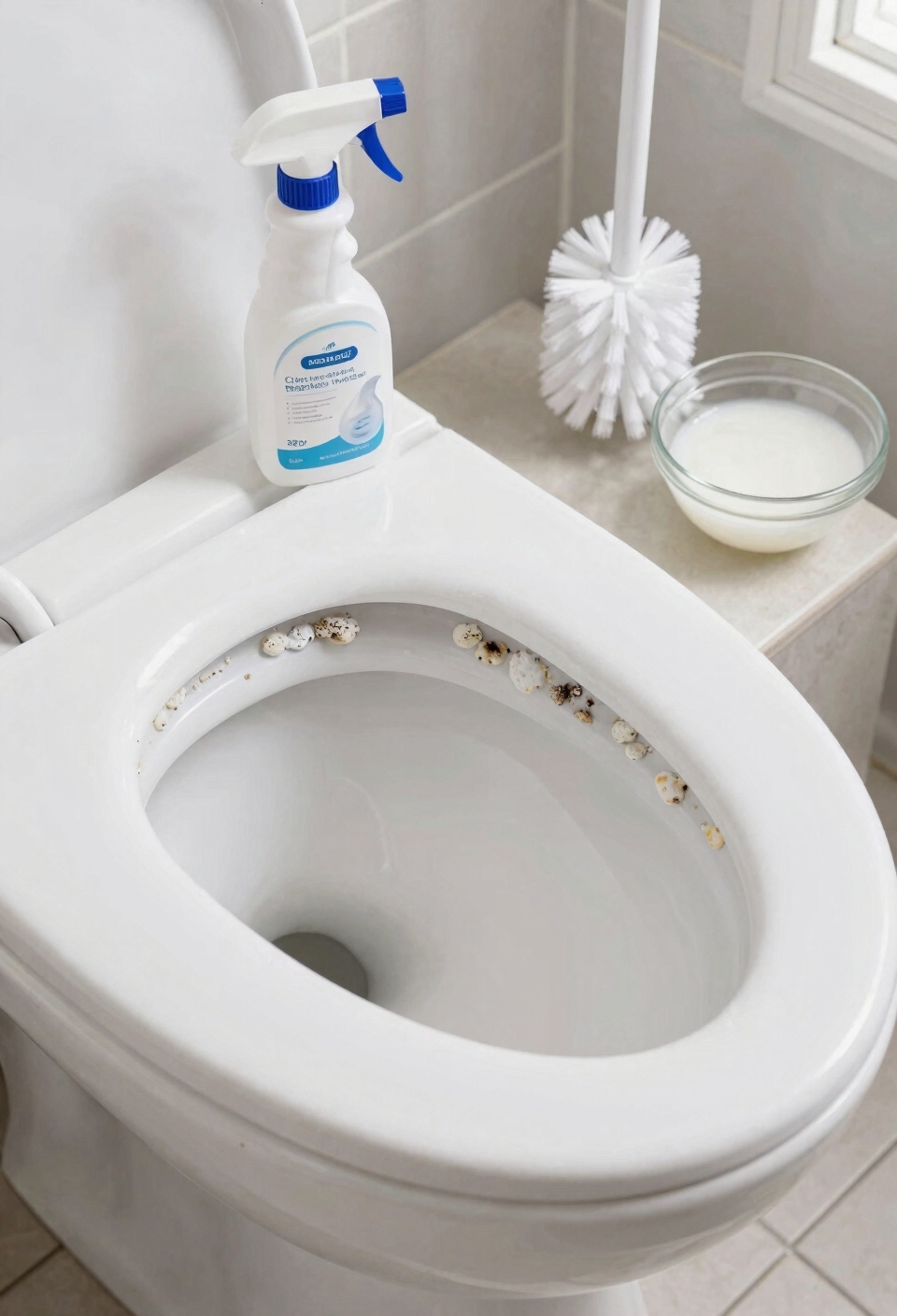
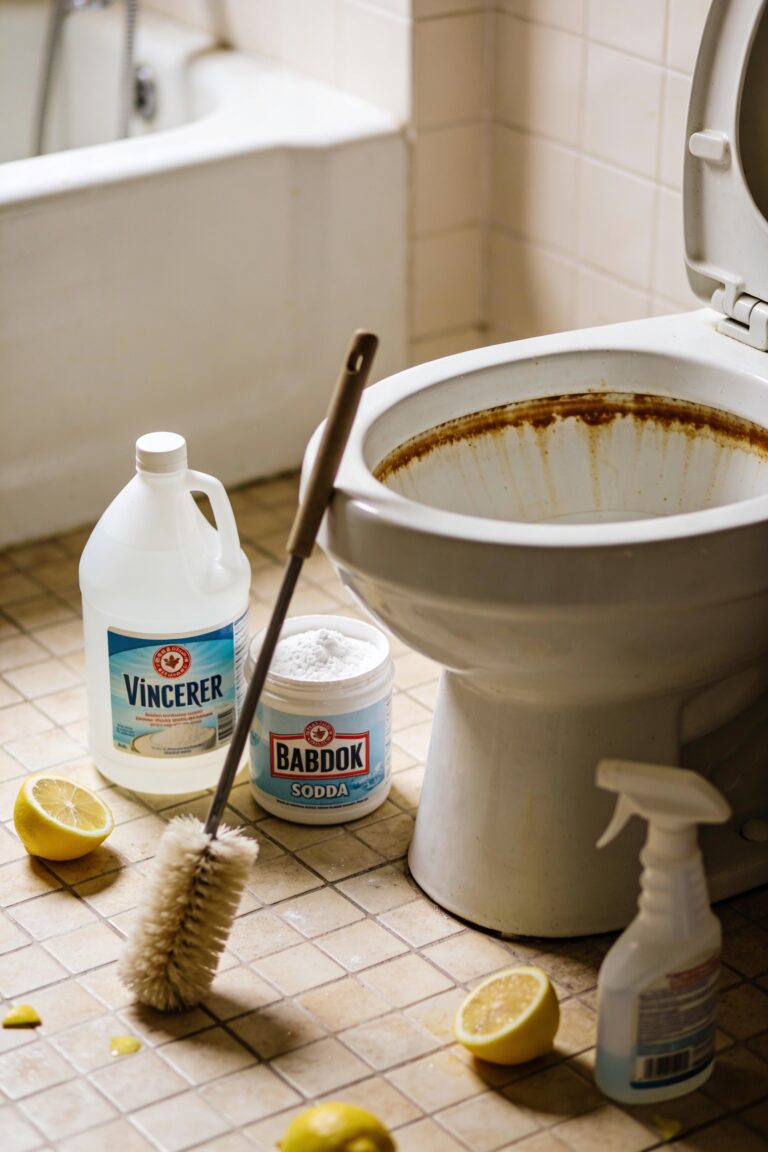
Once you’ve spotted that telltale white or rust-colored ring creeping up your waterline, you’ve got a removal window before it hardens into something genuinely stubborn—and honestly, that’s where most people slip up, waiting until the buildup’s basically calcified into permanent fixture status. I’d apply acid-based cleaner or white vinegar directly to the affected areas, letting it sit anywhere from 15 minutes to overnight depending on thickness. Then scrub firmly with a bristled brush in circular motions—avoid metal tools, trust me. Flush multiple times to clear everything out. For eco-friendly additives, vinegar works brilliantly and costs next to nothing. For tougher mineral deposits, citric acid formulations offer a natural alternative that targets limescale and hard water stains without harsh chemicals. Quick dry coatings aren’t really a thing here, but regular maintenance prevents you from needing aggressive removal tactics altogether.
Recommended Products

Quickly Removes Rust, Dissolves Organic Stains And Cleans Hard Water Residue

Fast-acting solution quickly kills bacteria from surfaces

PACK OF 2 PUMIE SCOURING STICKS – Includes two heavy-duty cleaning pumice stones designed for deep cleaning where ordinary products fail. Effectively removes limescale, mineral deposits, rust buildup, and baked-on grime, making it a must-have tool for tackling the toughest messes in kitchens, bathrooms, and utility spaces
How to Spot Limescale Before It Worsens
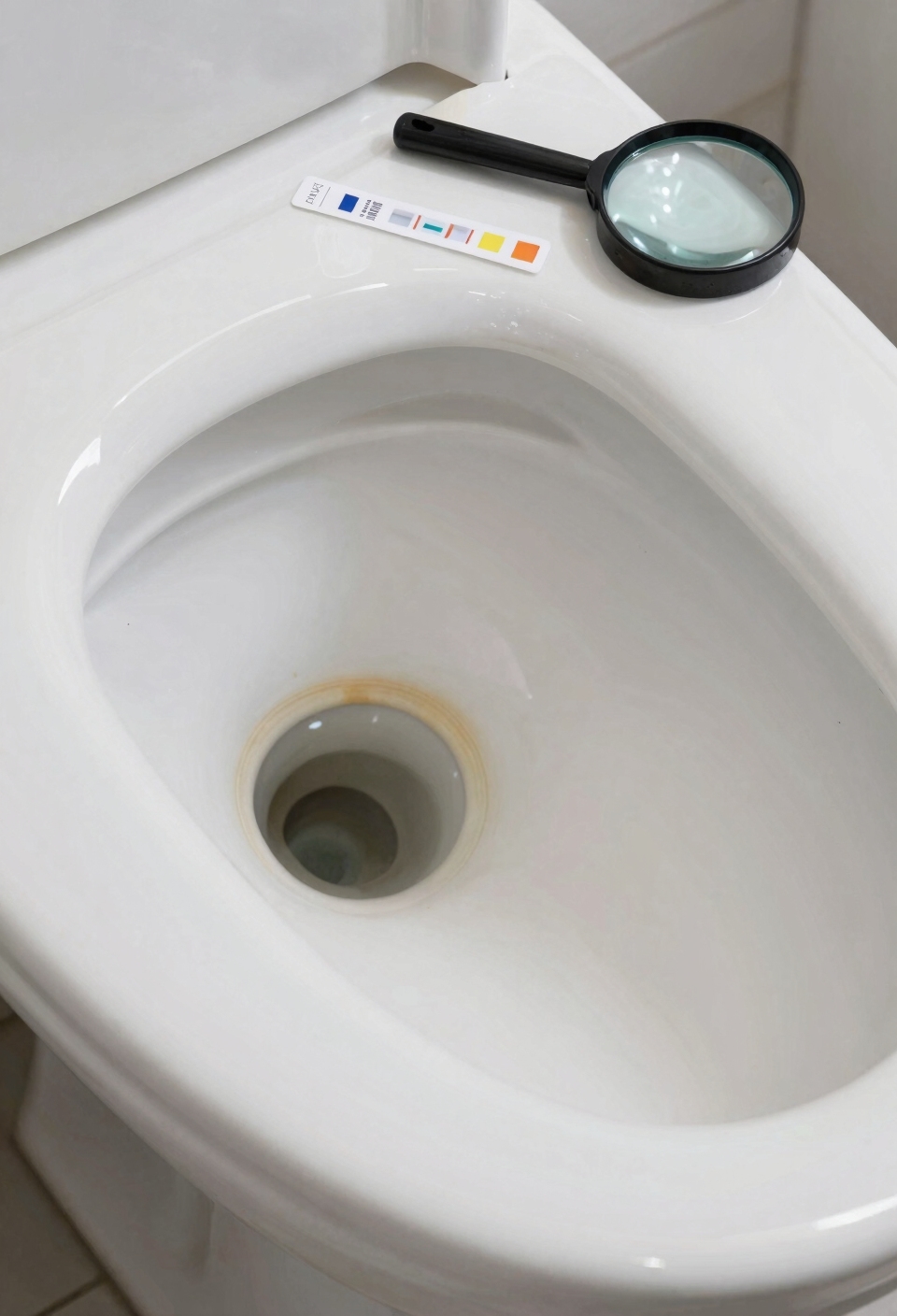
Catching limescale early is where you actually save yourself work, and I mean *before* it hardens into that crusty, rust-colored nightmare that requires overnight vinegar soaks and elbow grease you probably don’t have on a Tuesday morning. Here’s what I’m looking for: any early discoloration creeping up around your toilet waterline, even if it’s just a faint shadow. You’ll spot it before it becomes that stubborn ring—chalky whites or brownish tints that haven’t quite cemented themselves yet. That’s your window. Once you notice staining at the bowl’s base or weak flushing from clogged jets, you’re already playing catch-up. Switching to septic-safe formulations with biodegradable ingredients can help prevent mineral deposits and limescale from building up in the first place. Check weekly during your regular clean, and honestly, trust your gut. If something looks off, it probably is.
Acid Cleaners vs. Vinegar: Which Works Better
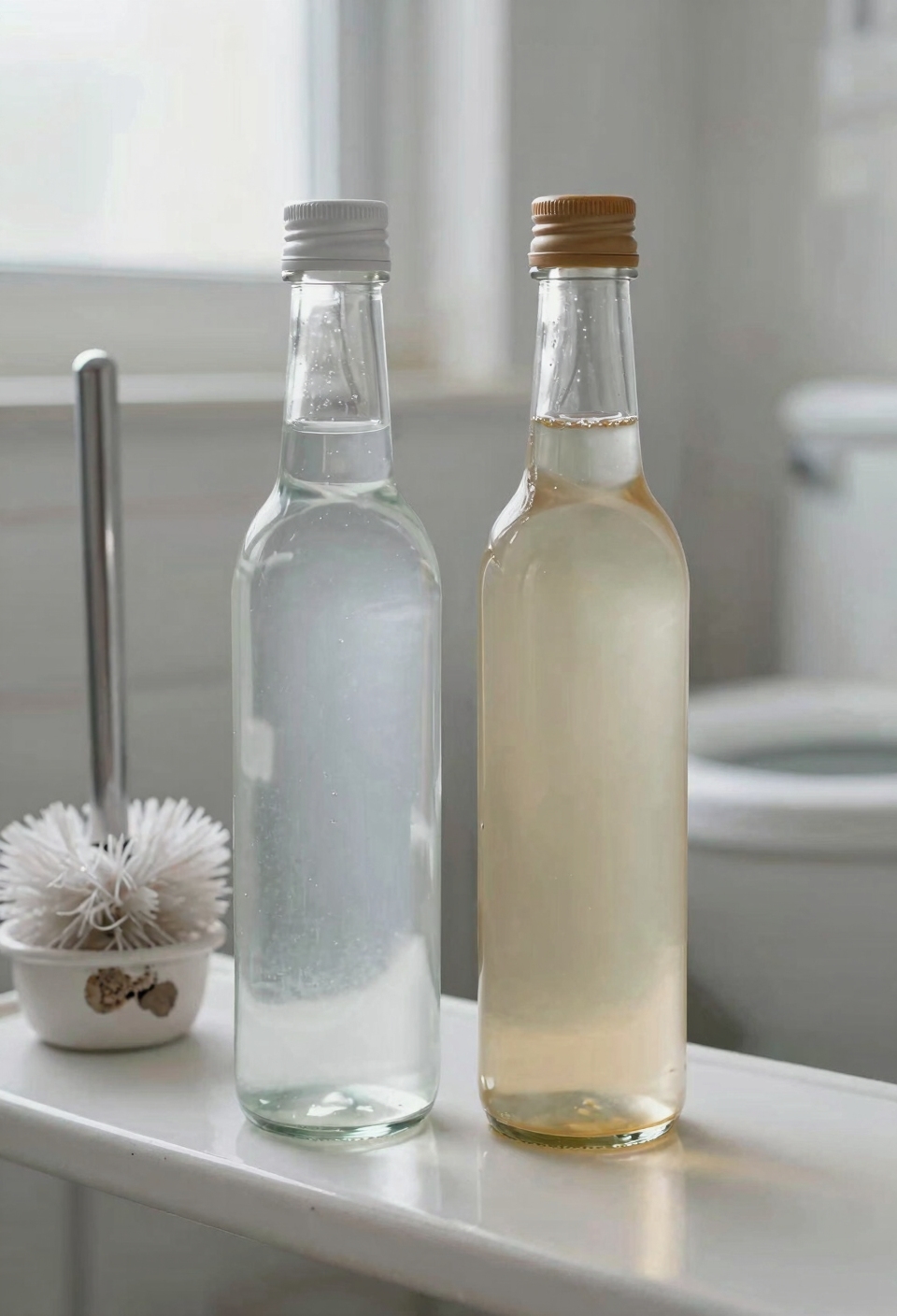
Now, here’s where most people get stuck: you’ve spotted the limescale, you know you need to hit it with something acidic, but you’re standing in the cleaning aisle staring at commercial toilet cleaners on one side and a bottle of white vinegar on the other, and honestly, they’re both acids so what’s the difference, right?
Here’s the thing: acid strength matters. Commercial cleaners pack way more punch—we’re talking muriatic acid versus vinegar’s gentle approach. You’ll demolish stubborn buildup faster, though I’ll admit the trade-off exists. Vinegar costs about a quid, works decently on fresh deposits, and carries virtually zero eco impact. Commercial formulas wreck the environment harder but obliterate calcification that vinegar struggles with. Typical commercial HCl concentrations span 10%–23%, with higher percentages delivering stronger action on mineral-based stains like rust and limescale. For everyday maintenance? Vinegar wins. For thick, set-in deposits? You’re grabbing that commercial cleaner.
Recommended Products

POWERFUL CLEANING FORMULA: Effectively removes tough stains and mineral buildup from toilet bowls. Leaves surfaces sparkling clean with every use for a fresh bathroom experience.

EFFECTIVE IN CLEANING - Effectively help you clean the tank, water pipe and other parts of the toilet.

[Natural Pumice Stone for Cleaning]---Pumice stone toilet bowl cleaner with long handle is made from stainless steel and plastic handle and 100% natural pumice.For long time use,be sure to rinse the pumice stone thoroughly and store it in a dry place until the next use.
Step-by-Step Guide to Remove Stubborn Deposits
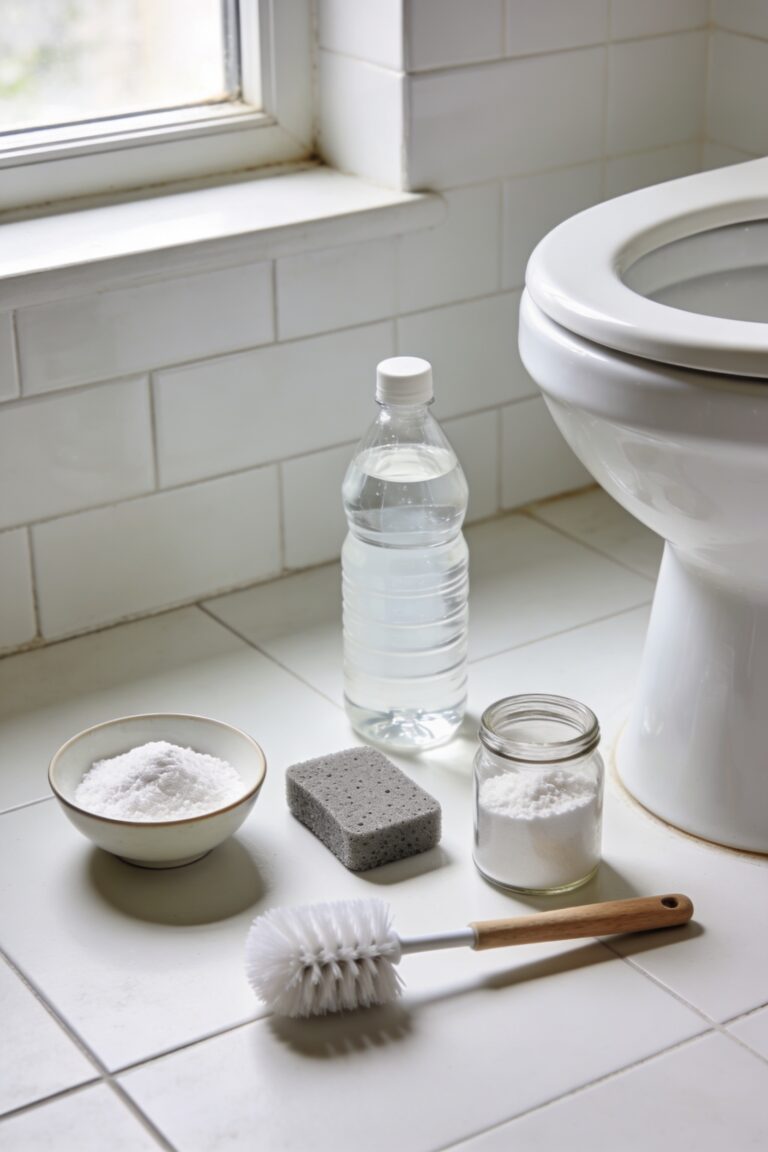
Get yourself armed with the right supplies before you tackle those thick, calcified rings, because honestly, there’s nothing worse than committing to the job halfway through and realizing you’re out of elbow grease—both literally and figuratively. I’m sure you’ve noticed that stubborn deposits won’t budge with casual scrubbing.
Apply your acid-based cleaner or vinegar directly to the waterline, letting it sit fifteen to twenty minutes minimum—overnight for really gnarly buildup. For severe mineral deposits, consider using a cleaner with hydrochloric acid content, which can dissolve rust and hard-water residue significantly faster than weaker formulations. Scrub with firm bristles in circular motions, avoiding metal tools that’ll scratch your porcelain restoration efforts. Flush multiple times to clear pipes and residue. The beauty here is you’re not hunting for plunger alternatives; you’re simply dissolving what’s there. Repeat until those marks vanish completely. That’s genuinely all there is to it.
Best Limescale Removers: Cost and Effectiveness
Once you’ve actually committed to cleaning that toilet bowl, you’ll realize that not all limescale removers are created equal—and I mean that in terms of both what they’ll cost you and what they’ll actually accomplish. White vinegar runs about £1 and works surprisingly well for light deposits, though brand reviews consistently show acid-based cleaners demolish stubborn buildup faster. Domestos-style thick bleach costs a few quid more but delivers that satisfying peeling effect within 30 to 60 minutes. For cost comparison, you’re looking at £2-5 for commercial acid-based options versus pennies for vinegar. For tougher mineral deposits, citric acid offers faster descaling action than vinegar while maintaining a gentler profile on your plumbing. Honestly, I’d grab vinegar first—genuinely fine for your family, cheap, and effective for maintenance. Reserve the heavy-duty stuff for when limescale gets genuinely defiant.
Recommended Products

Powers through toughest toilet stains in seconds

Hydrogen Peroxide formula releases micro bubbles that penetrate to dissolve lime scale and rust stains

TOILET BOWL CLEANER: Clean and destroy stains including hard water, rust, lime scale and mineral deposits, and leave your porcelain toilet bowl looking shiny and new; Package may vary
Water Softeners: Do They Prevent Limescale?
They’re not cheap upfront, they require maintenance and salt refills, and some folks worry about the sodium content in softened water, which is a legit consideration if you’re on a sodium-restricted diet or you’ve got water sensitivity concerns. But here’s the thing—water softeners genuinely work through ion exchange, swapping out calcium and magnesium minerals for sodium or potassium. You’re fundamentally preventing limescale before it starts.
Now, template assisted crystallization is another approach some systems use, though ion exchange remains the gold standard. I mean, if you’re dealing with hard water, installing a softener basically stops limescale in its tracks. You’ll still want regular cleaning—call it insurance—but you’re not fighting mineral deposits constantly. If you do end up with mineral buildup despite a softener, non-toxic cleaners with natural acids like citric acid can effectively dissolve stubborn deposits. It’s a solid investment if you’re tired of that white ring.
Recommended Products

✅𝗘𝗙𝗙𝗜𝗖𝗜𝗘𝗡𝗧 𝗪𝗔𝗧𝗘𝗥 𝗦𝗢𝗙𝗧𝗘𝗡𝗜𝗡𝗚: Our WECO UXC-1665 water softener system is designed to prevent mineral scale buildup on sinks, faucets, shower doors, and plumbing fixtures. This compact water softener reduces the need for frequent scrubbing and cleaning, making maintenance easier for residential and commercial spaces.

ANTIOXIDANT BOOST TECHNOLOGY | Antioxidants help increase energy, eliminate free radicals, and reduce inflammation which helps the body repair itself.

KDF 85 Filtration: Removes TDS, Sediments, and Bad Taste from Water
Your Weekly Limescale Prevention Schedule
So here’s the thing about preventing limescale—you’ve got to actually stick to a schedule, and I know that sounds boring as hell, but it’s genuinely the difference between wiping away a few chalky deposits and spending an evening scrubbing away a caked-on ring that refuses to budge. Your weekly checklist should include two cleaning sessions with acid-based cleaner, plus one vinegar flush where you pour a cup down and let it sit an hour. Now, timing adjustments matter depending on your water hardness—if you’re in a seriously hard water area, bump that to three cleanings weekly. I’m not saying you need to set phone reminders like some obsessive person, but consistency beats intensity every single time. For hands-free maintenance between deep cleans, drop-in tablet systems can help prevent hard water stains and mineral buildup with every flush. Miss two weeks and you’ll regret it.
Recommended Products

60 PACK PUMIE SCOURING STICKS - Experience unbeatable cleaning power with Pumie Scouring Sticks, the ultimate solution for removing tough stains and grime. Perfect for toilet bowl cleaning, these pumice-based scouring sticks are specially designed to tackle hard water stains, mineral deposits, rust with ease. Ideal for use on porcelain, ceramic, and other hard surfaces, they deliver a deep clean where ordinary cleaners fail. These versatile scouring sticks ensure a hygienic and spotless finish, making them an essential tool for maintaining a pristine home or workplace. Safe, effective, and incredibly durable, they’re perfect for toilets, sinks, kitchen tiles, and more!

Does Not Contain Harsh or Abrasive Chemicals

PACK OF 6 PUMIE SCOURING STICKS – Includes two heavy-duty cleaning pumice stones designed for deep cleaning where ordinary products fail. Effectively removes limescale, mineral deposits, rust buildup, and baked-on grime, making it a must-have tool for tackling the toughest messes in kitchens, bathrooms, and utility spaces
Keep Limescale From Returning for Good
Getting ahead of limescale isn’t actually that complicated once you understand what you’re really fighting—it’s minerals, not some mysterious toilet demon that respawns every few weeks. I mean, once you’ve established that twice-weekly cleaning routine, you’re basically golden.
Now, here’s where most people slip up: they clean sporadically, then wonder why deposits come roaring back. You’ve got to stay consistent. Consider eco-friendly coatings designed specifically for toilet bowls—they create a protective barrier that makes mineral adhesion way harder. Some folks swear by toilet bowl liners as backup defense, and honestly, they’re not terrible if you remember to replace them regularly.
The real secret? For hard water and mineral buildup, products with citric acid or vinegar work best when you let them sit 15–20 minutes before scrubbing. Vinegar flushes weekly, acid cleaner bi-weekly, and you’ll never face those stubborn rings again.
Frequently Asked Questions
Can Limescale Buildup Damage My Toilet’s Internal Plumbing or Water Supply Lines?
Yes, I’ve found that limescale buildup can damage your toilet’s internal plumbing through pipe corrosion and valve scaling. Mineral deposits restrict water flow, strain components, and eventually cause costly plumbing failures if left untreated.
Is Limescale Harmful to My Health if I Accidentally Ingest Toilet Water?
I’ll tell you that limescale itself isn’t toxic, but I’d avoid drinking toilet water because microbial growth poses real health risks. Limescale causes cosmetic staining, not poisoning—the bacteria concern matters most.
How Long Does It Take for Limescale to Form in a New Toilet?
I’ve watched mineral deposition begin within days in hard water areas. Your new toilet’s initial formation of limescale typically starts within one to two weeks, depending on water hardness and flushing frequency.
Will Removing Limescale Affect My Toilet’s Warranty or Cause Structural Damage?
I’ll ease your warranty concerns—removing limescale won’t damage your toilet or void coverage. Using acid-based cleaners or vinegar safely dissolves deposits while preserving your bowl’s finish and structural integrity.
Can Limescale Buildup Increase My Water Bill or Affect Water Pressure?
Yes, limescale buildup can increase your water bill and reduce flow. When mineral deposits clog water jets and pipes, your toilet works harder, using more water per flush while delivering reduced pressure and weaker performance.
Conclusion
Here’s the thing: hard water affects roughly 85% of American households, which means you’re probably fighting limescale right now whether you realize it or not. I’m not saying you need to panic, but I am saying that a little weekly maintenance beats scrubbing mineral deposits the size of barnacles later. Stick with it, and your toilet stays clean. Slack off, and you’re basically inviting a calcium fortress to set up permanent residence.