As an Amazon Associate, we earn from qualifying purchases. Some links on this site are affiliate links at no extra cost to you. Our recommendations are based on thorough research and editorial judgment.

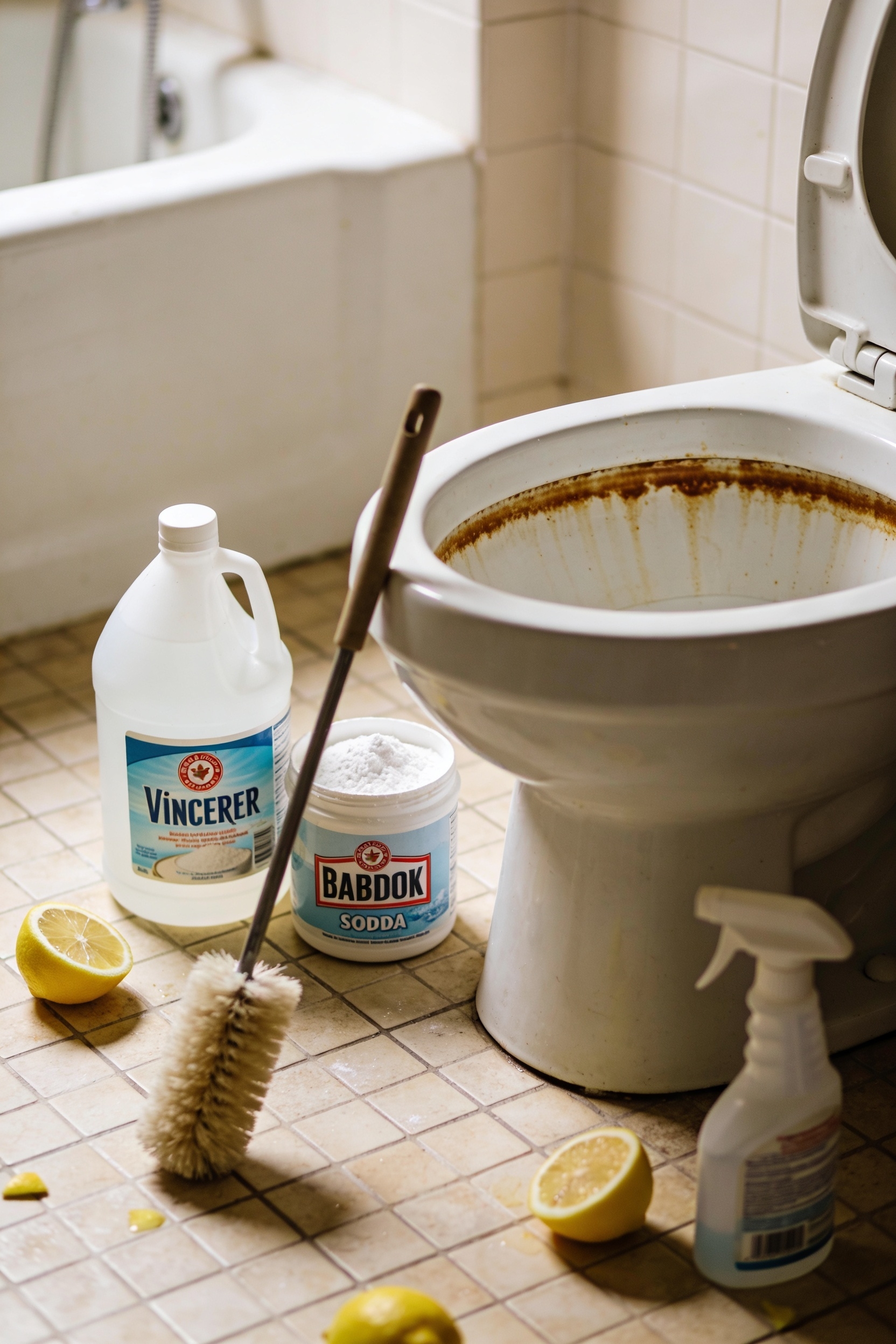
What Dissolves Toilet Ring Hard Water Buildup?

Acid cleaners dissolve hard water rings because those crusty deposits are basically crystallized calcium and magnesium—minerals that respond fast when you hit them with something acidic that breaks down their chemical bonds. I’m talking citric acid for lighter rings or commercial HCl formulas (10-23% concentration) for the stubborn stuff that’s basically become part of your toilet bowl. Bar Keepers Friend works gentler if you’re worried about porcelain damage. The key’s letting that acid dwell long enough to actually do its job, then scrubbing with a nonabrasive pad. Obviously you’ll want to know which product actually works best for your specific situation.
Key Takeaways
- Acid cleaners with 10-23% hydrochloric acid concentration rapidly dissolve mineral deposits from hard water buildup.
- Citric acid formulations effectively dissolve tough mineral rings caused by calcium, magnesium, and iron deposits.
- Bar Keepers Friend chemically dissolves minerals gently, requiring less aggressive scrubbing than abrasive methods.
- Vinegar soaks work for lighter rings; stronger acid cleaners needed for hardened, persistent deposits.
- Water softeners prevent future buildup by reducing mineral content in hard water at the source.
What Causes Hard Water Rings in Toilets
If you’ve ever stared at that stubborn brown or white ring circling your toilet bowl and wondered what the hell you did wrong, I’ve got news for you—it’s not your fault, and it’s definitely not dirt.
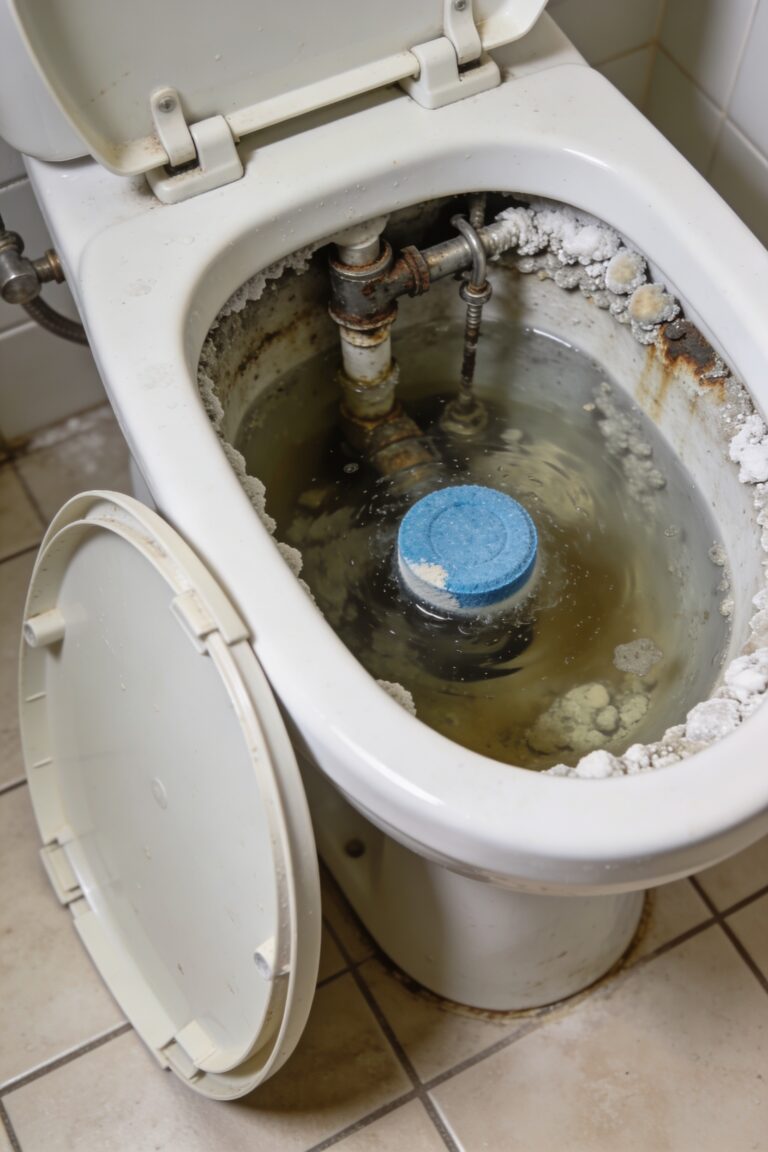
What you’re actually looking at is mineral accumulation—calcium, magnesium, and iron deposits that settle on your porcelain as water evaporates. I’m sure you’ve noticed it gets worse over time, right? That’s because the buildup hardens progressively, and here’s the kicker: your toilet bowl’s porous surface absorbs microscopic particles, making removal tougher.
Now, plumbing corrosion can accelerate this whole mess, especially if you’ve got older pipes feeding mineral-heavy water into your system. The more frequently you flush, the more minerals deposit at the waterline. It’s basically your toilet’s way of collecting geological souvenirs. Fortunately, citric acid formulations are highly effective at dissolving these stubborn mineral deposits without damaging your plumbing system.
When to Call a Professional for Severe Stains
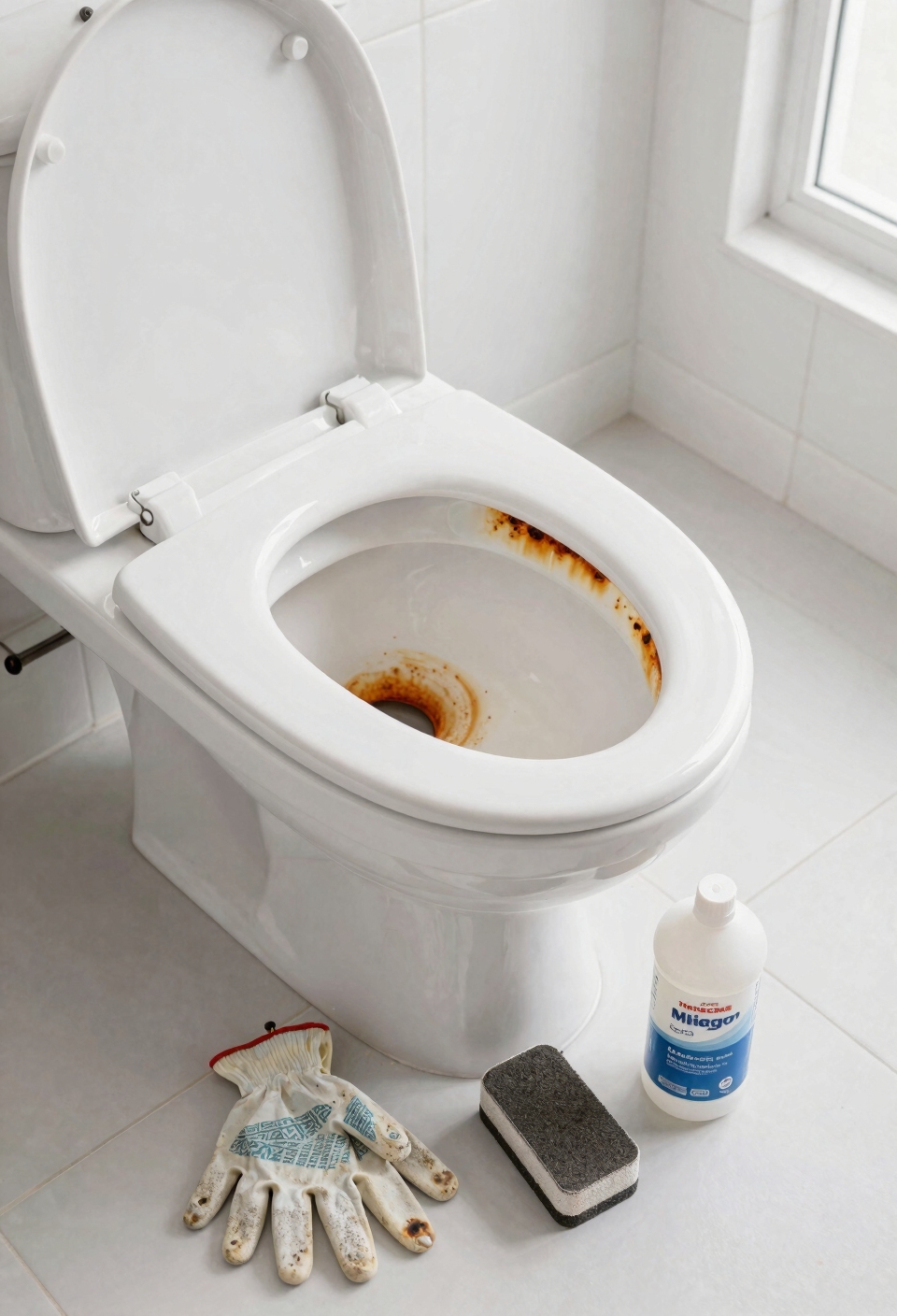
Now, here’s the thing—I’ve thrown pretty much every cleaning product and tool at toilet rings, and you’d be amazed how much you can handle yourself with Bar Keepers Friend and a little elbow grease. But sometimes you’re dealing with something that won’t budge no matter what you do, and that’s when professional intervention becomes worth considering.
If you’ve got a brand-new toilet still under warranty, I’d honestly call a plumber before attacking it aggressively with pumice or drywall screen—warranty concerns are real, and you don’t want to void coverage over a hard water ring. Same goes if the staining’s paired with actual damage or discoloration that suggests something deeper than mineral buildup. A pro can assess whether you’re looking at permanent porcelain damage or just stubborn deposits. Additionally, if you’re noticing the staining coinciding with issues in your basement bathroom setup, such as problems with sewage pump systems or drainage concerns, a plumber can evaluate the broader plumbing infrastructure to determine if mineral-heavy water is contributing to the problem.
The Step-by-Step Process to Remove Stubborn Rings
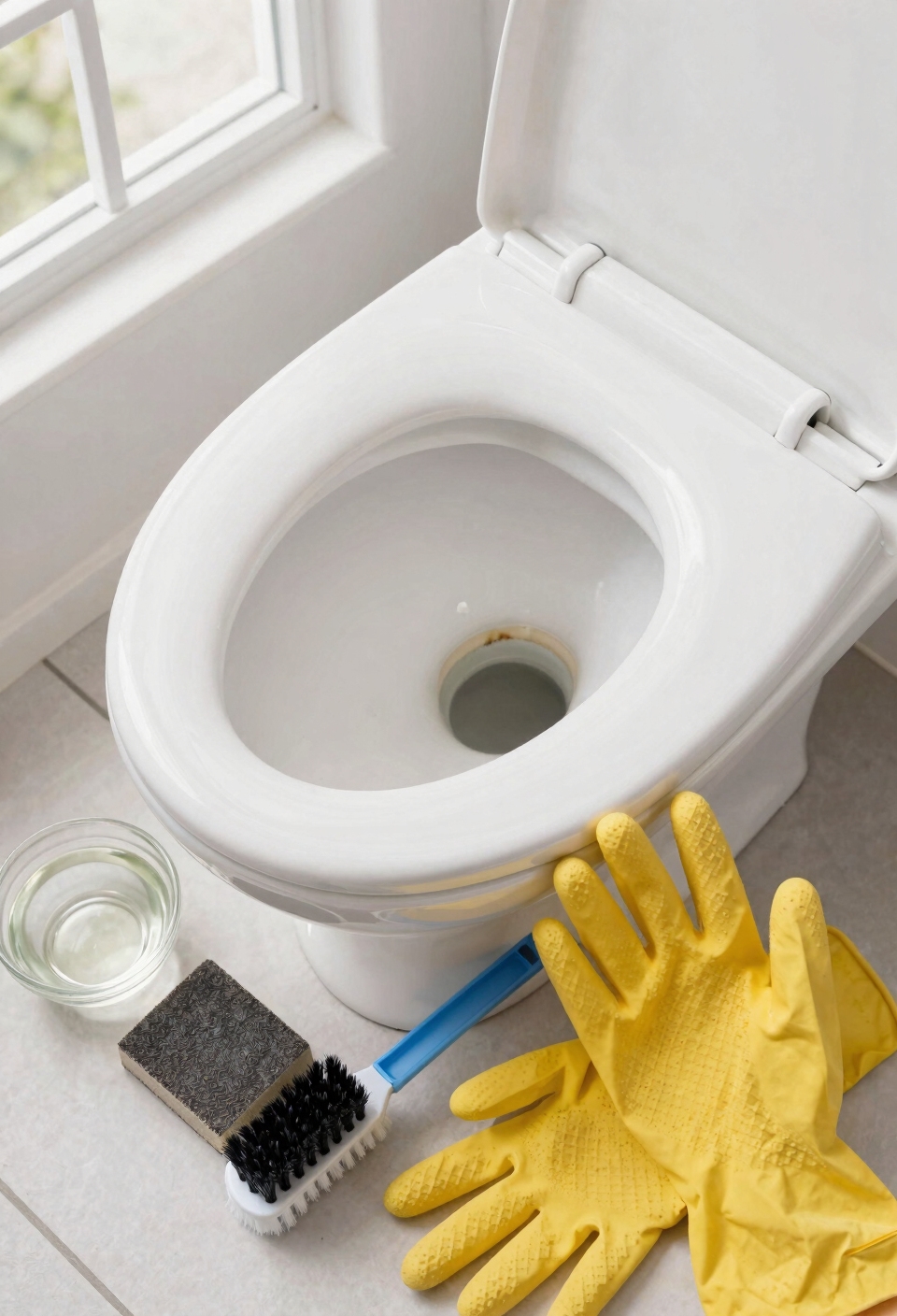
Let me walk you through the actual process that works—the one I’ve refined after way too many hours staring into toilet bowls. First, flush to clear loose soils, then lower the water level by forcing water through the trap with your bowl swab. Now apply your cleaner directly under the rim and straight onto that stubborn ring. I’m sure you’ve noticed how hard water deposits cling to porcelain—that’s why you’ll want to let your cleaner sit for the time the label specifies, keeping everything wet. A vinegar soak works decently for lighter rings, honestly. For tougher buildup, scrub firm circular motions with your swab or drywall screen, then hit it with a baking soda scrub for extra abrasive action. Consider using citric acid formula cleaners for mineral deposits, as they remove hard-water buildup with minimal scrubbing required. Flush thoroughly and inspect. Repeat if needed.
Recommended Products

COMMERCIAL GRADE: Powerful Salt & Scale Removal. Heavy-duty urinal salt remover and urinal cleaner descaler breaks down uric acid, scale, and urinal calcium buildup to restore drain flow and prevent costly plumbing repairs.
[99.9% Lead Reduction for Safer Water] Featuring a 44× larger filtration surface and a food-grade coconut shell carbon block, this system effectively reduces up to 99.9% of lead and also reduces chlorine, BPA, PFAS, such as PFOA, PFOS and other harmful contaminants. Enjoy cleaner, safer water throughout your home.

Use on fiberglass only
Which Tools Clean Without Damaging Porcelain?
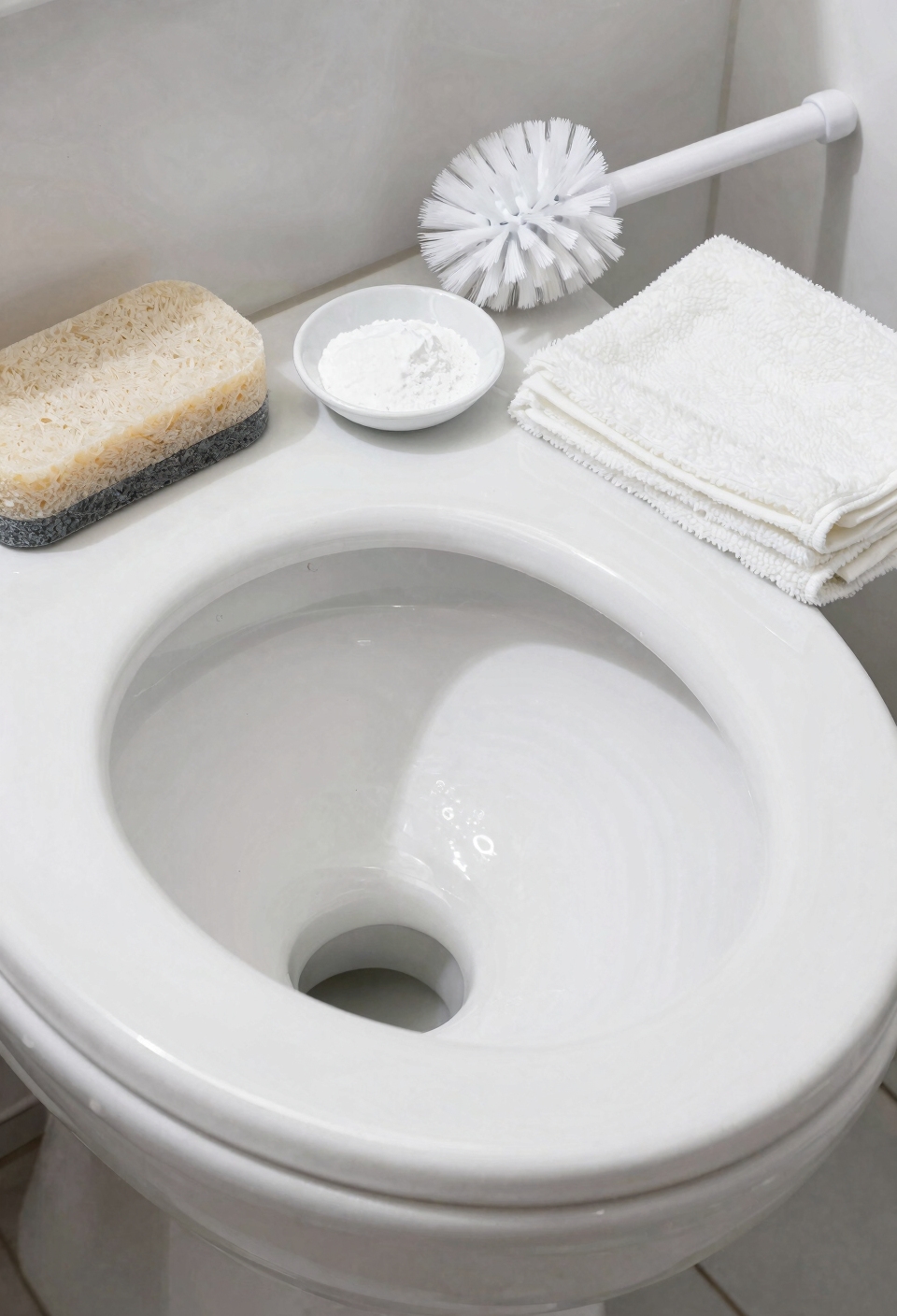
Choosing the right tool matters way more than most people think, because the wrong one’ll scratch your porcelain so bad you’ll end up with a permanently etched surface that actually attracts more mineral deposits—kind of like how a rough wall collects dust worse than a smooth one. I’m sure you’ve noticed how quickly grime sticks to damaged spots.
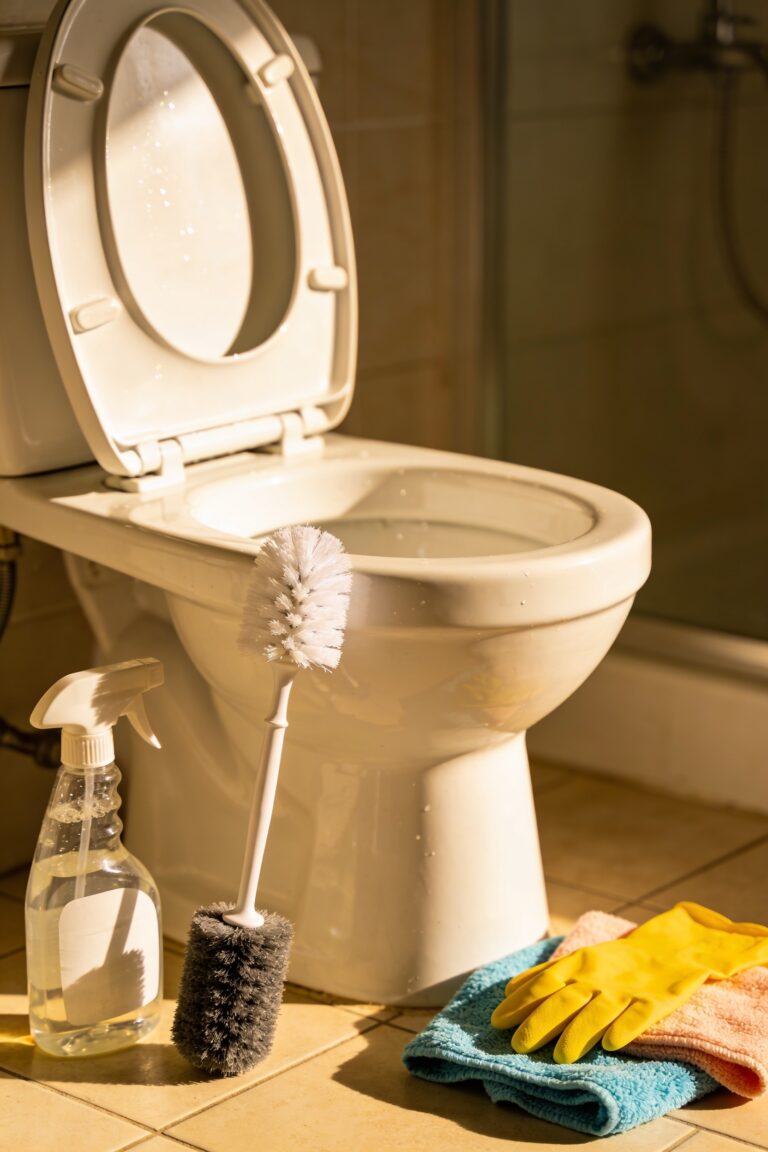
Microfiber brushes and nonabrasive pads are your safest bets. They grip cleaner without gouging the surface. Bowl swabs work great too since they’re specifically designed for toilet use. I mean, pumice stone gets results on stubborn rings, but honestly, you’ve gotta be careful—wet it thoroughly and use light pressure, or you’re playing with fire. The drywall screen trick? Yeah, it works, but it’s abrasive enough that I’d reserve it for absolute last resorts when nothing else budges that mineral ring. For the best results without risk, look for brushes with PP+TPR bristles, which offer the right balance of flexibility and durability to scrub effectively while keeping your porcelain surface safe from damage.
Recommended Products
ANTI-FOG & SHATTER-PROOF SAFE DESIGN-Intelligent constant temperature heating rapidly clears fog for clear visibility; 5 mm ultra-clear glass with shatter-proof film prevents dangerous shards if broken; anti-oxidation and waterproof coating resists yellowing and corrosion in humid bathrooms

Premium Stainless Steel Construction: Crafted from stainless steel with a fingerprint-proof surface, this 8-gallon step trash can offers easy cleaning and maintains a sleek, hygienic appearance in any setting.

Stylish Design for Bathroom Elegance: The Zone Denmark Nova One Toilet Brush is a statement of chic design, featuring a soft-touch coating that adds a touch of elegance to your bathroom. Beyond its functional role, this brush is a stylish accessory that seamlessly blends with modern decor, enhancing the overall aesthetic appeal of your bathroom.
Lower Water Levels to Expose Buildup
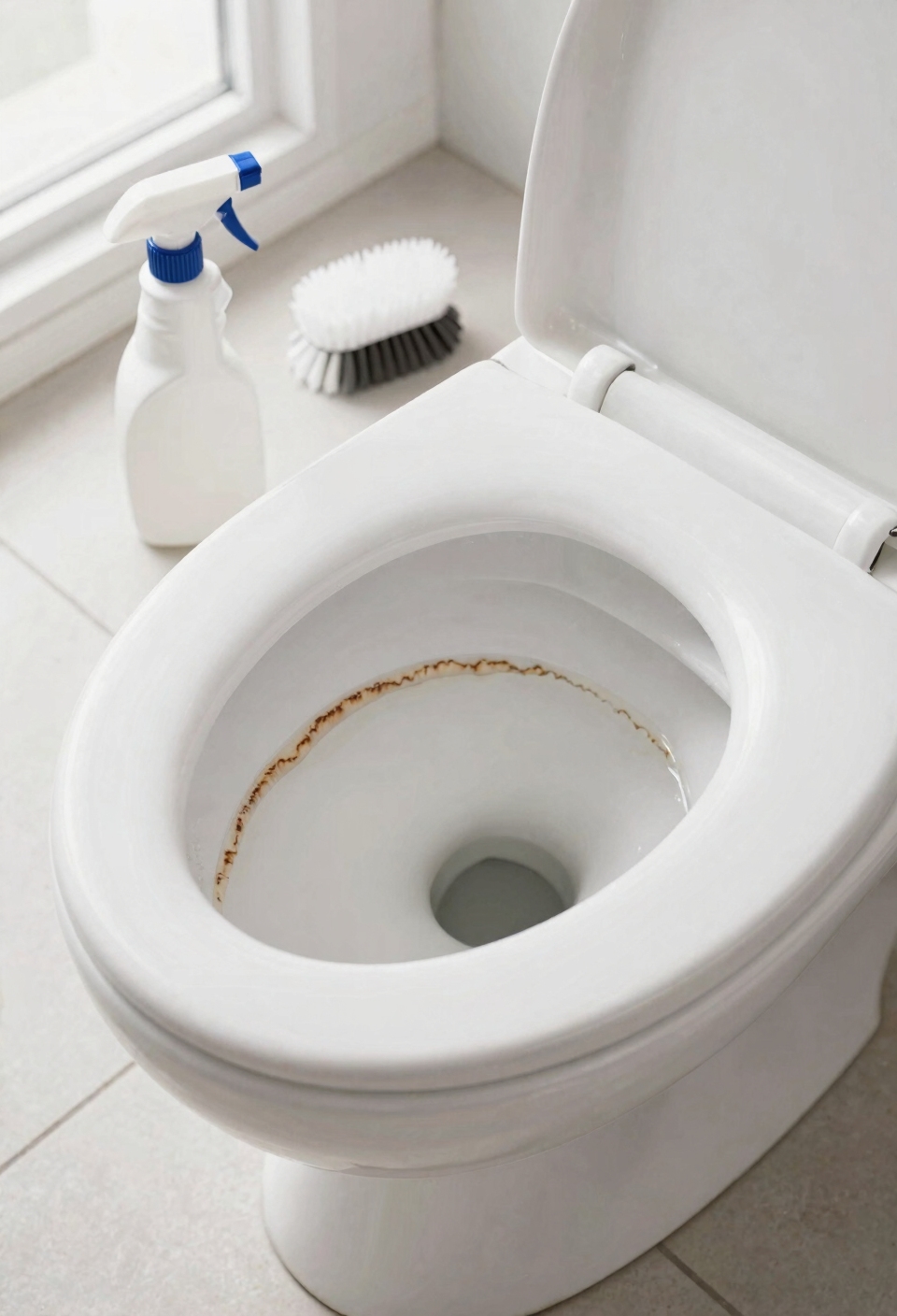
You can’t really attack a toilet ring you can’t see, which is why dropping that water level first makes all the difference—it’s the setup move that makes everything else actually work. I use my bowl swab to force water through the trap, lowering that waterline markedly. This water reduction exposes the full ring so you’re not cleaning blind spots or wasting product on submerged buildup. Now here’s the thing: bowl exposure matters because those hard water minerals sit right at that waterline, and they’re way easier to hit when they’re fully visible and accessible. Once you’ve got proper exposure, your cleaner—whether Bar Keepers Friend or an acid product—actually contacts the buildup instead of dissolving into standing water. For severe mineral deposits and rust stains, angled nozzle designs on gel cleaners help reach those exposed under-rim areas more effectively. It’s honestly the difference between struggling for an hour and finishing in twenty minutes.
Bar Keepers Friend vs. Pumice Stone
Once you’ve got that water level dropped and the ring fully exposed, two heavy hitters come into play—Bar Keepers Friend and a good wetted pumice stone—and honestly, they work so differently that calling them competitors isn’t really fair.
Bar Keepers Friend is a powder cleaner that dissolves minerals chemically, so you’re not really scrubbing as much as letting the product do the heavy lifting. It’s gentler on porcelain long-term, though the abrasive comparison matters here: pumice stone works through physical buffing, which can scratch if you’re not careful.
For environmental impact, Bar Keepers Friend biodegrades cleanly, while pumice leaves no chemical residue. For stubborn mineral deposits and limescale that resist both methods, cleaning screen pads offer a chemical-free abrasive alternative that flexes to curved surfaces without harsh powders or stones. I’d lean Bar Keepers Friend first, then pumice for stubborn spots that refuse to budge.
Recommended Products

Continuous Freshness with Every Flush: Keep your toilet bowl looking cleaner between regular brush cleanings. OceanBreezy releases a blue cleaning solution gradually with each flush to help reduce stain build-up and maintain a fresh bathroom scent.

Quickly Removes Rust, Dissolves Organic Stains And Cleans Hard Water Residue

Continuous Automatic Bowl Cleaning & Refreshing: Eliminate the need for daily manual scrubbing with every flush. These concentrated blue tablets release a powerful cleaner that softens limescale in the toilet, prevent unsightly toilet rings, and dissolve stubborn stains automatically. Keep your bathroom smelling crisp with a long-lasting Fresh deodorizing scent that targets odors at the source.
Why Acid Cleaners Dissolve Minerals Fast
If you’ve been staring at a toilet ring that Bar Keepers Friend barely made a dent in, I’m sure you’ve wondered why acid cleaners seem to obliterate the same buildup in half the time—and the answer’s actually pretty straightforward chemistry.
Here’s the thing: those hard water rings are mineral deposits—calcium, magnesium, iron compounds that’ve basically turned to stone. Acid cleaners work by attacking the acid-base chemistry of those minerals, dramatically increasing their mineral solubility. You’re fundamentally dissolving the bond holding those deposits together.
Bar Keepers Friend is gentler, which means it takes longer. Acid cleaners? They’re aggressive by design. Obviously there’s a tradeoff—you’ve gotta handle them carefully, never mix them with other cleaners, and wear gloves. But for stubborn rings, that chemical aggression gets results fast. Typical commercial HCl concentrations typically range from 10%–23%, with higher percentages delivering stronger action against mineral buildup.
Recommended Products

Cleans toilets without splashes or spills etching your delicate stone surfaces
Quality construction keeps toilets and urinals hygienic and sanitary

Prevent Future Hard Water Rings
Now that you’ve nuked that ring into oblivion with acid cleaner, here’s the part nobody wants to think about: doing it all over again in six months. I mean, prevention’s honestly easier than scrubbing, and I’m sure you’ve noticed that hard water just keeps coming back relentlessly. Start with weekly maintenance—yeah, it sounds like a lot, but ten minutes prevents those stubborn mineral rings from settling in the first place. Seriously consider installing water softeners if you’re in a hard water area; they’re genuinely game-changing and save you from constant cleaning battles. For ongoing maintenance between deep cleans, weekly application of a bleach-free toilet cleaner can help minimize buildup without constant scrubbing. Lower your water level slightly to reduce mineral deposits at the waterline, and keep that under-rim area clean. These habits? They’ll transform your toilet from a never-ending cleanup project into something actually manageable.
Recommended Products


AFWFilters Platinum air injection system to remove the highest levels of iron and sulfur from your water without using chemicals or salt. Just uses air and your water.

DIY install with supplemental instructions by AFWFilters
Frequently Asked Questions
Can I Use Vinegar or Baking Soda Instead of Commercial Toilet Bowl Cleaners?
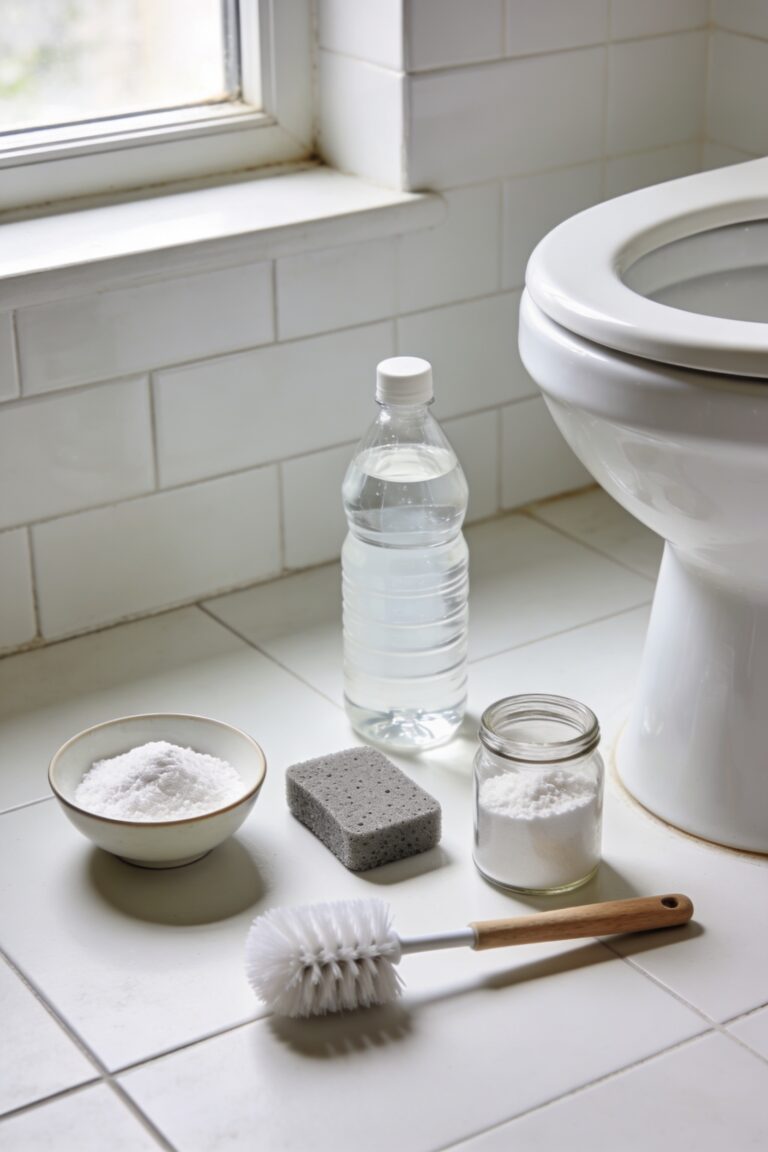
I’d recommend using vinegar alternatives and baking soda for mild rings, but they’re less effective than commercial acid cleaners for stubborn buildup. You’ll need stronger products like Bar Keepers Friend for heavy hard water deposits.
How Often Should I Descale My Toilet if I Have Extremely Hard Water?
I’d recommend you descale weekly—like maintaining a horse-drawn carriage. With extremely hard water, monthly descaling won’t cut it. I suggest weekly treatments plus seasonal maintenance checks to prevent stubborn buildup from forming permanently.
Is It Safe to Use a Wire Brush on Porcelain Toilet Bowls?
I’d avoid wire brushes on your porcelain toilet bowl since metal bristles can scratch and damage the surface. Instead, I recommend gentle nylon alternatives like bowl swabs or drywall screen for effective cleaning without harm.
What’s the Difference Between Hard Water Rings and Permanent Porcelain Staining or Damage?
I’ll explain the key distinction: hard water rings result from mineral deposition that you can remove with cleaning, while permanent staining involves surface etching that’s irreversible and can’t be cleaned away effectively.
Can Water Softeners Completely Eliminate Toilet Ring Buildup in My Home?
Water softeners substantially stop scale settling through ion exchange systems, but you’ll need consistent salt maintenance. They’re your best defense against buildup, though regular cleaning still prevents persistent rings.
Conclusion
Look, I’m telling you—those hard water rings don’t stand a chance once you’ve got the right tools in your arsenal. You’ve learned acid cleaners are basically mineral assassins, and yeah, Bar Keepers Friend hits different than a pumice stone. The real victory? You’re not calling a plumber, you’re scrubbing like a champion, and your toilet’s gleaming like fresh porcelain again. That’s the win right there.