As an Amazon Associate, we earn from qualifying purchases. Some links on this site are affiliate links at no extra cost to you. Our recommendations are based on thorough research and editorial judgment.

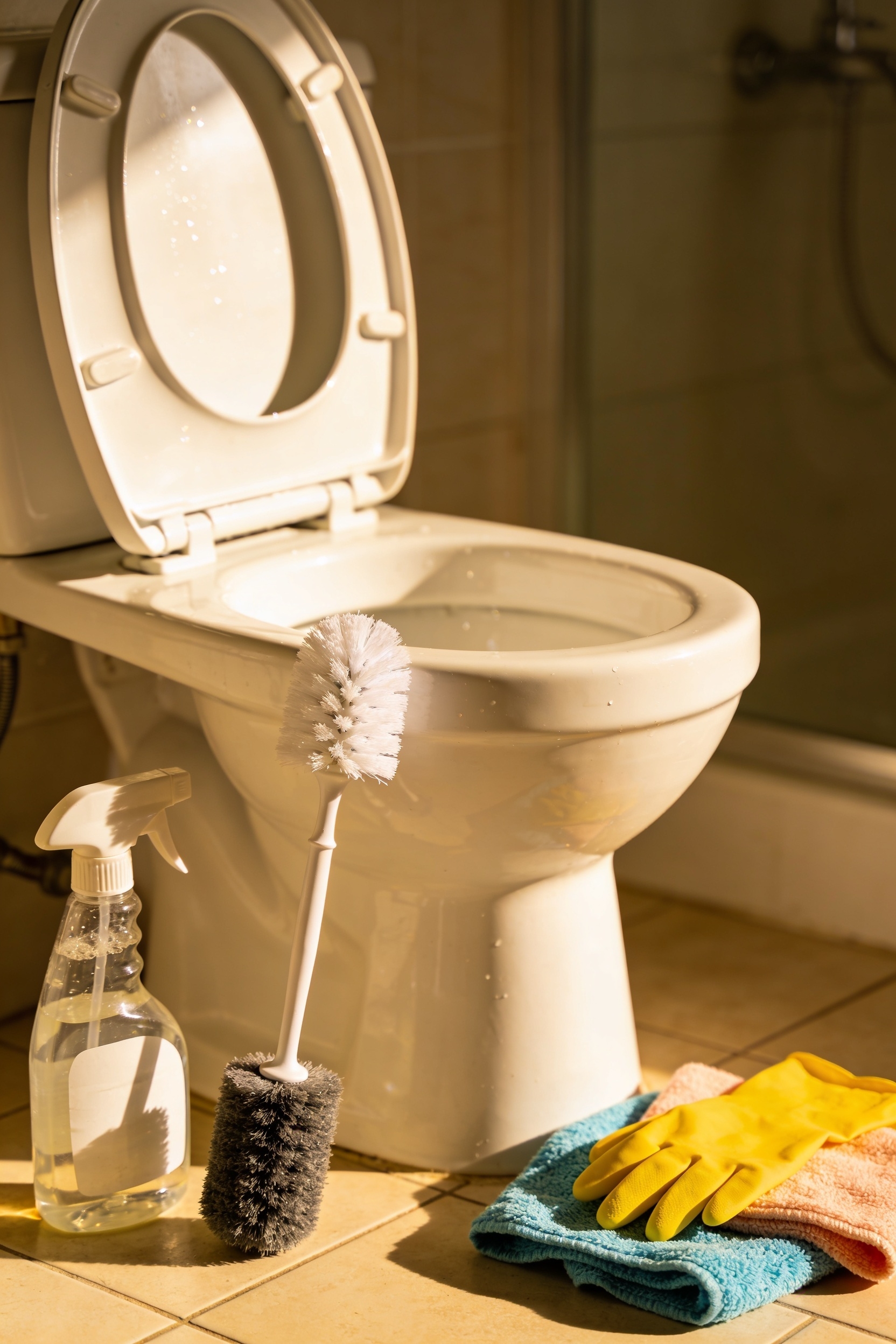
Why Your Toilet Needs Weekly Deep Disinfection

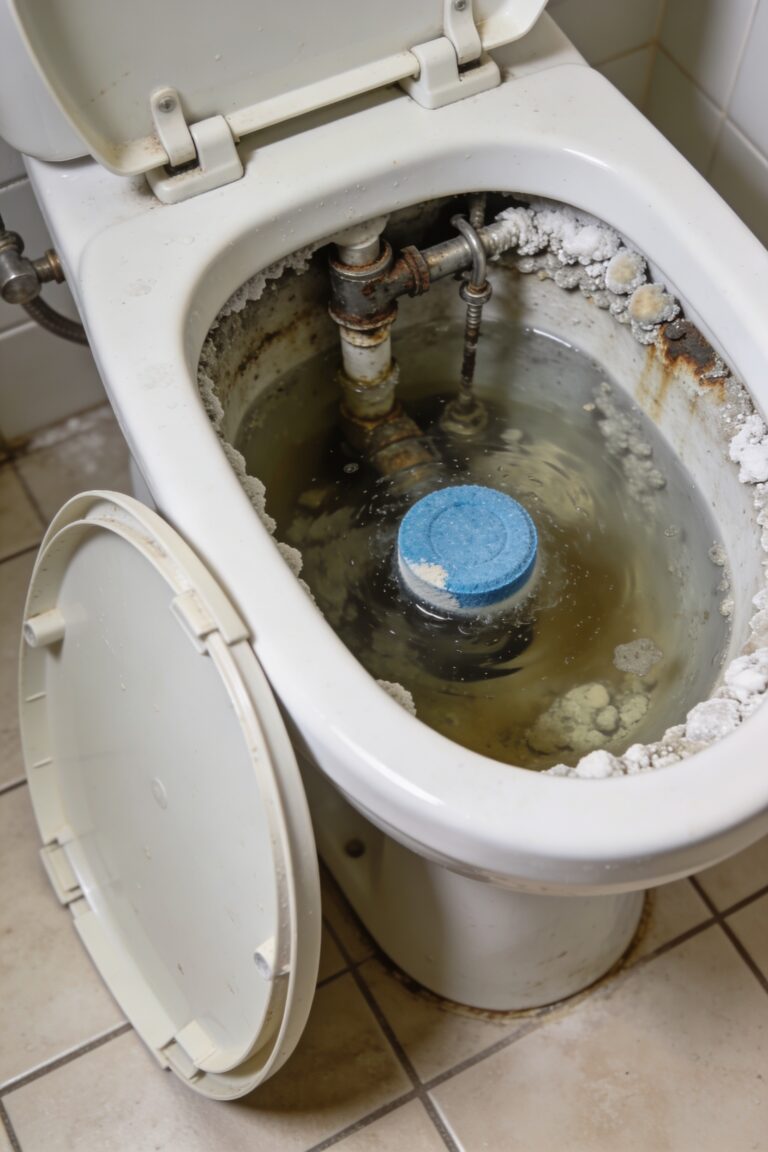
Those colored rings around your toilet’s waterline? That’s not dirt—it’s biofilm, a living bacterial colony that regular flushing and cleaning can’t kill. I’m sure you’ve noticed how scrubbing alone doesn’t really solve it. Here’s the deal: biofilm harbors pathogens like E. coli and MRSA that hide beneath a protective barrier, multiplying exponentially if left untreated. Weekly disinfection penetrates where cleaners can’t, eliminating 99.9% of bacteria and protecting your family from infection. Stick around to discover which products actually work and how to do it right.
Key Takeaways
- Biofilm harbors dangerous pathogens like E. coli and MRSA that flushing and routine cleaning cannot remove.
- Flushing creates aerosols dispersing bacteria up to six feet, requiring disinfection to protect respiratory health.
- Colored rings and persistent odors indicate bacterial colonies multiplying exponentially within biofilm barriers on porcelain.
- Weekly disinfection kills 99.9% of bacteria and viruses that cleaners alone miss, reducing infection risk.
- Consistent deep disinfection prevents odor, surface corrosion, and reduces antibiotic need through measurable pathogen elimination.
Why Your Toilet Needs Disinfection (It’s Not Just Dirt)
I’m sure you’ve noticed those colored rings around your toilet bowl—pink, brown, maybe even black if you’ve been neglecting things—and figured it’s just a cosmetic issue, something that looks gross but probably isn’t worth obsessing over. Here’s the thing though: those rings aren’t just dirt. They’re biofilm, a breeding ground for serious pathogens like E. coli, MRSA, and Legionnaire’s disease that actually persist despite regular flushing. When you flush, aerosols launch germs up to six feet away, contaminating your bathroom air and surfaces. Meanwhile, bacteria transfer from your toilet to your sink via that biofilm layer. Weekly disinfection tackles odor control and prevents surface corrosion while killing the 99.9% of bacteria that cleaning alone can’t touch. Products with natural enzymes can break down organic waste and biofilm while supporting your septic system’s health. It’s not paranoia—it’s prevention.
The Germs Living in Your Toilet Bowl (and Why Flushing Won’t Stop Them)
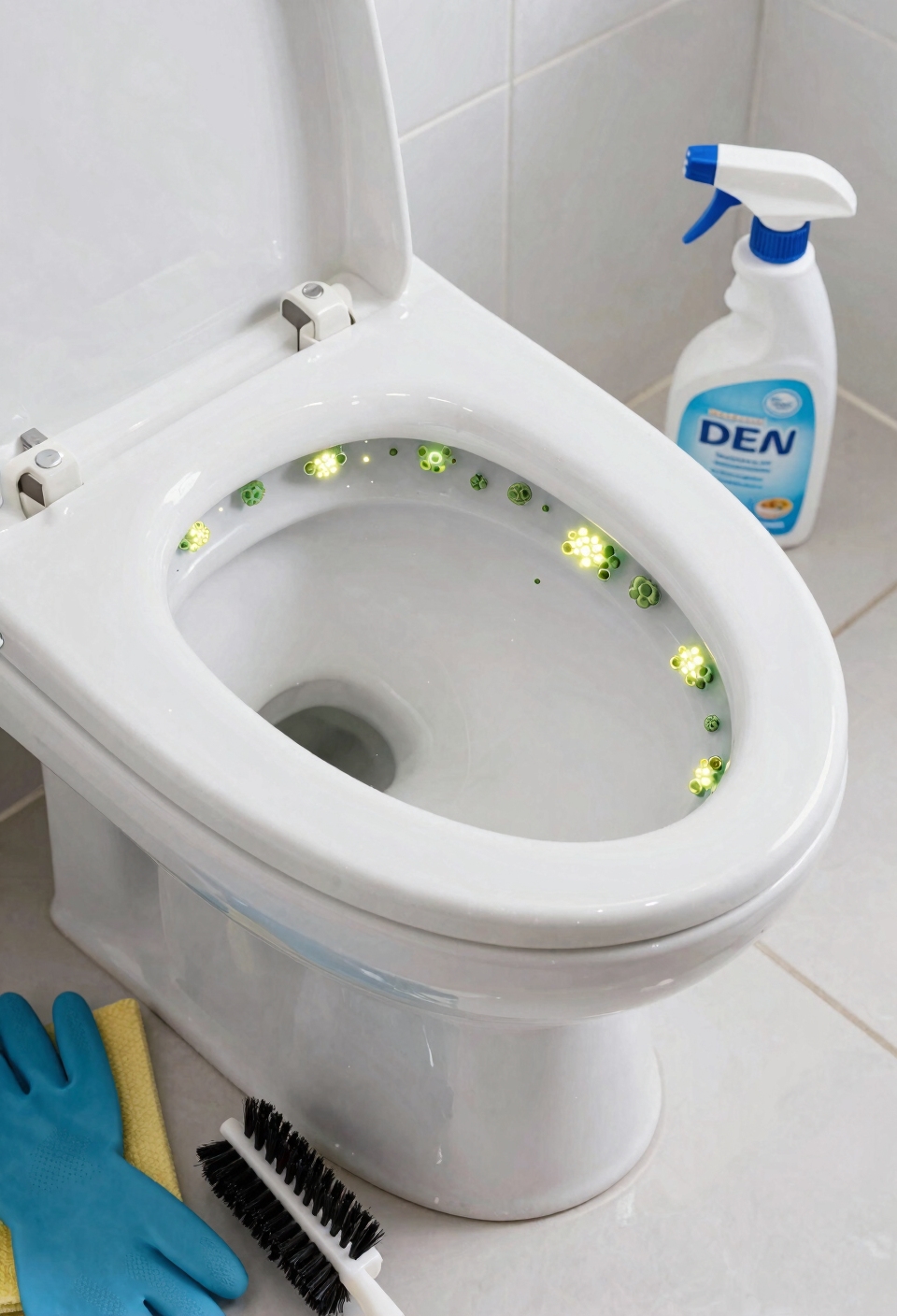
The germs aren’t just hanging out in the water you’re flushing away—they’re burrowed into the porcelain itself, locked in a biofilm that treats each flush like a minor inconvenience rather than an eviction notice. I’m sure you’ve noticed those pink or brown rings around the waterline. That’s bacteria having a party, and flushing won’t touch it.
Now, here’s the thing: toilet aerosols from flushing propel pathogens like Salmonella up to six feet into your bathroom air. Worse, biofilm harbors E. coli and MRSA that survive despite constant water movement. Even plumbing reflux can push contaminated water back toward your sink. Standard gravity-fed plumbing systems are equally vulnerable to bacterial buildup as macerating toilet systems, since both rely on water flow that cannot penetrate biofilm barriers.
Water alone can’t penetrate that biofilm barrier. You need actual disinfection—scrubbing with products designed to kill 99.9% of bacteria. That’s why weekly deep cleaning matters.
How Biofilm Turns Your Toilet Into a Bacteria Factory
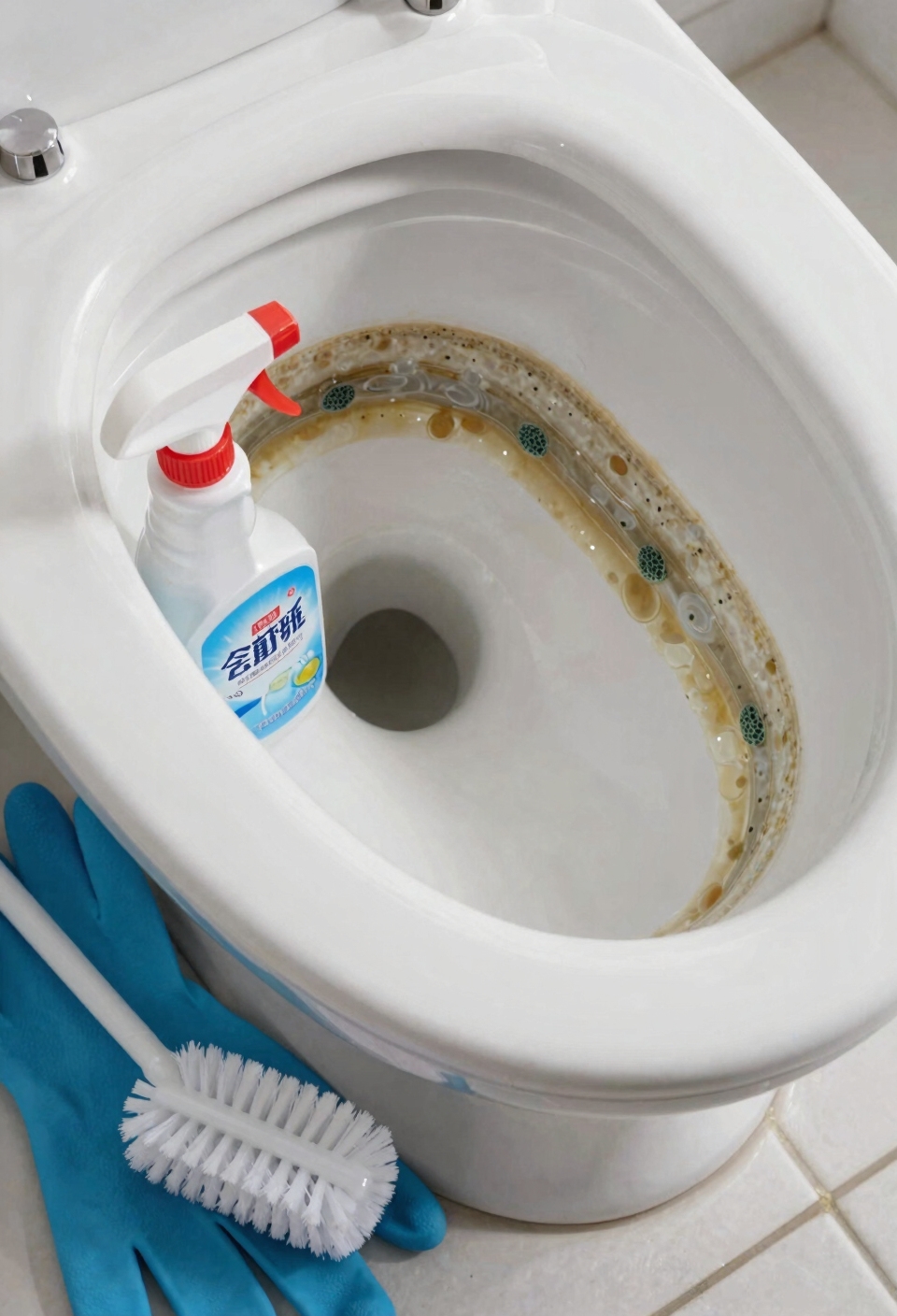
Once biofilm gets a foothold in your toilet, you’re looking at a self-sustaining bacteria factory that only accelerates the problem—and here’s why: bacteria multiply exponentially in those slimy layers, doubling their population every few hours if you’re only cleaning when things look obviously gross. I mean, we’re talking microbial ecology at its most efficient. That pink or brown ring you see? That’s biofilm mechanics in action—bacteria cementing themselves together with polysaccharides, creating a protective matrix that laughs in the face of flushing water. Inside those layers, pathogens like E. coli and Listeria survive and thrive, protected from your toilet’s natural water flow. Weekly disinfection actually disrupts this cycle before it snowballs, and using enzyme-powered formulas can actively break down organic waste and biofilm buildup while supporting your system’s health. Skip it, and you’re basically culturing a petri dish.
Recommended Products

Controls odors almost instantaneously.

Multi enzyme digestant and spotter
Signs Your Toilet Needs Deep Cleaning
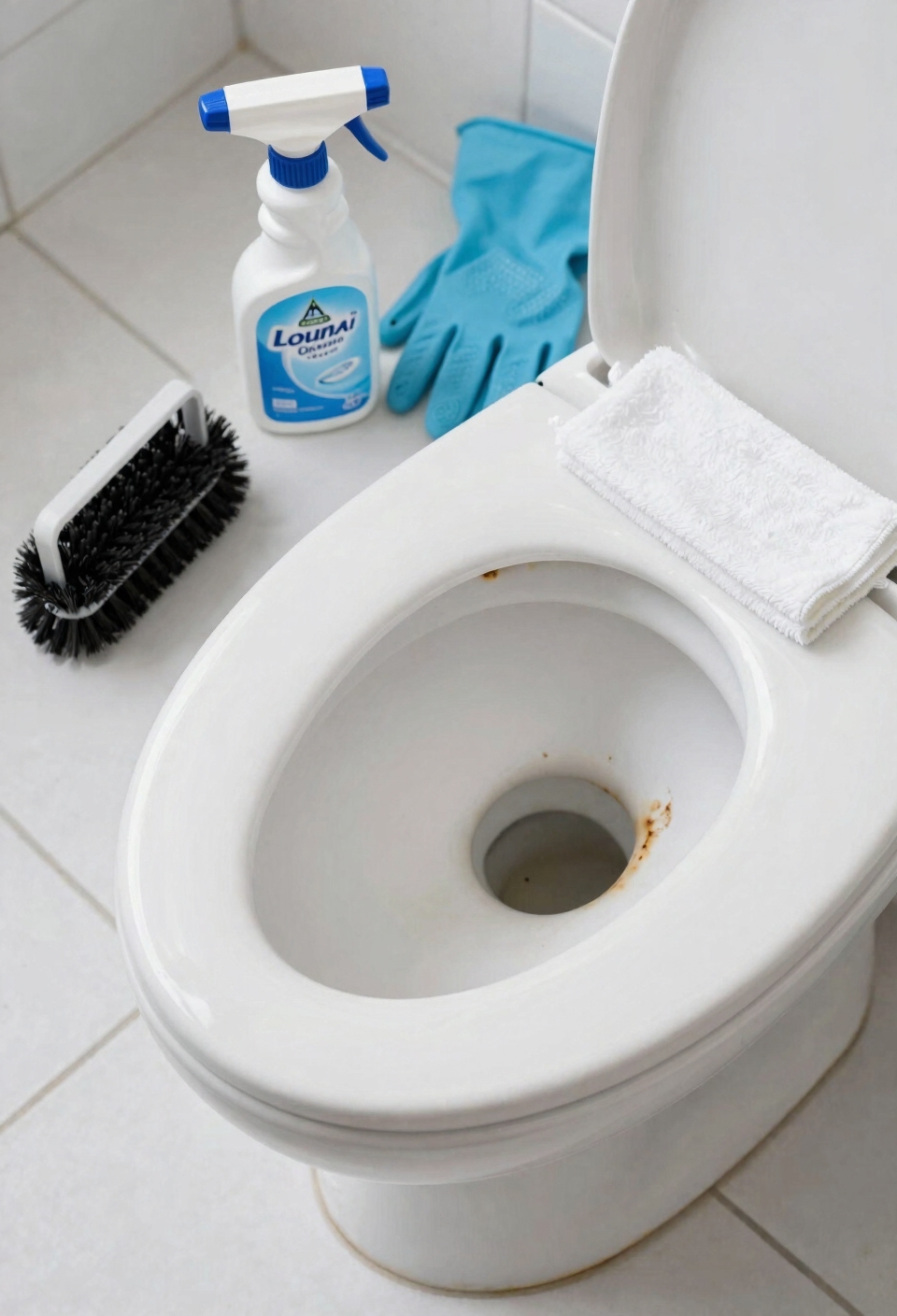
Before you convince yourself that your toilet’s just “doing its thing,” you should know that visual cues aren’t actually waiting politely for you to notice them—they’re already screaming that you’ve got a biofilm situation brewing underneath the waterline. Those pink, brown, or black rings circling the bowl? That’s bacterial buildup telling you it’s time. I’m sure you’ve noticed stubborn stains that won’t budge with casual scrubbing—that’s biofilm territory. Persistent odors linger because bacteria’s throwing a party in there. Check your seat hinge care too; discoloration around hinges signals neglect. Clog indicators like slow drainage mean biofilm’s accumulating inside, not just on visible surfaces. For effective removal of tough stains and bacteria, septic-safe cleaners offer powerful solutions without compromising your system’s health. Don’t wait for things to worsen. These signs mean you need serious disinfection now.
Recommended Products

For use with the American Standard ActiClean toilet only

NEVER SCRUB YOUR TOILET AGAIN - Stop wasting time with gross toilet brushes and harsh chemicals! Go hands-free with Happy Toilet bowl tablet holder in tank toilet bowl cleaner by turning your toilet into an automatic toilet cleaner.

POWERFUL CLEAN, NO HARSH CHEMICALS Effectively cleans toilet bowls and helps remove stains and buildup using a plant-based formula—without chlorine bleach, phosphates, or harsh fumes.
Cleaning vs. Disinfecting: Why One Isn’t Enough
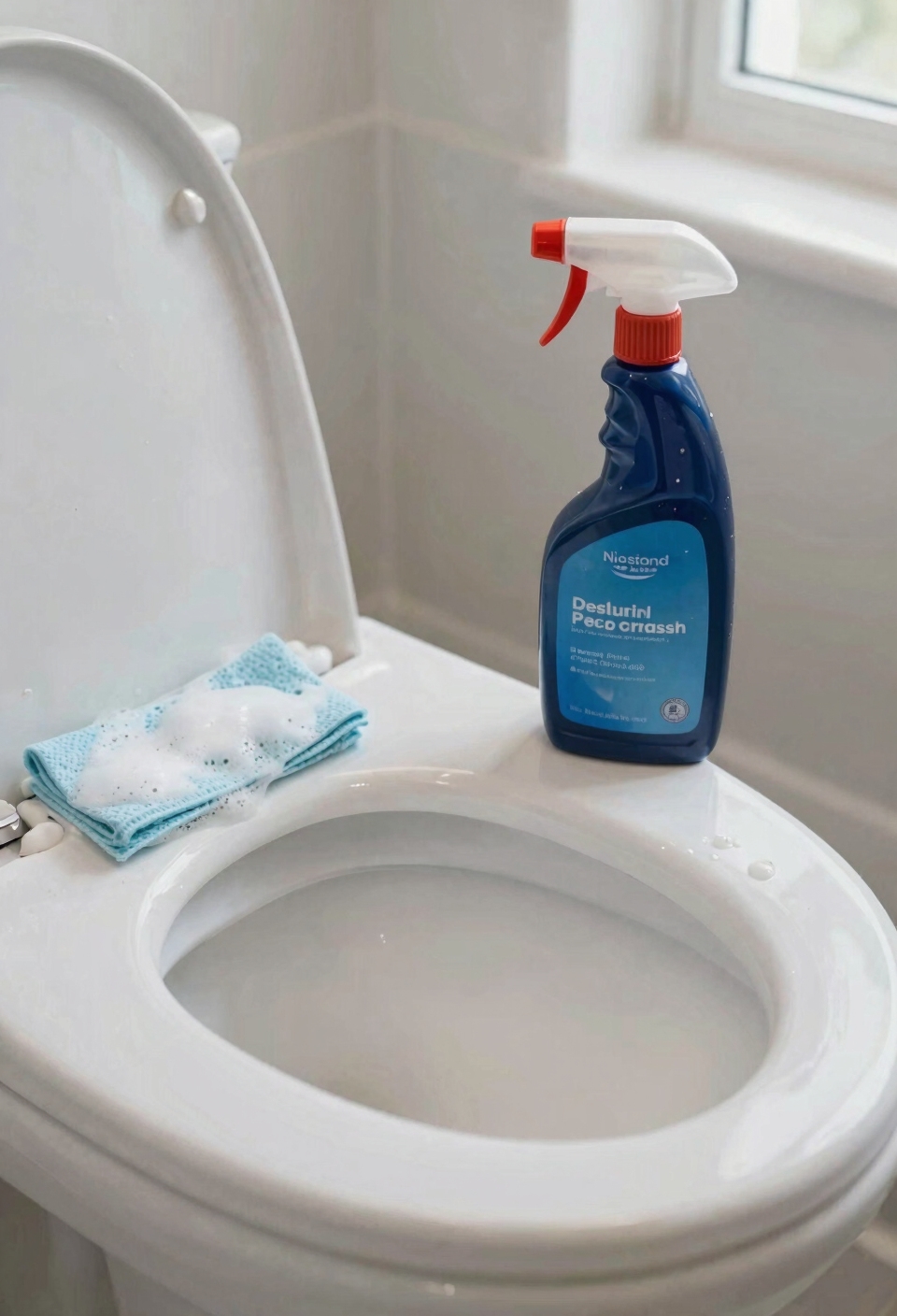
Now that you’ve spotted those telltale rings and realized your toilet’s harboring way more than just water, here’s where most people make a critical mistake: they grab a bottle of something called “toilet cleaner” and figure they’re done. Here’s the thing—cleaning and disinfecting aren’t the same beast. Cleaning removes surface residue and visible gunk, sure. But disinfecting? That kills 99.9% of bacteria and viruses lurking beneath. You can wipe away all the dirt you want, but chemical misuse happens when you skip the disinfection step entirely. Most cleaners alone won’t eliminate biofilm or those dangerous pathogens. Products like Lysol Max Strength offer bleach-free formulas that kill 99.9% of household bacteria and viruses while providing the disinfecting power that basic cleaners lack. You need actual disinfectant—something with real killing power—applied properly inside that bowl. One without the other leaves you thinking you’re protected when you’re really not.
Recommended Products

Eliminates 99.9%^ of the virus that causes COVID-19*** on hard non-porous surfaces in 1 minute! See product label for additional *Virucidal, Bactericidal, Fungicidal Activity

Suitable for compliance with the Bloodborne Pathogen Standard

Versatile design offers 1-step solution to clean and disinfect
How to Disinfect Your Toilet (Step-by-Step)
Grab your disinfectant and toilet brush—this is where you actually kill what’s been living in there. First, put on protective gloves because you’re about to get serious with bacteria. Squirt your disinfectant under the rim and around the bowl’s interior, letting it sit for a few minutes so it can actually do its job. Now scrub everything with your toilet brush, hitting those waterline rings where biofilm hangs out like it owns the place. Open a window for natural ventilation because, well, you don’t want to breathe in whatever you’re killing. For tough stains and deposits that resist manual scrubbing, consider using a clinging formula designed to extend contact time and maximize cleaning efficacy. Flush once you’ve scrubbed thoroughly. Follow up by wiping down the exterior—seat, lid, handle—with your cleaner. That’s it. You’ve just eliminated 99.9% of the pathogens that were throwing a party in your porcelain.
Recommended Products

Eliminates 99.9%^ of the virus that causes COVID-19*** on hard non-porous surfaces in 1 minute! See product label for additional *Virucidal, Bactericidal, Fungicidal Activity

One-step clinging acid restroom disinfectant/cleaner.

Your Weekly Toilet Disinfection Checklist
Weekly deep disinfection isn’t really optional if you’re serious about keeping your toilet from becoming a bacterial resort, and I’m sure you’ve noticed that those colored rings around the waterline don’t just disappear on their own—they’re basically biofilm‘s way of waving hello. Here’s your supply checklist: toilet-specific disinfectant (hydrogen peroxide-based works great), a sturdy toilet brush, rubber gloves, and all-purpose cleaner for the exterior. Now, I mean, keeping a restocking schedule prevents you from scrambling when you actually need to clean. I like Sunday mornings—gives me the week’s head start. Scrub inside the bowl thoroughly, let disinfectant sit a few minutes, then tackle the seat, lid, and handle. For households with hard water, consider that mineral deposits may require more frequent application than standard cleaners to maintain effectiveness. That’s genuinely it. Consistency beats perfection every single time.
Best Products for Effective Toilet Disinfection
Once you’ve committed to weekly disinfection, the products you choose matter way more than most people think—and I’m not just talking about picking whatever’s on sale at the grocery store. Look, I’d recommend toilet-specific disinfectants designed for porcelain because they actually kill the biofilm where bacteria hide. Plant based disinfectants with hydrogen peroxide work great if you’re worried about harsh chemicals around your family. For septic systems specifically, septic-safe cleaners like those with plant-derived ingredients and biodegradable components protect your tank while still delivering effective disinfection. Honestly, fragrance free options are underrated—they let you tell if you’re actually getting the job done instead of just masking problems. Skip wipes and sprays alone; they won’t cut it. You need something that pairs with serious scrubbing to hit 99.9% bacteria elimination. Read labels carefully. Your toilet’s longevity depends on it.
Recommended Products

400 Vinegar Wipes per Container - Made of high quality 100% plant-based cloth and pre-saturated with our natural cleaning wipes formula, making for an environmentally friendlier waste.

Multi Surface Cleaning Strength: Effortlessly cleans and sanitizes all surfaces in your home, restaurant or business, including counters, tables, floors, and more.

Also Available at CompleteOfficeUSA.com
The Long-Term Health Benefits of Regular Disinfection
Honestly, I think most people severely underestimate how much difference consistent toilet disinfection makes to their family’s actual health—and I don’t mean just feeling like your bathroom is cleaner, I mean real, measurable protection against the kinds of infections that’ll send you scrambling for antibiotics or worse. When you’re disinfecting weekly, you’re building immune resilience by reducing your exposure to persistent pathogens like E. coli and MRSA that hang out in biofilm. You’re also getting respiratory protection—flushing aerosols carry germs six feet, so fewer bacteria means cleaner air you’re actually breathing. Choosing septic-safe cleaners with biodegradable ingredients ensures your disinfection routine protects both your family’s health and your septic system’s bacterial balance. I’m sure you’ve noticed how consistently maintained bathrooms just feel healthier. That’s not placebo. Your body knows the difference.
Frequently Asked Questions
Can I Use Regular Household Bleach Instead of Toilet-Specific Disinfectants Safely?
I wouldn’t recommend regular household bleach on porcelain—it’ll damage the surface. I’d suggest toilet-specific disinfectants or bleach alternatives like hydrogen peroxide-based cleaners for better surface compatibility and safer results.
How Long Should Disinfectant Sit in the Bowl Before Scrubbing for Effectiveness?
I’d let that disinfectant sit for 10-15 minutes—that’s your contact time window where it’ll kill 99.9% of pathogens. With organic alternatives like hydrogen peroxide, you might need slightly longer to guarantee effectiveness before scrubbing.
Is Weekly Disinfection Sufficient for Households With Immunocompromised or Elderly Members?
Weekly disinfection isn’t sufficient for immunocompromised or elderly members. I’d recommend daily disinfection with caregiver protocols and strict immune precautions to prevent serious infections like Legionnaire’s disease and MRSA.
What’s the Cost Difference Between Weekly DIY Disinfection Versus Professional Cleaning Services?
Your wallet’s a battlefield between DIY savings and professional service guarantees. I’d estimate DIY costs you $5-15 monthly versus $100-200 for professional services, making self-disinfection dramatically more economical long-term.
Can Hard Water Buildup Interfere With Disinfectant Effectiveness on Toilet Surfaces?
Yes, hard water buildup definitely interferes with disinfectant effectiveness. I’d recommend addressing mineral scaling first, as surface pitting prevents disinfectants from reaching bacteria properly underneath.
Conclusion
Look, I know weekly disinfection sounds like overkill—trust me, I thought so too. But here’s the thing: an ounce of prevention beats a pound of cure. You’re not just cleaning; you’re stopping bacteria colonies before they become your bathroom’s permanent residents. Your family’s health is worth fifteen minutes a week. Start today, and you’ll wonder why you ever waited this long.