As an Amazon Associate, we earn from qualifying purchases. Some links on this site are affiliate links at no extra cost to you. Our recommendations are based on thorough research and editorial judgment.

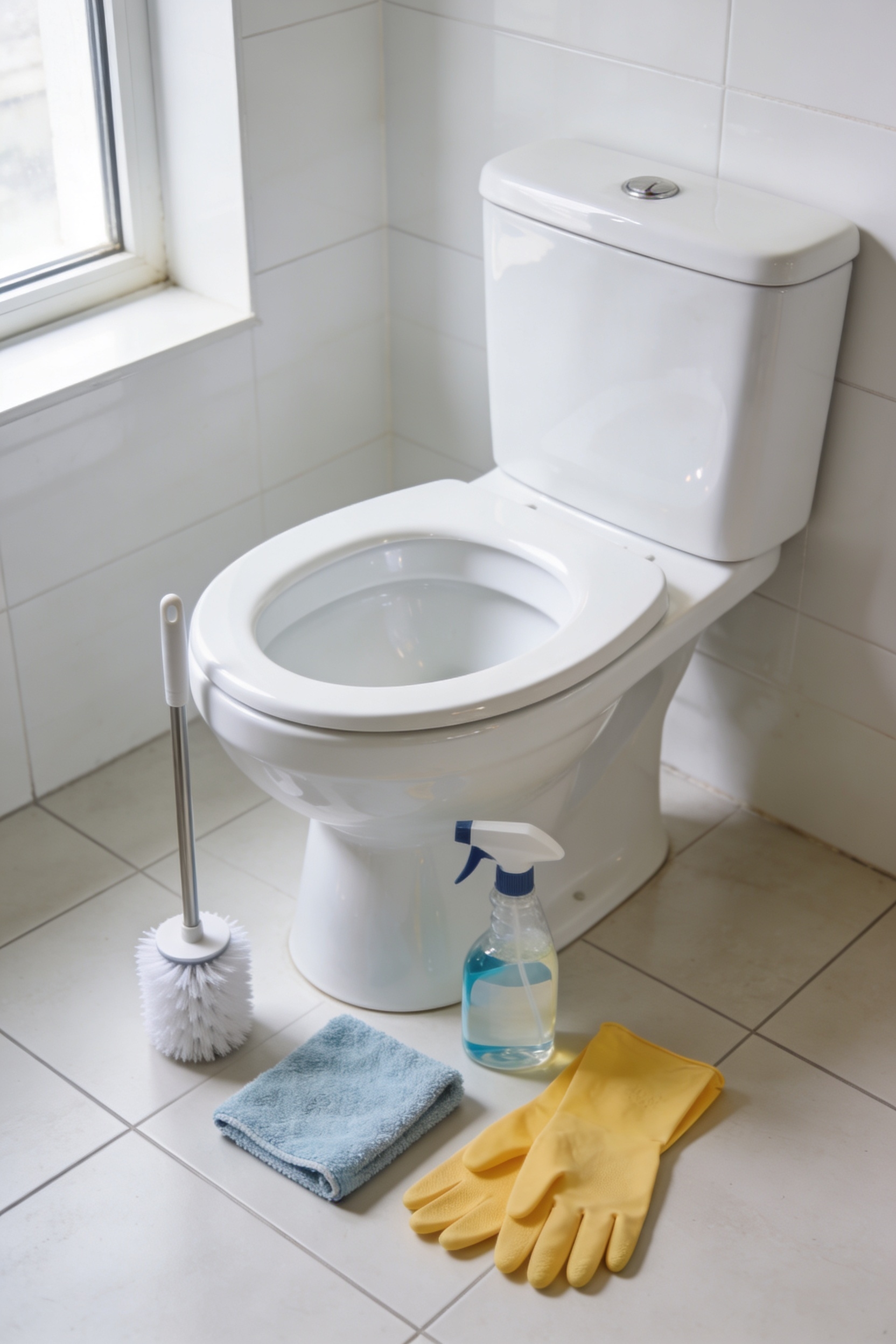
3 Best Weekly Toilet Upkeep Tips For Landlords

you’ve got three moves that’ll save you serious money. First, hit your toilets weekly with baking soda and vinegar—let it fizz, scrub it out, boom. Second, drop food coloring in the tank once a week to catch silent leaks before they drain your wallet. Third, get crystal clear in your lease about what goes down—no wipes, no feminine products, nothing but the basics. These fifteen minutes of work? They’ll cut your repair calls in half, but there’s more nuance to each method worth understanding.
Key Takeaways
- Clean weekly with baking soda and vinegar to break down buildup, stains, and mineral deposits efficiently.
- Test for silent leaks weekly using food coloring in the tank to detect costly water waste early.
- Include explicit flushing rules in lease agreements specifying toilet-paper-and-human-waste-only to prevent tenant-caused clogs.
- Post disposal signage above trash cans reinforcing lease rules increases tenant compliance and reduces maintenance calls.
- Stock baking soda and vinegar supplies for routine maintenance and provide tenants education on simple upkeep tasks.
Weekly Toilet Cleaning: Baking Soda and Vinegar Method
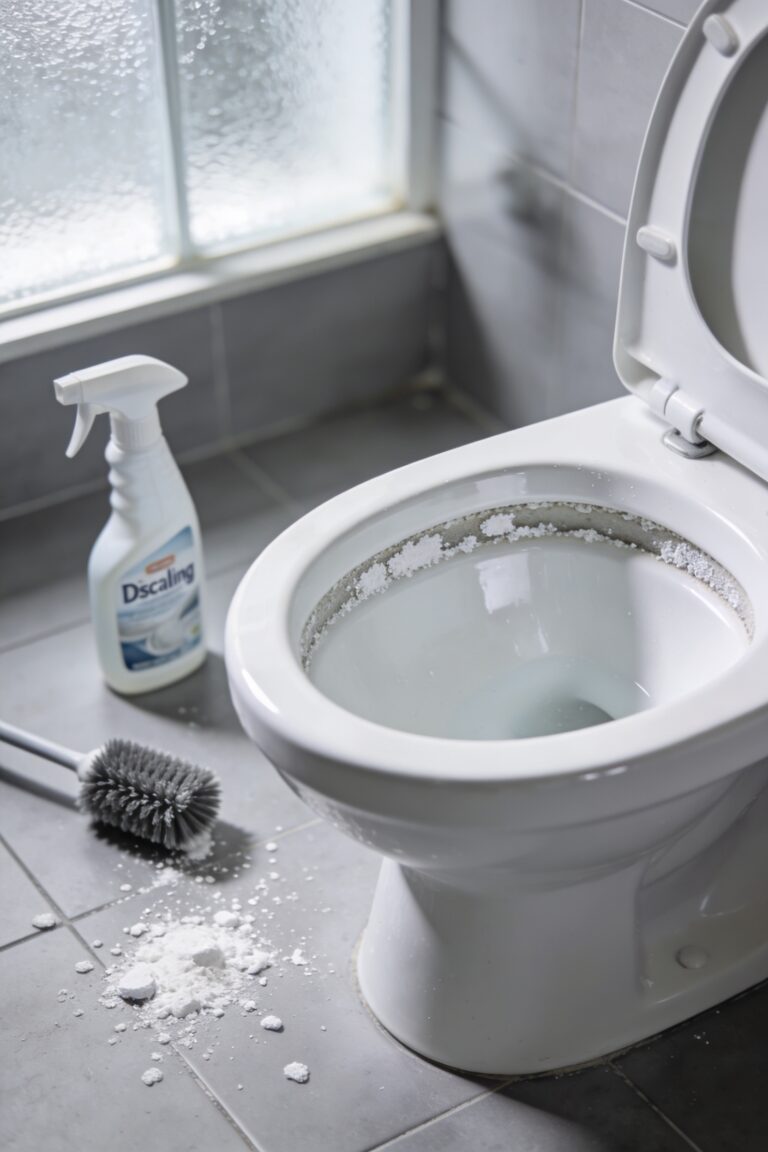
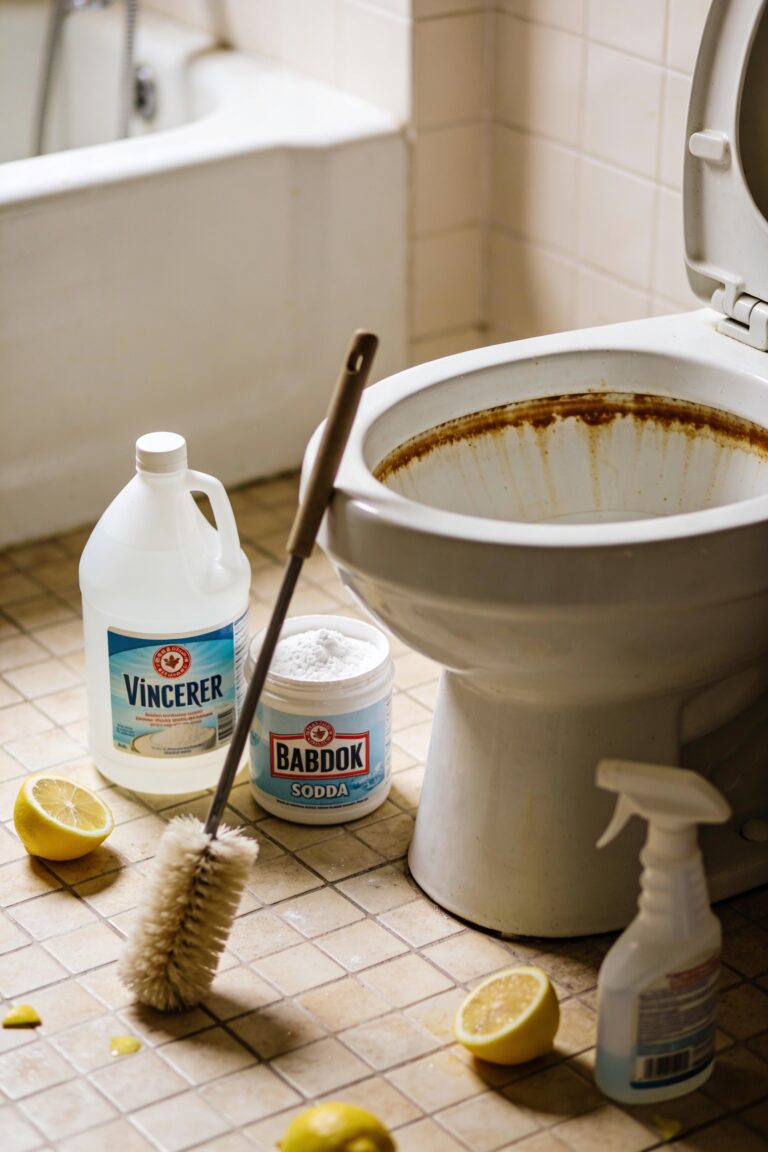
Look, I’m sure you’ve noticed that most commercial toilet cleaners come with a chemistry set’s worth of stuff you probably can’t pronounce, and honestly, you don’t need them — especially if you’ve got kids or pets around who might decide the bathroom is a good place to explore. Here’s what actually works: sprinkle baking soda around the bowl, then pour vinegar on top. That vinegar fizz? It’s doing real work, breaking down buildup and stains without any sketchy fumes. Let it sit a few minutes, scrub with a toilet-safe brush, and you’re done. Make a baking paste with a little water if you’ve got stubborn spots. For hard water and mineral buildup that baking soda and vinegar can’t quite handle, you might consider eco-friendly alternatives specifically formulated to tackle those tougher deposits. I’m telling you, this method handles weekly cleaning just fine. Your tenants can handle it too, and you won’t worry about what they’re breathing.
Recommended Products

PURE Borax! Never adulterated, no additives, preservatives, or fillers.

THE BEST CITRIC ACID: We take pride in providing you with the absolute best citric acid, delivering a product that surpasses all expectations and enhances every culinary creation.

EFFECTIVE IN CLEANING - Effectively help you clean the tank, water pipe and other parts of the toilet.
Test for Leaks Weekly With the Food Coloring Method
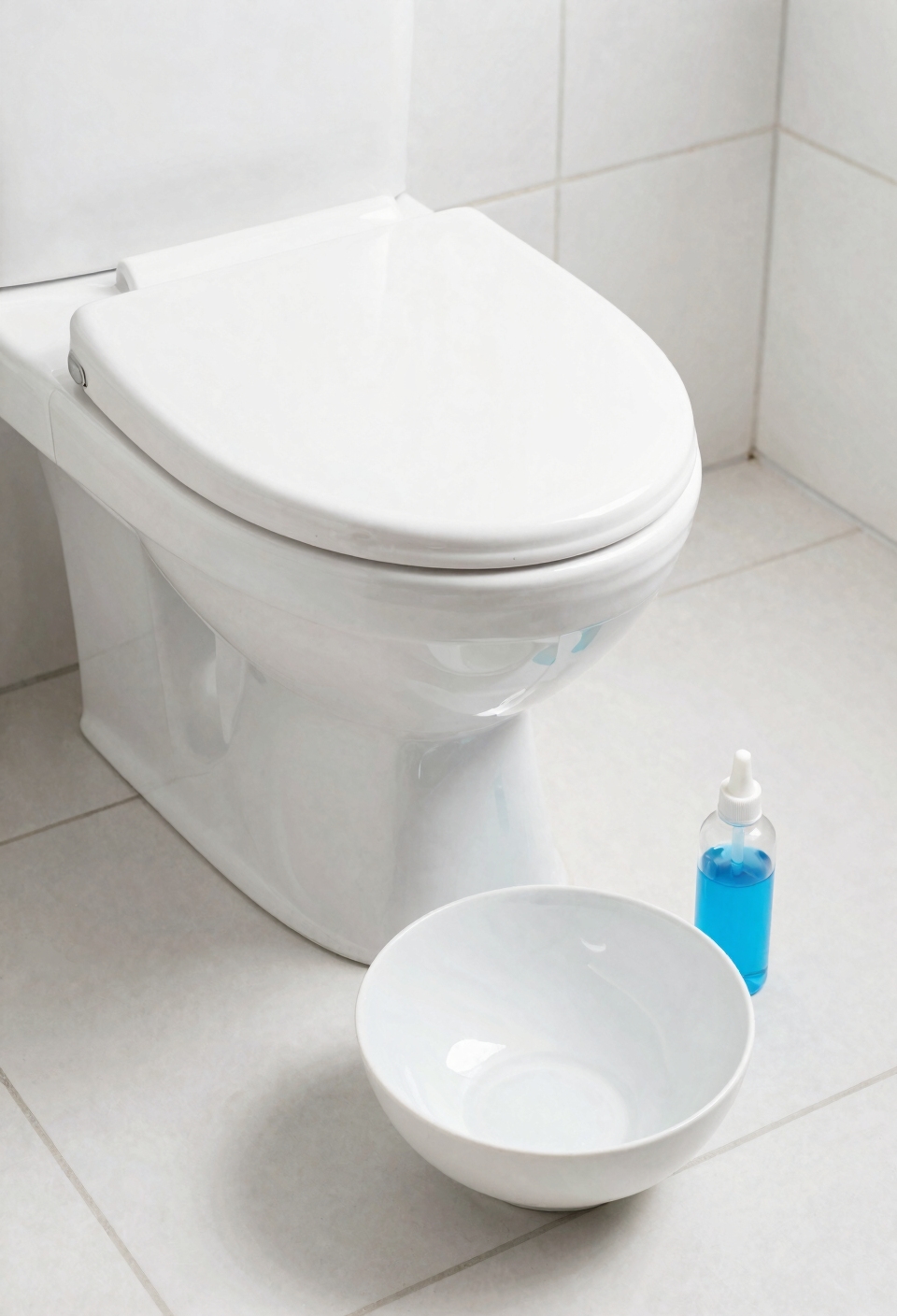
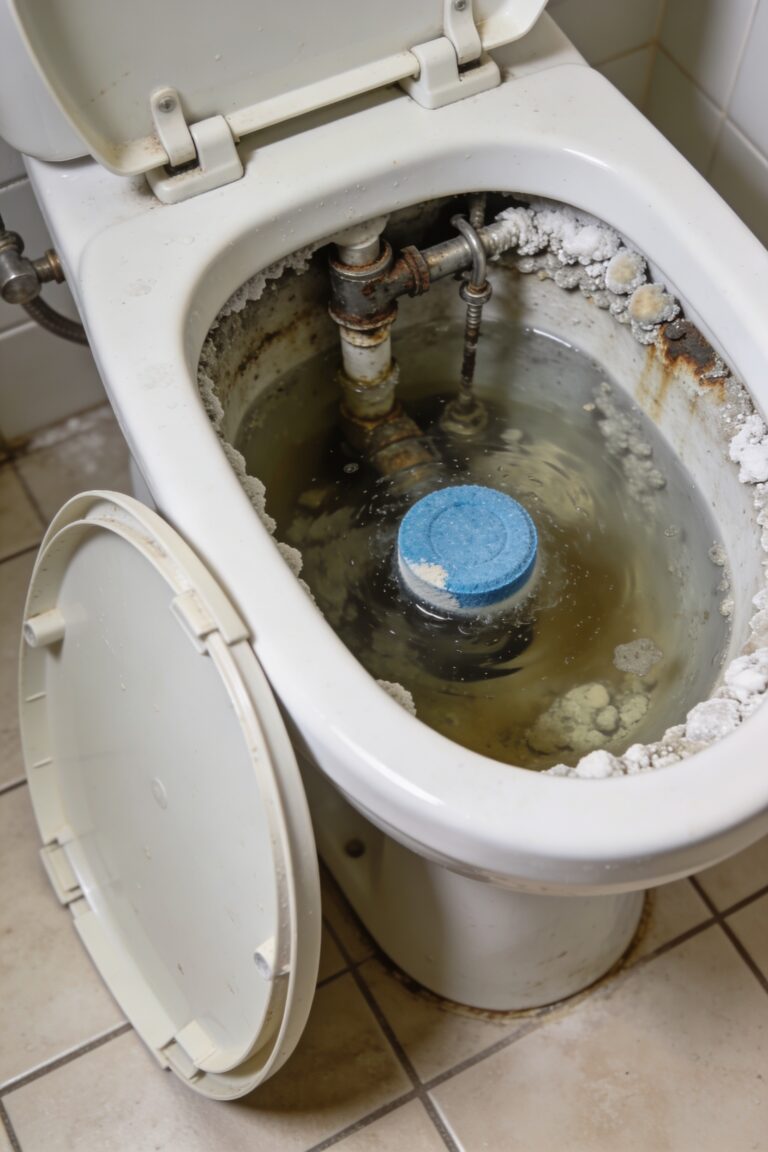
Here’s the thing about leaks — they’re sneaky, they’re expensive, and they’ll wreck your whole week if you let them, so you’ve got to catch them early, which is why I’m telling you about the food coloring test right now. Drop a few dye test drops into your tank and wait thirty minutes. If that color shows up in the bowl without flushing, you’ve got a silent leak that’s costing you serious money. I’m talking hundreds of gallons monthly. This tank inspection takes ninety seconds and catches problems before they spiral. Do it weekly. Obviously you’re looking for that telltale color migration, which means your flapper’s worn out or something’s cracked. Catch it now, replace the component, save yourself the headache. Regular maintenance with automatic tank cleaners can help reduce buildup that masks early signs of leaks, making your weekly inspections even more effective.
Recommended Products

2,000 Packs in a case, 2 tablets per pack

Pro Pack Professional Grade Blue Streak dye Tablets

A/C dye injector with hose and couplers
Prevent Clogs by Setting Clear Flushing Rules in Your Lease
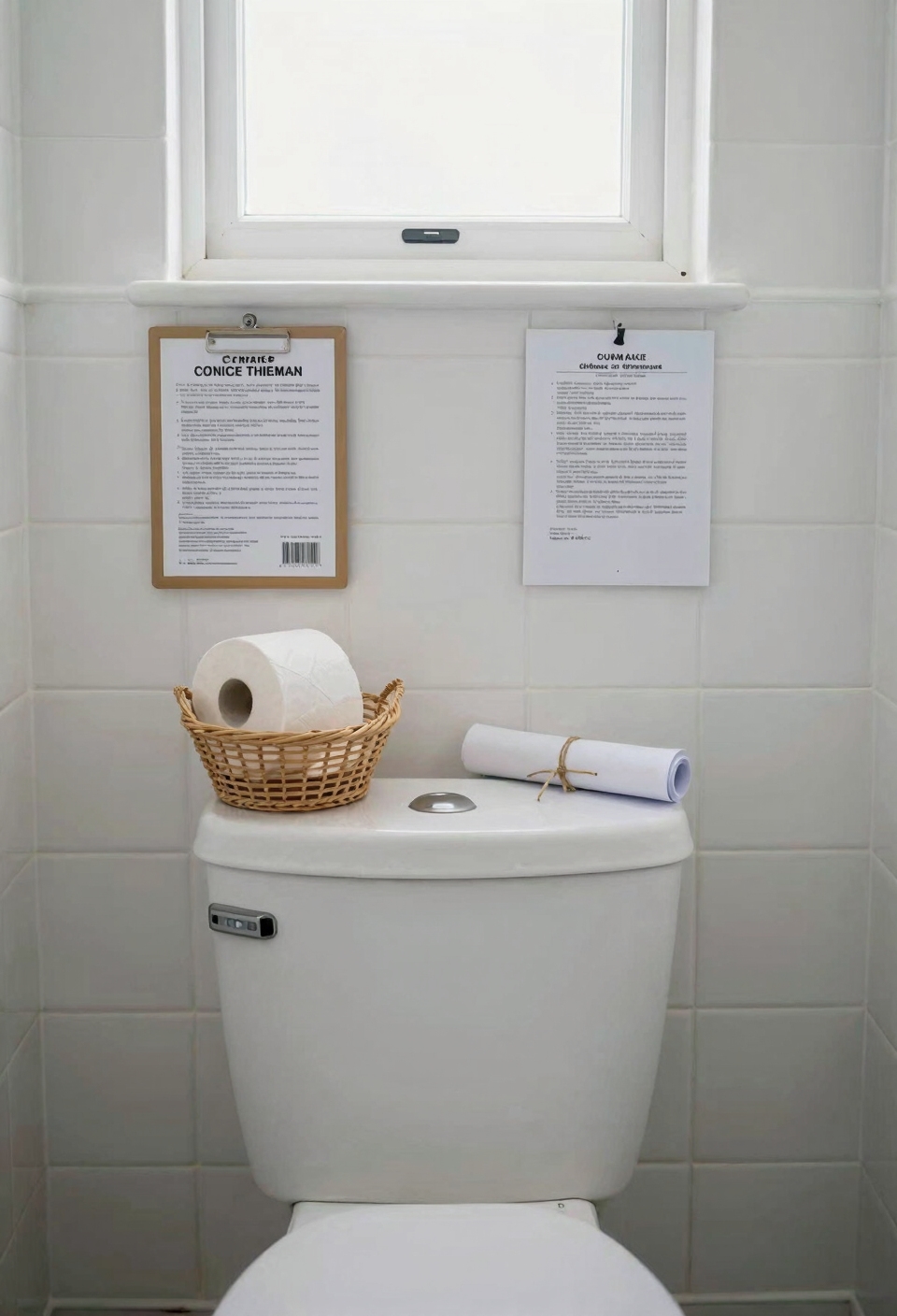
Most clogs don’t happen because toilets are broken—they happen because people flush stuff that shouldn’t go down there, and I’m sure you’ve noticed that tenants will test the limits of what a toilet can handle if you don’t explicitly tell them otherwise. I learned this the hard way. Now, here’s what works: include specific flushing rules in your lease, then back them up with disposal signage right there above the trash can. Make it crystal clear—toilet paper and human waste only. Everything else goes in the trash. Feminine products, wipes, cotton swabs, paper towels—spell it out. Tenant education prevents most problems before they start. When people know the rules and see them posted, compliance skyrockets. You’ll save yourself maintenance calls and keep repair costs down. Additionally, remind tenants that replacement brush heads and other bathroom supplies should never be flushed, as these items frequently contribute to clogs in rental properties.
Recommended Products

Prevent Costly Clogs – Reminds guests not to flush non-flushable items like feminine products, wipes, diapers, or trash—protecting your plumbing system.

Durable plastic construction for long-lasting use

DURABLE MATERIAL: Crafted from sturdy plastic for enduring wear-resistant quality.
Frequently Asked Questions
How Often Should I Inspect the Supply Line for Corrosion or Wear?
I’d recommend you inspect your supply line for corrosion or wear weekly through visual monitoring, with thorough annual checks. This proactive approach helps you catch potential issues before they become costly problems for your rental property.
What’s the Best Way to Tighten a Loose Toilet Seat or Base?
I once found a tenant’s wobbling seat caused water damage. You’ll want to locate the bolts beneath bolt covers, then tighten them using an adjustable wrench. Check adjustable hinges too for stability.
How Frequently Should Landlords Conduct Property Inspections for Tenant Compliance?
I schedule my property inspections three to five times yearly, though I always conduct thorough move-in inspections and monthly checks initially. This frequency lets me verify tenant compliance with cleaning standards and catch issues early before they escalate.
When Should Worn Flappers Be Replaced During Routine Maintenance?
Don’t you wonder why most landlords miss this critical maintenance step? I’d replace worn flappers during routine checks since their lifespan typically spans 4-5 years. Replace timing matters—catching deterioration early prevents costly water waste and tenant complaints.
What Are the Benefits of Installing Dual-Flush or Low-Water Toilets?
I’d install dual-flush or low-water toilets because they’re excellent for water conservation and deliver significant cost savings on your utility bills. You’ll reduce tenant water usage while maintaining reliable performance and lowering maintenance expenses.
Conclusion
Look, I’m not going to pretend toilet maintenance is thrilling, but think of it like maintaining a foundation—you ignore it now, you’re paying for disasters later. These three habits? They’re your weekly insurance policy. The baking soda method keeps things fresh, the food coloring test catches leaks before they drain your wallet, and clear flushing rules prevent backups that’ll make you regret everything. That’s it. Stay consistent, and your tenants stay happy.