As an Amazon Associate, we earn from qualifying purchases. Some links on this site are affiliate links at no extra cost to you. Our recommendations are based on thorough research and editorial judgment.

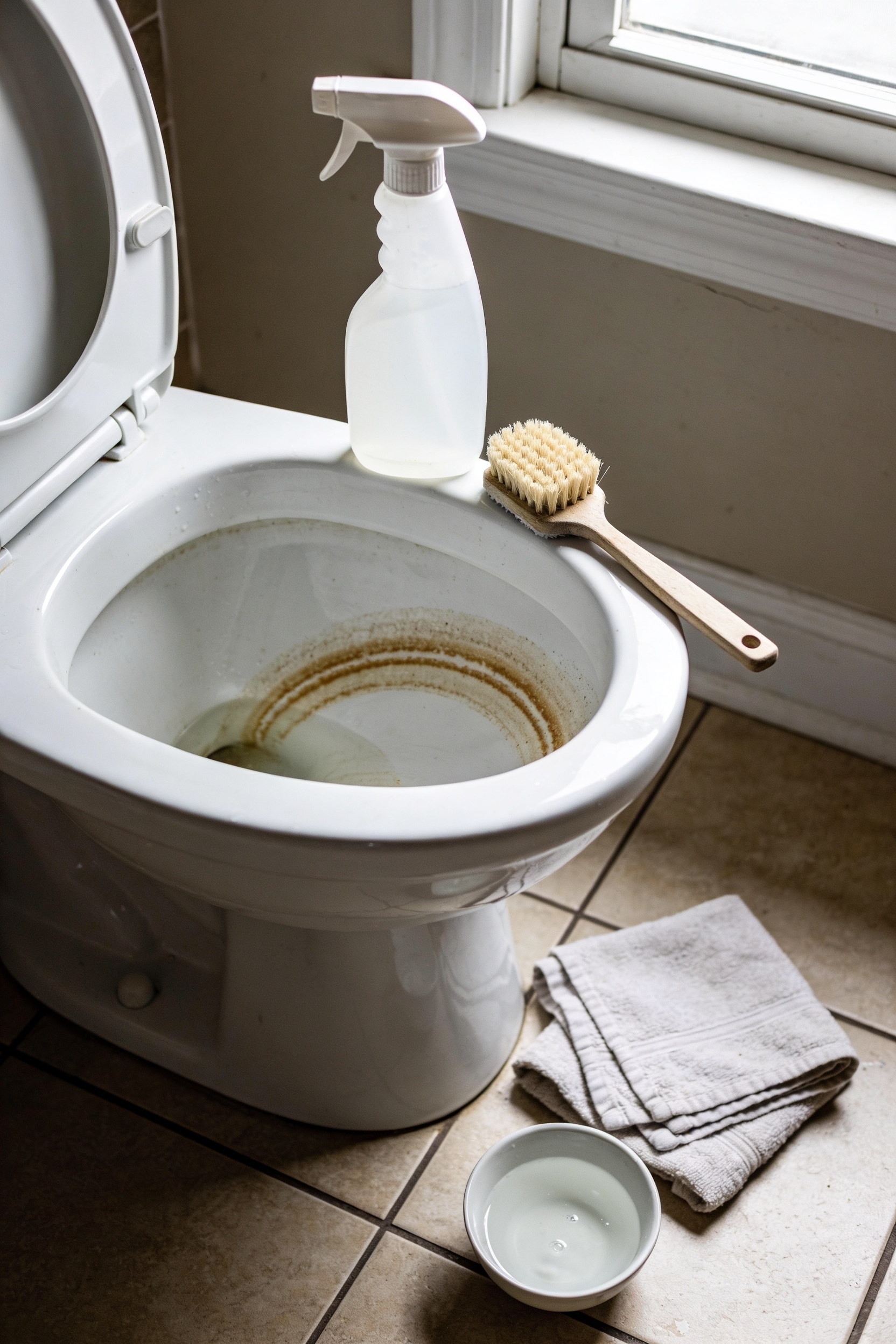
Get Rid of Stubborn Toilet Mineral Stains

I’m sure you’ve noticed that stubborn ring won’t budge with vinegar alone—hard water minerals chemically bond to porcelain, so you need actual chelation to break those bonds. Your best bets? Citric acid soaking overnight tackles severe buildup, while Bar Keepers Friend plus a drywall screen gives you a solid middle ground between cost and effort. For speed, CLR works fast but demands respect for the chemicals involved. Obviously, prevention beats removal every time—daily wiping after flushing cuts your deep-cleaning time dramatically. There’s more to this than meets the eye though, and specific combos work better for different situations.
Key Takeaways
- Use citric acid overnight or CLR for quick dissolution of calcium and lime mineral bonds on porcelain surfaces.
- Apply pumice stone with gentle pressure and wet motions to remove stubborn rings without scratching the bowl.
- Combine vinegar soak with baking soda scrubbing for an affordable, eco-friendly method taking approximately one hour.
- Install a water softener to reduce mineral buildup at the source rather than treating surface stains repeatedly.
- Wipe toilet bowl surfaces daily after flushing to prevent mineral deposits from settling and hardening over time.
What Makes Toilet Stains So Hard to Remove
When you’re staring down at those brown rings in your toilet bowl, you’re not just looking at dirt—I’m sure you’ve noticed that regular bathroom cleaners barely make a dent. Here’s why: hard water minerals like calcium and lime bond chemically to your porcelain, creating deposits that standard soap won’t touch. Add bacteria to that mineral chemistry equation, and you’ve got a stubborn toilet microbiome that’s practically cemented itself into place. These aren’t surface stains you can wipe away. The mineral bonds actually require specialized breaking agents that can chelate calcium and magnesium ions. Obviously, that’s why your everyday cleaners fail so spectacularly. You need something that targets the actual chemistry happening in your bowl, not just masks the problem. Citric acid formulations are specifically designed to dissolve these mineral deposits by breaking down the chemical bonds that ordinary cleaners cannot penetrate.
Vinegar and Baking Soda: Budget Stain Fix
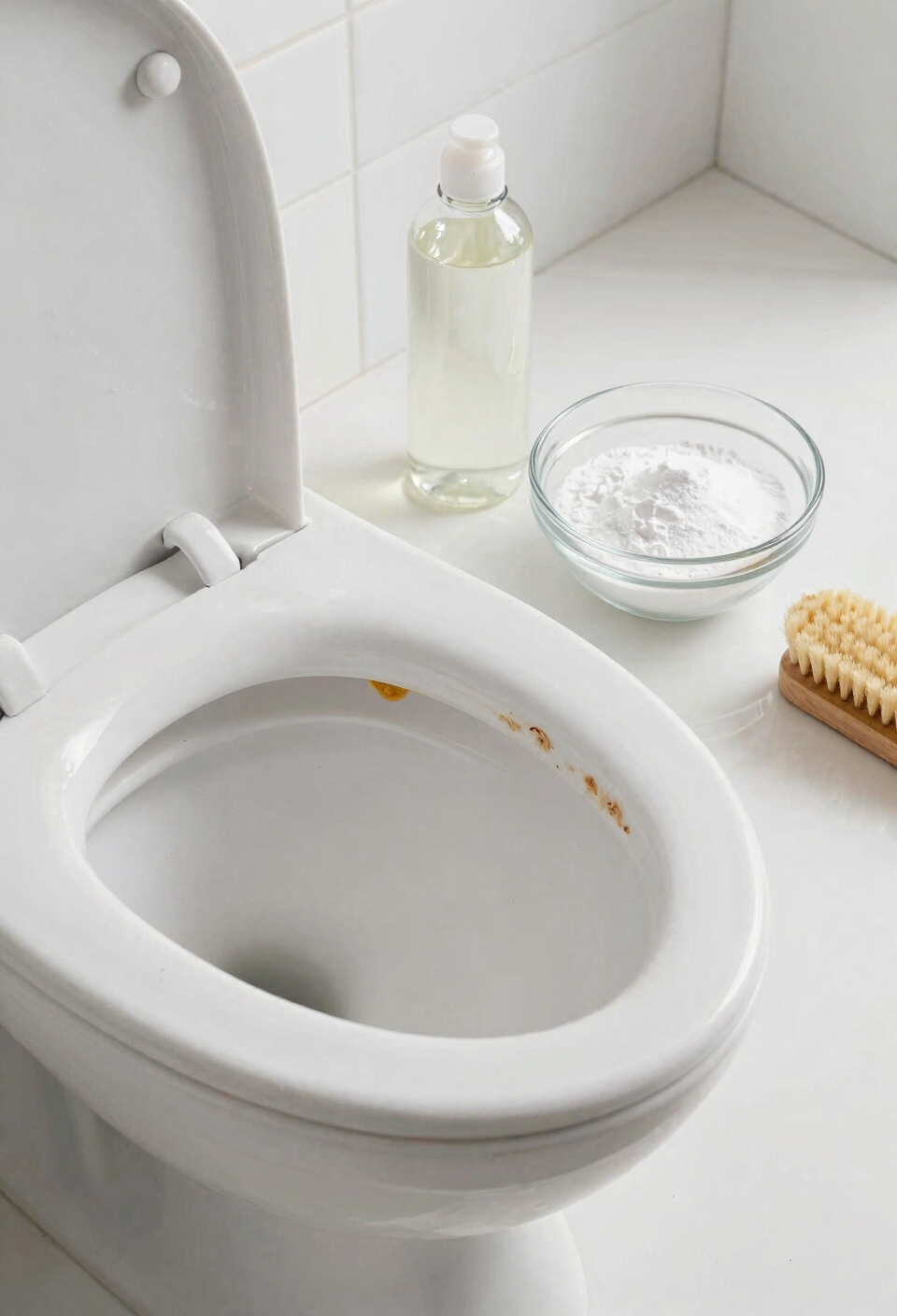
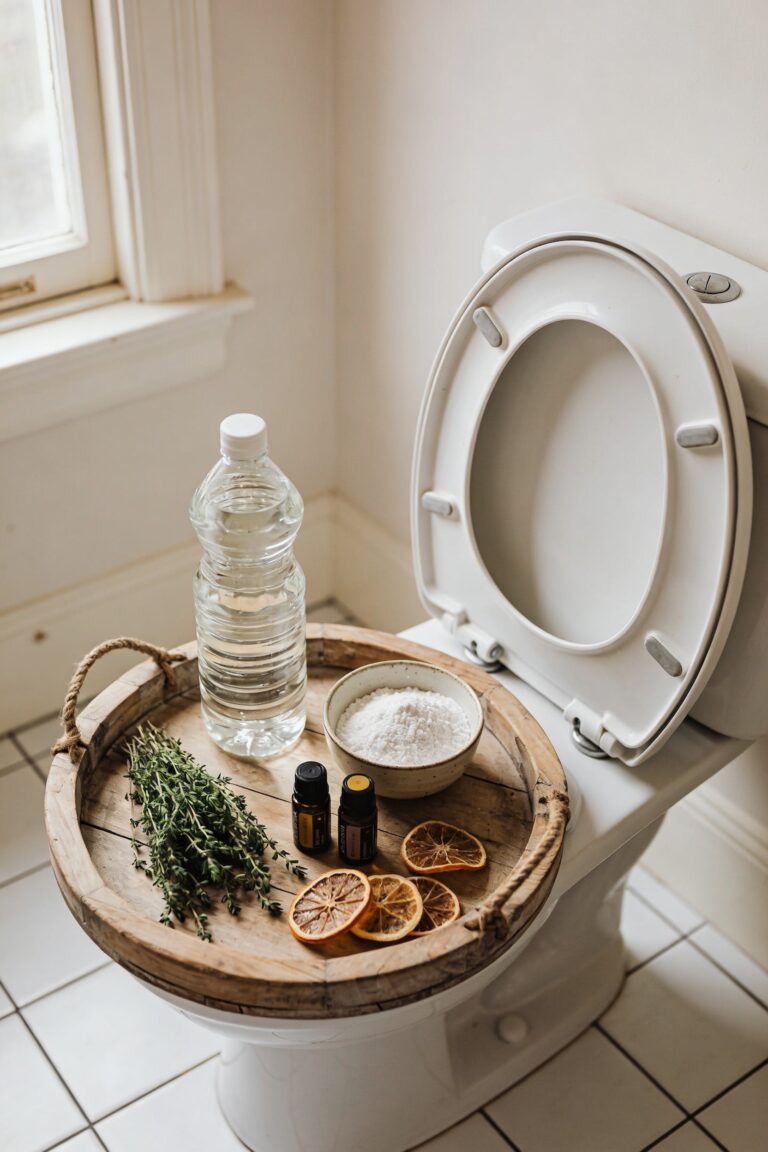
All right, now that you understand why those mineral bonds laugh in the face of your standard toilet cleaner, here’s the good news: you’ve probably got the actual solution sitting in your kitchen cabinet right now. I’m talking white vinegar and baking soda—the household hacks that vinegar enthusiasts have sworn by for years. Pour vinegar over the stained ring, let it soak for thirty minutes, then sprinkle baking soda around the bowl. The combination softens those stubborn deposits without any sketchy chemicals hanging around your bathroom. Scrub gently with your toilet brush, and honestly, most rings just loosen right up. For tougher stains that resist this method, pumice stones remove stubborn stains through gentle abrasive action without scratching porcelain surfaces. It’s safer for your family, cheaper than specialized cleaners, and it genuinely works. Sometimes the old-school approach actually nails it.
Recommended Products

60 PACK PUMIE SCOURING STICKS - Experience unbeatable cleaning power with Pumie Scouring Sticks, the ultimate solution for removing tough stains and grime. Perfect for toilet bowl cleaning, these pumice-based scouring sticks are specially designed to tackle hard water stains, mineral deposits, rust with ease. Ideal for use on porcelain, ceramic, and other hard surfaces, they deliver a deep clean where ordinary cleaners fail. These versatile scouring sticks ensure a hygienic and spotless finish, making them an essential tool for maintaining a pristine home or workplace. Safe, effective, and incredibly durable, they’re perfect for toilets, sinks, kitchen tiles, and more!

Versatile Uses: pumice sticks can be applied to remove hard water rings from tile, clean kitchen and bathroom surfaces, and remove rust from grills; In addition, use them to scrub and clean rust, calcium, and lime buildup off of spa or pool tiling

Functions: pumice sticks can be applied to clean tile, to clean bathroom and kitchen, remove hard water rings, clean rust from grills; Besides, use them to clean and scour away lime, calcium and rust build up from the pool tile or on the spa
Citric Acid: Best for Stubborn Buildup
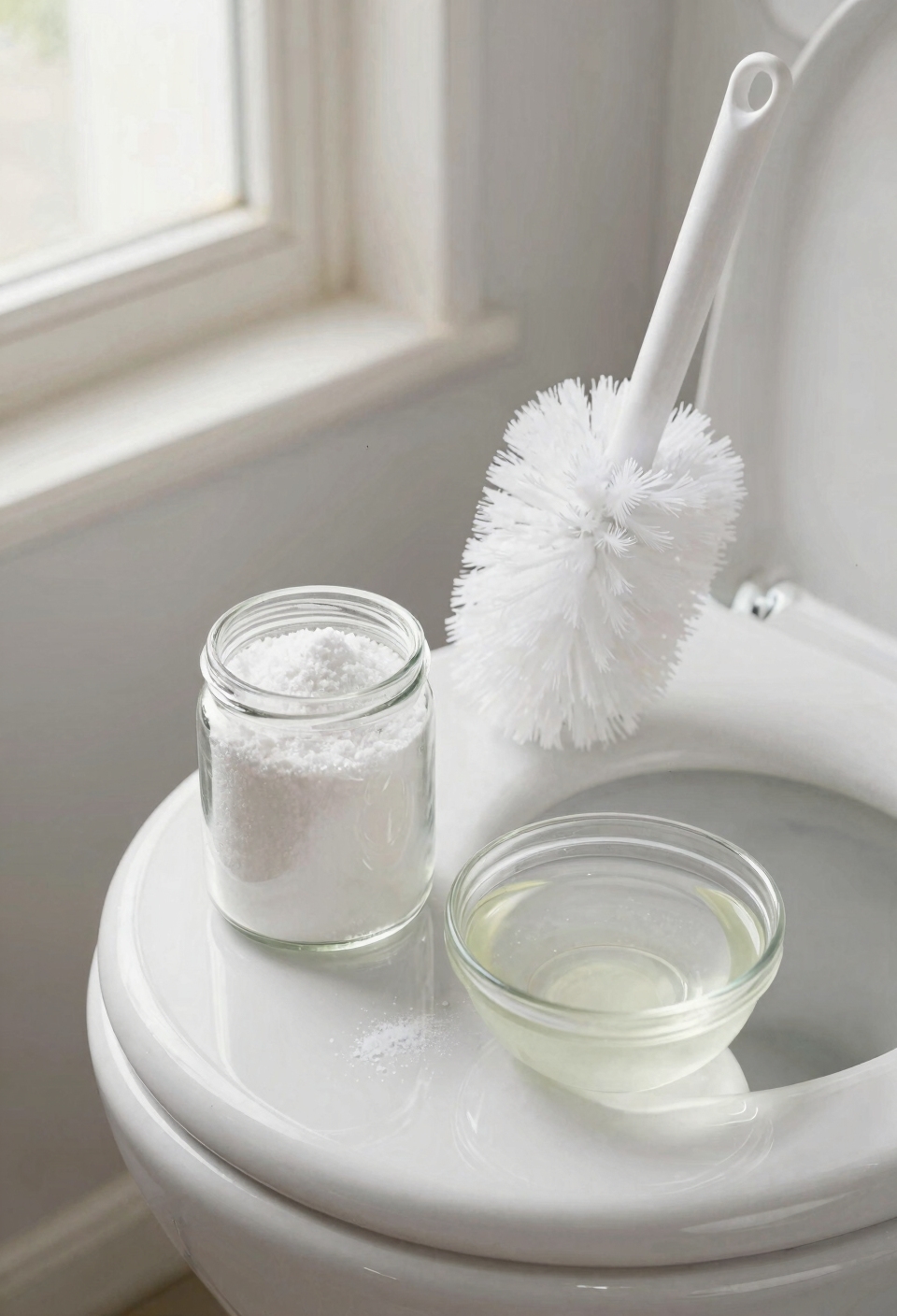
Now here’s where things get interesting—if the vinegar and baking soda combo didn’t completely demolish your ring, citric acid is what I’d reach for next, and honestly, it’s kind of a game-changer for those stubborn deposits that seem permanently fused to your bowl. The acid concentration in citric acid actually binds to calcium and magnesium ions, basically breaking their molecular grip on your porcelain. Mix it with warm water—not hot, since that cracks things—and let it soak. Application timing matters here; I’d leave it overnight for really nasty stains. Scrub after soaking and you’ll watch those brown rings vanish. For the truly stubborn stuff, repeat applications work wonders. It’s inexpensive, family-safe, and genuinely effective without the harsh chemical smell. For an eco-friendly alternative, consider products with citric acid that combine this powerful mineral-removing ingredient with biodegradable formulations to protect your septic system while tackling hard water buildup.
Recommended Products

Quickly Removes Rust, Dissolves Organic Stains And Cleans Hard Water Residue

Fast-acting solution quickly kills bacteria from surfaces

Use on toilet bowls and urinals to clean common restroom soils, rust deposits and scale
Bar Keepers Friend + Drywall Screen: Budget Combo
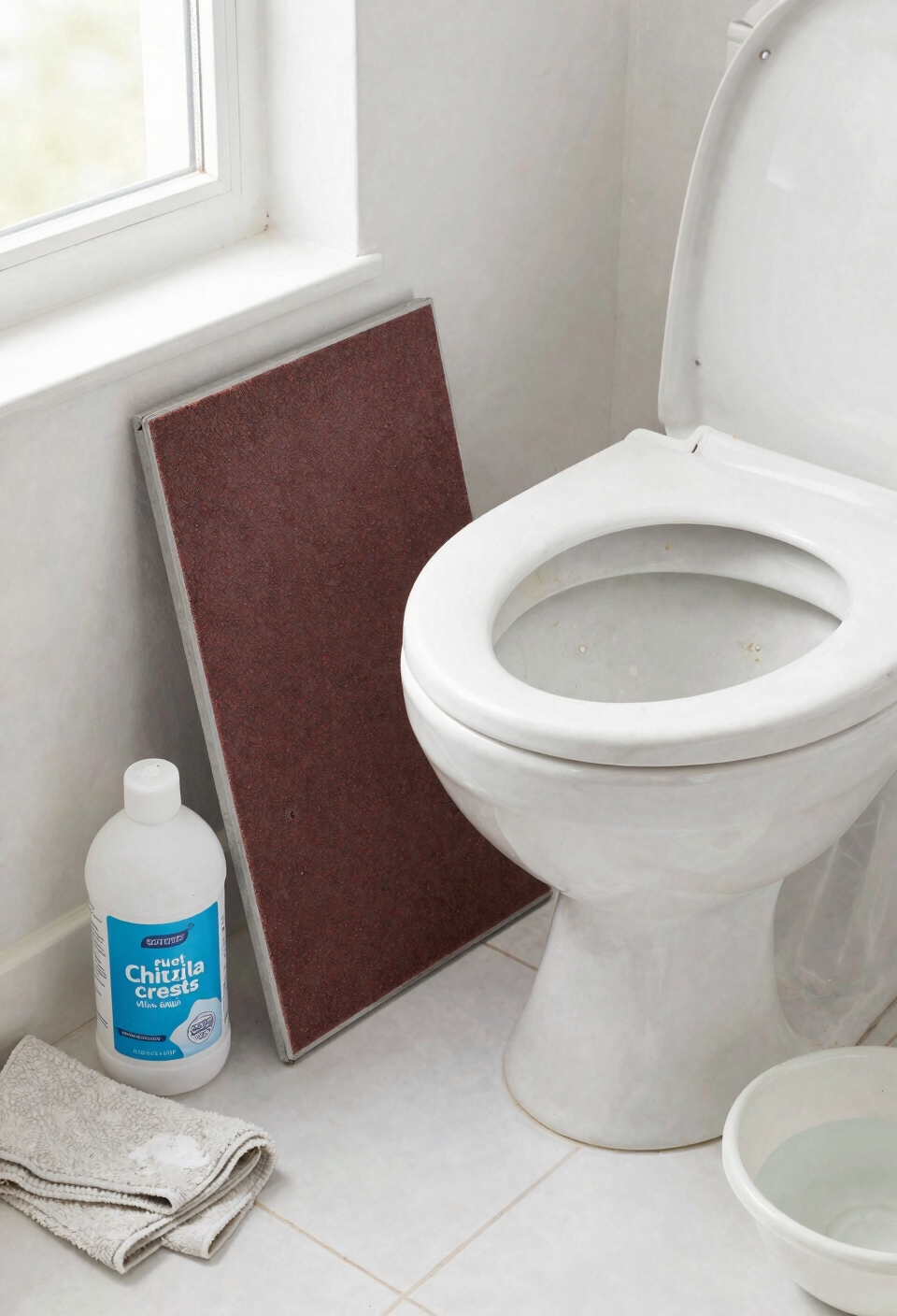
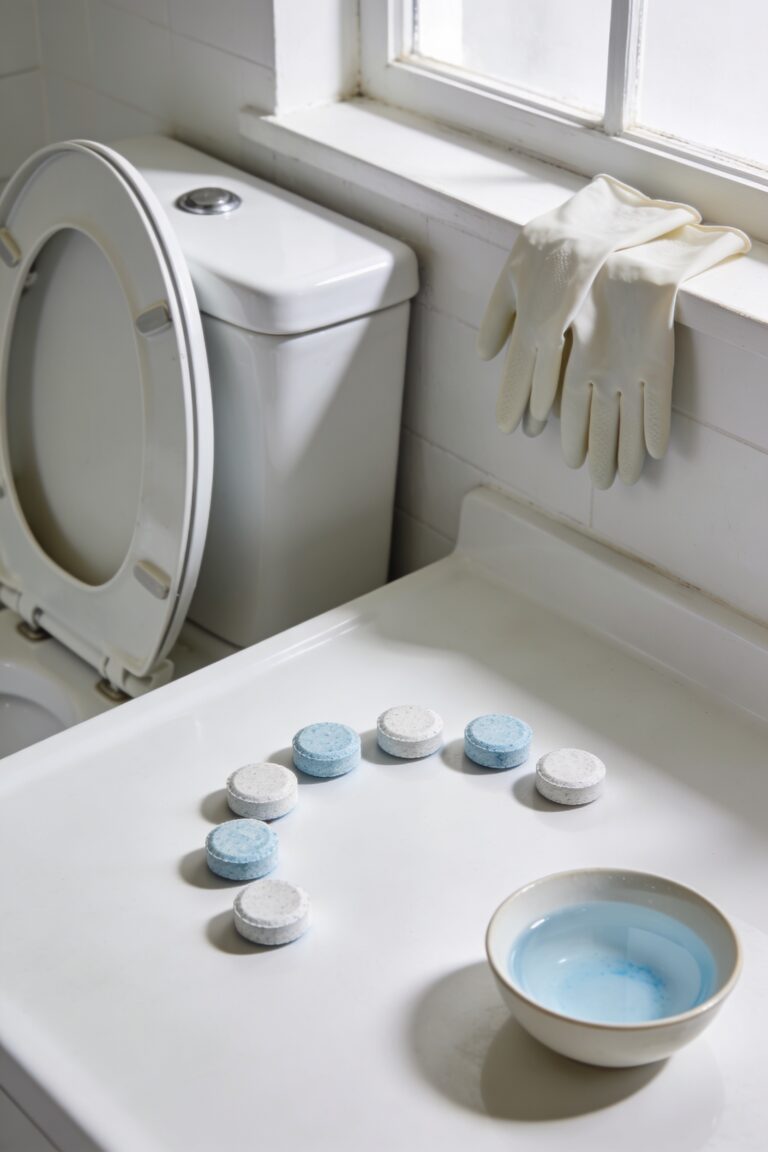
Skip the expensive specialty cleaners for a minute, because I’m about to introduce you to a two-product combo that’ll handle those rings for basically pocket change—Bar Keepers Friend paired with a drywall screen. Here’s the deal: you cut small pieces from a drywall screen, wet them down, and use circular motions to scrub those stubborn mineral deposits away. Bar Keepers Friend does the heavy lifting, breaking down calcium and lime buildup without destroying your porcelain preservation. It’s genuinely one of the best eco alternatives out there—just two inexpensive products handling what costs way more elsewhere. Apply the powder generously around affected areas, scrub gently with that drywall screen, and watch those rings disappear. Follow up with your toilet brush to clear debris. While manual scrubbing works well for tough stains, automatic toilet tablets can provide ongoing prevention and maintenance between deep cleaning sessions. Fast, cheap, effective.
Recommended Products
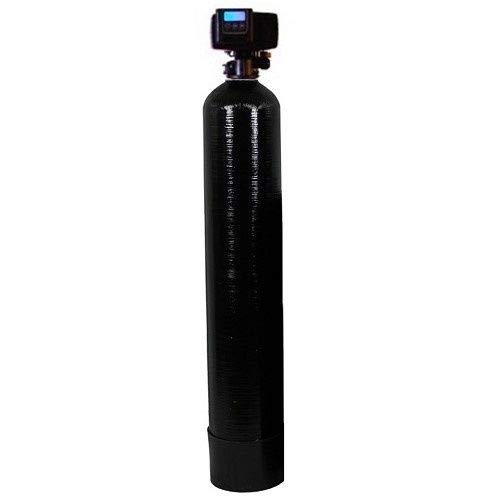
Advanced Digital Control System: Fleck 5600 SXT Digital air injection system for automated water filtration

POWERFUL CLEANING PERFORMANCE: Effectively tackles buildup in hard-to-reach areas of cooling systems, restoring peak performance. A must-have solution for commercial, residential, and industrial maintenance professionals.

Commercial-Grade Urinal Drain Fix – Backed by 40 years of formulation expertise, Crete is a professional urinal drain descaler designed to break down accumulated uric acid and calcium deposits commonly found in high-traffic restroom environments. Supports proper drain maintenance and consistent system performance
CLR: The Heavy-Duty Option
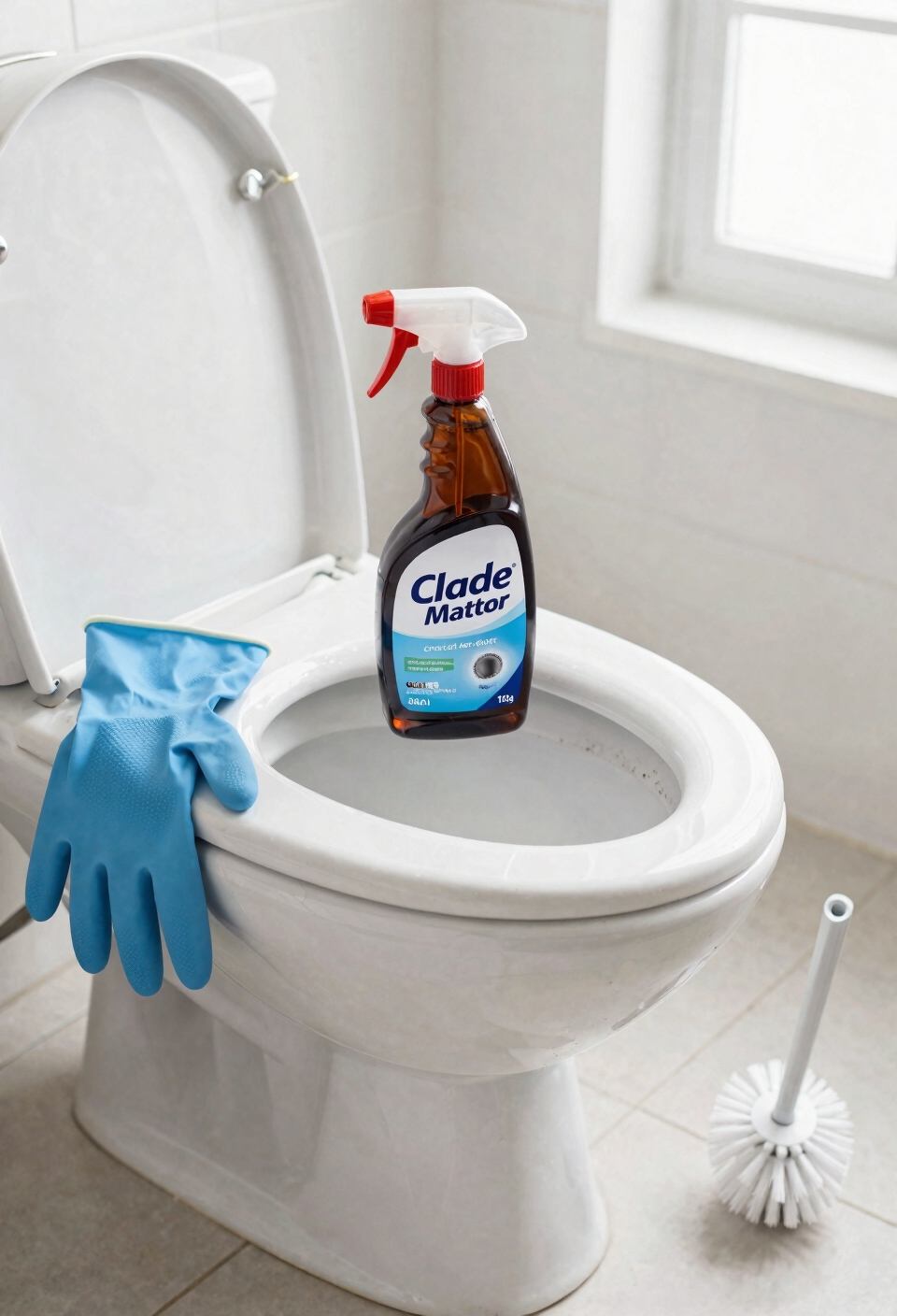
When you’re dealing with mineral rings that laugh in the face of vinegar and baking soda, CLR Calcium, Lime & Rust Remover is the sledgehammer you pull out—and I mean that as a compliment, because sometimes you need actual chemistry doing the heavy lifting instead of hoping natural ingredients will eventually wear down what hard water’s been depositing for months. Pour one cup into your bowl, wait two minutes, then scrub with a brush or pumice stone for another two. The chemical bonds dissolve fast, which honestly beats soaking overnight. For severe stains that resist standard cleaners, 10% hydrochloric acid formulas like those found in professional-grade products offer even more aggressive mineral deposit removal. Now, about chemical safety: follow manufacturer recommendations religiously. Shut off your water supply beforehand, ventilate your bathroom, and don’t mix this with anything else. It works precisely because it’s engineered specifically for mineral deposits, not because it’s reckless.
Recommended Products

MADE IN THE USA - Proudly made right here in the USA at our Wisconsin headquarters and formulated with cutting-edge German ingredients, Flitz delivers unbeatable quality you can trust. Our formula easily dissolves bathroom film in just 30 seconds, lifts away stuck-on grime on showers, toilets, and more! Made to last and perform each time

Industrial Strength: CLR PRO Calcium, Lime and Rust Remover is a non-toxic, multipurpose cleaner designed for bathrooms or bathroom related surfaces. It breaks down calcium, lime and soap scum to leave behind a streak-free shine

Pumice Stone: Safe Stain Scrubbing
If you’ve got a pumice stone sitting in your shower collecting dust, you’re about to give it a second job—and honestly, it’s probably better suited for your toilet bowl than your feet anyway. Here’s the thing: wet pumice stones work as natural abrasives that’ll demolish those stubborn mineral rings without gouging your porcelain. I’d grab one with ergonomic handles because you’ll want decent control while you’re scrubbing. Keep the pressure light and use gentle back-and-forth motions—you’re not trying to sand down the bowl, just loosen that mineral buildup. It’s surprisingly effective, costs almost nothing, and beats harsh chemicals if you’ve got kids around. Quick cleanings every few days prevent rings from forming in the first place. Testing on small areas before full application helps you confirm that your specific porcelain surface is compatible with pumice cleaning.
Recommended Products

PACK OF 2 PUMIE SCOURING STICKS – Includes two heavy-duty cleaning pumice stones designed for deep cleaning where ordinary products fail. Effectively removes limescale, mineral deposits, rust buildup, and baked-on grime, making it a must-have tool for tackling the toughest messes in kitchens, bathrooms, and utility spaces

Exceptional cleaning power—crafted from premium materials, the pumice stick for toilet cleaning offer unrivalled durability and superior cleaning efficacy. pumice stone toilet bowl cleaner effortlessly remove stubborn limescale, rust and other grime, restoring your toilets, bathtubs, kitchen surfaces and outdoor fixtures to pristine condition.

Bulk Toilet Cleaning Set: you will receive 100 pack pumice stone for toilet cleaning, enough for daily cleaning, deep cleaning and replacement needs, the bulk toilet bowl cleaner sticks are suitable for homes, offices, hotels, apartments and cleaning services
Method Comparison: Speed, Cost, and Results
Now that you’ve got a handful of methods under your belt, here’s the real question: which one actually matters for your situation? Look, I’m not gonna pretend all these approaches are equal. The vinegar and baking soda combo? Cheapest eco friendly alternatives you’ll find—basically free if you’ve got ’em lying around. Takes longer though, maybe an hour total. CLR works fastest, two minutes tops, but you’re paying for that speed and dealing with harsher chemicals around your family. The drywall screen method sits somewhere middle-ground: affordable, reasonably quick, genuinely effective. For stubborn rings that won’t quit, products with clinging acidic formulas can extend contact time on stains and deposits, delivering gleaming results with minimal scrubbing effort. For stubborn rings that won’t quit, honestly consider professional assessments from a plumber—sometimes the issue’s your water supply itself, not just your cleaning technique. That changes everything.
Prevent Rings: Daily Habits and Weekly Maintenance
The truth is, you’re probably already doing most of the heavy lifting wrong—and I mean that gently, because honestly, I was too until I really thought about what causes these rings in the first place. Here’s what I’ve learned: daily wiping of your toilet bowl after use prevents mineral deposits from settling and hardening. Seriously, grab a cloth after you flush and wipe down those wet surfaces. It takes thirty seconds, max.
Beyond that, I’d genuinely consider investing in a water softener if you’re stuck in hard water territory. It’s not glamorous, but it attacks the problem at the source rather than fighting mineral rings forever. For basement bathrooms or remote installations where standard plumbing isn’t feasible, macerating toilet systems can be paired with water softening solutions to reduce mineral buildup in unconventional spaces. Weekly deep cleaning maintains what daily habits start, making your life markedly easier long-term.
Signs It’s Time to Call a Plumber
Sometimes you’ll scrub and scrub, try every method I’ve just thrown at you, and absolutely nothing budges—and that’s when you’ve got a real problem on your hands that goes way beyond mineral deposits sitting in your bowl. If you’re hearing strange noises like water hammer or noticing persistent leaking from the valve at the bowl’s base, you’re dealing with plumbing issues that DIY cleaning won’t fix. I mean, a leaking valve means water’s escaping where it shouldn’t, and that’s not something vinegar or citric acid tackles. Water hammer—that banging sound when water shuts off—signals pressure problems deeper in your system. For basement bathrooms specifically, consider whether you have a sewage pump system installed, as unusual noises could indicate issues with that equipment requiring professional inspection. That’s your cue to call a professional. These situations require actual plumbing expertise, not another scrubbing session.
Frequently Asked Questions
Can I Mix Different Cleaning Methods Together for Faster Stain Removal Results?
I’d advise against mixing cleaning methods together. Different products create unpredictable chemical interactions that risk surface damage to your porcelain bowl. I’d recommend trying one method thoroughly before switching approaches.
Will Mineral Stains Return Quickly After Treatment if I Don’t Change Anything?
Yes, they’ll return quickly. I’d recommend preventive maintenance through quick cleanings every few days and seasonal monitoring of your water quality. Without addressing hard water minerals, stubborn stains’ll reaccumulate rapidly.
Are There Water Softening Systems That Prevent Mineral Buildup in Toilet Bowls?
Yes, I’d recommend salt based softeners, which remove calcium and magnesium ions effectively. You’ll also find magnetic conditioners available, though they’re less proven. Either option can markedly reduce mineral buildup in your toilet bowl.
Which Method Works Best for Stains That Have Accumulated Over Several Years?
I’d recommend professional descaling solutions, as they’re particularly powerful for persistent, prolonged stains. You’ll want abrasive scrubbing with specialized chemical cleaners like CLR—they’re designed to dissolve deep mineral deposits that’ve accumulated over years.
Can Mineral Stains Indicate a Larger Plumbing or Water Quality Problem?
Yes, I’d recommend getting a plumbing inspection and water testing done. Persistent mineral stains suggest your water’s mineral content’s higher than normal, which could indicate corrosion issues or sediment buildup in your pipes.
Conclusion
Look, I’ve thrown everything at toilet stains—vinegar, CLR, even a telegraph wire once—and here’s what I know: consistency beats heroics. You’ve got solid options from budget fixes to heavy artillery, but honestly, prevention’s your real weapon. Keep that water flowing, wipe those rings weekly, and you’ll spend less time scrubbing and more time doing literally anything else. Trust me on this one.