As an Amazon Associate, we earn from qualifying purchases. Some links on this site are affiliate links at no extra cost to you. Our recommendations are based on thorough research and editorial judgment.

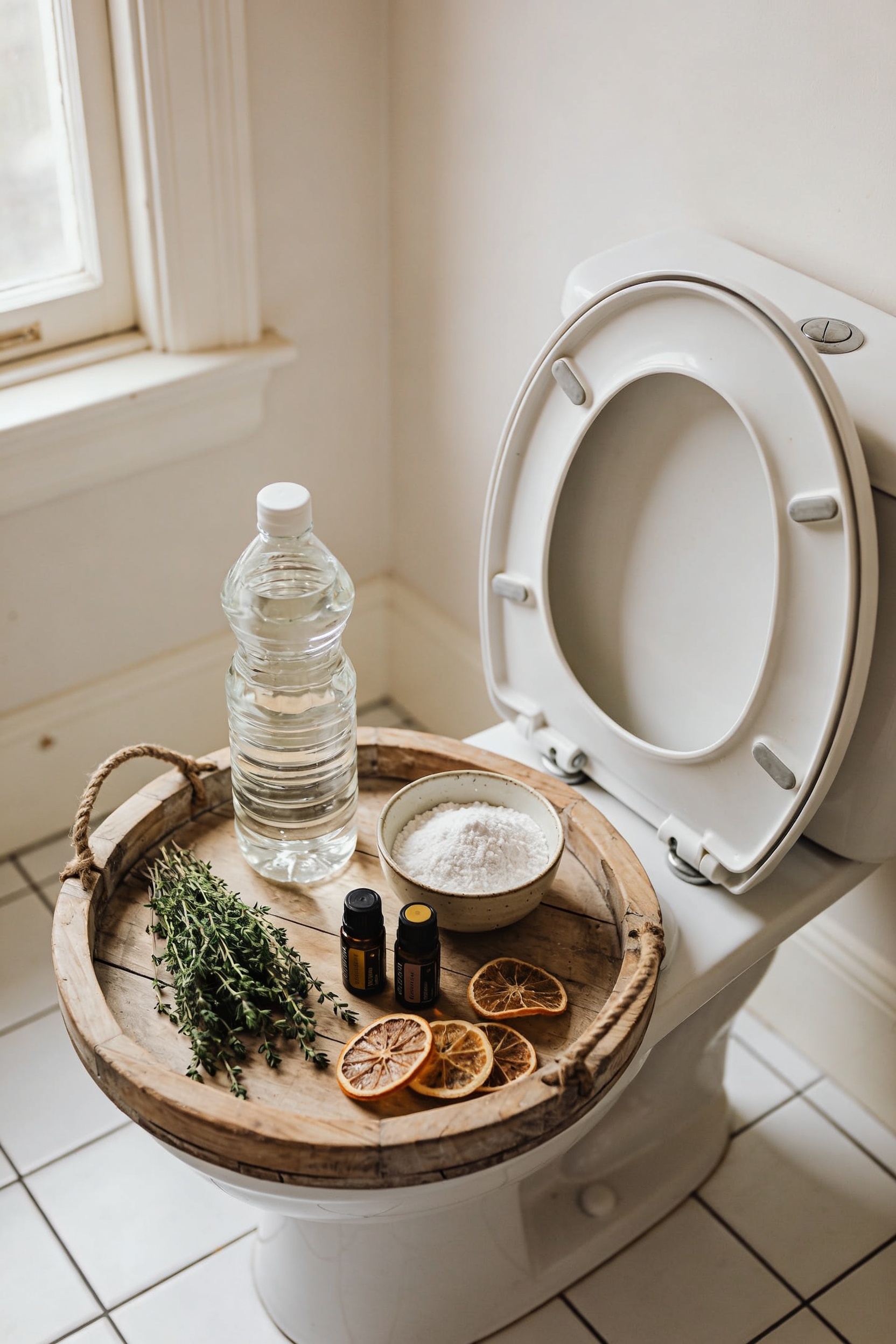
What Natural Toilet Cleaners Work With Septic Systems?

Look, if you’ve got a septic system, you already know most commercial toilet cleaners are basically bacterial assassins—they’ll wreck the delicate ecosystem keeping your tank from backing up into your yard. You want enzymatic or plant-based options instead: Green Gobbler‘s got prolonged enzyme action, Branch Basics uses mineral ingredients without petroleum, and ECOS combines cedarwood oil with citric acid for real cleaning power. Vinegar and baking soda work too, honestly. The key’s avoiding bleach, ammonia, and anything antibacterial that’ll nuke your beneficial bacteria colonies. Stick around for the specifics on what actually matters.
Key Takeaways
- Enzymatic and plant-based commercial cleaners like Green Gobbler and Branch Basics protect septic bacteria while effectively cleaning toilets.
- DIY cleaner balls made from baking soda, borax, and cornstarch with essential oils offer safe, biodegradable cleaning alternatives.
- Hydrogen peroxide at 3% strength disinfects without harming septic bacteria when used appropriately and not excessively.
- Vinegar and baking soda combinations provide natural cleaning power while remaining completely safe for septic system health.
- Let natural cleaners sit 5–10 minutes before scrubbing; persistent backups or odors require professional septic inspection beyond cleaning.
Why Septic Systems Need Different Toilet Cleaners
Those harsh chemicals you’re scrubbing with don’t just vanish once you flush. See, here’s the thing—your septic system relies on beneficial bacteria to break down waste and keep everything flowing smoothly. Most commercial cleaners? They kill that bacteria dead, which tanks your septic bacterial balance and wreaks havoc on your whole system maintenance schedule. When you choose biodegradable formulas, you’re protecting those essential microorganisms while still keeping your toilet clean.
I’m sure you’ve noticed that backup situation nobody wants to deal with. That’s what happens when you’ve nuked your bacterial colony with bleach and synthetic chemicals. Your septic tank needs those microorganisms working, digesting solids, doing their thing. When you switch to natural cleaners, you’re basically saying “hey bacteria, stick around and keep working.” It’s not rocket science—it’s just respecting the system that’s literally sitting under your yard.
Green Gobbler: Enzymatic Cleaning For Septic Systems
Now, if you’re looking for a toilet cleaner that actually *works with* your septic system instead of against it, Green Gobbler’s enzymatic formula is where you want to focus your attention. What makes this stuff different is the enzyme longevity—those microscopic workers keep scrubbing long after you’ve flushed, breaking down organic stains and hard water buildup without nuking your septic bacteria. The bowl adhesion is solid too; the gel clings to surfaces and reaches those annoying nooks where grime hides. You’re getting bleach-free cleaning that supports your septic system’s health by boosting waste digestion. It’s limescale gone, rust rings handled, and your tank stays happy. Look for products with USDA Certified Biobased labeling to verify the formula contains significant renewable plant materials that work safely within your septic system. That’s the whole package right there.
Recommended Products

Harnesses the cleaning power of Bioesque’s Odor Neutralizer

ENZYME ENHANCED FORMULA: Green Gobbler Enzymatic Drain & Grease Trap Cleaner uses an enzyme enhanced formula to clear buildup and remove odors in grease traps, septic tanks and similar plumbing systems. It helps digests oils, fats, grease, sludge and other food waste within hours of application. This bottle uses anti-glug technology to help reduce splashing and each bottle provides up to eight treatments.
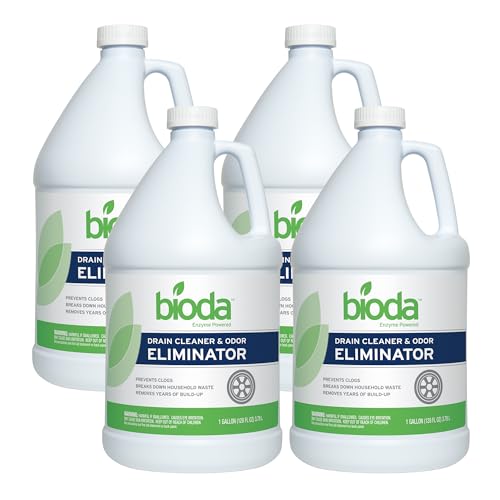
END SLOW DRAINS: Stop clogs from ever building with a preventative probiotic and enzyme formula that digest organic waste in your plumbing system
Branch Basics Toilet Cleaner: Septic-Safe And Plant-Based
If Green Gobbler’s enzymatic approach feels like having tiny workers inside your bowl, Branch Basics is more like hiring a whole crew that shows up already trained and certified—you’re getting products built from the ground up with your septic system in mind, not as an afterthought. Their plant-based efficacy comes from mineral and plant ingredients that actually work without the synthetic junk that tanks your bacterial balance. I mean, you’re not sacrificing cleaning power here; you’re just ditching the petroleum and phosphates that wreck septic systems over time. The fragrance options keep your bathroom smelling legitimately good—not that artificial chemical cloud—while staying completely biodegradable. Everything in their lineup, from concentrates to laundry detergent, plays nice with your septic. Natural cleaners generally safe for septic systems contain biodegradable ingredients like plant-based enzymes and citric acid that won’t compromise your system’s bacterial balance. That’s the real win.
Recommended Products

🌿Powerful Septic Tank Treatment & Septic System Maintenance also helps Drainfield Restoration. Contains highly specialized enzymes that effectively break down and liquefy tough organic waste like grease, fats, protein, hair, and soap scum.
Cordless Rechargeable Power – Enjoy flexible cleaning with a built-in rechargeable battery that delivers long-lasting performance. Move freely from room to room without being tied to an outlet.

100% natural and organic RV toilet treatment crafted from plant extracts, essential oils, and citric acid for reliable waste tank care. Free from harmful chemicals and formaldehyde, it is designed for eco-conscious camping and road trips. A practical choice for travelers seeking a sustainable way to maintain RV toilet tanks without compromising on convenience or performance.
ECOS Toilet Cleaner: Natural Stain Removal With Cedarwood
When you’re hunting for a toilet cleaner that actually tackles stubborn stains without nuking your septic system, ECOS shows up with a surprisingly elegant solution—cedarwood oil and citric acid working together like they’ve been buddies for years, which, honestly, they kind of have been in nature. The cedarwood aroma isn’t just pleasant; it’s doing actual work. That stain lifting mechanism? Citric acid breaks down mineral buildup and rust rings while the cedarwood tackles odors naturally. You squeeze it around the bowl, let it sit five to ten minutes, then scrub if you need extra muscle on stubborn spots. All right, here’s the thing—it’s greywater safe, septic safe, and you’re not poisoning your bacterial colony. That’s genuinely rare. Like other leading natural brands such as Ecover and Better Life, ECOS prioritizes biodegradable ingredients that maintain cleaning effectiveness while protecting the beneficial bacteria essential to septic system function.
Recommended Products

Powerful Septic Tank Treatment & Septic System Maintenance also helps Drainfield Restoration. Contains highly specialized enzymes that effectively break down and liquefy tough organic waste like grease, fats, protein, hair, and soap scum.
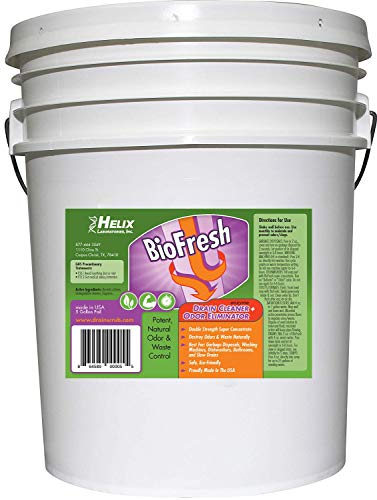
SAFE AND ECO-FRIENDLY: BioFresh uses natural bacteria cultures to break down odors and organic waste. The ingredients are a proprietary blend of microbes that are safe, effective, and won’t damage your drains, pipes or septic systems.

SAFE and ECO-FRIENDLY: 100% natural bacteria and enzymes blast away organic clogs and odors. Environmentally friendly microbes will not harm pipes or septic system and is Plumber Recommended.
DIY Toilet Cleaner Balls: Mix Your Own Septic-Safe Formula
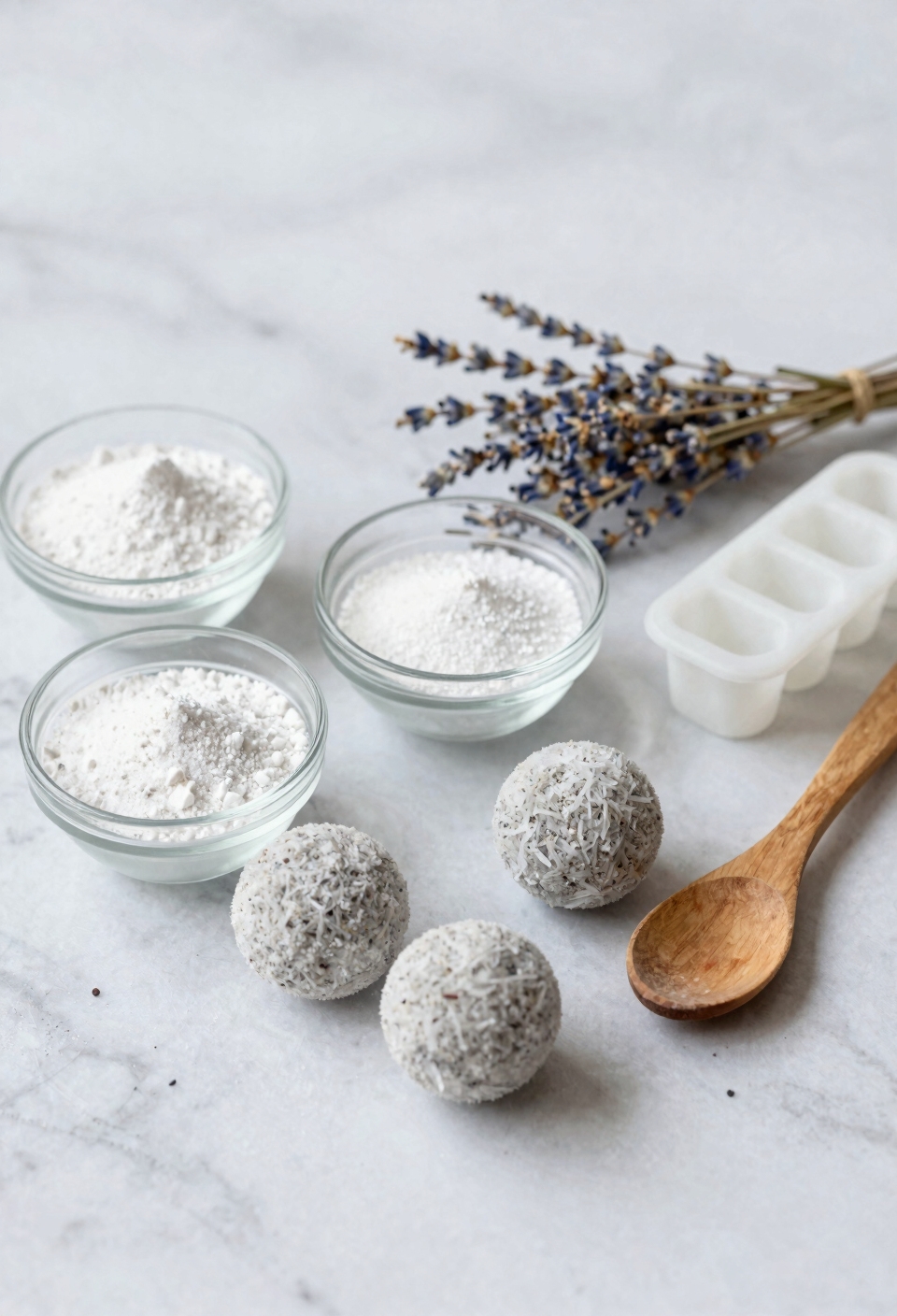
You want to save money and actually know what’s going into your toilet bowl? DIY cleaner balls are your answer. I’m mixing 1/2 cup baking soda, 1/2 cup borax, and 1/2 cup cornstarch—borax is genuinely safe for septic bacteria, unlike sketchy store alternatives. Add 12 drops each of eucalyptus, orange, thieves, and lemon essential oils for aroma customization that actually works. The combination tackles hard water stains and rust rings effectively, plus those oils provide genuine mold prevention benefits. Moisten the mixture with cleaning vinegar or distilled water until it clumps. Drop one in your bowl, let it sit overnight for stubborn stains, then scrub. Obviously cheaper than commercial cleaners, and you’re not poisoning your septic system. When selecting natural ingredients for your DIY formula, prioritize plant-based, biodegradable components that break down safely in water systems without disrupting septic bacterial balance.
Recommended Products

Premium Uncoated Sodium Percarbonate, the best type for mixing, DIY, and cleaning around the home.

POWERFUL CLEAN, NO HARSH CHEMICALS Effectively cleans toilet bowls and helps remove stains and buildup using a plant-based formula—without chlorine bleach, phosphates, or harsh fumes.
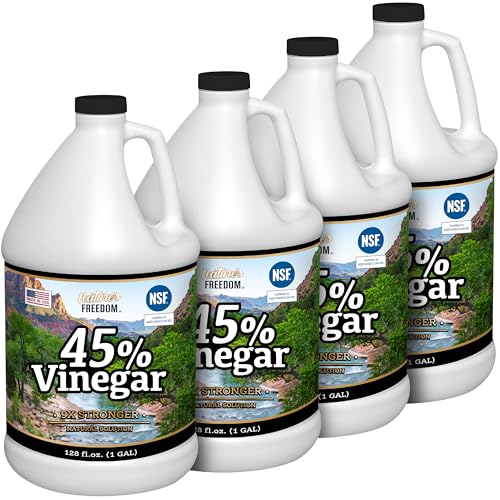
Unlock the Power of Nature Freedom 45% Vinegar Concentrate, made with pure ingredients for reliable quality. This high-strength white vinegar is 9x stronger than household vinegar. Ideal for cleaning, laundry, gardening, and removing tough stains. The vinegar solution is NSF Certified to NSF/ANSI/CAN 60
Safe Disinfection With Peroxide Products
After you’ve scrubbed your bowl clean with those DIY balls or plant-based cleaners, there’s one more layer of protection worth considering—actual disinfection—and that’s where peroxide products come in handy without nuking your septic system. I’m sure you’ve noticed that 3% hydrogen peroxide in the brown bottle is basically everywhere, and here’s the thing: it’s 100% biodegradable and won’t trash your bacterial colony. The peroxide concentration matters though—stick with that standard 3% strength rather than industrial stuff. For contact time, let it sit five to ten minutes before scrubbing, which gives it enough time to actually kill germs without overdoing it. You can also grab sodium percarbonate products like Branch Basics Oxygen Boost for similar results. Hydrogen peroxide cleaners can eliminate 99.9% of viruses and bacteria when used as directed, providing reliable disinfection for your household. Just don’t go crazy with frequency.
Vinegar And Baking Soda: Cheap And Effective
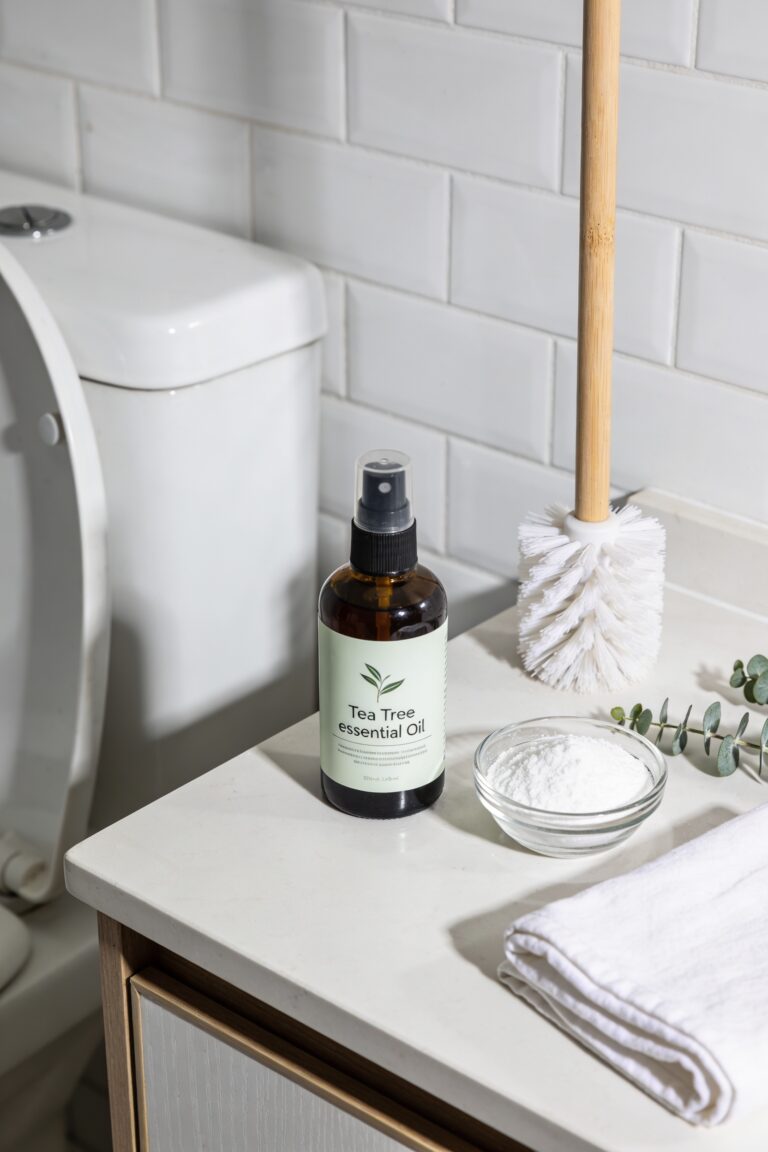
For a toilet cleaner that won’t obliterate your septic system or your wallet, the vinegar and baking soda combo is genuinely hard to beat—and I mean that without exaggeration. I’m sure you’ve noticed how expensive those specialty cleaners get, but here’s the thing: you probably already have both ingredients sitting in your kitchen right now. Mix half a cup of white vinegar with a quarter cup of baking soda, toss in a few drops of tea tree oil for scent masking, and you’ve got yourself a powerful toilet cleaner. The cost savings are real—we’re talking pennies per application. Vinegar degunks and degreases while killing germs, and tea tree oil handles odor control naturally. Your septic bacteria actually thrive with this approach since you’re avoiding harsh chemicals that’d otherwise wreck your system’s delicate balance. Like other biodegradable natural cleaners, this homemade solution protects beneficial bacteria while maintaining your plumbing system’s health.
How To Apply Septic-Safe Toilet Cleaners Effectively
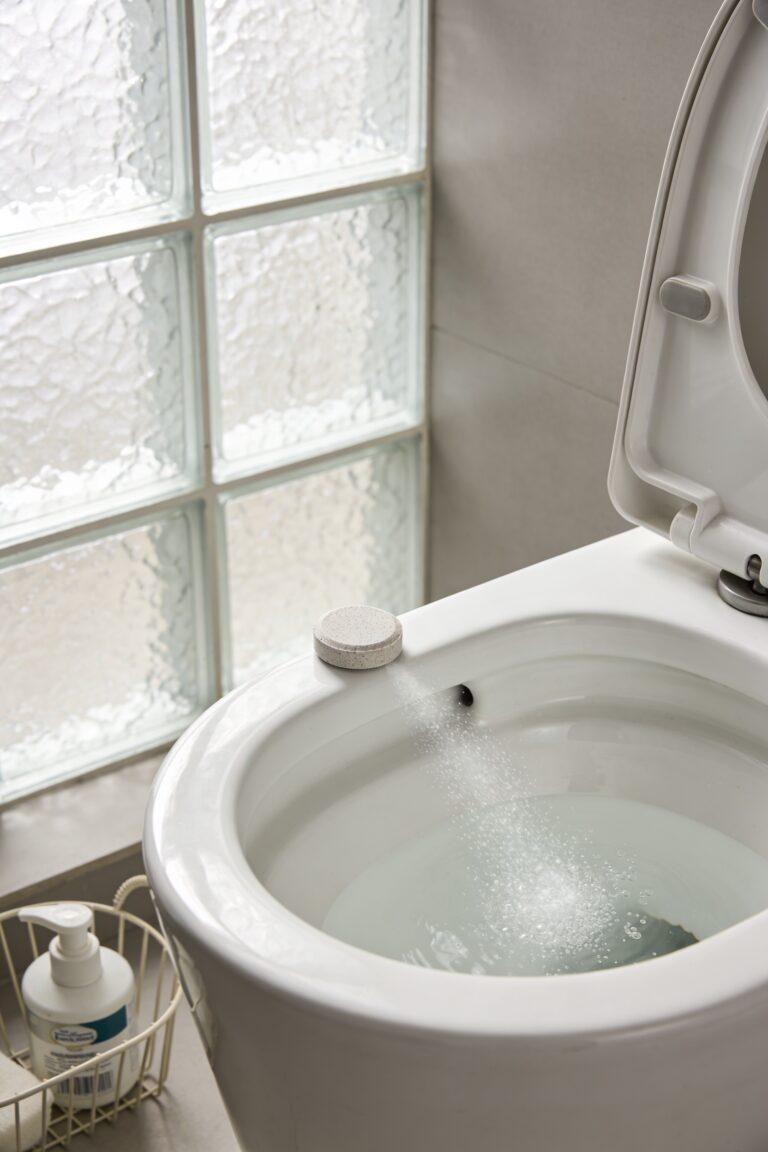
Knowing the right way to apply your septic-safe cleaner matters just as much as picking the right product in the first place, because honestly, even the gentlest formula won’t do you any good if you’re using it wrong. Application timing is critical—most cleaners need 5-10 minutes to work their magic before you start scrubbing. Your brush technique matters too; I’d recommend gentle circular motions rather than aggressive jabbing, which can scratch the porcelain and damage the bowl’s finish. Squeeze or pour your cleaner around the rim so it coats the entire bowl, then let it sit. Don’t rush it. When you do brush, focus on the waterline and stubborn stains. That patience pays off. For tablet-based refills, simply drop the tablet into your tank and allow approximately 30 minutes for it to dissolve before use, ensuring consistent cleaning with each flush.
Recommended Products

For use with the American Standard ActiClean toilet only

NEVER SCRUB YOUR TOILET AGAIN - Stop wasting time with gross toilet brushes and harsh chemicals! Go hands-free with Happy Toilet bowl tablet holder in tank toilet bowl cleaner by turning your toilet into an automatic toilet cleaner.
The information below is per-pack only
Ingredients And Products To Avoid
When you’re shopping for toilet cleaners, you’ll want to steer clear of anything loaded with bleach, ammonia, or those fancy antibacterial agents—they’ll torch your septic system’s beneficial bacteria faster than you can say “expensive repair bill.” I mean, sure, those products make your toilet sparkle and smell like a chemical plant, but they’re basically poison pills for the delicate bacterial ecosystem that’s supposed to be breaking down waste in your tank, and once you kill off those good guys, you’re looking at backups, clogs, and the kind of plumbing nightmare that makes you question every life choice you’ve made up to that point.
Now, watch out for chemical preservatives and fragrance allergens too. They’re sneakier than bleach but equally problematic for your system’s health. Instead, look for products with plant-based ingredients and natural enzymes that work with your septic system rather than against it.
Septic Problems: When Cleaners Aren’t Enough
Even if you’re religious about using septic-safe cleaners—and I mean truly religious, swapping out every bottle in your bathroom cabinet for the natural stuff—you might still find yourself staring at a toilet that won’t drain or a yard that smells like a backed-up sewer, and that’s because here’s the thing about septic systems that nobody really tells you until it’s too late: cleaners are only one piece of a much bigger puzzle. Your clog prevention game needs work too. Regular maintenance, enzyme treatments, and watching what you flush matter more than your cleaner choice. Odor escalation often signals deeper tank issues—sometimes hydrogen sulfide buildup indicates that bacteria levels in your system have been compromised by harsh chemicals. Sometimes you’ve got tree roots infiltrating lines, or your system’s just old and tired. That’s when a natural cleaner won’t cut it. You’ll need a professional inspection, possibly pumping, and honest conversations with a septic specialist about what your system actually needs.
Frequently Asked Questions
How Long Does It Take for Septic-Safe Toilet Cleaners to Show Visible Results?
You’ll see immediate indicators within 5-10 minutes when using septic-safe cleaners like ECOS or vinegar mixtures. However, I’d say stubborn stains need overnight soaking to meet timeframe expectations for complete removal.
Can I Mix Different Natural Toilet Cleaners Together for Better Cleaning Power?
You’ll absolutely transform your toilet into a sparkling palace if you’re careful about ingredient compatibility. I’d mix vinegar with baking soda for cleaning synergy, but avoid combining borax with acidic cleaners—they’ll neutralize each other’s power.
Are Septic-Safe Toilet Cleaners More Expensive Than Conventional Chemical Cleaners?
I’d say septic-safe cleaners aren’t always pricier. DIY options like vinegar and baking soda cost pennies. Brand availability varies—you’ll find affordable eco-brands at most retailers, though specialty options cost more upfront.
How Often Should I Clean My Toilet With Natural, Septic-Friendly Products?
I’d suggest you give your porcelain throne weekly maintenance with natural cleaners to keep it fresh. Then do a monthly deep cleaning with products like Green Gobbler or Branch Basics for thorough soil removal.
Will Natural Toilet Cleaners Work on Older, Heavily Stained Toilet Bowls?
Yes, I’ve found natural cleaners work on heavily stained bowls. You’ll want acidic scrubbing with vinegar or citric acid combined with enzyme boosters like Green Gobbler’s formula. Let them sit overnight for stubborn stains.
Conclusion
you’ve spent all this time learning that septic systems need gentler cleaners, and now you’re going to go back to using whatever blue liquid’s under the sink anyway. I get it. But here’s the irony—those natural cleaners I’ve mentioned? They actually work better and cost less. So you’re choosing worse performance for more money. Wild, right? Just try vinegar and baking soda once.