As an Amazon Associate, we earn from qualifying purchases. Some links on this site are affiliate links at no extra cost to you. Our recommendations are based on thorough research and editorial judgment.

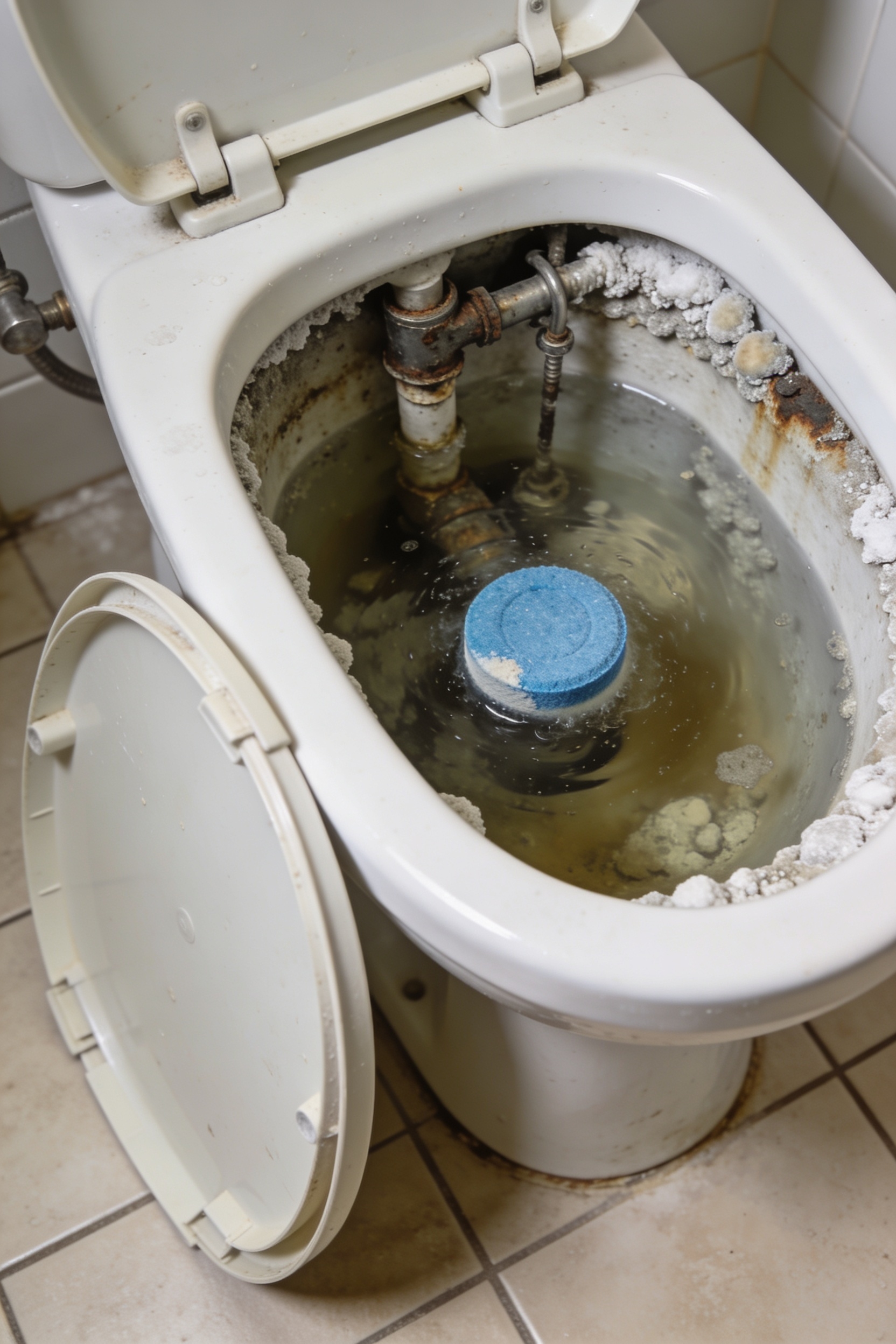
Why In-Tank Toilet Cleaners Often Fall Short

I’m sure you’ve noticed those blue tablets promise effortless cleaning, but here’s the thing—you’re basically asking your toilet to sit in a chemical bath that corrodes rubber seals, clogs the flush valve with fragments, and voids your warranty all at once. Hard water makes it worse, and if a slow leak develops, your water bill spikes without you noticing. Septic systems get hammered too. The catch is that even “gentle” formulas still expose internal parts to concentrated chemicals continuously, which accelerates wear. Turns out there’s a much better approach if you stick around.
Key Takeaways
- In-tank tablets release concentrated chemicals that corrode rubber seals, flappers, and gaskets, causing premature component failure and leaks.
- Tablet fragments lodge in flush valve assemblies, creating blockages that produce weak or incomplete flushes and reduced water flow.
- Chemical exposure from in-tank cleaners commonly voids manufacturer warranties, leaving homeowners responsible for costly repairs and replacements.
- Continuous chemical contact with tank components accelerates deterioration, requiring inspections every 6–12 months and eventual part replacement.
- In-tank tablets disrupt septic systems by killing beneficial bacteria and corroding tank components, particularly problematic for septic households.
How In-Tank Tablets Corrode Your Toilet
Look, I know you’ve probably tossed a blue tablet into your toilet tank at some point—I mean, they’re convenient, they promise a fresh bowl with zero effort, and the marketing’s pretty slick—but here’s the thing that nobody really talks about: those chemicals you’re dissolving in there are basically launching a slow-motion attack on the very parts that make your toilet actually work. The bleach and hydrochloric acid in these tablets cause serious chemical erosion of your pipes and internal components. You’re looking at rubber degradation in flush valves, flappers, and gaskets that warp from chlorine exposure. Over time, these components fail. Most in-tank cleaners rely on continuous chemical dissolution that keeps these harsh compounds in constant contact with your toilet’s internal mechanisms. The worst part? Infrequent flushing accelerates everything. You’re fundamentally creating conditions where corrosion runs wild, and suddenly you’ve got leaks, replacement costs, and a toilet that’s genuinely worse off than before you tried helping it.
Why Tablet Fragments Clog Flush Valves and Jets?
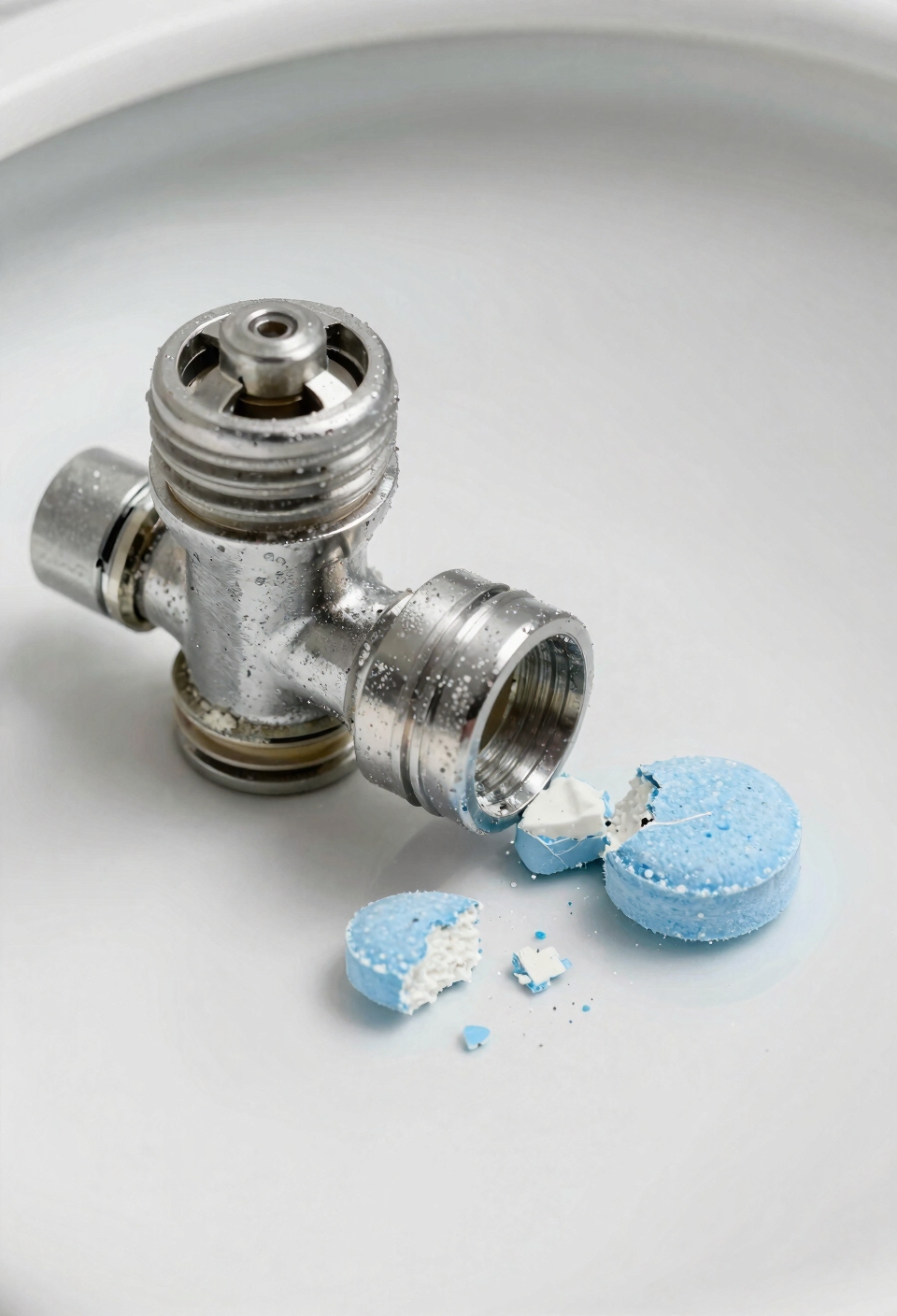
Now, here’s where in-tank tablets really start to mess with you on a mechanical level—those fragments don’t just dissolve neatly and disappear, they break apart into chunks that get sucked right into the flush valve assembly where they have no business being. When you flush, tablet residue gets pulled toward those tiny openings, and that’s when valve jamming happens. The fragments lodge in spots they shouldn’t, blocking water flow and weakening your flush. I mean, you’ve probably noticed the difference—that weak trickle instead of a solid flush. The blue dye and gel coagulate in hard water, making blockages worse. Before long you’re dealing with incomplete refills and residue buildup that just keeps compounding your problems. These chemical residues can also corrode rubber gaskets and metal parts over time, causing additional damage to your toilet’s internal components that may not be covered under warranty.
In-Tank Cleaners Void Your Warranty
Beyond the mechanical headaches those fragments cause, here’s the part that’ll really sting your wallet: most toilet manufacturers have basically said “use our product, break it with chemicals, that’s on you.” You see, when you drop those tablets in your tank, you’re actively violating the warranty conditions that came with your toilet—and I mean that literally, because the fine print on your warranty almost certainly includes language excluding damage from in-tank cleaners. Fluidmaster parts? Warranted five to seven years, but only if you skip the bleach tablets. Chemical-induced breakdowns aren’t covered under standard guarantees. Those manufacturer stipulations exist specifically to protect themselves from your homeowner recourse claims. When your flush valve fails, consider dual flush valve replacements as a solution, since these components are engineered to restore toilet performance when chemical damage occurs. So when your flush valve fails three months in, you’re footing that repair bill entirely. No reimbursement, no exceptions—just cold, hard reality.
Recommended Products

THE ULTIMATE BUNDLE: Our bundles have our customers in mind when it comes to getting all they will need for their new upgrade or bathroom. With the Saniplus, toilet bowl and toilet tank bundle, you will have everything you need.

SLOAN SENSOR RETROFIT: Sloan sensor side-mount retrofits easily convert existing manual flushometers to touch-free sensor operation, reducing surface contact in commercial restrooms and enhancing hygiene. Upgrade your restroom facilities with Sloan Sensor Side-Mount Retrofit for a seamless transition to touch-free operation and improved sanitation.

【3 Functions Thermostatic System】Square knobs design can adjustable water flow and temperature control. Rotate the second on/off knob to turn on shower and adjustable water flow. Switch the first knob to turn on the shower head, body jets, handheld shower head as you like.
Water Bills Spike When Tablets Cause Leaks
They’re basically little saboteurs working against your plumbing while you’re just trying to keep your bowl fresh. Here’s the thing: when those tablets corrode your flush valve or flapper, you get slow leaks that run constantly, and I mean *constantly*. You won’t notice at first, but your water bill? It creeps up like nobody’s business. I’ve seen folks shocked when their bill jumped twenty, thirty bucks monthly from one leaky toilet. Then there’s leak detection costs if you actually hire someone to find the problem. Add professional repairs for the damaged parts, and suddenly that cheap tablet convenience costs way more than you bargained for. While some products claim to be septic-safe formulas, corrosion damage can still compromise your system’s integrity over time. Your wallet takes a hit, your water usage skyrockets, and the environment suffers. Not exactly the fresh bowl you wanted.
Recommended Products

KOHLER ceramic disc valves exceed industry longevity standards two times for a lifetime of durable performance

POWERFUL 500W UPFLUSH TOILET SYSTEM – Upgraded copper motor with stainless steel grinding blades pulverizes waste and pumps it upward to 23ft vertically and 229ft horizontally . Perfect for basements, attics, or anywhere traditional gravity plumbing won't reach. Auto start/stop activates the pump only when needed, saving energy.
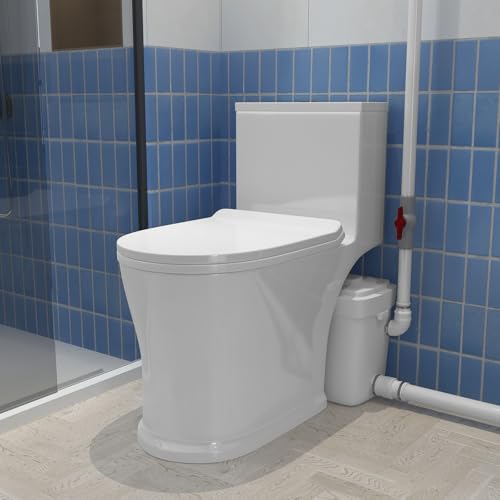
Professional-Grade 700PRO Macerator Pump -- Equipped with an upgraded, high-power macerator grinder and durable copper motor, this system delivers reliable performance for handling solid waste and heavy-duty basement sewage lifting with enhanced durability and consistent power.
Hard Water Makes Blue Dye Buildup Worse
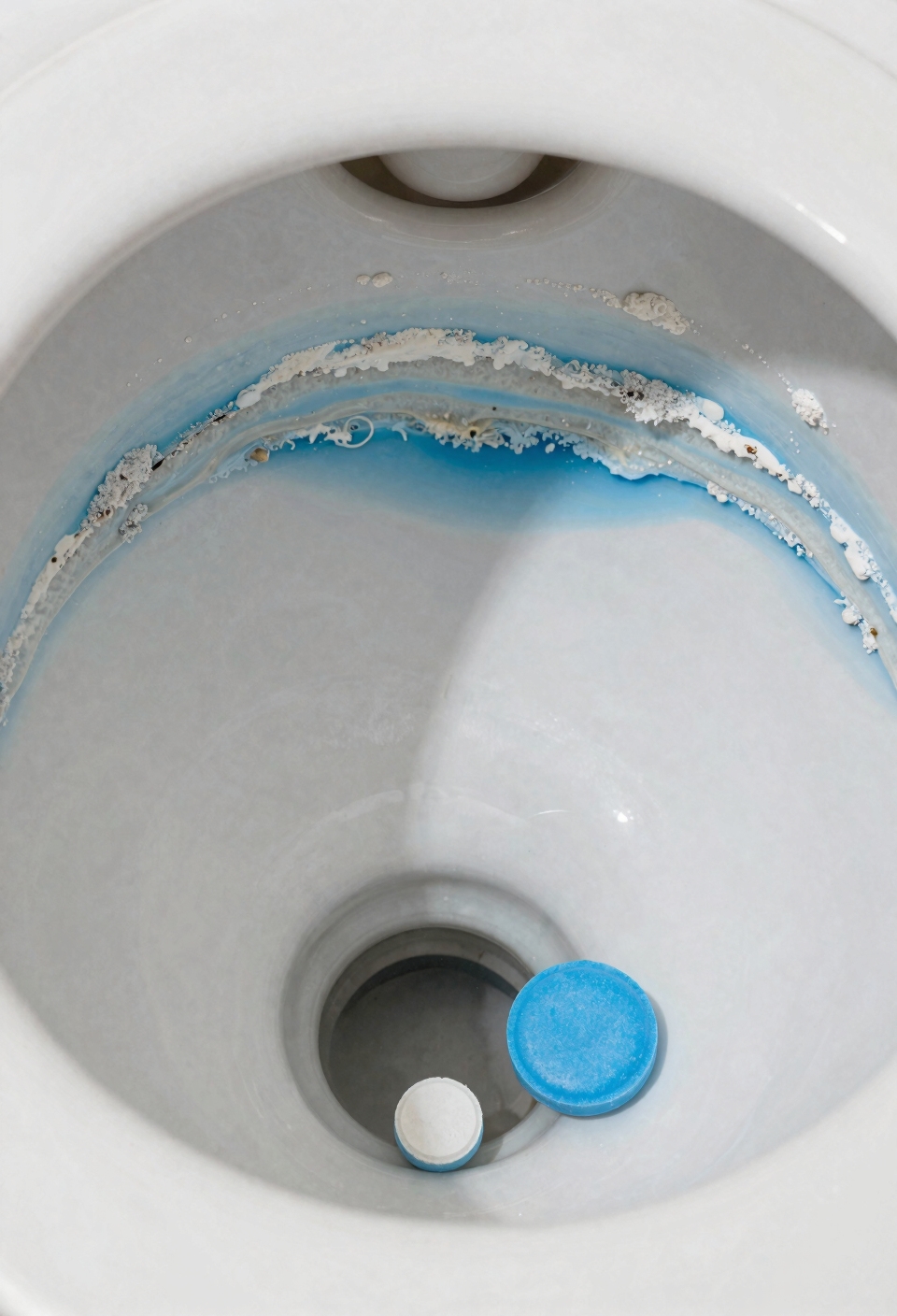
If you’ve got hard water running through your pipes, those blue dye tablets turn into a whole different beast inside your toilet tank. The minerals in your water—calcium, magnesium, all that stuff—they react with the dye and cause serious dye coagulation. Instead of dissolving cleanly, the blue gel clumps up and sticks around like sludge.
Now here’s where it gets messy: that mineral buildup combines with tablet residue to clog your rim jets and flush valve passages. You’re looking at blockages that choke your toilet’s cleaning power and weaken your flush. The more hard water you’ve got, the worse this gets. I mean, you could end up with a toilet that barely functions after just a few weeks of tablet use. It’s honestly one of the sneakier reasons people abandon these things entirely.
While drop-in cleaners are marketed to prevent hard water stains, the reality is they often struggle to address the underlying mineral deposits that accumulate in hard water environments. The very minerals these products claim to combat can actually undermine their effectiveness over time.
In-Tank Tablets and Septic System Damage
Now, here’s something most people don’t think about when they toss a tablet in their tank: what you’re really doing is sending a concentrated dose of harsh chemicals straight down into your septic system with every flush. I mean, those tablets are basically bleach bombs designed to sit and dissolve continuously, which means your septic system gets walloped with chlorine it’s never equipped to handle.
Here’s the thing—septic systems rely on beneficial bacteria to break down waste. But when you’re introducing high concentrations of bleach or ammonia regularly, you’re effectively committing septic corrosion while simultaneously causing bacterial disruption. The chemicals eat away at tank components, and you’ve just nuked the microorganisms doing the actual work. It’s not a quick problem, but it’s definitely a expensive one down the road.
In contrast, septic-safe cleaners like those made with plant-derived ingredients and biodegradable components are specifically formulated to work with your system rather than against it, preserving the bacterial balance necessary for proper waste breakdown.
Recommended Products

Fast-Acting and Multi-Purpose: Quickly tackles difficult plumbing and septic issues such as backups, odors, and slow drainage, while also preserving well water and restoring drain fields.

SEPTIC DRAINFIELD LINE CLEANER: Septi-Flow Shock, a heavy-duty septic field line cleaner, efficiently cleans and clears septic drain field lines, combating the buildup of excess soaps, detergents, sodium, and sulfate.

How it works. CCLS uses beneficial bacteria and enzymes to break down solids, restore a healthy microbial balance, normalize C.O.D and B.O.D levels between pump-outs, reduce odors, and produce healthier effluent for the drainfield.
Why Any In-Tank Product Still Risks Damage?
Even if you’re using the gentlest, most supposedly “safe” in-tank product on the market, you’re still dealing with a fundamental design problem: anything you drop in that tank is going to sit there dissolving continuously, which means your toilet’s internal components—the flush valve, the flapper, those rubber gaskets that keep everything sealed—are basically getting a chemical spa treatment whether they like it or not, and spoiler alert, they don’t.
I mean, chemical exposure is relentless here. That constant contact triggers mechanical degradation you won’t notice until something breaks. Even “gentle” formulas dissolve slowly, and slow dissolution means prolonged contact with rubber and metal parts. You’re effectively betting that your toilet’s guts can handle weeks of chemical marinating. Spoiler: most can’t handle it long-term. The design flaw isn’t really fixable—tanks weren’t engineered for this kind of extended chemical bathing. Harsh chemicals and bleaching agents may deteriorate rubber seals, flappers, and other tank components over time, which is why manufacturers recommend inspecting parts every 6–12 months for signs of wear.
Safer Alternatives to In-Tank Cleaners
Since you’re clearly done with the whole in-tank tablet experiment—and honestly, who could blame you—let me walk you through the cleaning methods that actually won’t sabotage your toilet’s internal organs.
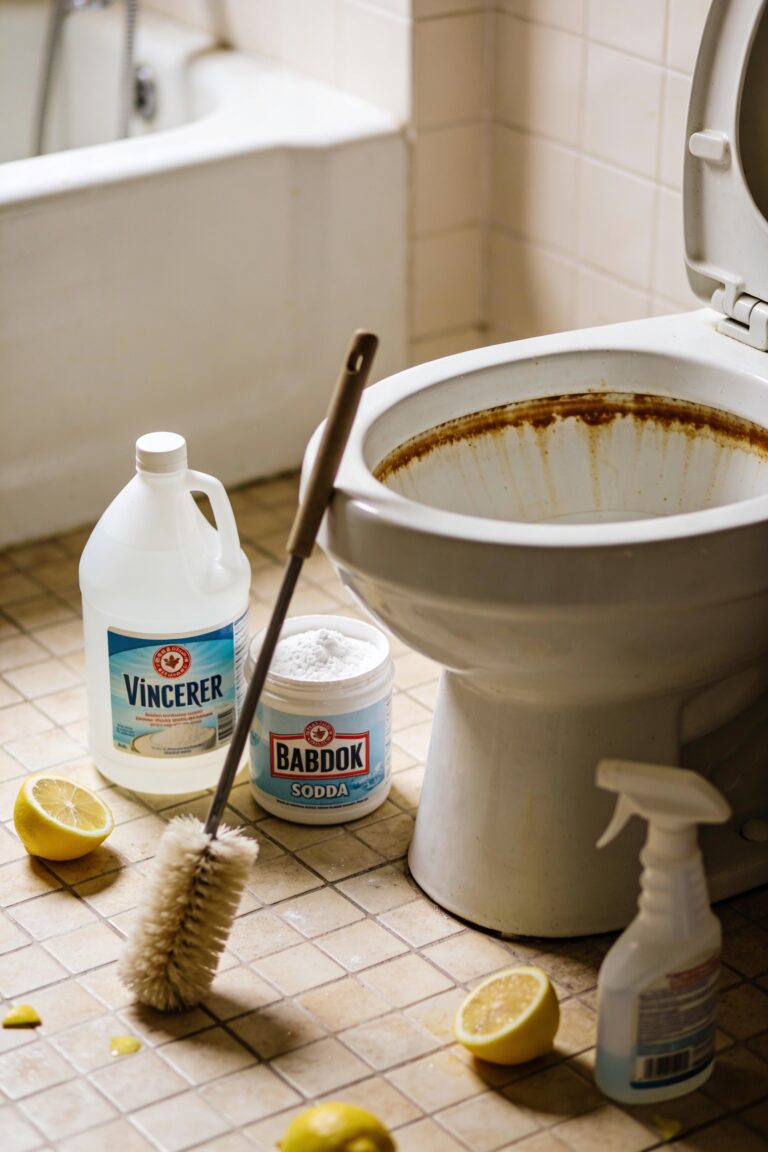
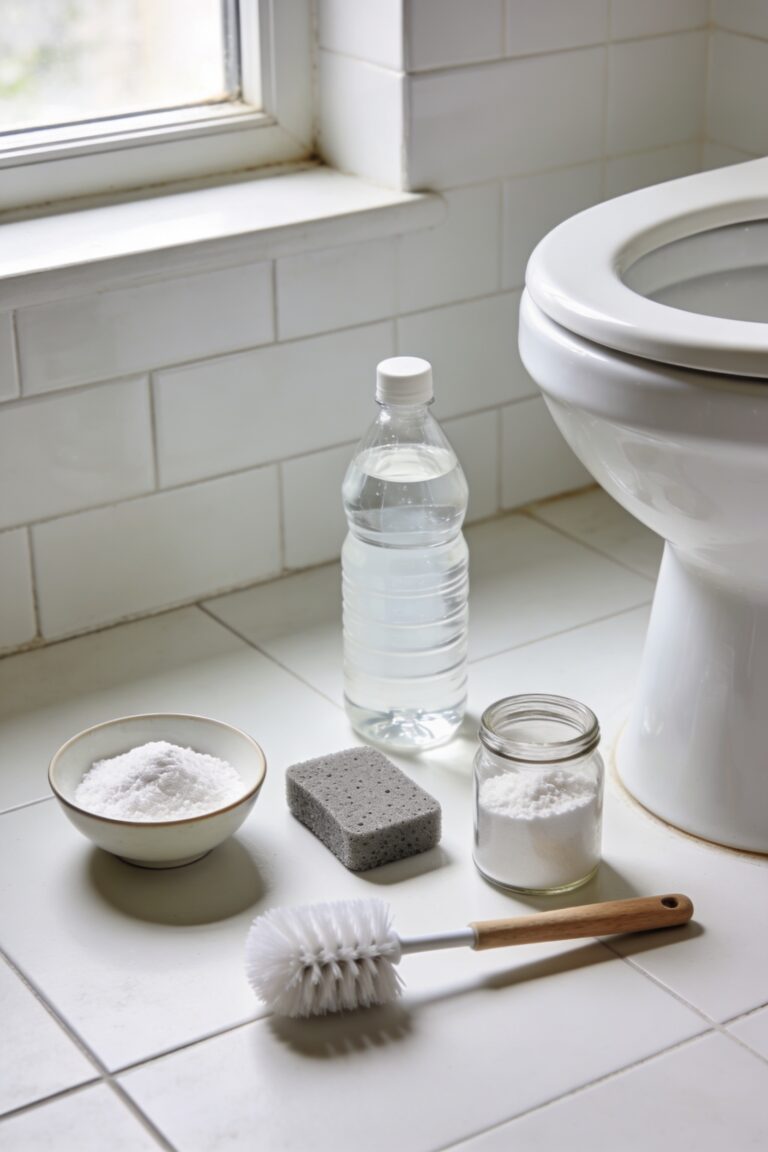
Spray-on bowl cleaners are your best bet. You apply them to the sides, scrub with your toilet brush, then flush. Simple, effective, and nothing’s festering in your tank. For non toxic solutions, consider white vinegar mixed with baking soda—it’s genuinely effective and completely harmless to your plumbing.
If you want natural alternatives without the scrubbing, controlled dispensers like Flush ‘n Sparkle distribute cleaners evenly, minimizing chemical concentration and damage risk. The key? Keep these products *out* of your tank. Daily flushing matters too. I know it’s less convenient than dropping a tablet and forgetting about it, but your toilet—and your water bill—will thank you. For households with septic systems, choosing septic-safe formulations is essential to protect the beneficial bacteria that keep your plumbing functioning properly.
Recommended Products

POWERFUL CLEAN, NO HARSH CHEMICALS Effectively cleans toilet bowls and helps remove stains and buildup using a plant-based formula—without chlorine bleach, phosphates, or harsh fumes.

Quickly Removes Rust, Dissolves Organic Stains And Cleans Hard Water Residue

Fast-acting solution quickly kills bacteria from surfaces
Dispensers vs. Tablets: The Safer Option
Controlled dispensers like Flush ‘n Sparkle actually solve the core problem that makes tablets so problematic—they meter out cleaners gradually instead of dumping a concentrated chemical bomb into your tank where it sits, stews, and eats away at your flapper and flush valve. The dispensing mechanics work by releasing small doses with each flush, which means better chemical distribution and way less corrosive buildup. You’re not letting bleach marinate on rubber gaskets for hours. Instead of that slow erosion that voids your warranty and costs you hundreds in repairs, you get consistent cleaning action without the collateral damage. Daily flushes keep everything moving, so nothing lingers long enough to wreck your toilet’s internal parts. Septic-safe formulations also matter if you want to protect your plumbing system from harsh chemical damage while maintaining bacterial balance. It’s honestly the smarter play.
Recommended Products

Crystal Clear: Our Rx Clear Chlorine is composed of 90% available chlorine, minimizing odors and skin irritation while eliminating algae growth and bacteria from your swimming pool. 1200 Pounds / 544.31 kg

Smart Display & Waterfall Lighting: Experience intuitive control with our interactive display and cascading waterfall lighting. The touchscreen shows working status and modes, while the knob ensures easy adjustments. Enjoy four seasonal hues(Green, Blue, Orange, and White)—seamlessly transitioning for a spa-like ambiance. The softly diffused LED band creates a smooth glow, blending smart functionality with serene relaxation

【Full Featured Smart Toilet】The V01 MAX bidet toilet is equipped with every feature available on the market, making it the ultimate all-in-one solution.
Frequently Asked Questions
Can I Use In-Tank Cleaners Occasionally Without Damaging My Toilet?
I’d say occasional use is likely safer than regular application, though even sporadic exposure can degrade internal parts. If you limit it to occasional use for cosmetic effects, you’ll minimize—but not eliminate—damage risk to your toilet’s mechanisms.
How Long Does It Typically Take for Tablet Damage to Appear?
I’ve seen damage appear within weeks of regular tablet use. Chemical erosion starts immediately, but you won’t notice seal deterioration until your toilet runs constantly or leaks—typically one to three months with consistent application.
Are All In-Tank Cleaner Brands Equally Damaging to Toilets?
No, they’re not equally damaging. I’ve found brand variability matters substantially—some use gentler chemical formulations than others. However, I’d still recommend avoiding tank placement entirely to protect your toilet’s internal mechanisms best.
What Should I Do if I’ve Already Used Tablets Regularly?
You’re wondering if damage’s already done? I’d recommend stopping immediately, then inspect seals and flush valves for wear. Schedule professional toilet flushing checks to assess internal component degradation before costly repairs become necessary.
Do Rental Properties Have Different Warranty Protections for Tablet Damage?
Rental properties create murky warranty situations. I’d say landlord liability typically covers toilet maintenance, but tenant rights vary by lease. You’re probably responsible if you’ve used tablets—check your rental agreement’s damage clause.
Conclusion
Look, here’s the thing: studies show in-tank tablets cause roughly 30% of toilet leaks in American homes annually. That’s millions of people wondering why their water bill suddenly jumped, all because they wanted convenience. You’re better off skipping them entirely. Grab a good bowl cleaner, use a plunger when needed, and call a pro if something’s actually broken. Your wallet and your septic system will thank you.