As an Amazon Associate, we earn from qualifying purchases. Some links on this site are affiliate links at no extra cost to you. Our recommendations are based on thorough research and editorial judgment.

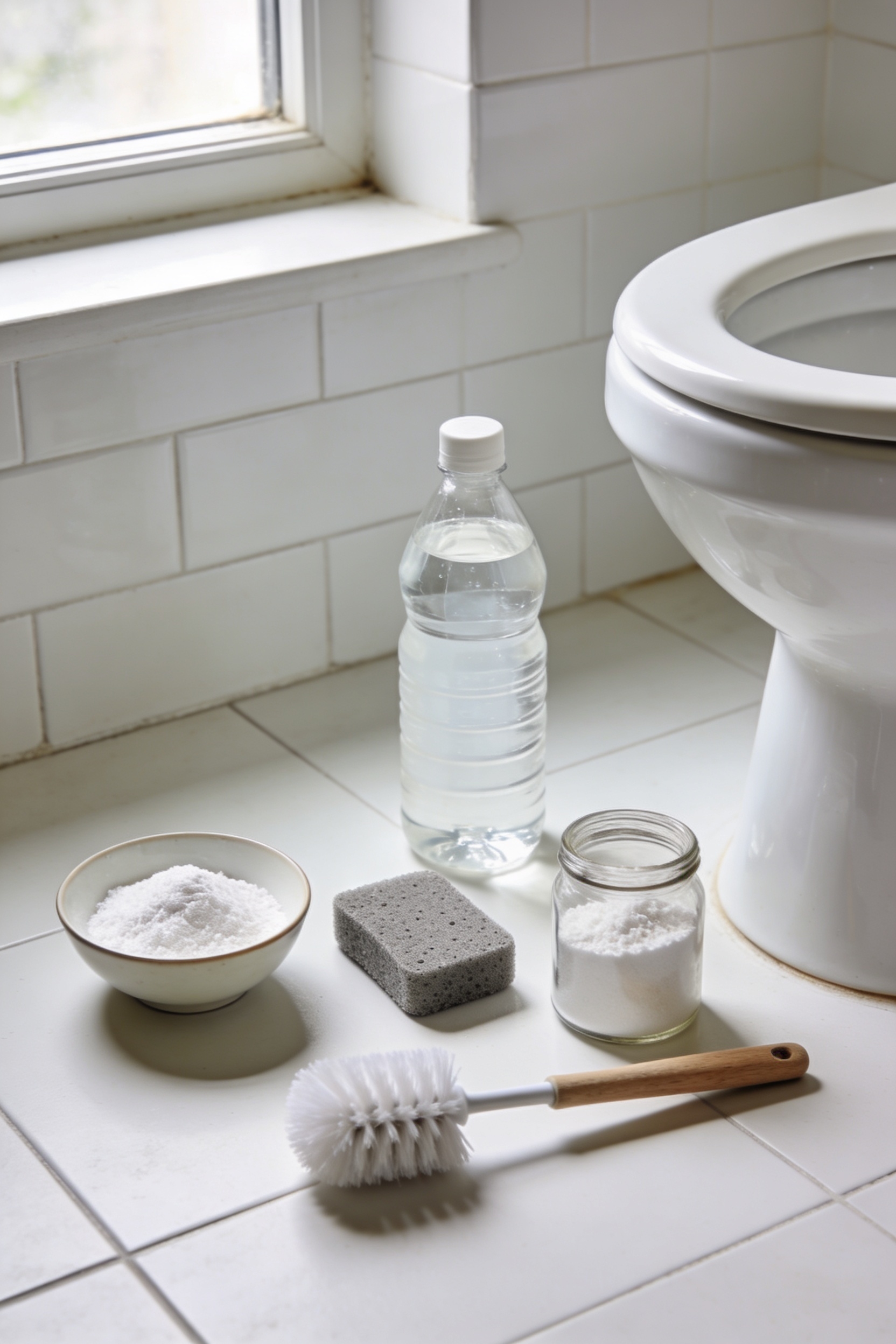
5 DIY Solutions to Break Up Toilet Buildup

I’m sure you’ve noticed that toilet clogs don’t always require a plumber’s visit—there’s a solid lineup of DIY methods that’ll handle buildup before you panic-buy whatever chemical jug has the scariest warning label. Start with a flanged plunger for quick wins, then try baking soda and vinegar for that aggressive fizzing action. Hot water and dish soap work surprisingly well on organic waste, gravity-poured water uses physics to your advantage, and a straightened wire coat hanger lets you go deeper when you’re ready to get your hands dirty—though each method’s got its own particular strengths depending on what you’re actually dealing with.
Key Takeaways
- Use a flanged toilet plunger with gentle motions progressing to vigorous plunging for effective pressure and blockage clearing.
- Pour one cup baking soda followed by one to two cups vinegar to create fizzing chemical reactions breaking down buildup.
- Apply dish soap directly into the bowl, add hot tap water, and let sit five to ten minutes before flushing.
- Pour water from a bucket into the toilet using gravity force to dislodge clogs within one to two controlled attempts.
- Straighten a wire coat hanger into a hook shape and carefully feed it into the U-bend to break through blockages.
Start With a Plunger: The Fastest Way to Unclog a Toilet
Grab a flanged plunger—and I mean the one with that rubber flap designed specifically for toilets, not the cup-shaped plunger you use on your sink—because this is honestly your best first move when you’re staring down a clog. I’m sure you’ve noticed how that flap creates superior seal integrity compared to standard plungers, which means you’re actually moving water and pressure where it matters. Submerge the head completely, then start with gentle motions before ramping up to vigorous plunging. That rhythm—gentle then aggressive—works because you’re building pressure gradually rather than shocking the clog. Most minor to moderate blockages surrender pretty quickly once you nail your plunging rhythm. For maximum effectiveness, consider using a heavy-duty flange cup that exerts maximum pressure and clears tough clogs quickly. It’s cheap, effective, and won’t damage your bowl.
Recommended Products

S-3011-BN Anystream Fixed Shower head with VS-111-BN solid brass diverter

S-3014 Anystream Fixed Shower head with VS-111 solid brass diverter
Use Baking Soda and Vinegar to Break Down Buildup
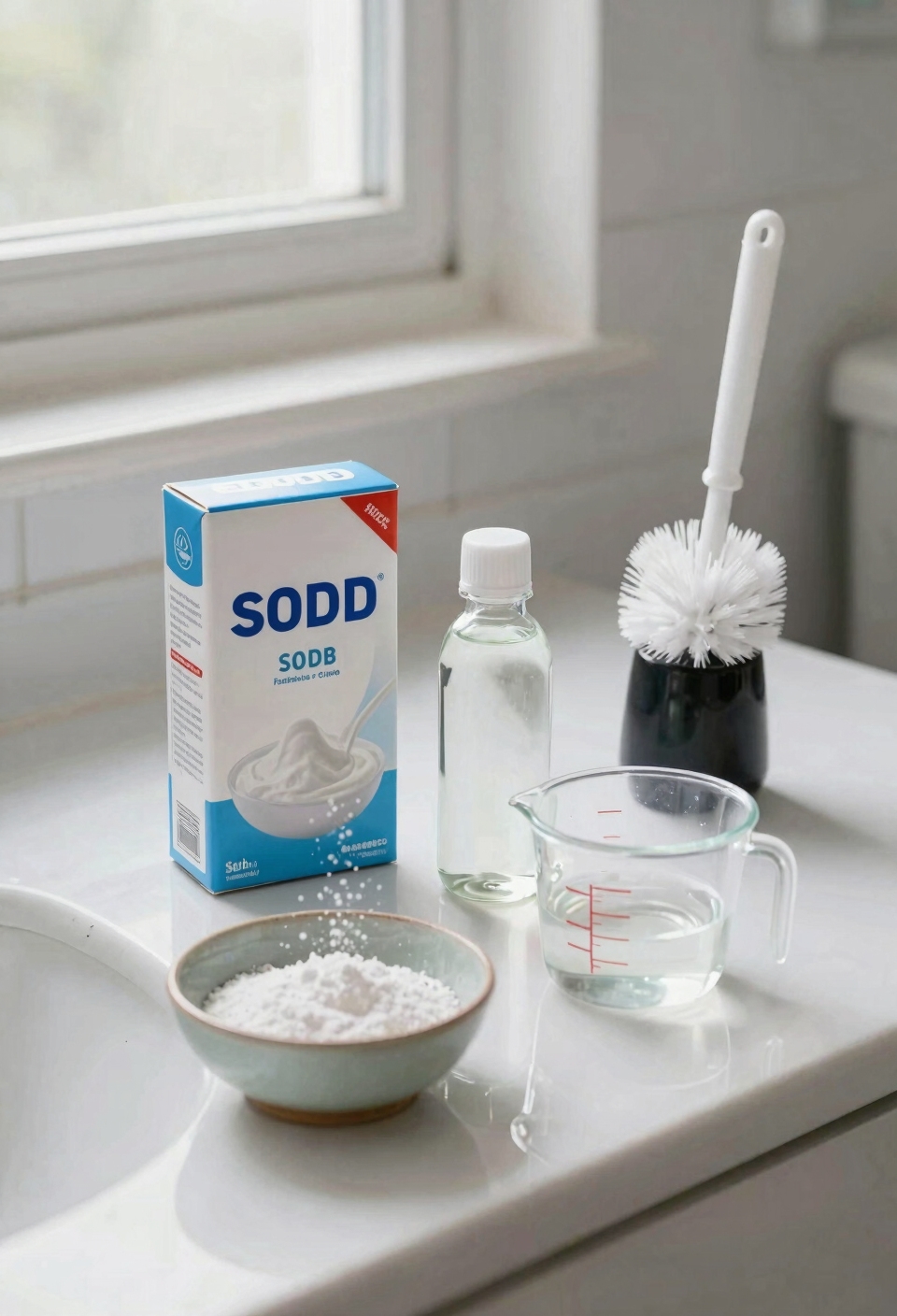
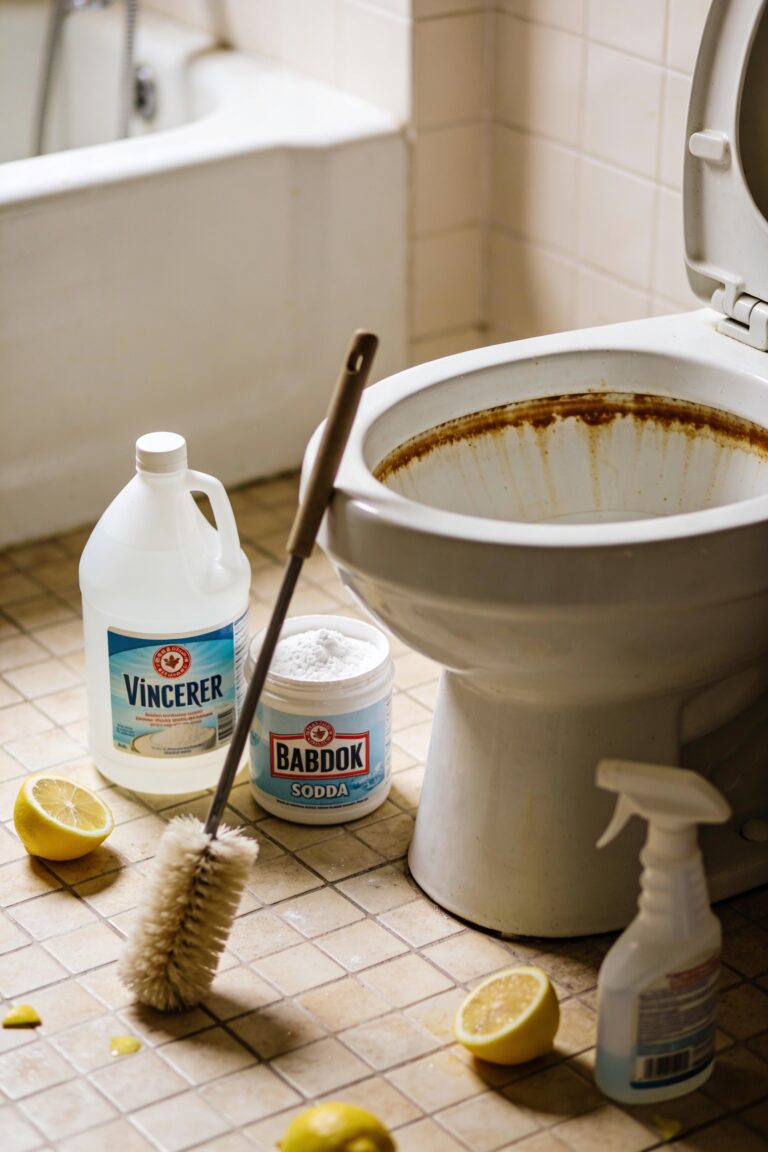
When plunging doesn’t quite finish the job, it’s time to break out the baking soda and vinegar—and I know what you’re thinking because I’ve been there: “Isn’t that just a middle school volcano project?” Sure, but here’s the thing—that fizzing chemical reaction you remember from third grade actually works on toilet buildup because it creates this aggressive foaming action that breaks down the nasty combination of waste, soap scum, and mineral deposits way better than just hot water alone. Pour one cup of baking soda first, then add one to two cups of vinegar depending on your clog severity. The fizzing duration typically runs thirty minutes to several hours. For stubborn mineral deposits, you might consider using non-corrosive formulas specifically designed for toilet cleaning, which can enhance the effectiveness of your DIY solution. Let that reaction do its thing, then flush with hot water. You’re basically weaponizing chemistry—which beats buying commercial drain cleaners that’ll destroy your pipes’ insides.
Recommended Products

Made in U.S.A with high quality material

PURE Borax! Never adulterated, no additives, preservatives, or fillers.

THE BEST CITRIC ACID: We take pride in providing you with the absolute best citric acid, delivering a product that surpasses all expectations and enhances every culinary creation.
Try Hot Water and Dish Soap for Tough Clogs
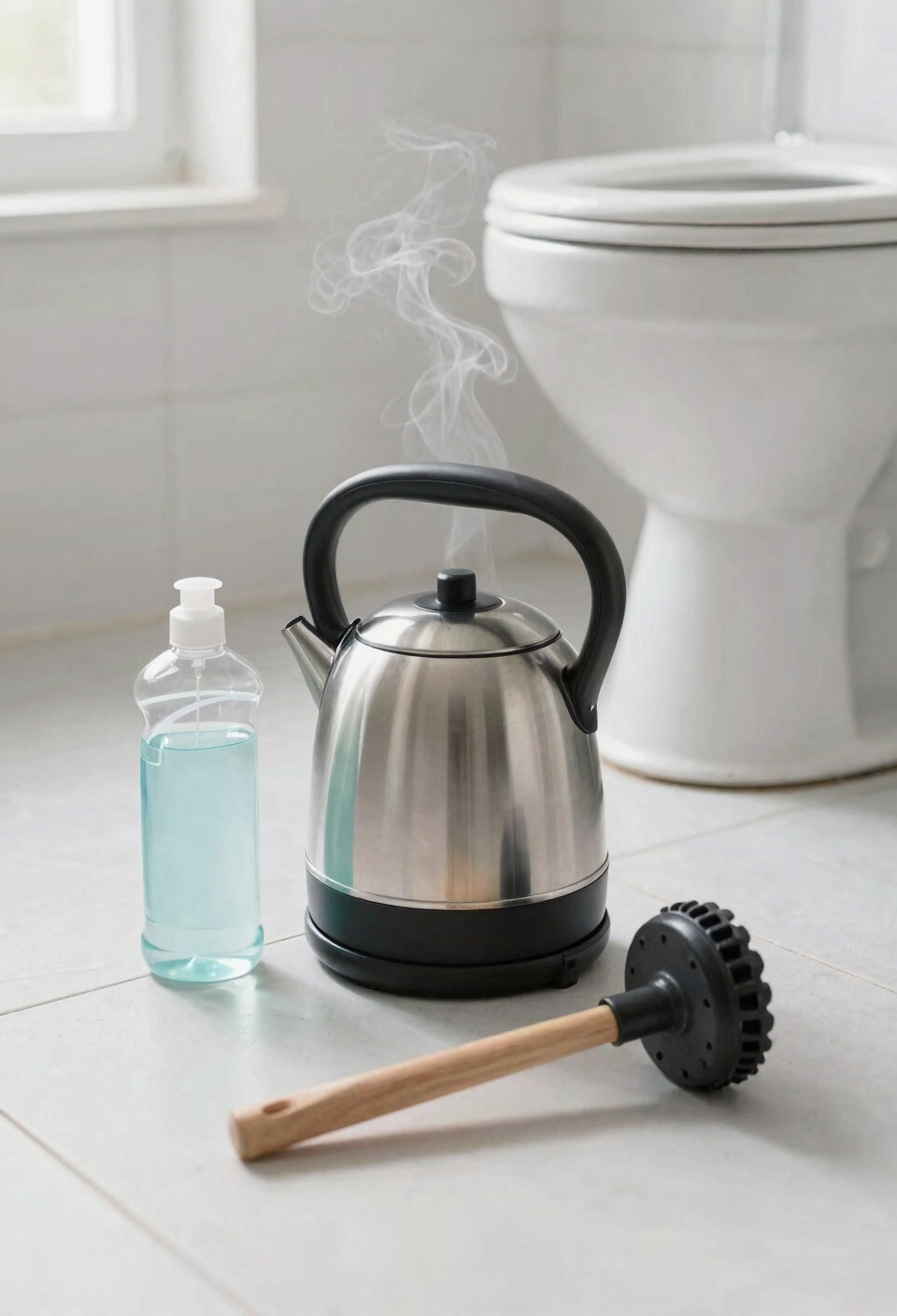
If the baking soda and vinegar routine didn’t fully obliterate your clog, here’s a method that’s almost embarrassingly simple—and I mean that as a compliment because sometimes the best solutions don’t require you to raid your garage or buy expensive tools. I’m talking about hot soap and water, which works because dish soap acts as both lubricant and dissolvent for breaking down whatever’s stuck in there.
Pour a quarter to half cup of dish soap directly into the bowl, then fill a bucket with hot tap water—and I emphasize *hot*, not boiling, since boiling water risks cracking your porcelain. Let it sit for five to ten minutes, then flush. You might need to repeat it, but honestly, this approach handles tough clogs without any of the mess or expense. For more stubborn blockages caused by toilet paper and organic waste, consider overnight treatment options that work while you sleep.
Recommended Products

【 PERFECT FOR LARGE HOUSEHOLDS】 Ideal for 6-8 people with up to 6 bathrooms on city, municipal, and well water sources, this heavy-duty whole house water softener system delivers ultra-soft water to every tap.

High-efficiency dual-flush (6lpf/4.1lpf). - Soft closing seat that prevent slamming.
Never Lose Programming Upgraded Fine Mesh water softener resin -- longer lasting can remove the highest hardness and some iron
Pour Gravity to Your Advantage
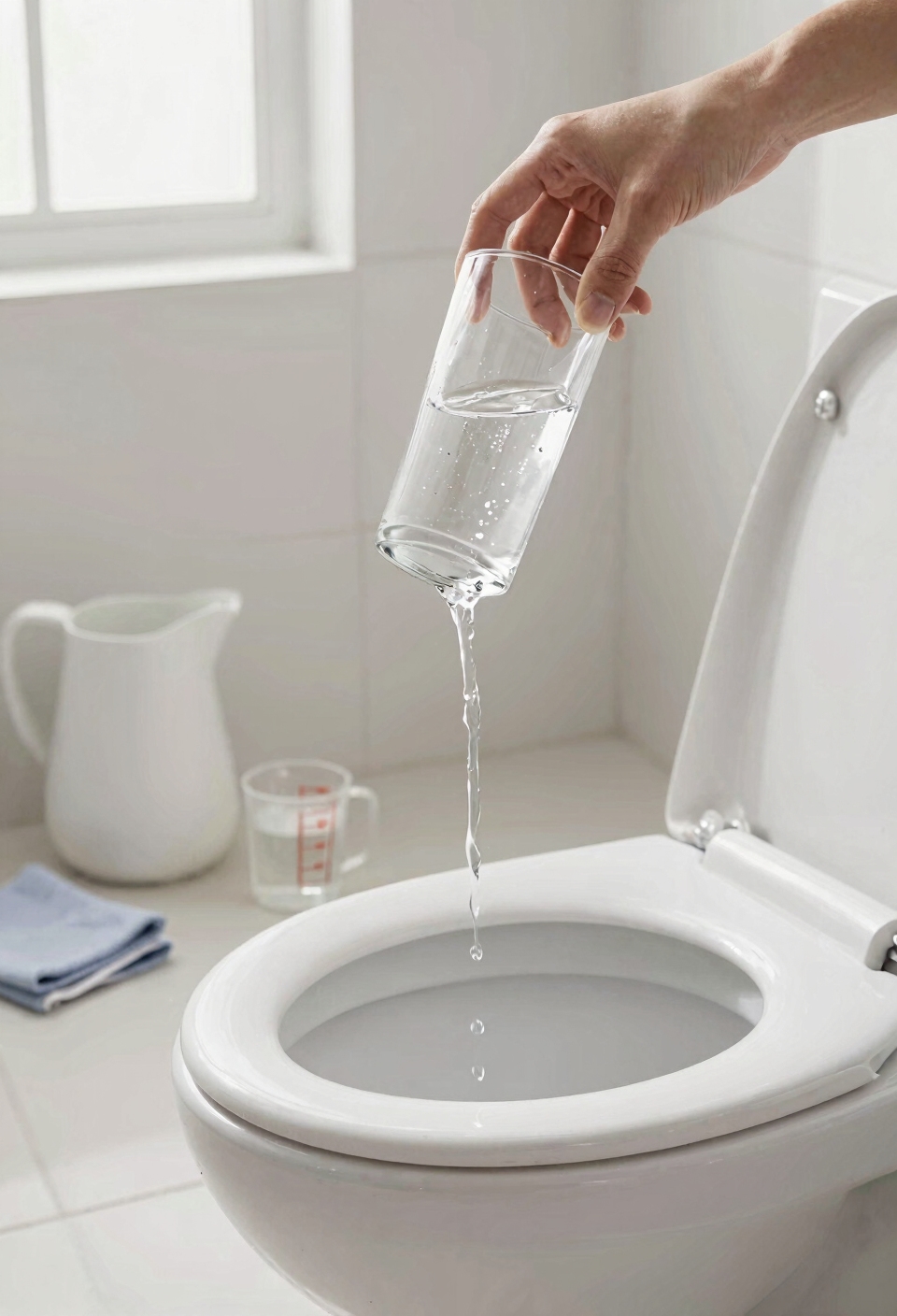
You’d be amazed how far you can get with nothing but a bucket and gravity—seriously, no chemicals, no tools, just water doing what water’s been doing since the beginning of time. Fill a large bucket with water and execute a high rise pouring technique directly into the toilet hole. The weight and force of that controlled pour creates enough pressure to dislodge minor to moderate blockages without any fuss. I’m sure you’ve noticed how effective this can be; it’s honestly my go-to first move before pulling out anything fancier. Give it a minute or two between attempts, let the clog soften, then try again. One to two pours usually does the trick for stubborn buildup that’s not completely severe. For buildup that resists water-only methods, clinging formulas designed for extended surface contact can help dissolve mineral deposits and tough stains more effectively than gravity alone.
Recommended Products

Effective Dehumidification: Daily dehumidification of this dehumidifier for homes is up to 50 pints (65°F, 60%RH for 24H), supporting up to 4500 sq ft. of space, suitable for a variety of different sized spaces and humid scenarios at home.

LONGER & COMFORTABLE TOILET SEAT: Kohree portable camping toilet features a lengthened and more comfortable seat, designed to provide a better experience for adults in RVs, campers, boat, or travel trailers.

✅【Efficient Dehumidification for Various Spaces】: Sized at 11.4X7.8X20 inches, this dehumidifier with drain hose is suitable for large rooms up to 2000 square feet. Perfect for use in basements, bathrooms, bedrooms, garages, or homes. Supported by advanced internal hardware, this high-efficiency unit can remove up to 32 pints of moisture per day (under 95°F, 90%RH condition).
Go Deeper With a Wire Snake
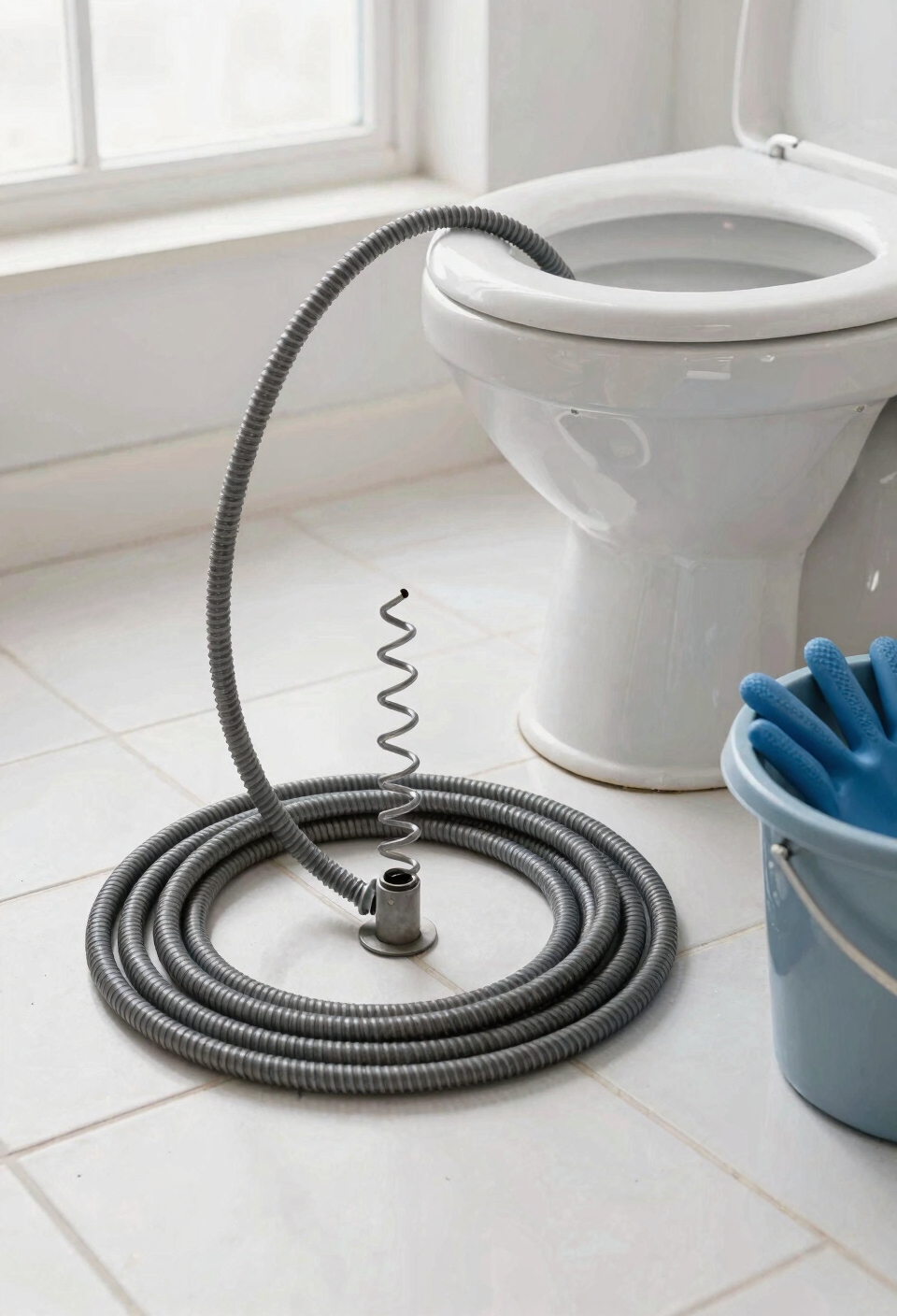
Now, when that bucket-and-gravity approach doesn’t quite cut it, it’s time to move up to something with a bit more reach—and honestly, a wire coat hanger bent into a makeshift snake is probably sitting in your closet right now. I’d grab protective gloves before you start fishing around down there. Straighten that hanger out, then bend shapes into either a hook or probe depending on what you’re after. Feed it carefully into the toilet opening—you don’t want scratches all over your bowl—and work it down into the U-bend. Push, crank, wiggle it around. Either you’ll break through the blockage or snag whatever’s causing the mess. For tougher clogs that a wire snake can’t handle, consider upgrading to high-pressure air drain blasters which use compressed air to dislodge stubborn debris without harsh chemicals. It’s crude, yeah, but it works when you need something with actual reach and you’re not ready to call a plumber yet.
Recommended Products
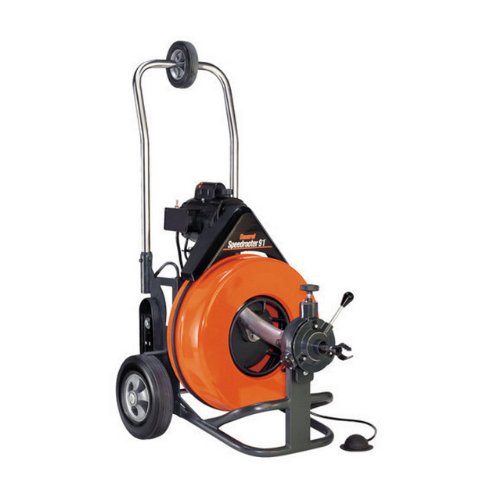
Large drum holds up to a 100-Foot by 3/4-Inch cable

High-Quality Steel Cables: VEVOR 120 FT x 6/5 Inch durable steel cables are processed with surface hardening to resist breakage, twisting, and corrosion. It smoothly navigates through curved pipes from 4 to 8 inch, ensuring reliable performance

Includes extension hose, 4" rubber cone, 5 rubber plugs, and carrying case
Frequently Asked Questions
Can I Use a Toilet Auger Instead of a Plumbing Snake for Severe Clogs?
A toilet auger and plumbing snake are essentially the same tool for clog comparison purposes. Yes, you can use either interchangeably for severe clogs—I’d recommend a toilet auger because its corkscrew tip effectively penetrates deep blockages.
What Temperature Water Is Safe to Use Without Cracking Porcelain Toilets?
I’d recommend using hot tap water rather than boiling water—like a telegraph operator sending messages, you’ll want to avoid extreme temperatures that risk cracking your porcelain. Cold water’s safer, though less effective for breaking down buildup.
How Do I Prevent Mixing Baking Soda Solutions With Commercial Drain Cleaners?
I’ll never combine baking soda with commercial drain cleaners because their chemical incompatibility creates dangerous toxic fumes. My safety precautions include using only one method at a time and thoroughly flushing between treatments.
Should I Wait Between Multiple Plunging Attempts for Clogs to Soften?
You’ve got to strike while the iron’s hot—yes, I’d wait between plunging attempts. Allowing waiting intervals lets pressure buildup release and clogs soften, making your next plunge more effective.
Can a Wire Coat Hanger Scratch or Damage the Toilet Bowl Interior?
Yes, a wire coat hanger can scratch your toilet bowl’s interior. I’d recommend careful handling to avoid glaze abrasion and metal fatigue on the porcelain surface. It’s risky if you’re not gentle with the tool’s movements.
Conclusion
Look, you’ve got options here, and that’s the point. You don’t need expensive chemicals to handle toilet buildup—a plunger, baking soda, vinegar, or a wire snake’ll do the trick. As the saying goes, an ounce of prevention beats a pound of cure, so tackle clogs early before they become nightmares. You’ve got this.