As an Amazon Associate, we earn from qualifying purchases. Some links on this site are affiliate links at no extra cost to you. Our recommendations are based on thorough research and editorial judgment.

Why Switch to Vinegar-Based Toilet Bowl Cleaners?

I switched to vinegar because it actually dissolves mineral deposits through chelation rather than just scrubbing them away, and you get that chemical-free bathroom without the warning-label-longer-than-a-receipt situation. Sure, it’s not a hospital-grade disinfectant, but the acetic acid handles everyday bacteria and mold just fine, it won’t corrode your pipes like aggressive cleaners do, and a gallon costs about three bucks compared to five to eight per bottle of name brands. Plus, it’s septic-safe, which means you’re not nuking the good bacteria your system needs to function. There’s actually a lot more to weigh up before you decide which cleaner’s right for your setup.
Key Takeaways
- Vinegar’s acidity dissolves mineral deposits and stains at a molecular level, outperforming scrubbing alone.
- Vinegar eliminates harmful bacteria and mold while lacking toxic fumes found in commercial cleaners.
- White distilled vinegar costs about $3 per gallon, significantly cheaper than $5–$8 name-brand alternatives.
- Vinegar is safe for porcelain, rubber seals, and septic systems without damaging plumbing or pipes.
- Overnight soaking with vinegar reduces scrubbing effort for stubborn buildup and crusty toilet rings.
Why Vinegar Works as a Toilet Cleaner
Look, I’m sure you’ve noticed that crusty ring around your toilet bowl—that stubborn buildup that seems to mock your standard scrubbing efforts. Here’s the thing: that’s mineral deposits, mostly calcium and magnesium, and they’re basically laughing at your alkaline cleaners.
Vinegar’s got acid strength that actually works. We’re talking pH 3-4, which sounds wimpy until you realize it chemically dissolves those deposits through a process called mineral chelation—the acid fundamentally grabs onto those minerals and breaks them apart. It’s not scrubbing them away; it’s dismantling them at a molecular level.
I mean, that’s legitimately clever chemistry happening in your bowl. No harsh fumes, no synthetic chemicals, just straightforward acid doing what it does best. For tougher buildup situations, you might consider combining vinegar with citric acid formulations to achieve stronger results faster.
Does Vinegar Kill Toilet Bacteria?
While that mineral-dissolving chemistry is genuinely satisfying, here’s what you’re probably wondering: does vinegar actually kill the bacteria that’s thriving in your toilet?
I’m not gonna lie—this is where household myths tend to get messy. Vinegar’s acetic effectiveness against pathogens like E. coli and Salmonella is legit. That acidic environment (pH 3-4) genuinely disrupts bacterial growth and eliminates mold on contact. The antimicrobial properties aren’t fiction.
But here’s the thing: vinegar isn’t a hospital-grade disinfectant. It works on surfaces you can reach, but those internal tank bacteria? They need proper dwell time—we’re talking overnight soaking for real stubborn contamination. For comparison, products like Lysol Max Strength kill 99.9% of household bacteria and viruses with faster action times, though they require different chemical formulations. All right, so yes, vinegar kills toilet bacteria. Just don’t expect miracle results without patience.
Is Vinegar Safe for Toilet Cleaning?
Now here’s where vinegar gets interesting—because unlike those commercial cleaners with their skull-and-crossbones warnings, you can actually feel good about what you’re spraying around your house. I mean, you’re not dealing with toxic fumes that’ll have you gasping for air or worrying about chemical burns. The health precautions? Minimal. Sure, don’t drink it straight, but that’s common sense. What really matters is surface compatibility—vinegar won’t wreck your porcelain or damage rubber seals the way harsh commercial acids sometimes do. You’re getting legitimate disinfection without the respiratory irritation, without synthetic formulations that linger in your bathroom air. Vinegar-based cleaners are biodegradable ingredients that prevent harm to water systems and wildlife while still delivering effective cleaning power. It’s straightforward chemistry that actually works, and you’re not sacrificing safety to get results.
Recommended Products
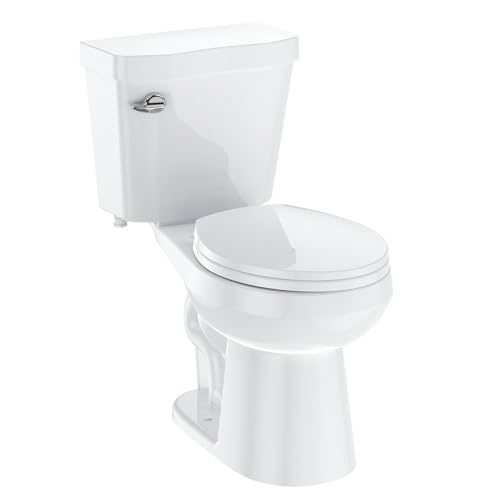
🚽Comfortable Toilet Height Design: Our two-piece toilet bowl is specially designed with a seat height of 17/19 inches from the floor, aimed at reducing fatigue when sitting down or standing up, providing a more comfortable user experience.

THE ULTIMATE PORTABLE TOILET – No More Emergency Potty Runs While Camping, Boating or Traveling on the Road! Compact, Fully Functional Latrine Provides Anytime, Anywhere Bathroom Relief with All the Comforts of a Real Home Toilet

PURE Borax! Never adulterated, no additives, preservatives, or fillers.
How to Clean a Toilet With Vinegar
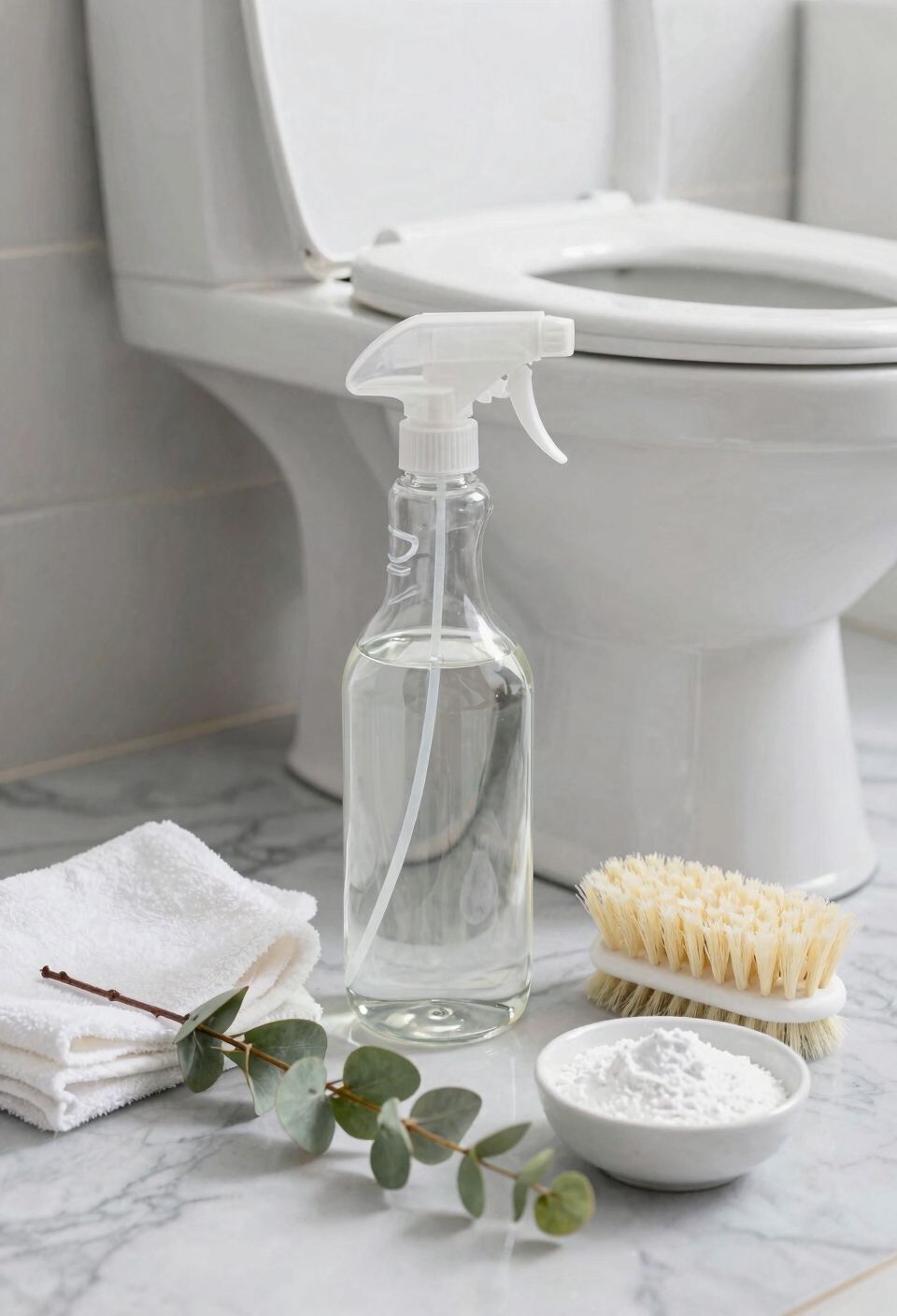
Getting your toilet actually clean with vinegar isn’t some mysterious ritual—it’s just a matter of knowing what you’re doing and giving the acid enough time to work. Here’s what I do: I pour about three cups of white distilled vinegar directly into the bowl, and if you’re dealing with serious buildup, let it sit overnight. For regular maintenance, ten minutes does the trick. The vinegar concentration matters—you want that undiluted stuff, not some diluted spray bottle version—because the stronger acid actually dissolves those mineral deposits and kills bacteria on contact. Application timing is equally essential; the longer you let it work, the less scrubbing you’ll need. For extra stubborn stains like rust or limescale that resist vinegar alone, consider pairing this method with abrasive cleaning pads as a chemical-free alternative for tough mineral buildup. Honestly, it’s almost lazy-person cleaning at its finest.
Recommended Products

【Generate Two Different Solutions】- The hypochlorite solution and sodium hypochlorite solution, depending on the pH value of the sodium chloride solution you have prepared. When the pH value is higher, you will get sodium hypochlorite (bleaching agent). If you want to use hypochlorous acid, before starting the machine, you should use ph test paper to confirm that the ph value is between 5 and 6. Electrolyzing sodium chloride solution with a ph value of 5 to 6 generates hypochlorite solution.

Contains only food-grade hydrogen peroxide and purified, deionized water. No stabilizers or additives. The hydrogen peroxide solution is NSF Certified to NSF/ANSI/CAN 60 for drinking water treatment chemicals and NSF/ANSI/CAN 50 for pool, spa, hot tub, and other recreational water treatment chemical use.

𝙃𝙞𝙜𝙝𝙡𝙮 𝘾𝙤𝙣𝙘𝙚𝙣𝙧𝙖𝙩𝙚𝙙: This powerful horticultural vinegar concentrate is formulated with acetic acid 30, delivering industrial-grade strength in every drop. As a distilled white vinegar solution, it comes in a convenient vinegar gallon size and can be diluted into any concentration for flexible use.
How Much You’ll Save With Vinegar
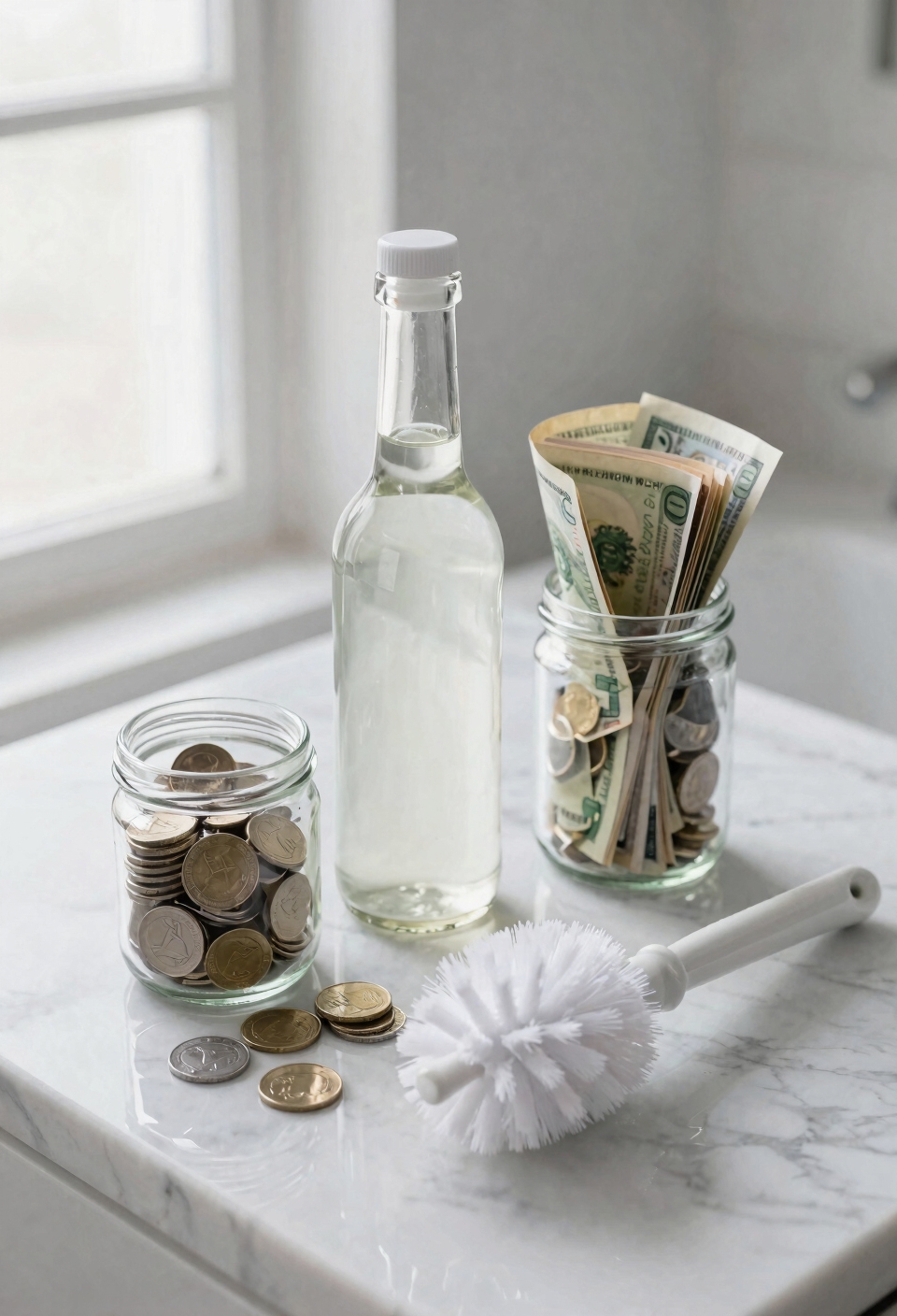
The math on vinegar versus commercial toilet bowl cleaners is genuinely laughable in vinegar’s favor, and I mean that literally—you’ll probably chuckle when you do the calculation yourself. Here’s the reality: a gallon of white distilled vinegar runs you maybe three bucks and handles multiple cleaning jobs throughout your home. That same gallon outperforms several bottles of name-brand toilet cleaners that’ll each set you back five to eight dollars. Your cost savings multiply when you consider that vinegar tackles your entire bathroom—not just the toilet. You’re looking at cutting your cleaning budget roughly in half, maybe more. Factor in bulk purchasing discounts, and your budget comparison becomes almost embarrassing for those fancy chemical formulas. Unlike many commercial cleaners, vinegar is biodegradable and septic-safe, making it both economical and environmentally responsible. I mean, we’re talking legitimate hundreds annually for most households.
Recommended Products

YOUR SAFETY COMES FIRST: This Megahome distiller is UL (Underwriters Laboratory) approved. UL is the trusted independent global safety science company for US products, and determines product compliance with stringent safety standards. PLEASE NOTE: For fire safety, many home insurance policies require that electrical products installed in the home be UL certified. Megahome distillers are one of the only UL approved water distillers available.

H2o Labs rated as the BEST OVERALL Home Water Distiller in its class. Rigorously tested and evaluated for dependability, ease of operation and maintenance, design, functionality, quality, economy, warranty, technical and customer support and customer satisfaction. (Visit H2oLabs.com for comparisons to other brands.)
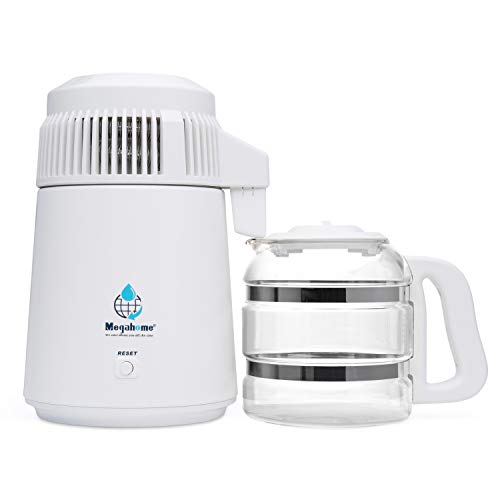
YOUR SAFETY COMES FIRST: This Megahome distiller is UL (Underwriters Laboratory) approved. UL is the trusted independent global safety science company for US products, and determines product compliance with stringent safety standards. PLEASE NOTE: For fire safety, many home insurance policies require that electrical products installed in the home be UL certified. Megahome distillers are one of the only UL approved water distillers available.
Why Vinegar Is Better for Pipes and Septic Systems
Protecting your plumbing infrastructure matters way more than most people realize, and this is where vinegar actually outshines those aggressive commercial cleaners in a big way. I mean, you’re dumping harsh chemicals down your pipes regularly, and honestly, that stuff builds up over time. Vinegar’s gentle acidic formula handles pipe scale prevention without corroding your system from the inside out. Those commercial cleaners? They’re basically chemical sledgehammers that wreck your pipes’ interior walls.
Here’s the thing: septic friendly maintenance is vital if you’ve got a septic system, and vinegar won’t kill off the beneficial bacteria your tank needs to function properly. Commercial cleaners obliterate those microorganisms, which means your entire system backs up. Unlike harsh chemicals that contain chlorine and ammonia, vinegar is biodegradable and septic-safe, ensuring your system operates effectively without disruption. You’re fundamentally choosing between saving a few bucks now or replacing your whole plumbing setup later.
Recommended Products

Quickly Removes Rust, Dissolves Organic Stains And Cleans Hard Water Residue

effortlessy breaks down and dissolves bathroom stains

Case of 4 Bottles, 32oz each for a total of 128oz
What If Vinegar Doesn’t Work?
All right, so you’ve poured that vinegar down your toilet, let it sit overnight, maybe even scrubbed like your life depended on it, and you’re still staring at those stubborn stains or that funk that won’t quit—I get it, and honestly, it happens more often than vinegar enthusiasts want to admit. Sometimes you’re dealing with acid resistant alternatives that vinegar just can’t touch. Mineral deposits, rust stains, or severe buildup occasionally require professional grade treatments instead. I’m not saying vinegar fails across the board—it’s genuinely solid for maintenance—but if you’ve given it a real shot and nothing’s budging, you’ve got options. Commercial cleaners with higher HCl concentrations can dissolve limescale and rust more quickly than vinegar, delivering faster results on toughest stains. Knowing when to deploy them beats endless scrubbing.
Recommended Products

NOT Your Grocery‑Aisle Cleaner – BolBac’s industrial‑strength 25 – 30 % hydrochloric formulation obliterates lime scale, mineral crust, and iron stains in minutes, snapping surfaces back to “day‑one” brightness

Industrial Strength: CLR PRO Calcium, Lime and Rust Remover is a non-toxic, multipurpose cleaner designed for bathrooms or bathroom related surfaces. It breaks down calcium, lime and soap scum to leave behind a streak-free shine
Frequently Asked Questions
Can I Mix Vinegar With Other Cleaning Products for Better Toilet Bowl Results?
I’d caution you here—mixing vinegar with other cleaners can be risky. You’ll want to avoid bleach entirely, as it creates toxic fumes. Always test surfaces first before combining products for safety.
How Long Does Vinegar Smell Linger After Cleaning the Toilet?
I’ve found that vinegar’s smell typically lingers 1-2 hours depending on your bathroom’s air circulation. I’d recommend opening windows or running exhaust fans to speed dissipation. Scent neutralizers like baking soda help too.
Will Vinegar Damage Rubber Seals or Internal Toilet Tank Components?
I’d love to tell you vinegar’ll eat through your toilet like acid in a sci-fi film, but honestly? It won’t. Vinegar’s gentle on rubber compatibility and seal longevity—your internal components stay safe.
Can Vinegar Effectively Clean Older Toilets With Years of Mineral Buildup?
Yes, I’ve found vinegar effectively tackles years of mineral buildup through acidic soak methods. For stubborn deposits, I combine overnight vinegar soaking with gentle pumice scrubbing, which removes accumulated lime scale without damaging older toilet components.
How Often Should I Clean My Toilet With Vinegar for Maintenance?
I’d recommend weekly maintenance with vinegar spray on your toilet’s exterior surfaces and handles. For interior bowl cleaning, I’d suggest monthly applications, reserving overnight soaking for occasional deep cleaning when stubborn deposits appear.
Conclusion
Look, switching to vinegar isn’t some magic bullet—it’s more like finally fixing that leaky faucet you’ve ignored for years. You stop wasting money, your pipes stay healthier, and you’re not bathing your family in chemicals. Sure, stubborn stains might need backup plans, but honestly? Most of the time vinegar just works. It’s simple, effective, and your wallet—and your septic system—will thank you.