As an Amazon Associate, we earn from qualifying purchases. Some links on this site are affiliate links at no extra cost to you. Our recommendations are based on thorough research and editorial judgment.

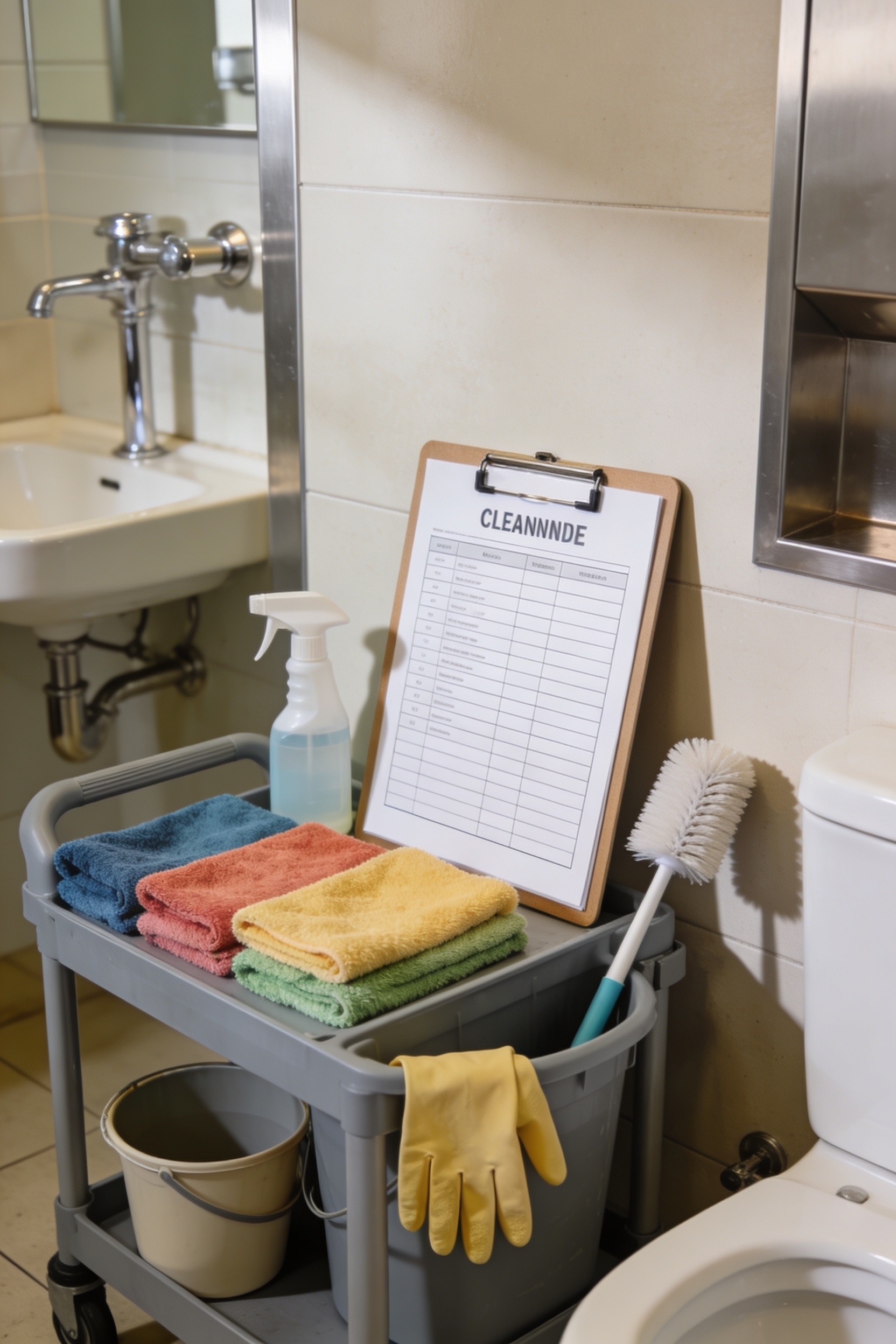
Ultimate Commercial Toilet Cleaning Schedule For Facility Managers

Look, I’m sure you’ve noticed that commercial bathrooms crater fast without a real system—and most facility managers just wing it instead of matching their schedule to actual traffic patterns. You need daily disinfection of high-touch surfaces, weekly deep cleaning for grout and soap scum, monthly inspections catching leaks early, and professional interventions every couple years for sealing and ventilation. Color-coded tools prevent cross-contamination, QR code checklists create accountability, and weekly reports show you what’s actually working versus where you’re dropping the ball. Get your staffing aligned to peak footfall times and you’ll notice the difference immediately.
Key Takeaways
- Conduct seven-day traffic baseline counts to classify restrooms by risk level and determine appropriate cleaning frequency intervals.
- Schedule cleanings every 30–45 minutes for high-risk restrooms with 150–300 hourly users; hourly checks for lower-traffic zones.
- Implement daily disinfection of high-touch surfaces, weekly deep cleaning with alkaline treatments, and monthly professional maintenance inspections.
- Use color-coded cloths and QR code checklists to prevent cross-contamination and create real-time accountability for staff compliance.
- Replace grout and sealant professionally every two years; address ventilation issues and persistent humidity with HVAC specialists.
Daily Cleaning Tasks That Keep Bathrooms Hygienic
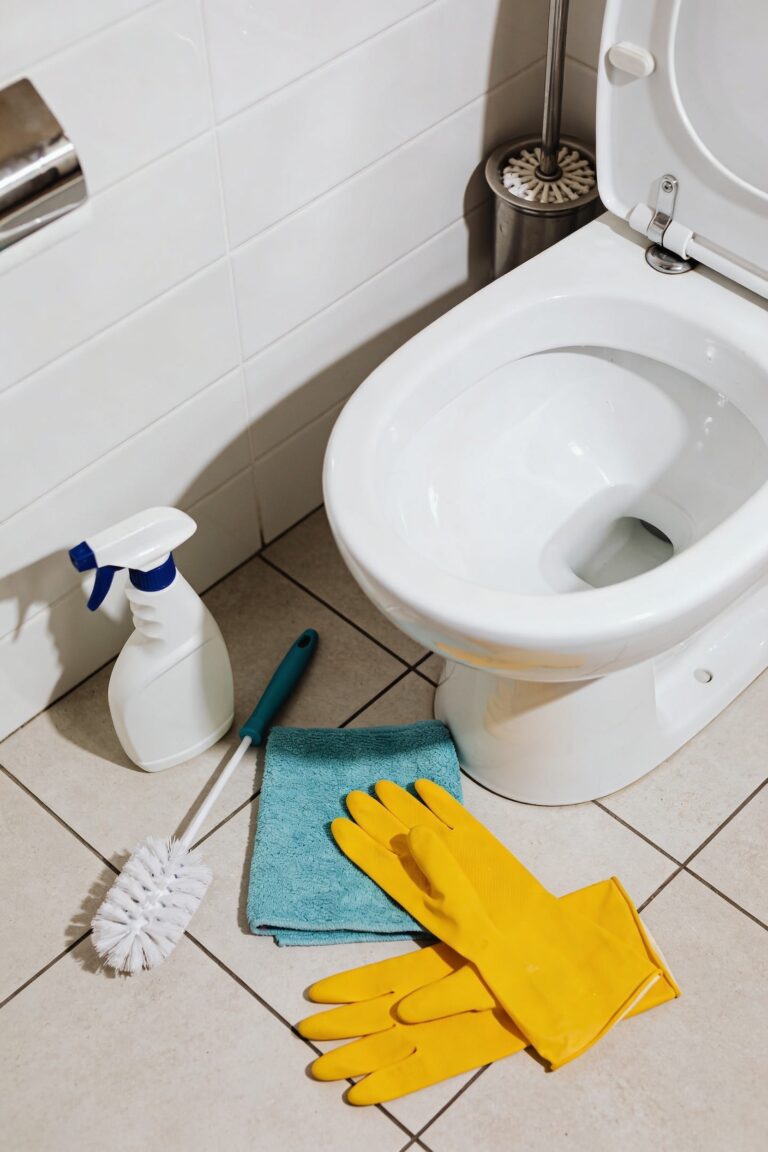
Every single day, you’re dealing with the same bathroom reality: high-touch surfaces that’d make a microbiologist weep, toilets that need actual attention, and that general funk that settles in when moisture and human traffic collide. I’m sure you’ve noticed that touch point rotation matters—sinks, faucets, and door handles get hammered repeatedly, so hit them hard with disinfectant. Obviously, the toilet itself demands pre-treatment time; let that cleaner sit for a minute or two before scrubbing. For tough stains and mineral buildup, thick cling-gel formulas are designed to adhere to bowl surfaces and remove limescale and hard-water marks more effectively. Don’t skip odor source identification either—pinpoint where that smell’s actually coming from, whether it’s the trap or just stagnant moisture. Empty trash regularly, refill soap and paper products, then do a final visual sweep. That’s your baseline.
Weekly Deep Cleaning: Grout, Soap Scum, and Odors
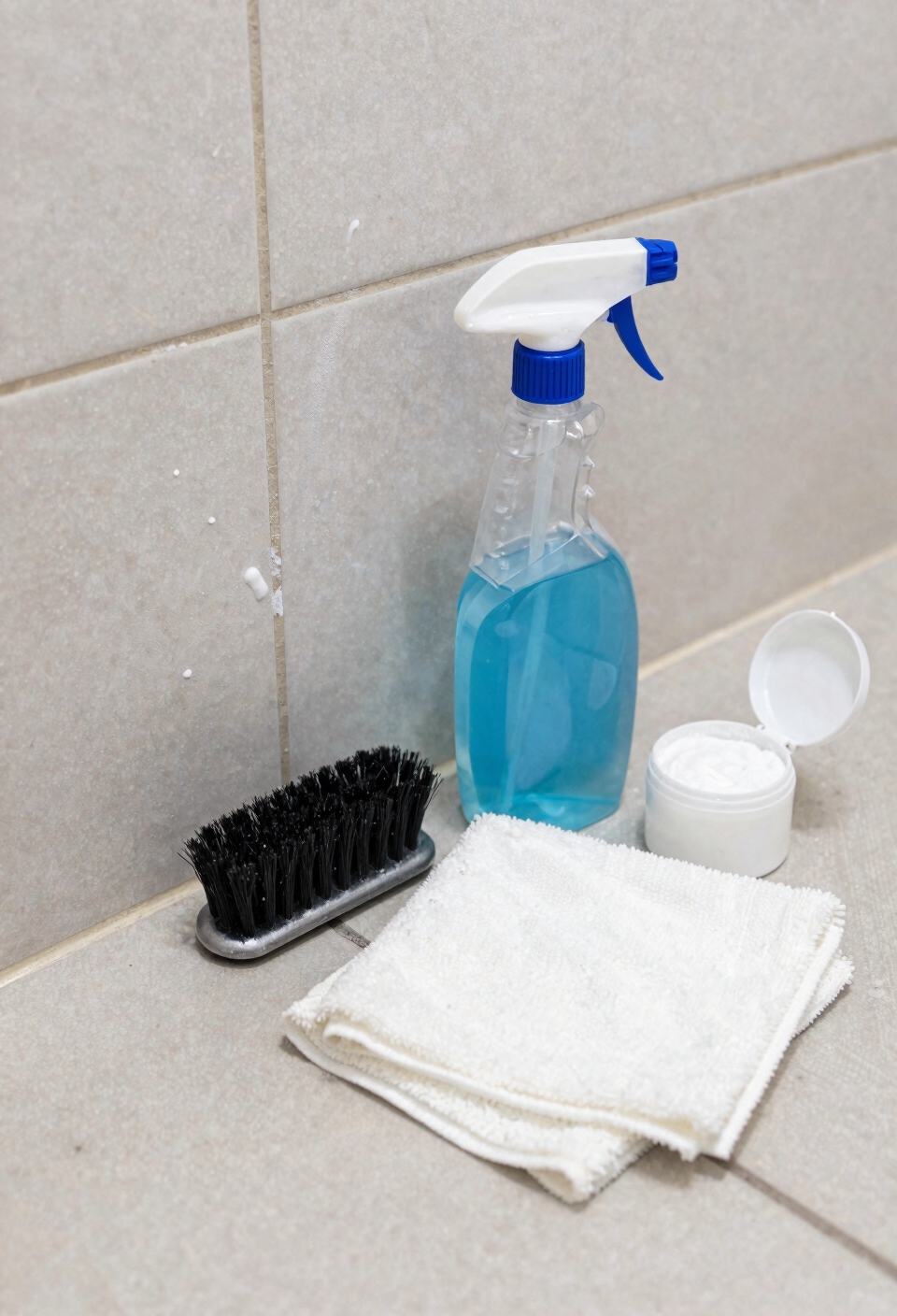
Once you’ve nailed the daily routine, you’re gonna notice that soap scum and grout grime don’t really care about your spot-cleaning efforts—they’re building up in layers, getting baked into those tile lines and bathroom surfaces like they’re planning to stay forever. That’s where weekly deep cleaning comes in.
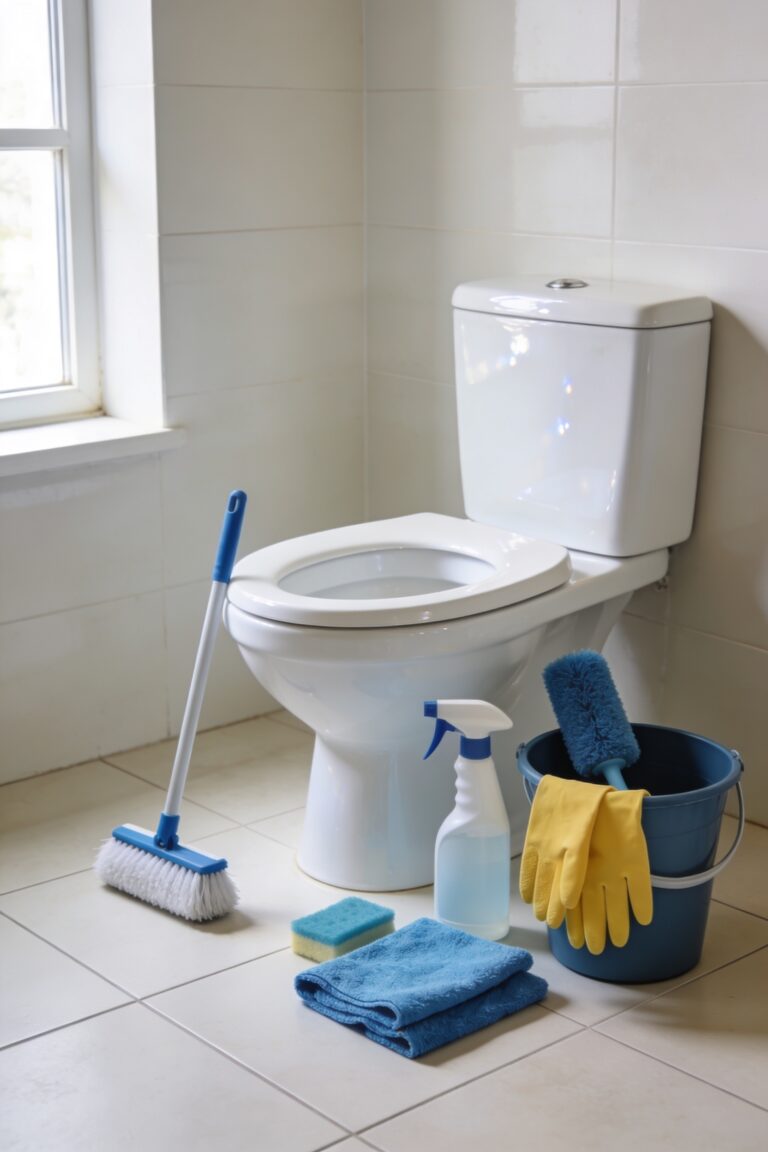
I’m sure you’ve noticed how alkaline cleaners absolutely wreck soap scum when you actually let them sit for a minute. For grout restoration, you’ll want a stiff-bristled brush and some real elbow grease on those lines. Consider incorporating pumice stone tools for removing stubborn mineral deposits and hard water stains that accumulate in toilet bowls and on ceramic surfaces throughout the week. Now, odor encapsulation is basically trapping smell molecules so they can’t escape—grab an odor neutralizer and hit your vents and high-moisture zones. You’re not just cleaning; you’re resetting the whole space weekly.
Recommended Products

5-IN-1 STEAM MOP & HANDHELD CLEANER: Use the H2O X5 as an upright steam mop for everyday floor cleaning, then convert it into a handheld steam cleaner for grout, windows, garments, bathrooms, countertops and more.

IMPREGNATING SEALER: Protect natural stone countertops from staining with Stain Proof Dense Stone Impregnating Sealer.

High Pressure & Temperature Handheld Steam Cleaner - Dyna-Living steam cleaner for cleaning can generate steams up to 105℃/221℉ hot-pressure steam in less than 10s, to deeply clean and eliminate grease, grime, dust and stains from a wide range of surfaces, which is completely chemical-free, with no harmful fumes or residue.
Monthly Maintenance Checks That Catch Problems Early
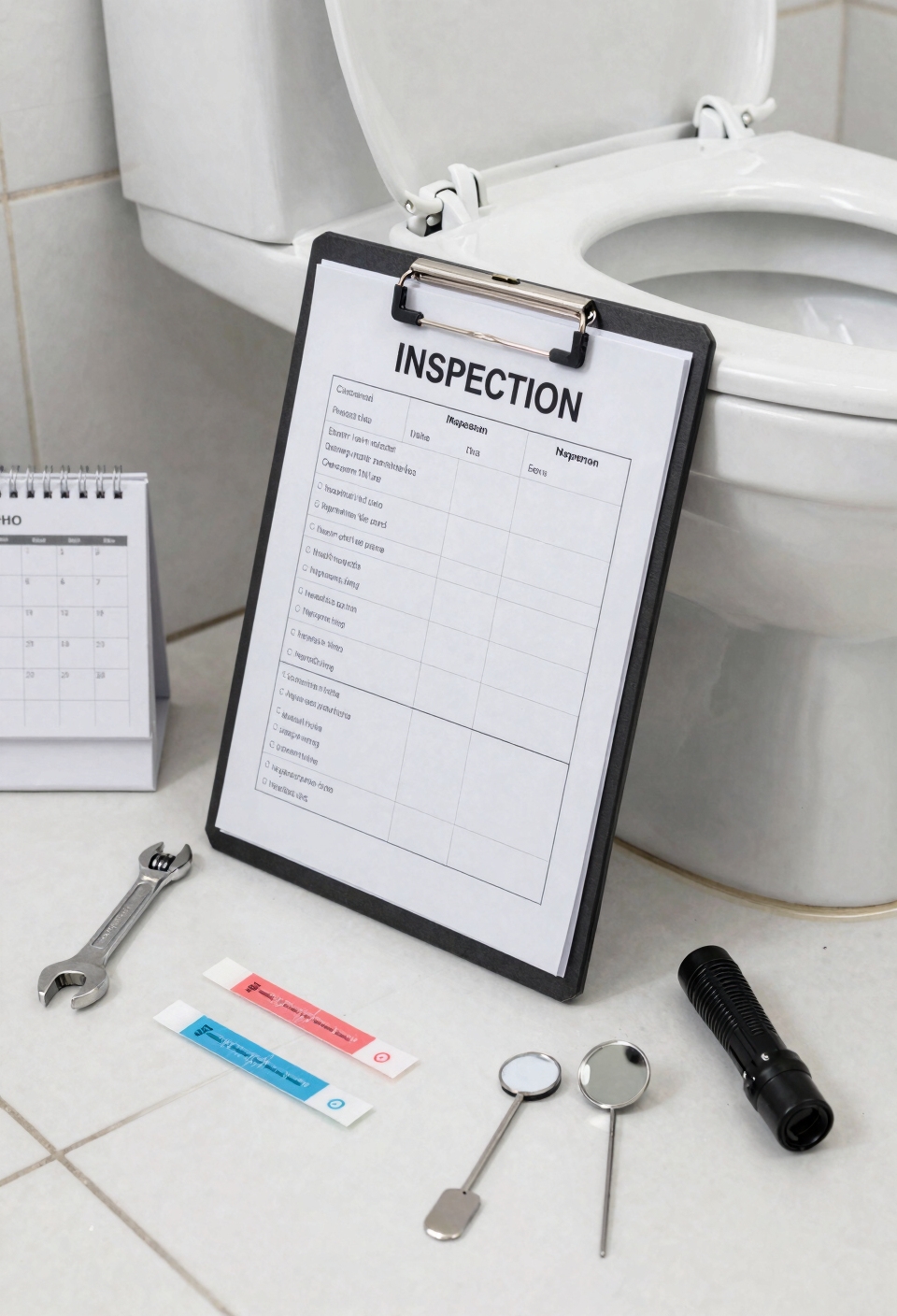
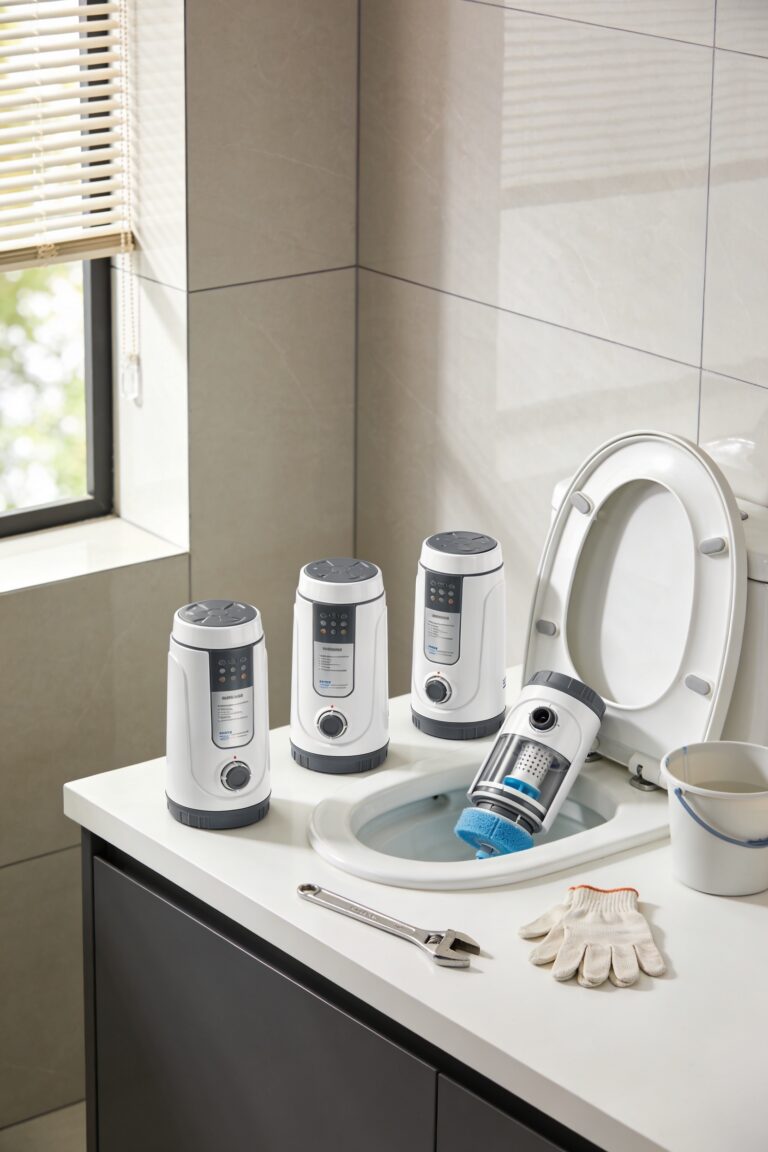
All right, so here’s the thing about monthly maintenance checks—they’re basically your early warning system for the stuff that’ll turn into expensive headaches if you ignore it long enough. I’m sure you’ve noticed that predictive maintenance beats reactive repairs every single time, cost-wise and sanity-wise. During these monthly inspections, you’re looking for leaks, rust spots, grout damage, and that odor detection piece—because sometimes a smell tells you something’s brewing before you see visible problems. Polish your stainless-steel fixtures to prevent tarnishing, spot clean walls with microfiber cloths, and apply disinfecting solutions per manufacturer guidelines. For facilities with macerating toilet systems, descale the macerator blades monthly to prevent mineral buildup and maintain optimal performance. You’re fundamentally catching small issues before they become plumbing disasters. Trust me, twenty minutes of inspection beats emergency calls and facility downtime.
Recommended Products

Hydro massage comes with 5 adjustable and 6 fixed jets. Includes an intensity dial control, in-line water heater, and ozone sterilization to clean the system and water.
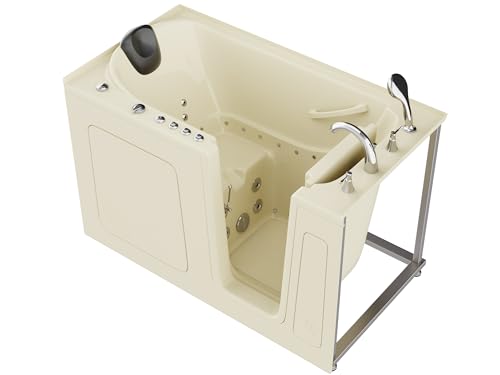
Wide Opening Door For Effortless Entry Way: Features A Watertight Pressure Seal To Prevent Leaks During Use. This Manual Walk In Design Provides A Safe And Easy Transition Into The Basin.

EASY ENTRY SECURITY: Low-threshold walk-in design with an inward-swinging door reduces step-over height for safer access. Integrated grab bars, slip-resistant flooring, and ADA-compliant seat promote steady footing and confident independent bathing.
When to Call Professionals: Sealing, Plumbing, Ventilation
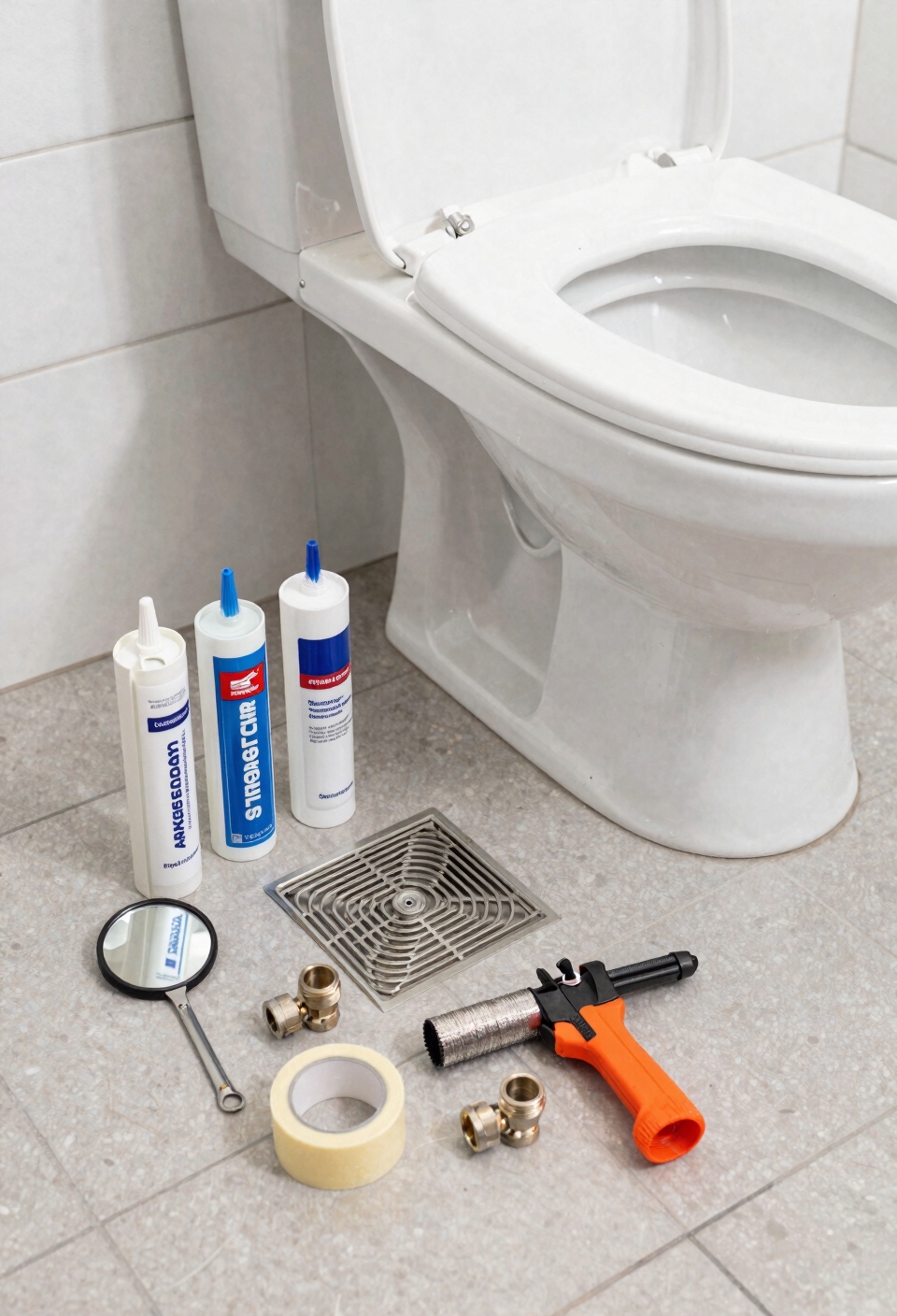
While you can handle a lot of the day-to-day bathroom maintenance yourself, there’s a hard line where you’ve got to bring in the specialists—and honestly, knowing where that line sits will save you thousands in water damage and code violations. I’m talking sealant replacement on grout and tile, which needs professionals every two years to prevent moisture seeping behind walls where you can’t see it. Same goes for ventilation upgrades—if your humidity levels stay high after cleaning, you’ve got airflow problems that require HVAC expertise. And plumbing? Leaks, rust on fixtures, slow drains—these aren’t DIY territory. For facilities with below-grade bathrooms, improper drainage systems can lead to costly backups, so professional plumbing inspections become even more critical in basement installations. Biannual professional inspections catch what your checklist misses. Trust me, calling someone now beats discovering black mold behind the walls later.
Recommended Products

SATIN “GLAZE & SEAL” LOOK – Creates a smooth satin finish that enhances ceramic and porcelain tile while acting like a protective tile glaze topcoat for floors and walls.

HIGH GLOSS “WET LOOK” FINISH (TILE + GROUT) – Creates a clear, high-sheen surface film across tile faces and grout joints for a refreshed look and easier day-to-day wipe downs—ideal for shoppers searching high gloss tile sealer / porcelain tile sealer wet look.

Each Wedi building panel covers 10.7 Sq Ft (1 Sq M) Total Coverage: 5 Pcs - 53.3 Sq Ft (5 Sq M) 10 Pcs - 106.7 Sq Ft (10 Sq M) 15 Pcs - 160 Sq Ft (15 Sq M) 100 Pcs -1066.7 Sq Ft (99 Sq M) About.
Assess Your Restroom Traffic and Risk Level
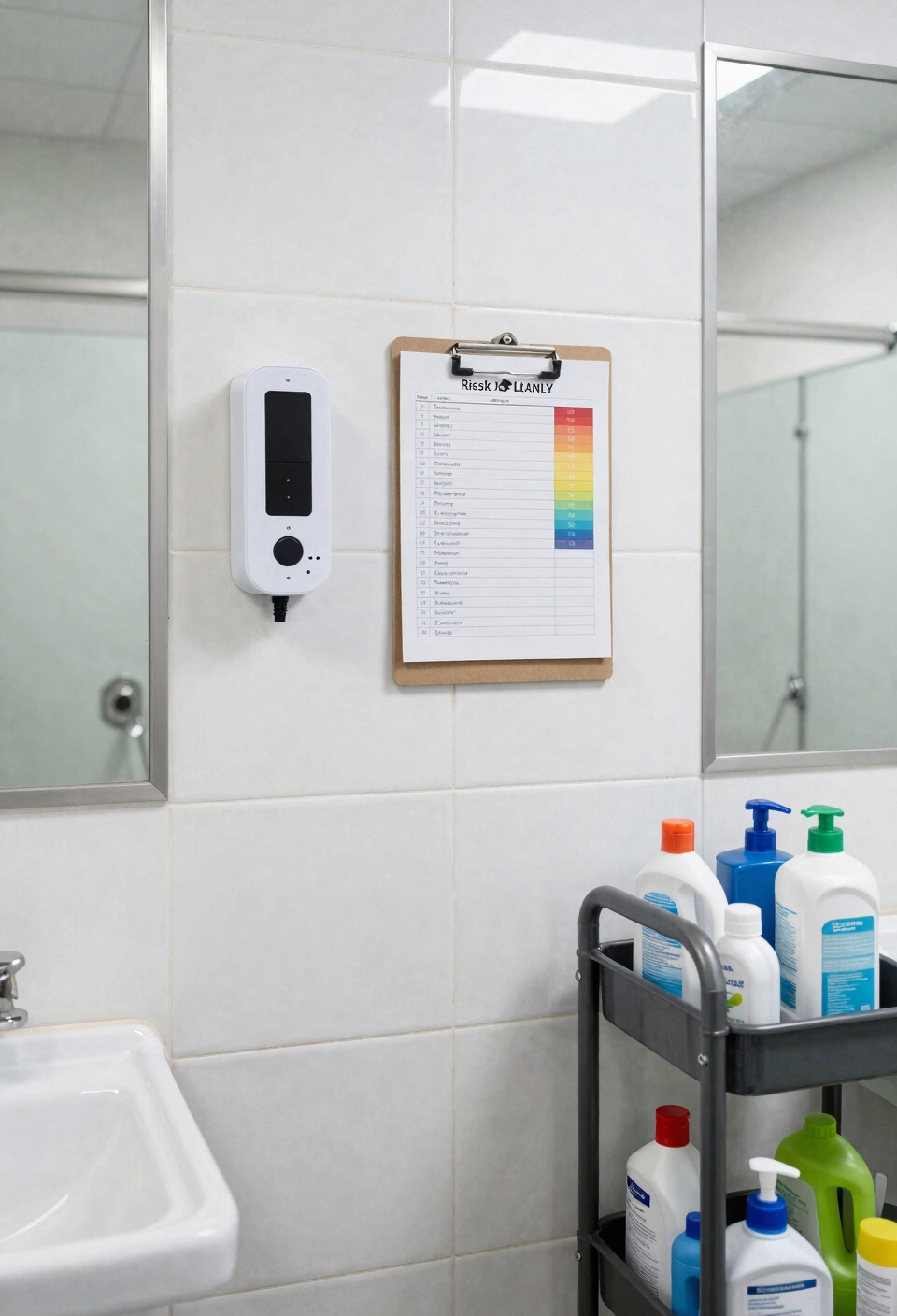
The cleaning schedule that works for a bathroom with fifty daily users is going to completely fail you if you’re actually dealing with three hundred, and honestly, most facility managers I’ve talked to don’t figure this out until they’re knee-deep in complaints about grimy toilets at 2 PM on a Wednesday.
That’s why peak mapping matters. You’ve got to measure your actual traffic by time of day and day of week—run a baseline count over seven days. Occupancy profiling lets you classify bathrooms separately: clinical settings, food-adjacent areas, and high-footfall zones all need different treatment. High-risk restrooms with 150-300 users hourly? You’re looking at cleanings every 30-45 minutes. Less than 150? Hourly checks probably suffice. Consider integrating sewage pump systems into your facility infrastructure to handle high-volume waste management effectively, particularly in buildings with significant restroom traffic. Skip the guesswork. Count your users first.
Adjust Cleaning Frequency During Peak Hours
Once you’ve mapped your traffic patterns and know exactly when your bathrooms get slammed, you can’t just stick with that same cleaning schedule every single hour of the day—that’s like running the same load of laundry on delicate as you would on heavy duty and expecting it to work out fine. I mean, you need staggered staffing during those predictable surges, like class changes or lunch rushes, when foot traffic spikes to 150-300 users per hour. That’s when you bump cleaning checks down to every 30-45 minutes instead of hourly. For facilities using automatic toilet cleaners, remember that household flush frequency directly affects product longevity and replacement schedules, so high-traffic commercial environments may require more frequent cartridge or tablet changes than residential settings. Post temporary signage alerting users to maintenance activity, which honestly buys you credibility while staff works faster. Surge shifts aren’t overhead—they’re insurance. Your facilities stay respectable when it matters most, and you’re not scrambling to catch up on mess you should’ve prevented.
Recommended Products

For use with the American Standard ActiClean toilet only

Quickly Removes Rust, Dissolves Organic Stains And Cleans Hard Water Residue
For use with the American Standard Acti clean toilet only
Color-Coded Tools and Cross-Contamination Prevention
All right, so here’s the thing about cross-contamination in commercial bathrooms—it’s way easier to prevent than it is to explain to someone that toilet bacteria ended up on their hands because you used the same cloth on the sink that you used in the stall, and honestly, I’m sure you’ve noticed how people lose their minds over that kind of stuff, and rightfully so. I’m talking color-coded bins and tool storage systems that actually work. You’ll want separate microfiber cloths—red for toilets, blue for sinks, green for everything else. Keep them in designated color-coded bins so there’s zero confusion during shifts. This simple setup prevents nasty cross-contamination without overthinking it. Your staff won’t mix up their tools, your facilities stay genuinely clean, and you avoid the nightmare conversations that nobody wants. Using disposable crevice cleaning brushes for high-touch areas like toilet hinges and faucet bases adds an extra layer of hygiene by eliminating any risk of bacterial transfer between surfaces.
Recommended Products

❤️【2-Year Ink Supply – 5 Bottles + 500g Powder Included】 Full two-year ink supply – 5 bottles (250ml each) of CMYKWW 6-color ink plus 500g DTF powder. New set every two months, you only cover shipping. Perfect for home business or small business starter kit.

Remote Control Electric Golf Cart (All Terrain) – Electric assist walking where the cart does the work so you can enjoy the walk, moving with you using adjustable speed control (1–20). Control it hands-free with the remote, or switch to the handle for added precision in tighter areas. Features dual oversized all-terrain swiveling front wheels, all-terrain tread rear wheels, and a rear stabilizer (5th wheel) for maximum stability.

Zip Fold Technology-Innovative & compact one piece frame engineered zip fold system will make setup easy and quick to and from the course. Newly Engineered Zip Fold System is 12% lighter and 25% smaller for easy transport and space savings to and from the course. The rear wheels can be inverted on the axle to reduce the size of the footprint when not in use. Folded Dimensions (Inverted Rear Wheels); 27.55 X 18.5 x 16.5 Inches. Weight (No Battery) 28.6 LBS (With Battery: 34.96 LBS)
Monitor Performance With Checklists and QR Alerts
Now here’s where a lot of facilities managers drop the ball—they’ve got their color-coded systems locked down tight, their staff knows exactly which cloth goes where, but then nobody’s actually tracking whether the cleaning’s happening on schedule or if someone’s just pretending they wiped down the sink at 2 PM when they actually took a smoke break.
That’s why you need standardized checklists paired with real-time audits. I’m talking QR codes posted at each station that staff scan when they complete tasks—it creates instant accountability and gives you hard data on what’s actually getting done. You can set up SMS alerts for missed check-ins, flagging potential gaps immediately. Staff accountability skyrockets when people know someone’s watching. Weekly reports comparing your footfall counts against actual cleaning frequency keep everyone honest and show leadership you’re running a tight ship. Investing in hygienic features like drip-free holders and ventilated storage areas also prevents moisture buildup that can harbor bacteria and compromise restroom cleanliness between scheduled cleaning cycles.
Track Results and Report Weekly to Your Team
Here’s the thing about weekly reporting—if you’re not translating all that QR code data and checklist completion into actual insights you can share with your team, you’re basically just collecting information and then filing it away like some kind of cleaning data hoarder.
I mean, you’ve got usage analytics showing exactly when those bathrooms get hammered, right? Now take that and actually tell your crew what it means. Show them the footfall patterns, highlight where they’re crushing it, point out the trouble spots. Your stakeholder updates need teeth—specific numbers, concrete improvements, honest gaps. When you bring real data to your weekly briefing instead of vague complaints, suddenly people listen. Your team sees the actual impact of their work, and leadership understands why you need what you’re asking for. For facilities with specialized fixtures like upflush macerating toilets, tracking maintenance intervals and performance data becomes equally critical to document in your reporting structure.
Common Mistakes That Compromise Restroom Hygiene
Even with solid data rolling in every week and your team fired up about the numbers, I’ve watched plenty of cleaning operations stumble because they’re missing something obvious—they’re making mistakes that totally undermine all that effort. You’re probably skipping inadequate ventilation checks, which means humidity builds up and mold thrives regardless of how hard you scrub. Then there’s improper glove use—I’ve seen staff reuse gloves between toilet and sink areas, basically spreading contamination around like it’s their job. Your checklist might look perfect, but if your team’s not actually following protocol, you’re just creating an illusion of cleanliness. Beyond the cleaning itself, many facilities overlook drainage features in restroom fixtures and holder designs that prevent water buildup and bacterial growth in areas like toothbrush organizers and soap dispensers. That’s when restrooms become liability nightmares. Spot those gaps early or they’ll bite you later.
Frequently Asked Questions
What Is the Recommended Dwell Time for Disinfectant Solutions on Toilet Surfaces?
I’d recommend letting your disinfectant sit for 1-2 minutes on toilet surfaces. This contact time guarantees you’re killing pathogens effectively while maintaining surface compatibility with porcelain and fixtures.
How Should Facility Managers Budget for Commercial Bathroom Cleaning Supplies Annually?
I’d base my annual budget on traffic volume and cleaning frequency, then use supply forecasting to project usage rates. I’ll negotiate with vendors for bulk discounts, establish contracts for consistent pricing, and allocate contingency funds for seasonal fluctuations.
Which Cleaning Products Are Safe to Mix Without Creating Toxic Fumes?
I’d recommend using hydrogen peroxide or isopropyl alcohol separately, never mixing them together or with bleach. I always keep these products isolated because combining them creates hazardous toxic fumes that’ll endanger your staff and facility.
What Training Certifications Do Professional Bathroom Cleaning Staff Need?
Like a well-oiled machine, I’d recommend your staff obtain OSHA certification for hazardous materials handling. They’ll also need customer service training to interact professionally with facility users while maintaining strict hygiene standards throughout their shifts.
How Do Seasonal Changes Affect Restroom Traffic Patterns and Cleaning Schedules?
I’ve found that seasonal changes create significant traffic shifts you’ll need to monitor closely. Peak seasons—like summer vacations or holiday rushes—require me to increase cleaning frequency from hourly checks to every 30-45 minutes in high-traffic areas.
Conclusion
You can either build a cleaning system that prevents disasters, or you can handle emergencies constantly. I’m telling you—daily tasks seem tedious until you’re explaining black mold to corporate, then they’re your best friend. Your team notices the difference between sloppy maintenance and real discipline. Track it, stick with it, and suddenly your bathrooms aren’t the problem nobody wants to mention. That’s the win right there.