As an Amazon Associate, we earn from qualifying purchases. Some links on this site are affiliate links at no extra cost to you. Our recommendations are based on thorough research and editorial judgment.

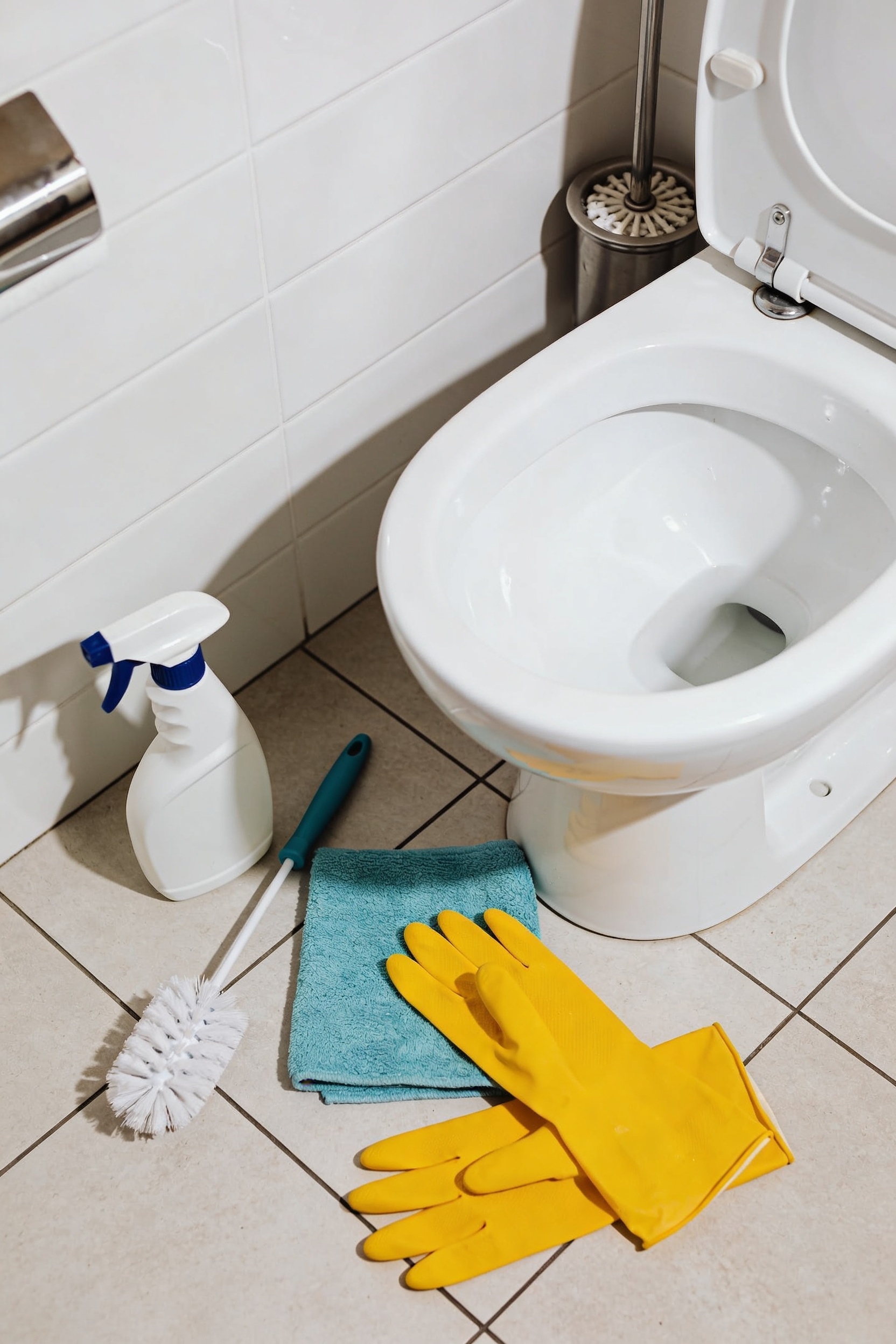
How Often Should You Clean Your Toilet?

you’ve gotta clean weekly if you don’t want bacteria colonizing your toilet like it’s prime real estate. Now, I get it—solo users can stretch it to ten days, but shared bathrooms? That’s every other day minimum. I’m sure you’ve noticed how fast things get grungy with multiple people. Throw in a quick ten-second brush swish after each use, hit high-touch surfaces daily, and descale monthly to keep mineral deposits from becoming germ hotels, and you’ll actually keep things sanitary without losing your mind.
Key Takeaways
- Weekly cleaning for solo users; twice weekly for households with four or more people based on usage patterns.
- Daily quick 10-second brush swishes after use prevent buildup and reduce intensive scrubbing needs significantly.
- Monthly deep clean with descaling removes mineral deposits and limescale that harbor bacteria and germs.
- Daily high-touch surface wipes and handle sanitizing reduce pathogen transmission in shared bathrooms.
- Increase cleaning frequency to daily when household members are ill to prevent disease spread.
Why Weekly Toilet Cleaning Prevents Bacteria Buildup
Look, I’m sure you’ve noticed that toilet bowl isn’t exactly self-cleaning—bacteria and viruses are basically having a party in there between flushes, multiplying faster than you’d think comfortable. Here’s the thing: bacterial colonies thrive in moist environments, and your toilet’s basically a five-star resort for germs. Weekly cleaning interrupts that party before things get genuinely gross.
I mean, this is basic hygiene education—hitting it once weekly prevents mineral deposits and limescale from creating breeding grounds where pathogens absolutely flourish. You’re not just removing visible gunk; you’re actually disrupting the ecosystem that lets harmful microorganisms establish themselves. Skip it for too long, and you’ve got calcium buildup hosting everything unpleasant. Regular cleaning keeps your bowl sanitized, your family safer, and honestly, your bathroom way less questionable to use. For continuous maintenance between deep cleans, septic-safe cleaners like automatic tablets can help reduce bacteria buildup with minimal effort.
Recommended Products

Tackles Stubborn Buildup: Formulated to dissolve mineral deposits, lime rings, and rust marks that regular scrubbing can’t handle - even those embarrassing stains you’ve been hiding from guests

For Low-Odor Sanitization: Clorox Pool&Spa Spa Bromine Tablets are ideal for providing low-odor sanitization in hot tubs and spas. These tablets ensure a clean and pleasant spa experience without the strong chlorine smell.

6 BOTTLES OF STERAMINE SANITIZING TABLETS WITH QT-10 TEST STRIPS – This set includes 6 bottle of Steramine sanitizing tablets with 150 concentrated tablets each and 15 QT-10 test strips, providing a complete sanitizing solution for restaurants, commercial kitchens, bars, and food prep areas. Ideal for sanitizing utensils, food contact surfaces, equipment, and more, these powerful tablets help maintain health department compliance and ensure a clean, safe environment.
Adjust Your Schedule by Household Size and Usage
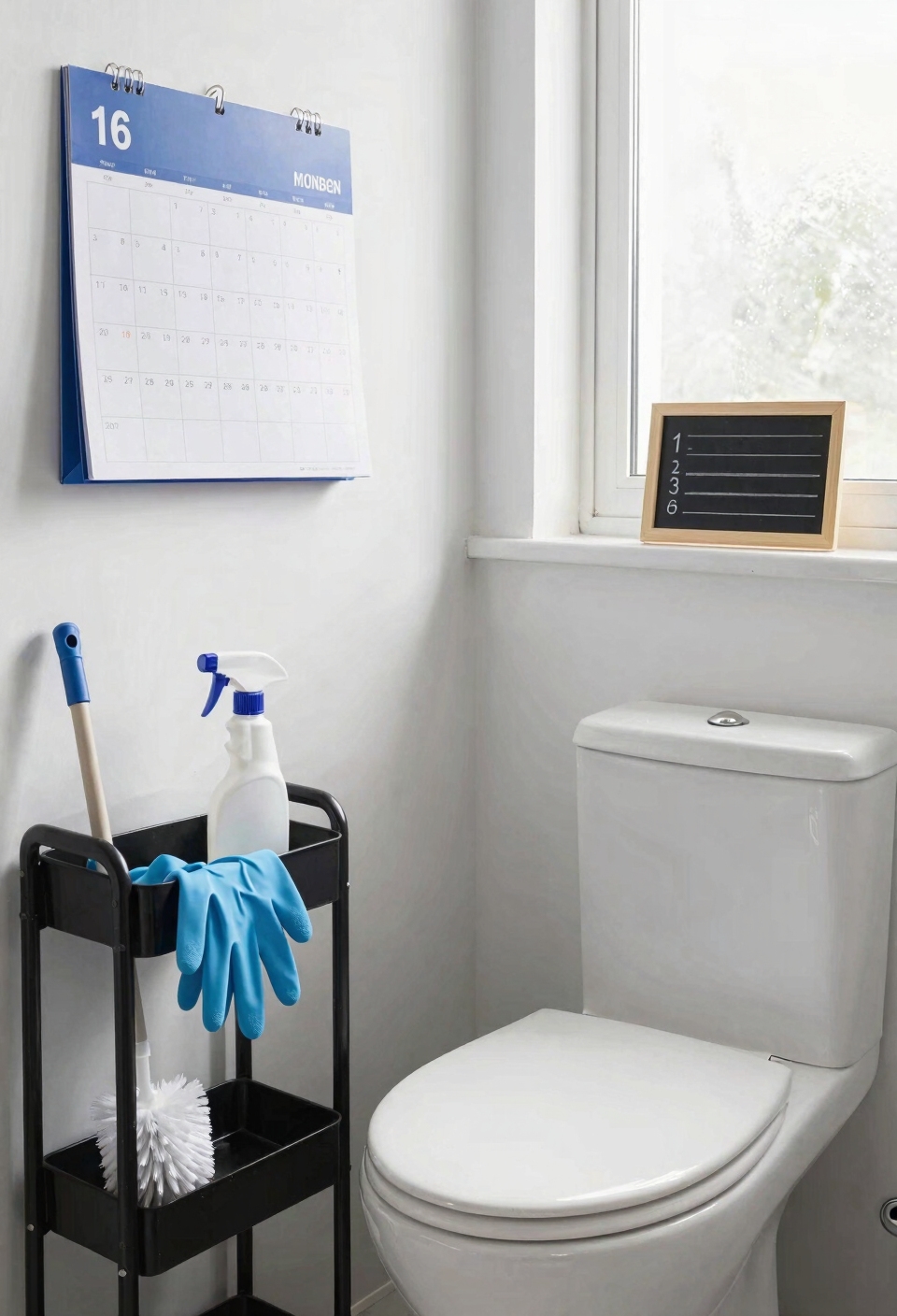
Since a solo bathroom user’s situation looks radically different from what you’re dealing with in a four-person household, you’ve really got to adjust your cleaning schedule accordingly—and I’m not just talking minor tweaks here. I mean, usage mapping is your friend when you’re establishing family routines that actually stick. A single person might stretch toilet cleaning to every ten days or so, but throw three kids and a spouse into the mix? You’re looking at twice-weekly minimum, possibly more. High-traffic bathrooms just breed bacteria faster—it’s physics, basically. The more bodies using that bowl, the more mineral deposits, urine splatter, and general gunk accumulates. For households with hard water issues, you may also notice limescale and calcium deposits building up more quickly, requiring more frequent cleaning or specialized removal methods. I’d recommend tracking who uses what when for a week, then build your cleaning schedule around those patterns. Honestly, it’s the only way to stay ahead without overdoing it.
The Daily 10-Second Habit That Extends Your Routine
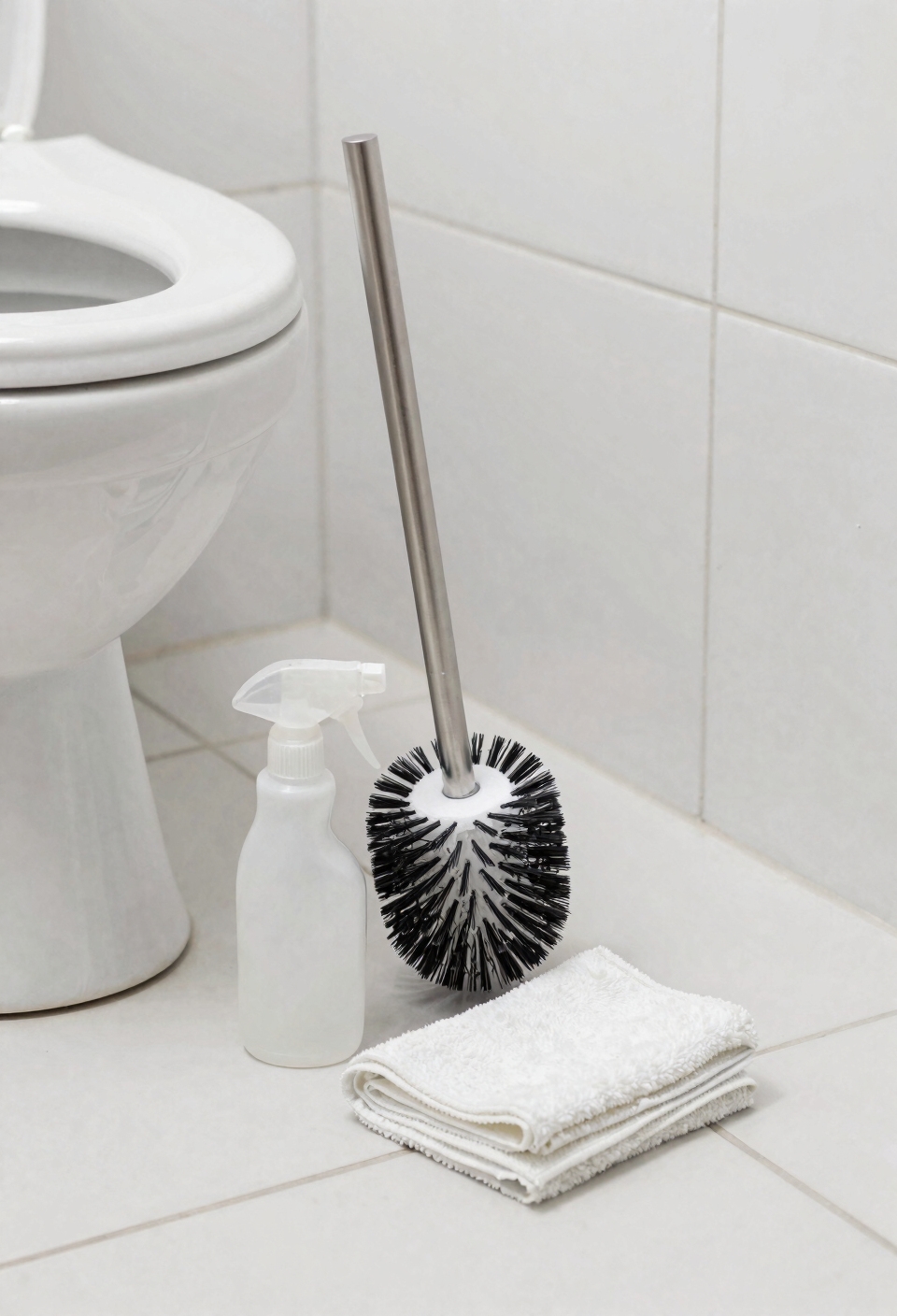
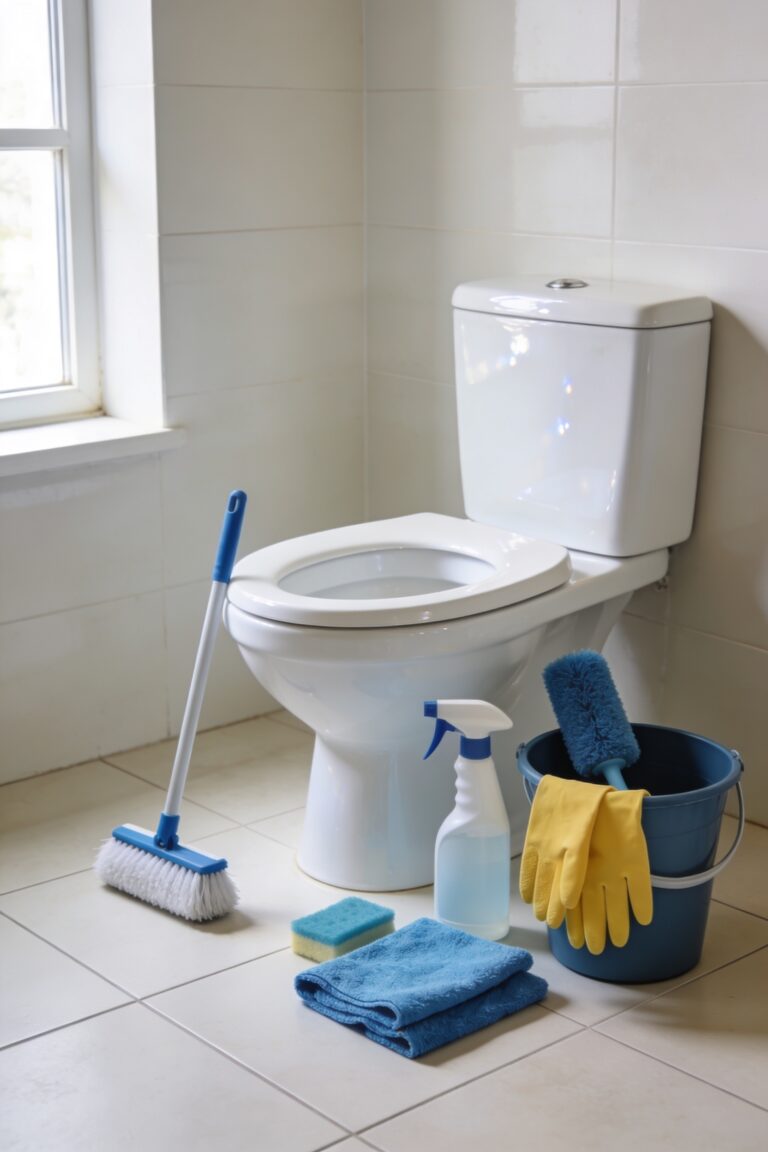
You’d be amazed what a quick ten-second swish with the toilet brush does for your overall sanitation game—and I’m not exaggerating when I say this tiny daily habit might actually save you from the deeper cleaning headaches that pile up later. I’m talking about a quick rinse around the bowl after each use, hitting those spots where stains love to hide. You lift the seat, give it a fast brush-down, and you’re done. Honestly, this one small move cuts your weekly scrubbing time in half because buildup never gets the chance to settle. It’s less about perfection and more about consistency. Think of it like flossing your teeth versus waiting for a root canal. You’re preventing the nightmare before it starts, and your deeper cleans become genuinely easier when you’ve got this daily baseline going. To maintain your brush’s effectiveness, disinfect after each use by rinsing with hot water and letting it drip-dry in the holder, which prevents bacteria buildup and extends the life of your cleaning tool.
Recommended Products

Compact, streamlined one-piece smart toilet with integrated personal cleansing; a bidet toilet seat and elongated bowl offer added room and comfort

16 strategically placed hydro jets in order to deliver optimal therapeutic relief. Ten (10) upper jets work to provide relief to your back, hips and thighs, while six (6)lower adjustable jets massage your feet and calves.

The powerful 36-volt lithium-ion battery provides 90 minutes of run-time. LED headlight provides increased visibility.
Sanitizing vs. Descaling: Which One Prevents What?
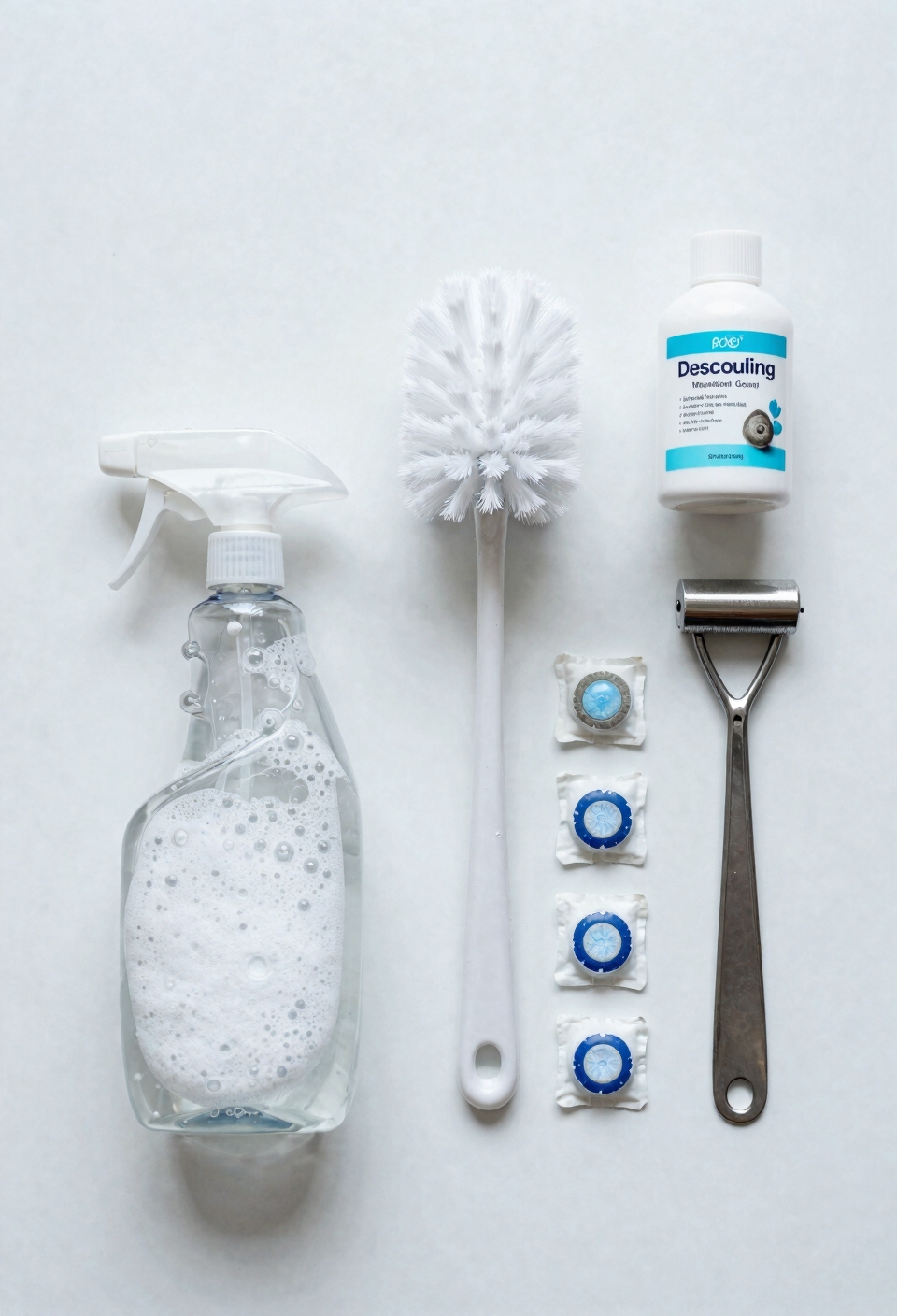
Understanding the difference between sanitizing and descaling is where most people get tripped up—I mean, they sound like they’re doing the same job, but they’re actually tackling completely different problems in your toilet bowl.
Sanitizing kills bacteria and viruses with disinfectants, keeping you safe from pathogens. You’re effectively nuking the germs. Descaling, though? That’s about mineral removal—breaking down calcium deposits and limescale that breed germs if left alone.
Here’s the thing: chemical compatibility matters. You can’t just mix random cleaners together hoping for better results. I’ve seen people layer bleach with acid-based descalers, which is genuinely dangerous. Use sanitizers weekly for hygiene, descale monthly to prevent buildup. Both jobs matter, but they’re completely separate missions. For septic systems specifically, choosing septic-safe formulations ensures your tank bacteria remain active while you clean effectively. Do them right, and your toilet stays legitimately clean.
Recommended Products

URINE SALT DISSOLVER: This professional-grade formula dissolves urine salts and other mineral deposits to help prevent clogs and buildup, keeping urinals flowing for longer

Fast-acting solution quickly kills bacteria from surfaces

EFFECTIVE IN CLEANING - Effectively help you clean the tank, water pipe and other parts of the toilet.
High-Touch Areas That Need Daily Attention
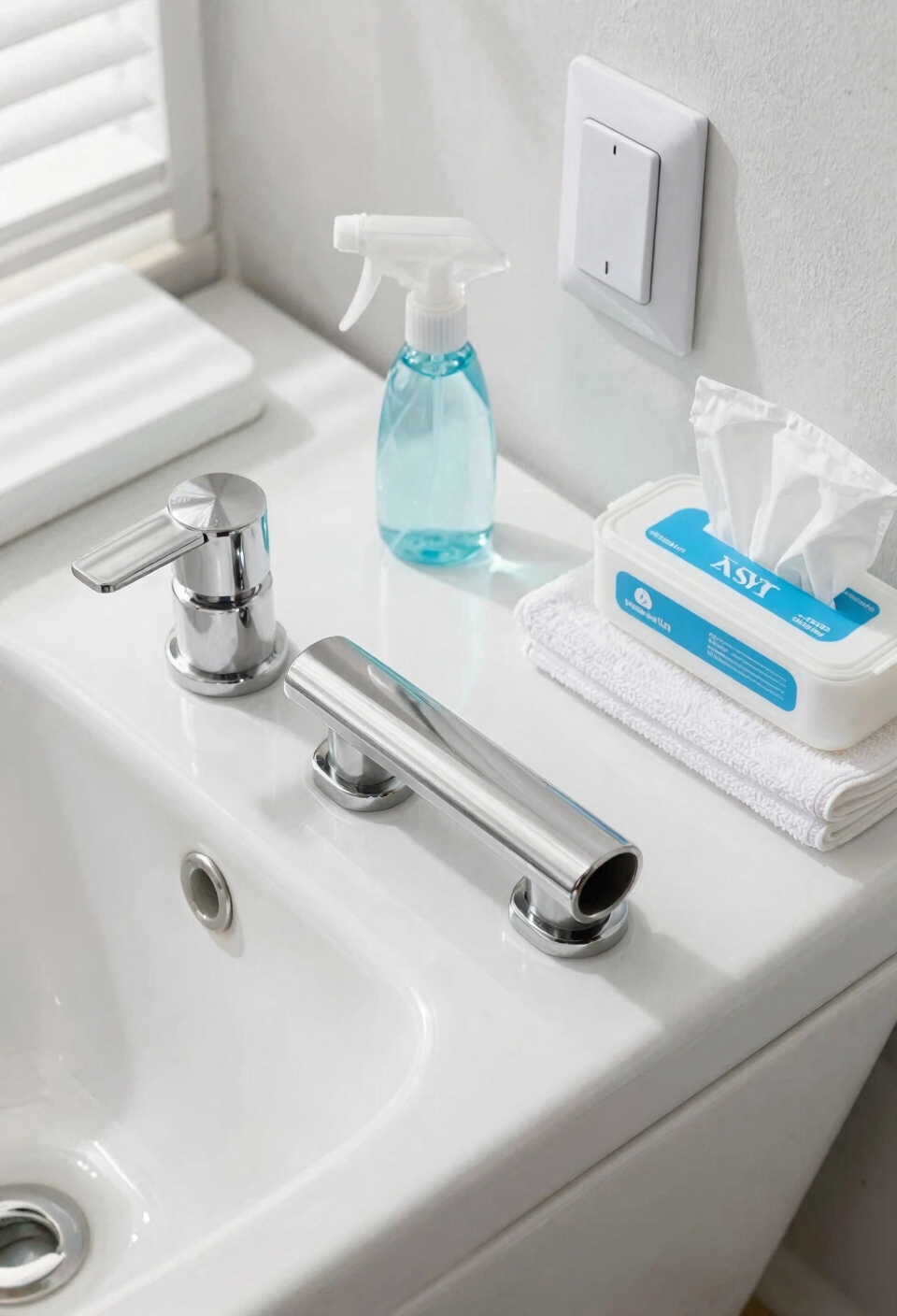
Now, here’s where sanitizing actually pays off in real life—all that germ-killing power we talked about matters most on the surfaces you’re touching with your bare hands multiple times a day. I’m talking about your toilet handle, obviously, but also door knobs and light switches near the bathroom. You’re touching these constantly, and they’re basically pathogen highways. I clean my toilet handle daily, maybe disinfect it a couple times weekly with something that actually kills bacteria—not just wipes it around. Same goes for anything else in that bathroom you’re grabbing regularly. Beyond the handle itself, maintaining your toilet brush holder’s drainage systems ensures that bacteria don’t accumulate in standing water, which can become another source of contamination in your bathroom. It’s one of those things where a quick 30-second wipe-down prevents way more problems than you’d think. Daily attention here beats monthly deep cleans all day.
Recommended Products

DISINFECTING WIPES : Lysol Disinfecting Wipes are tested and proven to clean and stay away from disease , including 8 cold and flu (when used as directed).

SHIPMENT CONTAINS: Pallet of 480 single canisters with 85 fresh scent disinfecting wipes each; canisters made with 20% post-consumer recycled plastic
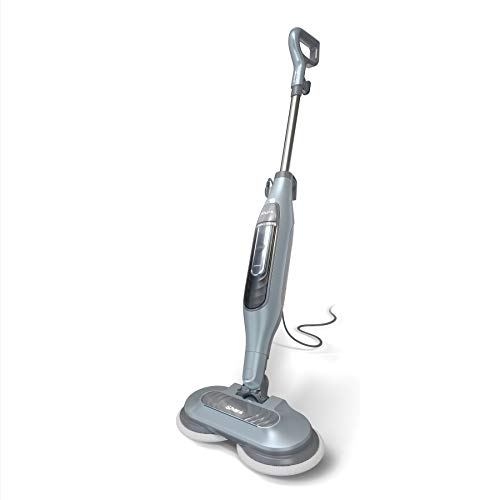
SCRUBBING AND SANITIZING: Tough on stains and gentle on floors. Sanitization studies were conducted under controlled test conditions. Household conditions and results may vary. See Owner’s Guide for details.
Shared Bathrooms: Cleaning Every Other Day
Shared bathrooms are basically petri dishes on steroids, which means you’re looking at every-other-day cleaning if you want to keep things remotely sanitary. I’m sure you’ve noticed how quickly grime accumulates when multiple people are using the same toilet. Now, here’s where roommate etiquette comes in—you’ll want to establish a cleaning schedule so nobody’s stuck doing all the work. Divvy up shared supplies fairly, and honestly, having a designated caddy with everyone’s preferred cleaners helps prevent arguments. Daily handle wipes are non-negotiable since that’s where bacteria love to party. Every other day keeps the bowl from getting gross and prevents that funk from setting in. Obviously, if someone’s sick, bump it up to daily. For shared bathrooms with basement installations, consider whether you have activated carbon odor control to manage odors more effectively between cleanings. Trust me, a little preventive effort beats dealing with a genuinely disgusting situation.
Your Monthly Toilet Deep Clean Checklist
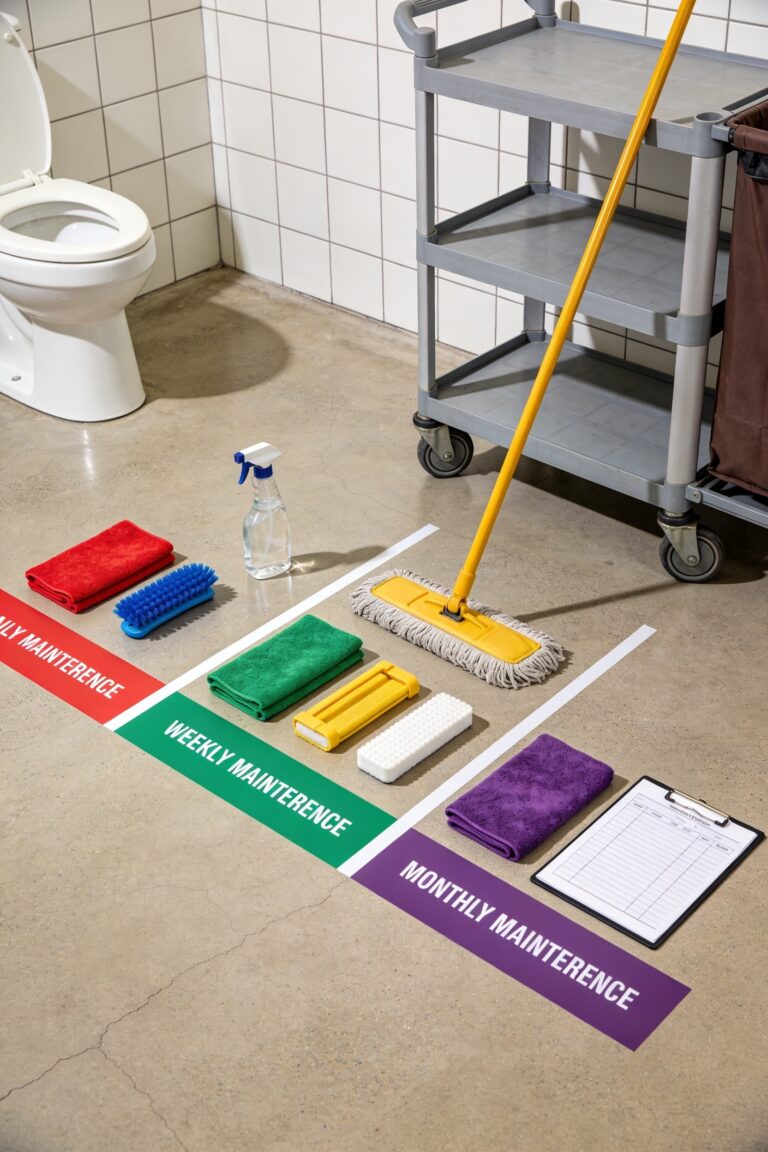
Once a month, you’re gonna want to go beyond your standard weekly scrub and actually *descale* that toilet bowl—I mean really get in there and tackle the mineral buildup that’s been quietly hosting bacteria colonies like some kind of crusty resort. Grab a powdered cleanser like Comet and let it sit for a solid 15 minutes before scrubbing. Your deep cleaning checklist should also include tackling that grout scrubbing guide around the toilet base, where mold loves to hide. Don’t forget descaling your faucets too—limescale deposits breed germs like nobody’s business. I’d recommend using a toilet bowl cleaner with actual descaling power rather than just bleach, which honestly doesn’t cut through mineral deposits effectively anyway. For ongoing maintenance between deep cleans, gel stamps or tablets can help prevent limescale and stubborn stains from forming with each flush, reducing the intensity of your monthly scrubbing sessions. This monthly routine keeps everything genuinely sanitary.
Recommended Products

Commercial-Grade Urinal Drain Fix – Backed by 40 years of formulation expertise, Crete is a professional urinal drain descaler designed to break down accumulated uric acid and calcium deposits commonly found in high-traffic restroom environments. Supports proper drain maintenance and consistent system performance
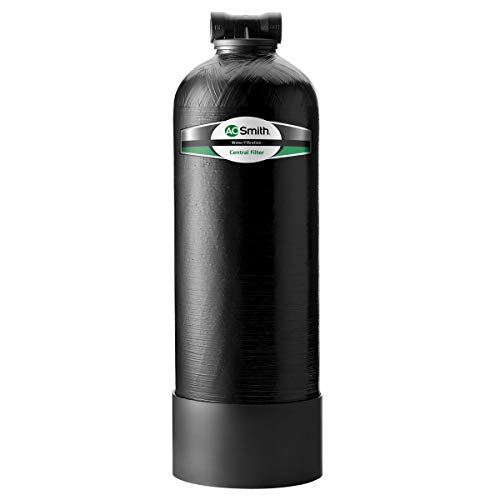
Advanced Filtration For Healthy, Great Tasting Water - The AO-WH-FILTER reduces 96.9% of Chlorine taste & odor for clean water from every tap in your home. NOT a water softening system.
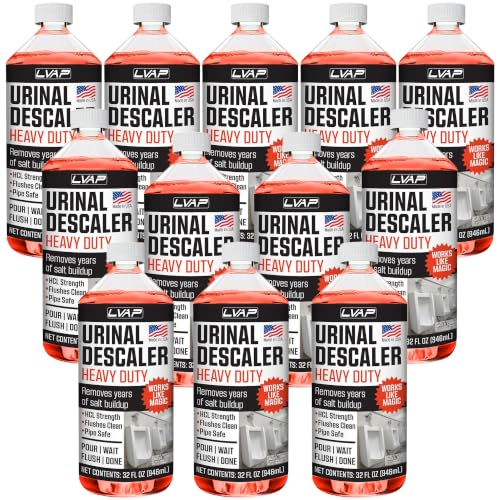
COMMERCIAL GRADE: Powerful Salt & Scale Removal. Heavy-duty urinal salt remover and urinal cleaner descaler breaks down uric acid, scale, and urinal calcium buildup to restore drain flow and prevent costly plumbing repairs.
Frequently Asked Questions
Is It Safe to Leave Bleach in the Toilet Bowl Overnight for Extra Cleaning Power?
I’d recommend against leaving bleach in your toilet overnight. Prolonged bleach exposure can damage plumbing seals and corrode pipes. For effective cleaning, I suggest using bleach for 10-15 minutes, then flushing thoroughly instead.
What’s the Best Toilet Cleaner for Homes With Septic Systems Instead of Sewer Lines?
I’d recommend septic-safe tablets with plant-based enzymes—they’re like gentle gardeners tending your system rather than harsh chemicals disrupting its delicate balance. These cleaners protect beneficial bacteria while keeping your toilet pristine.
Can I Use the Same Cleaning Tools for Both Toilet and Bathroom Surfaces?
I’d recommend keeping toilet tools separate from bathroom surfaces to prevent microbial transfer and tool cross contamination. Using dedicated brushes for each area guarantees you’re not spreading toilet bacteria to sinks, tubs, or countertops where you wash.
How Do I Remove Stubborn Toilet Stains That Regular Cleaning Products Won’t Eliminate?
I’d try the pumice technique first—it’s effective for stubborn stains without damaging porcelain. If that doesn’t work, enzyme treatments break down mineral deposits and organic buildup where regular cleaners fail.
What Cleaning Frequency Is Recommended for Elderly Individuals or Immunocompromised Household Members?
I’d recommend weekly sanitizing for immunocompromised members—studies show bathroom pathogens survive 72 hours on surfaces. Caregiver guidance suggests daily handle disinfection and twice-weekly bowl cleaning to minimize infection risks markedly.
Conclusion
Look, I’m not saying your toilet’s judging you, but weekly cleaning beats monthly regret every single time. You’ve got bacteria throwing parties in there if you’re not careful, and honestly, that 10-second daily swish takes zero effort. Shared bathrooms? Every other day, minimum. Deep clean monthly. Your guests—and your plumbing—will thank you. I mean, it’s just a toilet, but a clean one beats explaining stains to literally anyone.