As an Amazon Associate, we earn from qualifying purchases. Some links on this site are affiliate links at no extra cost to you. Our recommendations are based on thorough research and editorial judgment.

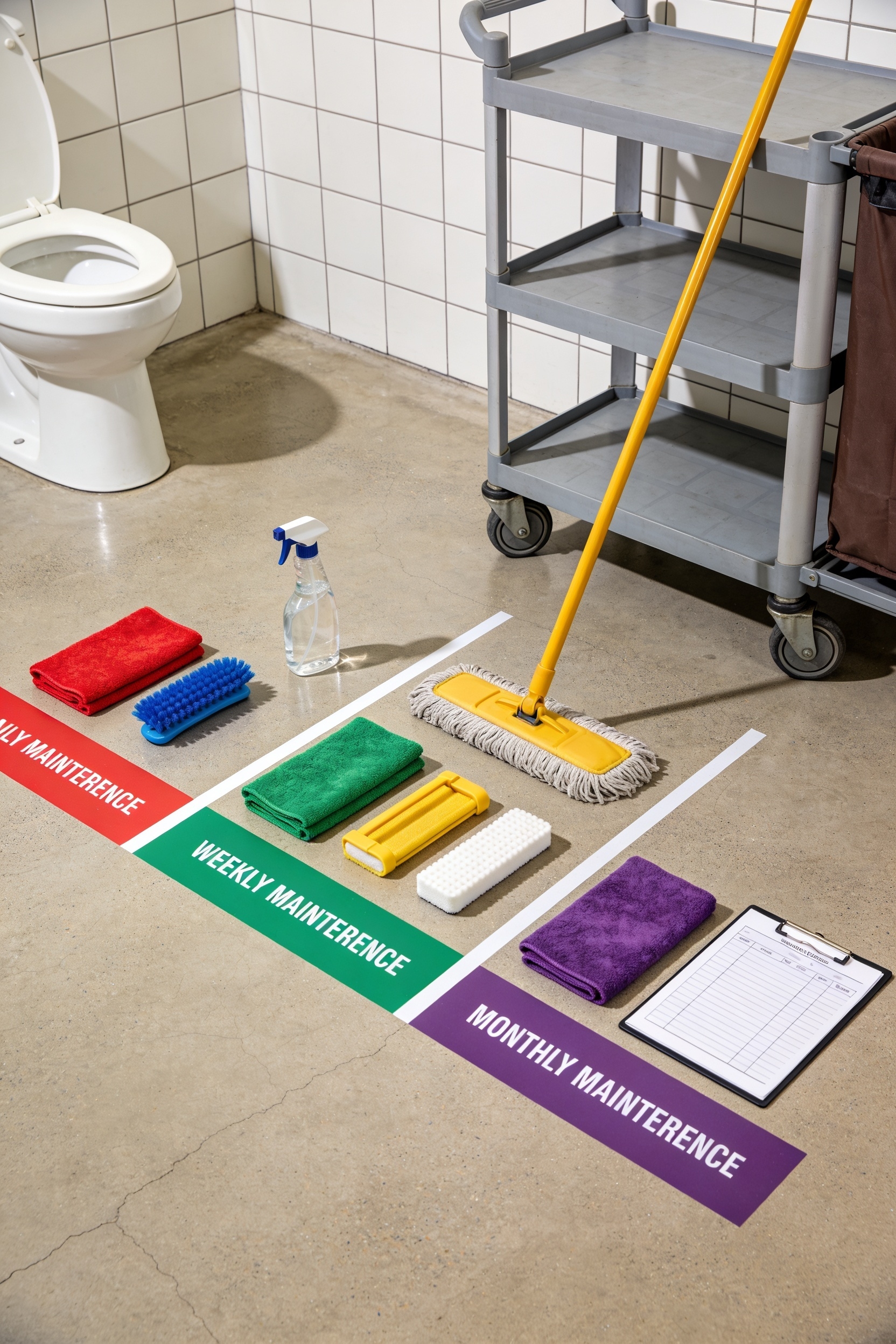
Commercial Restroom Cleaning: Daily Weekly Monthly Breakdown

Look, I’m sure you’ve noticed that a trashed restroom kills businesses faster than almost anything else. Here’s the deal: you’ve got daily non-negotiables—empty trash, restock dispensers, disinfect surfaces—because empty toilet paper dispensers literally trigger panic. Then weekly you’re tackling mineral deposits and soap scum with citric acid before they calcify, and monthly you’re going heavy with acid-based cleaners on stubborn buildup. High-traffic spots need hourly attention, but honestly, most places just need solid daily basics aligned with their budget and actual foot traffic. The specifics get way more interesting once you dig deeper into what actually works.
Key Takeaways
- Daily restroom cleaning includes visual sweeps, trash emptying, toilet cleaning, dispenser restocking, and odor control as non-negotiable baseline tasks.
- Weekly deep cleaning prevents mineral deposits and soap scum buildup through polishing, grout scrubbing, and treating tiled surfaces with disinfectants.
- Monthly deep cleaning targets stubborn stains and calcified deposits using acid-based cleaners, pressure washing, and observing proper dwell times before scrubbing.
- Cleaning frequency must align with facility type, traffic levels, budget tiers, and staffing ratios to maintain consistent service quality.
- Document complaints and take weekly photo audits to identify problem areas, reveal understaffing issues, and track cleaning effectiveness over time.
Choose Your Facility Type to Determine Cleaning Frequency
Figure out what kind of space you’re actually working with, because—and I’m sure you’ve noticed this—a hotel bathroom doesn’t need the same treatment schedule as your dentist’s office waiting room, even though they both get dirty. High-traffic places like airports? You’re looking at hourly cleanings. Medical facilities demand strict disinfection protocols multiple times daily. Corporate offices get by with daily basics plus weekly floor care. Now, seasonal adjustments matter too—ski resorts get hammered in winter, beach towns in summer. Factor in special event planning because that conference or holiday party doubles your foot traffic overnight. Small offices with minimal traffic? Once daily’s probably fine. For basement restrooms or unconventional facility layouts, consider installing macerator pump systems to ensure proper waste management alongside your cleaning protocols. The real trick is matching your cleaning frequency to actual usage patterns, not guessing.
Daily Cleaning: Non-Negotiable Basics Every Facility Needs
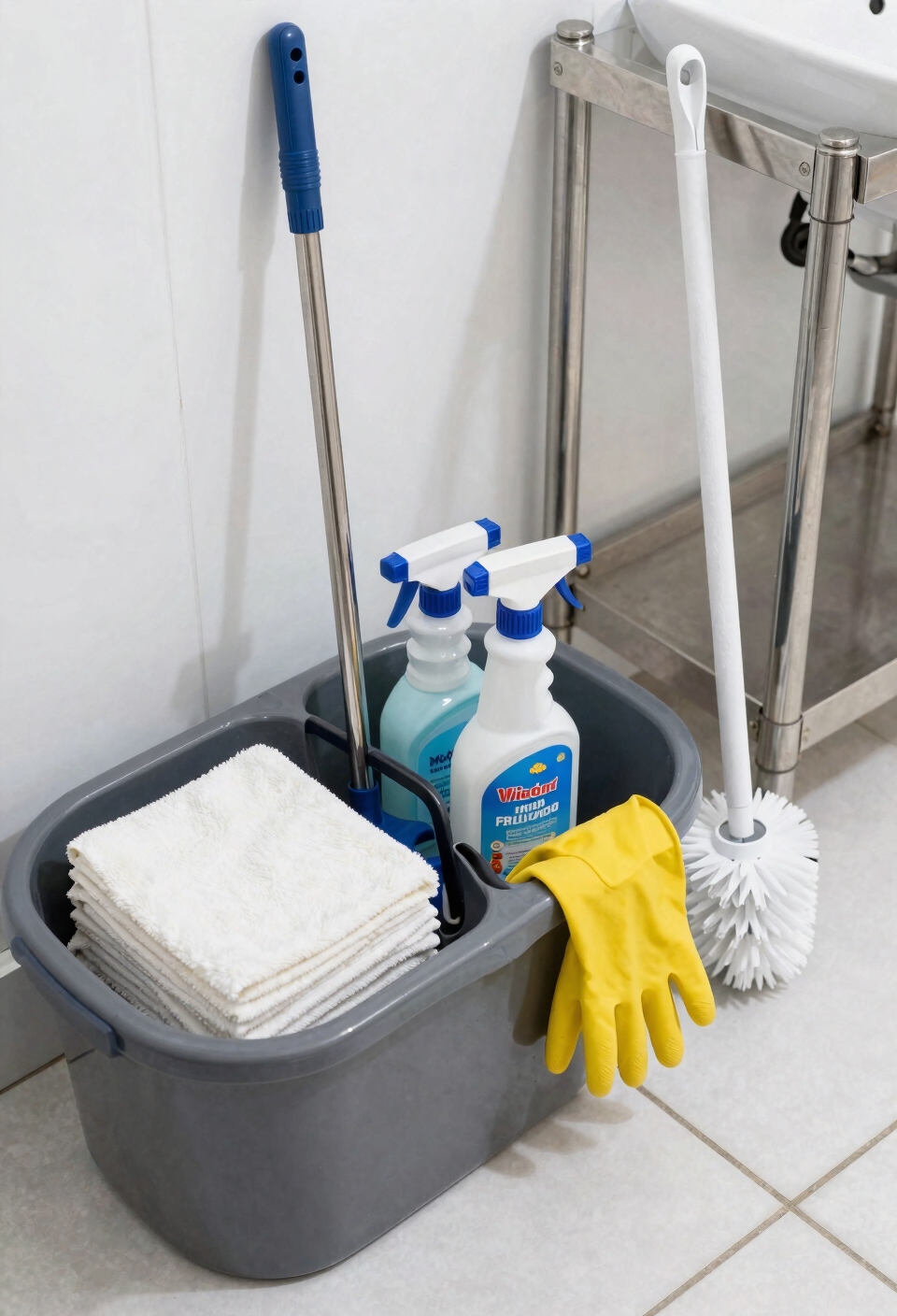
No matter what kind of facility you’re managing, you’re doing the daily restroom cleaning—there’s just no way around it. I mean, you’ve got to start with restroom signage and that visual sweep, then tackle the obvious stuff: empty trash, restock dispensers, hit the toilets with cleaner. Here’s the thing though—odor control matters more than people admit. You can have spotless surfaces, but lingering smells kill your whole vibe. That’s where quality disinfectants come in. I’m not talking sketchy ammonia-based stuff that’ll wreck your lungs; I mean actual effective ingredients that neutralize odors without turning your restroom into a chemical hazard. For non-toxic options, plant-based cleaners with citric acid can kill 99.9% of household germs while safely managing odor concerns. Daily basics keep complaints down and your facility running like it should.
Recommended Products

Good up to 10 tons , Lasts up to 6-months

Uses a plant-based surfactant to help remove dirt and grease from water-safe surfaces

Silky Foaming Lather: This foaming hand soap creates a rich, luxurious foam that rinses clean in seconds, leaving hands feeling soft, clean, and refreshed without drying or sticky residue. Designed for use with foaming hand soap dispensers
Weekly Tasks Prevent Mineral Deposits and Soap Scum
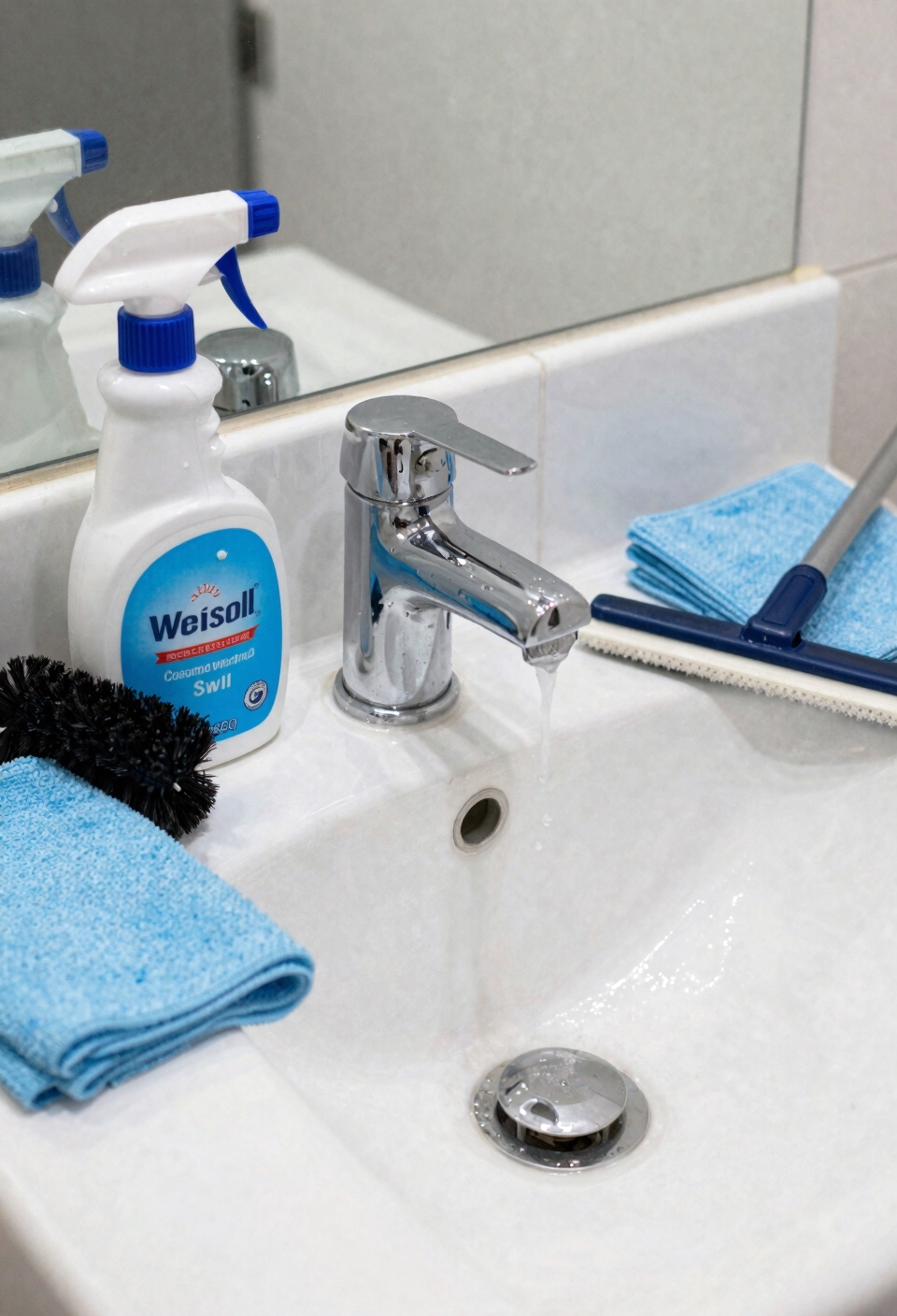
Once you’ve knocked out your daily routine for a week or so, you’ll start noticing something annoying—mineral deposits creeping up on your fixtures, soap scum building up on surfaces, and that chalky film settling onto everything like some kind of persistent dust bunny made of calcium. That’s where your weekly deep clean comes in. I’m sure you’ve noticed how hard water absolutely wrecks your chrome and mirrors if you’re not actively fighting back. Polishing brightwork, scrubbing grout lines, and hitting those tiled surfaces with dedicated disinfectant cloths isn’t just about looks—it’s scum prevention at its finest. Consider using citric acid descalers to tackle stubborn hard-water deposits and mineral buildup on bathroom fixtures more effectively. Without this mineral buildup strategy baked into your schedule, you’re basically guaranteeing yourself a grimy mess that’ll take forever to fix later.
Recommended Products

Earthborn Elements Citric Acid comes in a resealable bucket

100% PURE: Our citric acid is a food grade, 100% pure ingredient with excellent solubility for cooking, cleaning and many other household needs!

SINGLE INGREDIENT - All natural granular citric acid in fine crystals. Food-grade, premium quality assured and tested. NEVER contains any fillers, preservatives, or impurities!
Monthly Deep Cleaning Removes Stubborn Stains
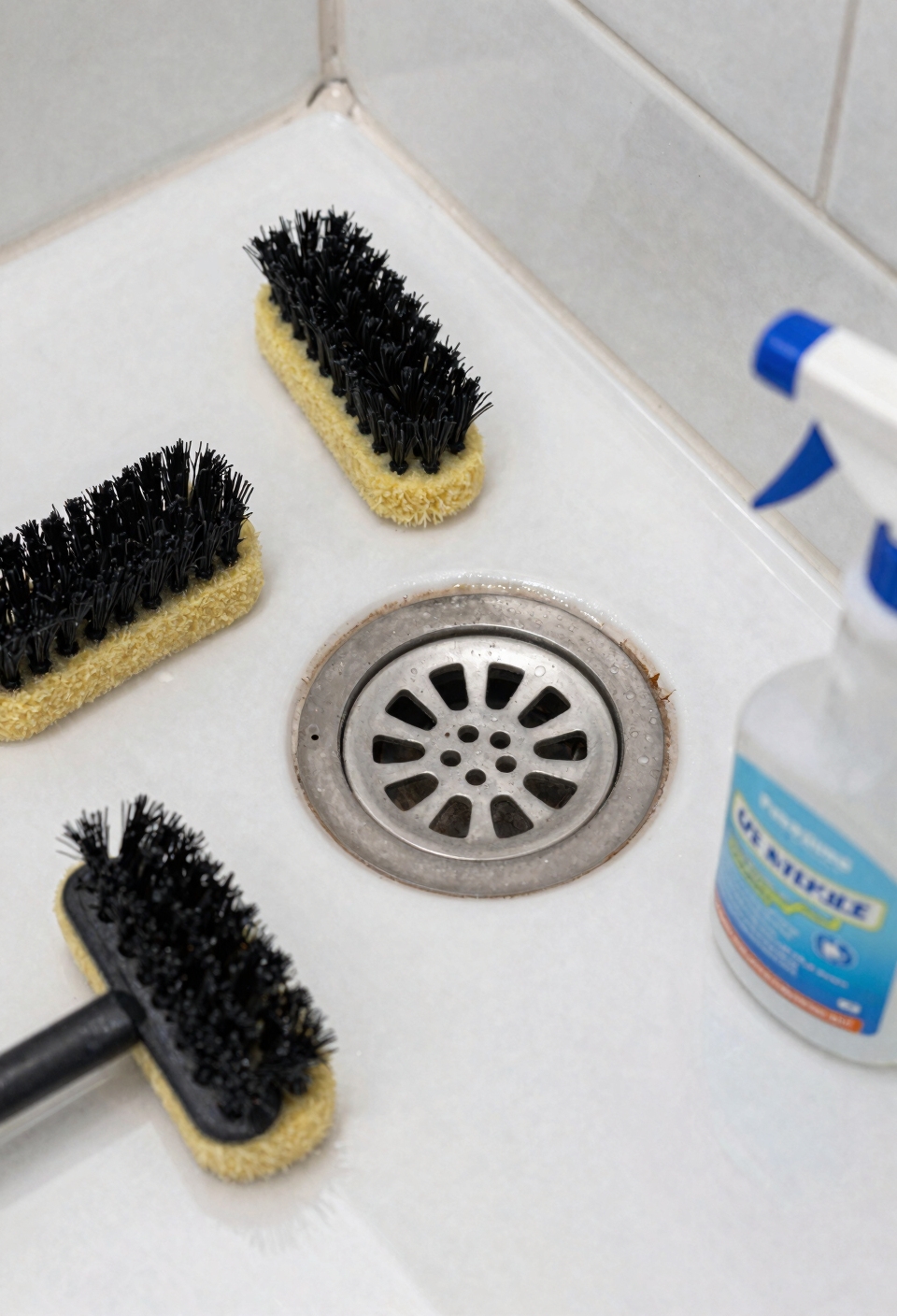
Even if you’ve nailed your weekly routine religiously, those stubborn stains aren’t going anywhere—they’re basically laughing at your regular disinfectant spray and calling for the heavy artillery. That’s where monthly deep cleaning steps in, and I’m talking stain specific treatments designed to actually penetrate mineral buildup and rust marks that’ve calcified onto your fixtures.
You’ll want to hit toilet bowls with specialized acid-based cleaners, tackle grout restoration with dedicated scrubbing, and pressure wash those tiled surfaces where regular mopping just bounces off. The key here? Dwell time. Let these treatments sit for a solid ten to fifteen minutes before you scrub. For maximum effectiveness on mineral-based stains like limescale and hard-water rings, choose cleaners with higher HCl concentrations that dissolve these deposits more quickly than standard formulations. Obviously your typical surface wipe won’t cut it—you need products formulated to dissolve what’s literally bonded to your surfaces. It’s not glamorous, but it works.
Recommended Products

Cleans toilets without splashes or spills etching your delicate stone surfaces

Quickly Removes Rust, Dissolves Organic Stains And Cleans Hard Water Residue

Fast-acting solution quickly kills bacteria from surfaces
High-Traffic Venues: Hourly Protocols Instead of Daily Schedules
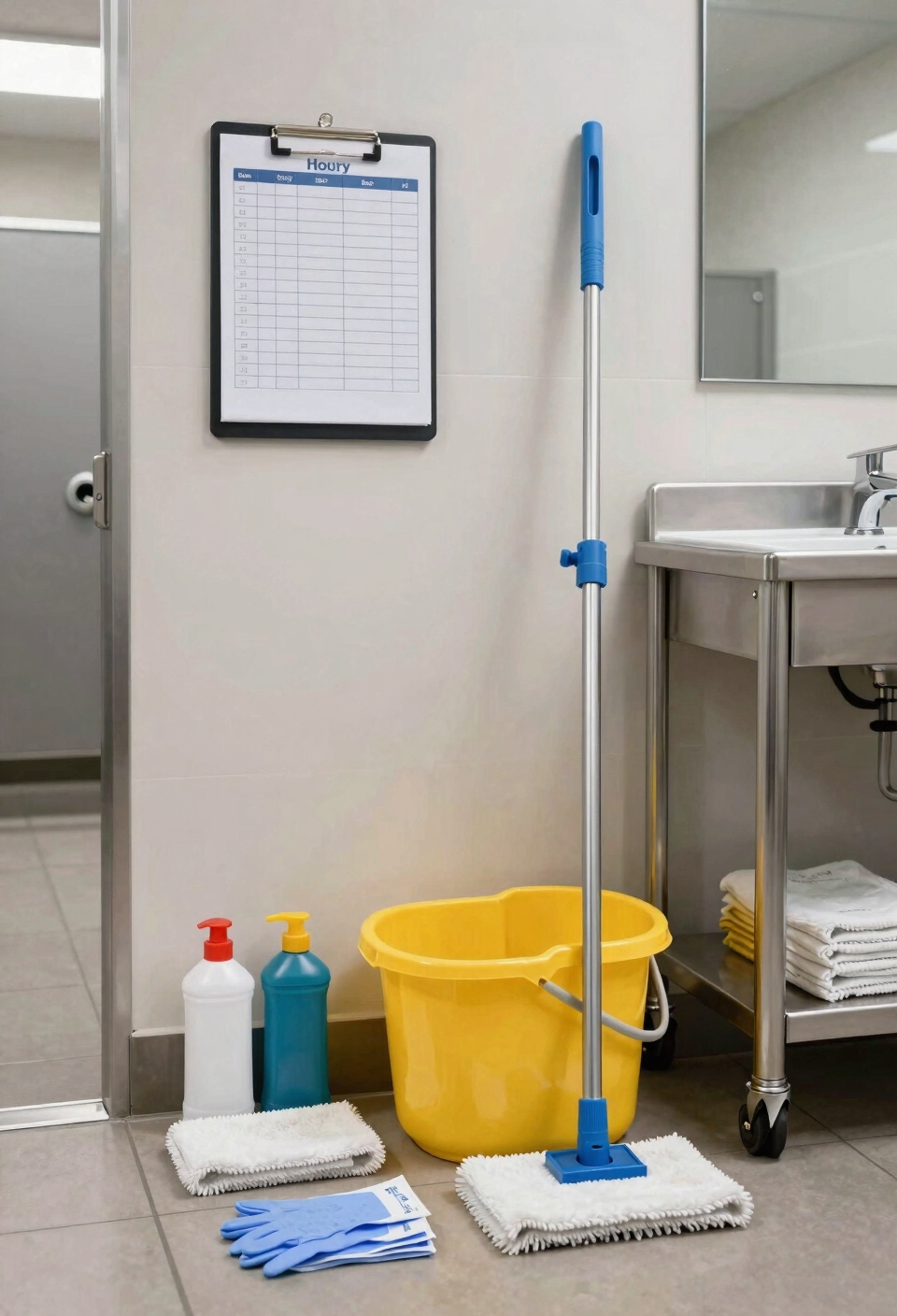
Constantly cycling through your restroom might sound excessive until you’re actually managing a hotel lobby or airport terminal, where you’re basically running a cleaning operation that never really stops. I mean, you’re not just dealing with toilet cleaner ingredients here—you’re coordinating staff rotation so someone’s always monitoring those facilities. Real time monitoring becomes your lifeline because messes happen fast in high-traffic venues. You can’t wait until tomorrow when you’ve got hundreds of people flowing through hourly. Obviously, this means deploying cleaners on rotating shifts, checking in constantly, and restocking those dispensers religiously. For facilities with basement restrooms or multiple-level bathrooms, upflush macerating toilets can reduce plumbing complications and maintenance demands during peak service hours. It’s honestly less about following a schedule and more about staying ahead of the chaos. Your facility stays presentable, your guests notice, and you’re not scrambling to play catch-up.
Medical Facilities: Compliance Cleaning Beyond Standard Protocols
Now, when you’re cleaning a hospital or clinic restroom, you’re playing a completely different ballgame than what you’re doing at your local coffee shop—and I mean that with respect to the actual stakes involved, not just the elbow grease required. You’re dealing with pathogen training requirements and audit documentation that’d make your head spin. Medical facilities demand multiple daily cleanings with disinfectants that actually kill dangerous microorganisms, not just make things smell fresher. I’m sure you’ve noticed hospitals take this seriously because they genuinely have to. You can’t just use standard toilet bowl cleaner here; you’re wrestling with HIPAA compliance, infection control protocols, and regulatory inspections. While commercial cleaners may kill 99.9% of bathroom bacteria in standard settings, medical facilities require EPA-registered disinfectants with proven efficacy against pathogenic organisms that pose genuine infection risks. The difference between acceptable and unacceptable isn’t subjective—it’s documented and scrutinized.
Align Your Cleaning Schedule With Available Budget and Staffing
While medical facilities demand those rigorous compliance standards we just talked about, most facility managers face a pretty different problem: figuring out how to actually afford the cleaning schedule they’d ideally want. Here’s the real talk: your budget tiers directly determine what’s possible, and staffing ratios make or break execution. I’ve seen plenty of facilities get crushed trying to maintain hospital-level cleanliness with a skeleton crew and shoestring budget. You’ve got to match your cleaning frequency to actual resources. Maybe you’re running budget tier one with minimal staff—that means daily basics only. Budget tier two? You can probably squeeze in weekly deep cleaning. For facilities with basement restrooms, ensure your vertical lift capability meets drainage demands before planning your cleaning schedule. Get honest about what you can realistically sustain with your labor available, then build from there rather than overselling yourself.
Empty Dispensers Cost More Than Keeping Them Full
I’m sure you’ve noticed—empty toilet paper dispensers in a commercial restroom create this weird panic response in users, right? Here’s the thing: that moment costs you real money. When dispensers sit empty, you’re looking at lost revenue from frustrated customers who won’t return, plus damage to your brand reputation that spreads faster than you’d think. People judge your entire operation based on whether you’ve got basics covered.
I mean, restocking supplies costs pennies compared to what you’ll lose when someone posts about your neglected restroom online. It’s honestly the highest priority maintenance task there is. Keeping dispensers full isn’t just sanitary—it’s business sense. Full dispensers signal competence and care. Empty ones? They scream neglect. Beyond toilet paper, maintaining hygienic features like functional plungers and holders also reflects your commitment to restroom standards. Your facility’s cleanliness speaks volumes about your professionalism, so don’t skimp on this one detail.
Recommended Products
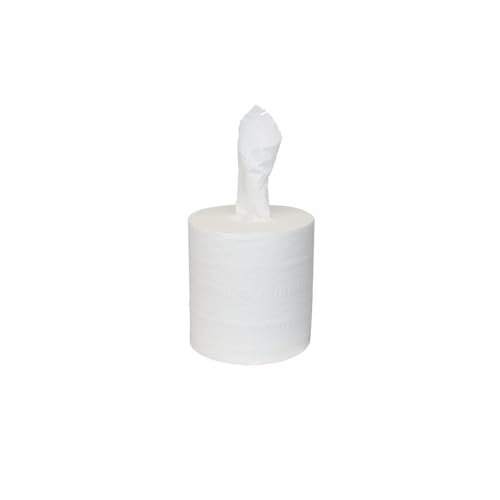
SPECS - You will receive a total of 396 rolls of paper towels. This order includes 66 cases [Full Pallet]. Each case holds 6 paper towel rolls. Each roll has 600 sheets.

SPECS - You will receive a total of 720 paper towel rolls. This order includes 60 cases of paper towels [Full Pallet]. Each case has 12 rolls of paper towels. Each roll is 8 inch by 300 feet.

BUILT FOR HIGH-TRAFFIC RESTROOMS — Air velocity reaches up to 90 m/s with an air volume of up to 239 m³/h, completing hand drying in approximately 5–10 seconds to support steady traffic in busy facilities.
Track Cleaning Compliance When Complaints Rise or Visible Dirt Appears
When your facility starts getting complaints or you notice dirt accumulating faster than usual, that’s your signal to actually dig into what’s happening with your cleaning schedule—because something’s clearly broken. I’m sure you’ve noticed that complaint logs become goldmines for identifying patterns, right? Start tracking which areas people gripe about most, then cross-reference against your actual cleaning logs. Photo audits work wonders here too—snap pictures of problem spots weekly so you’ve got visual evidence of what’s deteriorating. Now, obviously you’ll want to increase frequency if visible dirt’s winning the battle. Consider upgrading to commercial-grade cleaning tools that deliver superior performance and durability compared to standard equipment. This isn’t complicated stuff, but it requires honest assessment. Your cleaning team might be cutting corners, understaffed, or using ineffective products. Document everything meticulously because data doesn’t lie like excuses do.
Recommended Products

Compact, streamlined one-piece smart toilet with integrated personal cleansing; a bidet toilet seat and elongated bowl offer added room and comfort

Compact, streamlined one-piece smart toilet with bidet built in for integrated personal cleansing; elongated bowl offers added room and comfort

✅ TOTO DYNAMAX TORNADO Dual flushing system, select 0.9 GPF or 1.28 GPF
Frequently Asked Questions
What Is the Recommended Dwell Time for Cleaning Agents Before Scrubbing Surfaces?
I’d recommend allowing your cleaning agents sufficient contact time before scrubbing—typically 5-10 minutes depending on surface compatibility. This dwell time lets the chemicals work effectively, breaking down stubborn stains and disinfecting properly for best results.
How Much Annual Productivity Loss Occurs From Unsanitary Workplace Restrooms?
I’ll tell you that unsanitary workplace restrooms cost companies roughly $2,100 per employee annually through lost productivity and employee absenteeism. That’s significant financial impact you can’t ignore.
Which Cleaning Tasks Should Receive Priority if Time or Budget Is Limited?
I’d prioritize restocking dispensers and odor control strategies first—they’re non-negotiable for high traffic areas. Then I’d focus on priority sinks and toilet sanitization. These tasks deliver maximum impact when you’re stretched thin on time or budget.
How Often Should Deep Cleaning Occur Annually According to Professional Standards?
I’d recommend you schedule annual deep cleaning one to two times yearly, depending on your facility’s traffic volume. Professional standards and regulatory benchmarks suggest this frequency maintains sanitary conditions and prevents costly productivity losses.
What Specific Disinfection Protocols Apply to Medical Facility Restroom Cleaning Requirements?
Like a fortress against infection, I’ve learned that medical facilities demand multiple daily cleanings with strict PPE protocols and isolation procedures. You’ll need enhanced disinfection standards, compliance checks, and dedicated equipment per area.
Conclusion
facilities that stick to daily cleaning schedules report 60% fewer health code violations than those flying by the seat of their pants. I’m not saying you need to obsess over it, but you’ve probably noticed how fast a neglected restroom goes from acceptable to nightmare. Getting your frequency right—daily basics, weekly deep work, monthly heavy lifting—honestly costs less than dealing with complaints and compliance issues later.