As an Amazon Associate, we earn from qualifying purchases. Some links on this site are affiliate links at no extra cost to you. Our recommendations are based on thorough research and editorial judgment.

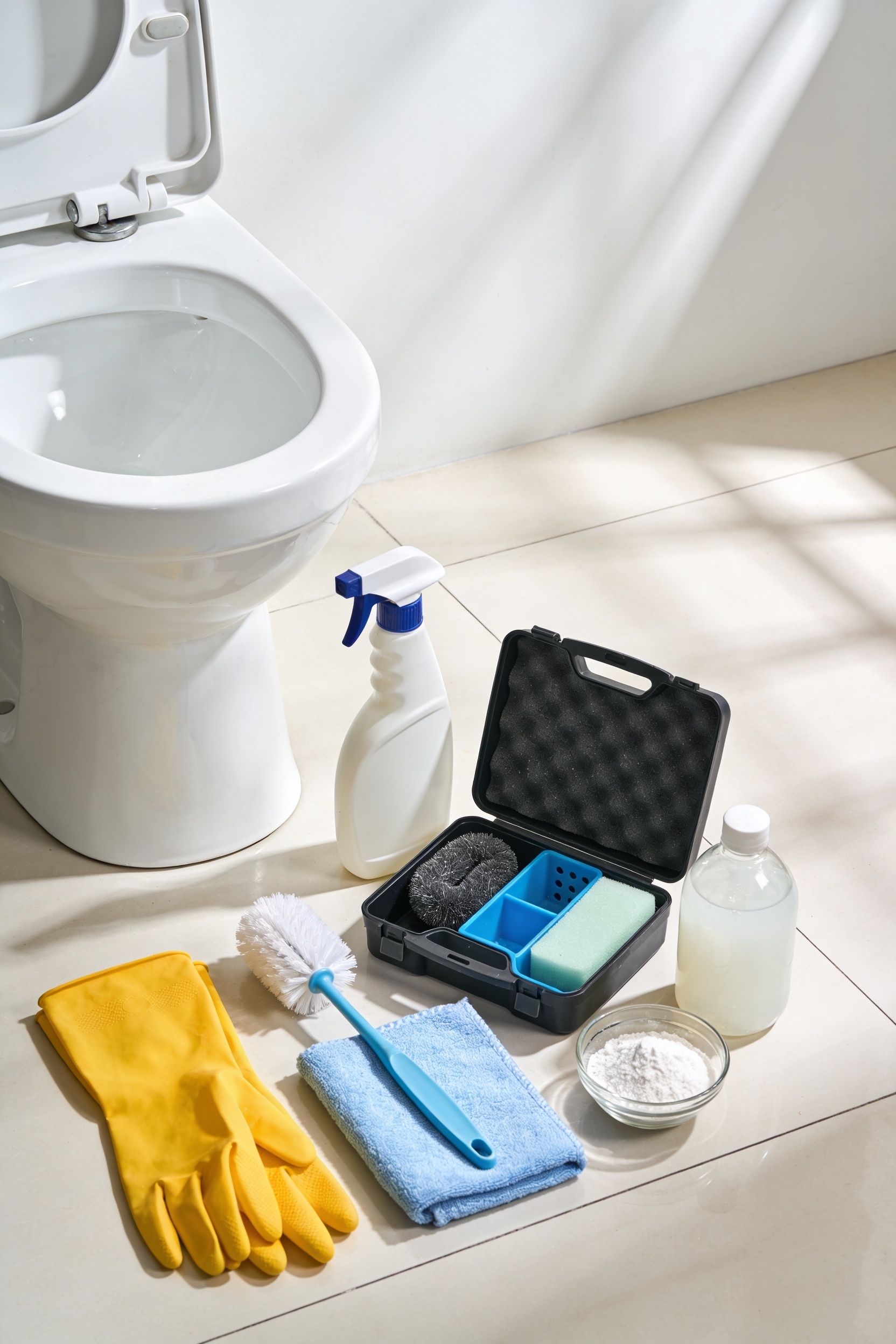
7 Easy Steps to Keep Toilets Stain-Free

I’m sure you’ve noticed that toilet stains seem unstoppable once they start, but here’s the thing—they’re way easier to prevent than to scrub away later. Pick a cleaner matched to your water hardness, scrub weekly before stains set in, use enzyme treatments for stubborn buildup, and grab tank tablets for between-cleanings. If stains keep returning despite your efforts, you’re probably dealing with hard water or a leak that needs fixing. A solid routine beats panic cleaning every time, and there’s actually more specific strategy worth knowing.
Key Takeaways
- Scrub your toilet weekly with an appropriate cleaner to prevent stains from setting permanently on ceramic surfaces.
- Use enzyme cleaners and let them soak for fifteen minutes to break down stubborn mineral deposits effectively.
- Install tank tablets or automatic dispensers that release cleaner with each flush to inhibit buildup between cleanings.
- Apply a wet pumice stone gently to remove calcified mineral rings and hard water stains that resist chemicals.
- Test your water hardness and consider a water softener to address the source of mineral buildup problems.
Step 1: Pick the Right Cleaner for Your Water Type
Why does your toilet look like it’s been hosting a science experiment while your neighbor’s stays pristine? Honestly, it usually comes down to water type. I’ve learned the hard way that hard water deposits demand specific cleaners formulated to tackle mineral buildup, not just generic bathroom spray.
Here’s what I do: I match my cleaner to my water. If you’ve got hard water, grab products with bleach or vinegar—they’re genuinely solid for whitening and stain removal. Now, if you care about eco-friendly cleaners, plenty exist without sacrificing power. Check your scent preferences too, because you’re spending time with this stuff. For severe mineral deposits, consider using clinging acid formulas that maintain extended surface contact with bowl surfaces for maximum effectiveness.
The trick? Don’t just grab whatever’s on sale. Your water’s unique situation deserves a cleaner actually built for it. That’s step one.
Recommended Products
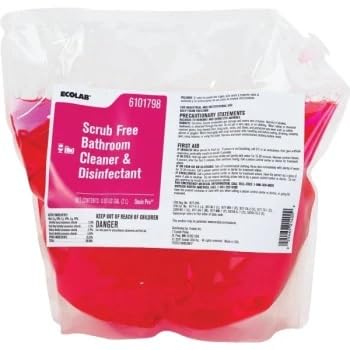

For use with the American Standard ActiClean toilet only

Step 2: Scrub Weekly to Prevent Stains From Setting
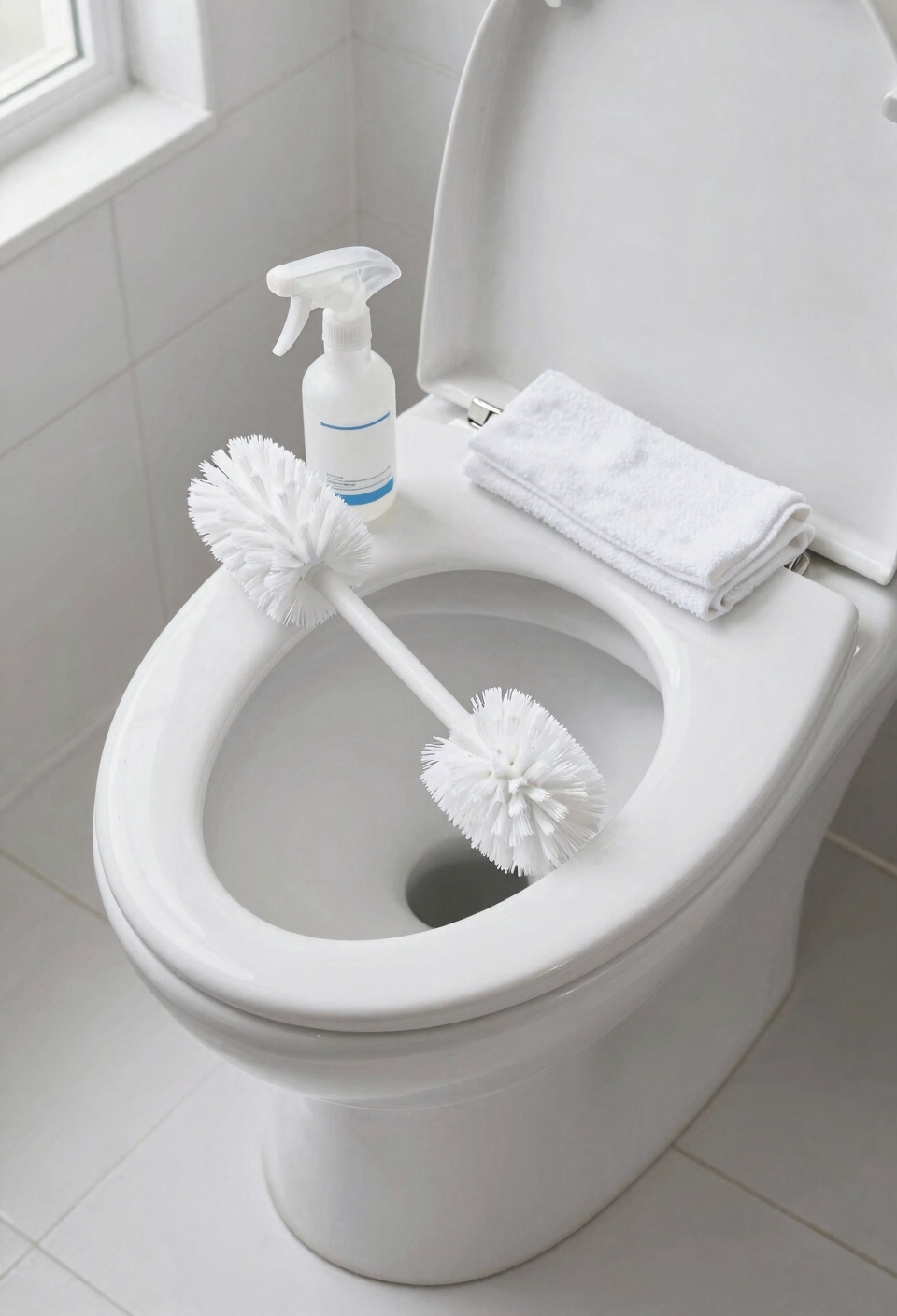
All right, so you’ve got the right cleaner matched to your water type—that’s solid groundwork. Now here’s the thing: consistency beats intensity every single time. I’m sure you’ve noticed stains that’ve basically become part of the porcelain, right? That’s what happens when you skip weeks between cleanings.
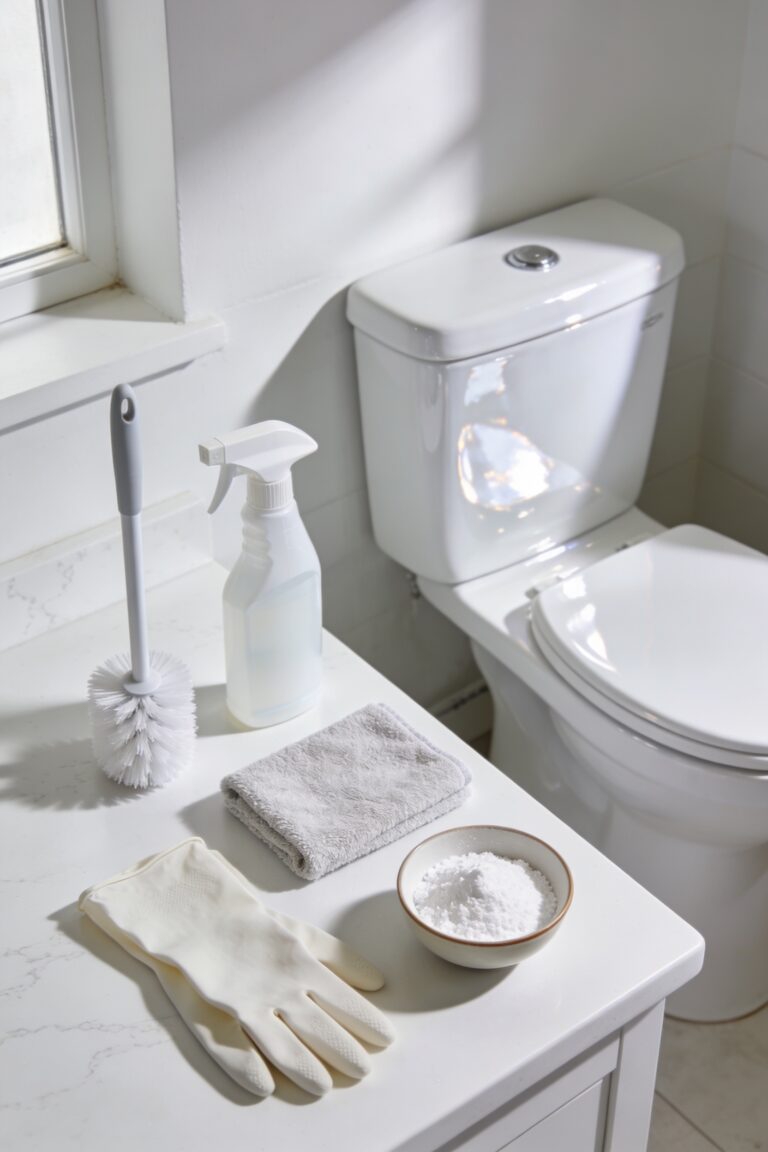
I clean mine weekly, sometimes twice depending on what I’m dealing with. You don’t need fancy tools—just your standard toilet brush, maybe some citrus rinds tossed in for freshness if you’re feeling it. Let that cleaner sit a few minutes before scrubbing the bowl, rim, and under that hidden edge where gunk loves hiding like bracelet holders collecting dust.
For stubborn stains like limescale and hard water deposits, consider using a pumice stone as an abrasive tool to remove rings that regular brushing can’t tackle. The whole process takes maybe five minutes tops. Weekly scrubbing keeps stains from setting permanently into the ceramic, which honestly beats fighting stubborn rings later.
Step 3: Soak and Scrub Toilet Stains the Right Way
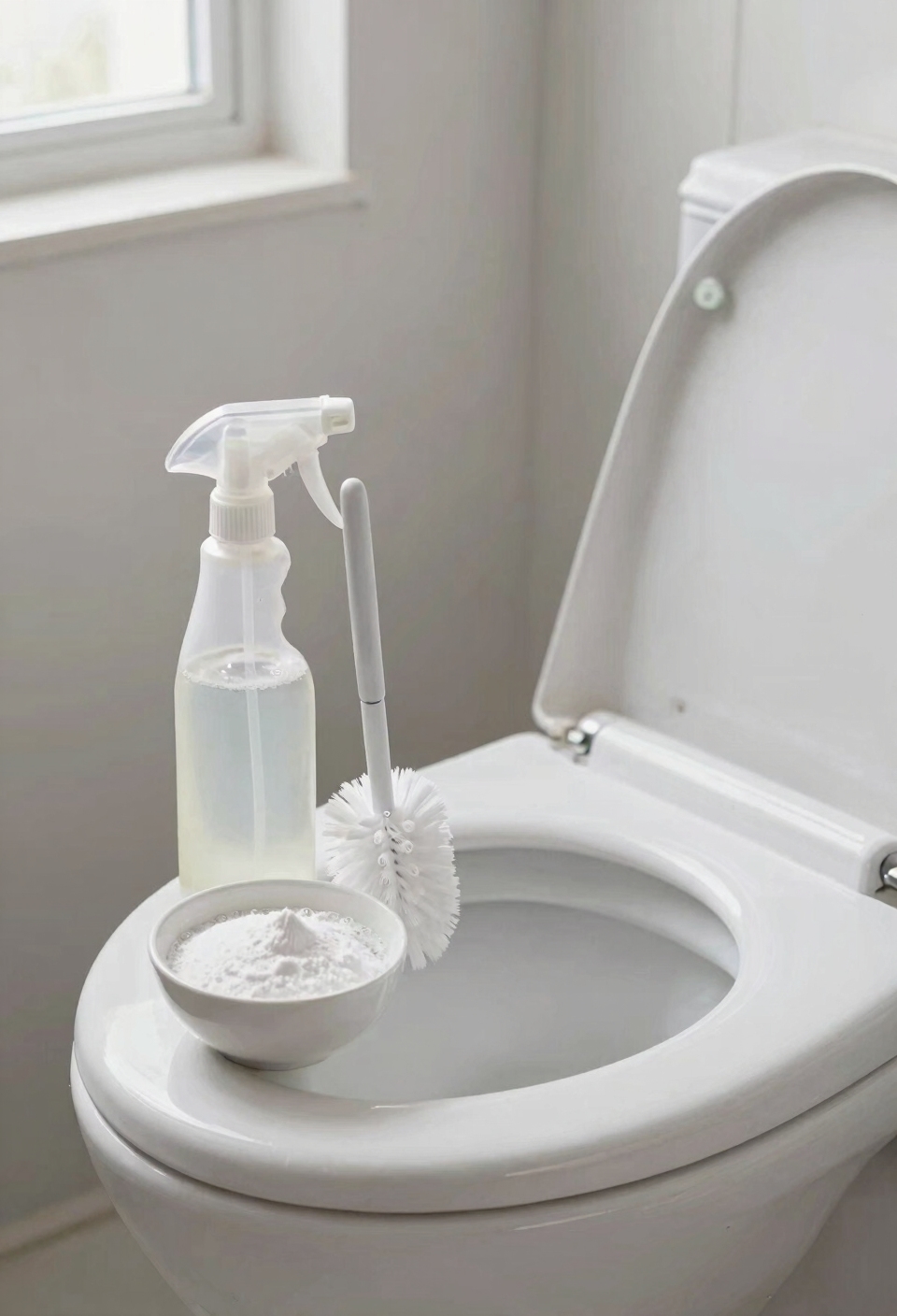
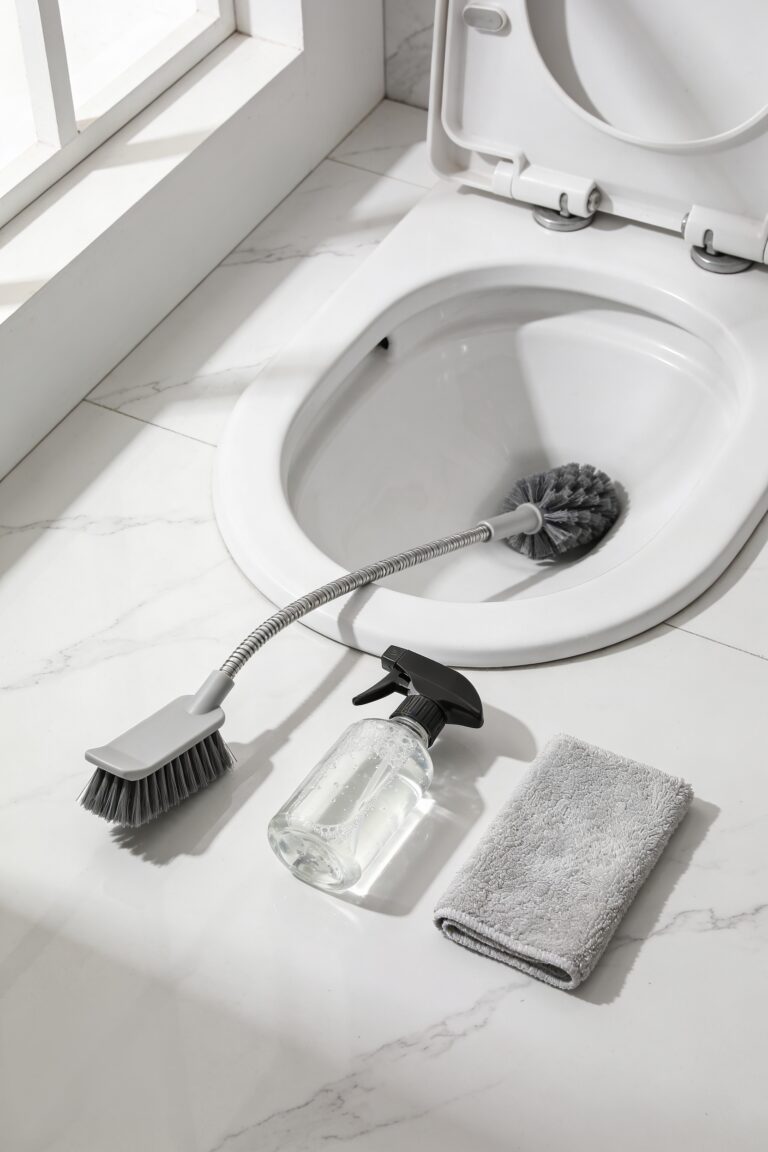
Here’s where patience actually pays off, and I mean real patience—not the five-second spray-and-flush kind that never actually works. I’ve found that letting an enzyme cleaner sit for fifteen minutes transforms everything. You’re basically giving those ingredients time to break down the mineral bonds that’ve basically cemented themselves to your bowl. Grab a soft bristle brush—and I mean soft, not those industrial wire things that scratch the ceramic—then scrub the stained areas with real intention. Focus under the rim where gunk loves hiding. The enzyme cleaner does the heavy lifting while you’re not looking, honestly. It’s chemistry doing what brute force can’t. For stubborn hard water stains and mineral deposits that resist chemical cleaners, consider using a pumice cleaning stone with gentle abrasive action to restore your porcelain. Obviously you’ll rinse thoroughly after, but that soak time? That’s genuinely the difference between frustrated scrubbing and actual results.
Recommended Products

Controls odors almost instantaneously.

Multi enzyme digestant and spotter
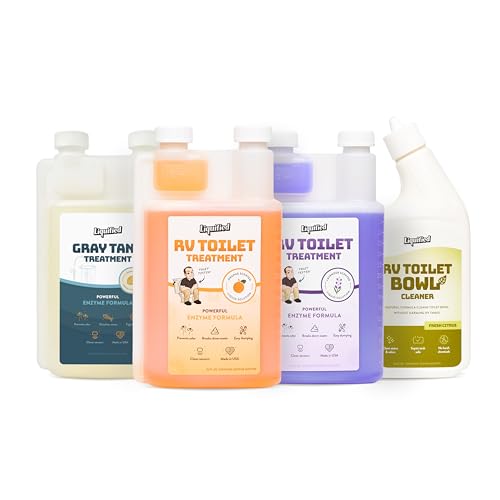
ULTIMATE RV TANK CARE SYSTEM – All-in-one maintenance kit for black and gray tanks. Includes Orange & Lavender 32oz tank treatments, Gray Tank solution, and toilet bowl cleaner for a full, consistent RV system routine.
Step 4: Handle Stubborn Stains That Won’t Budge
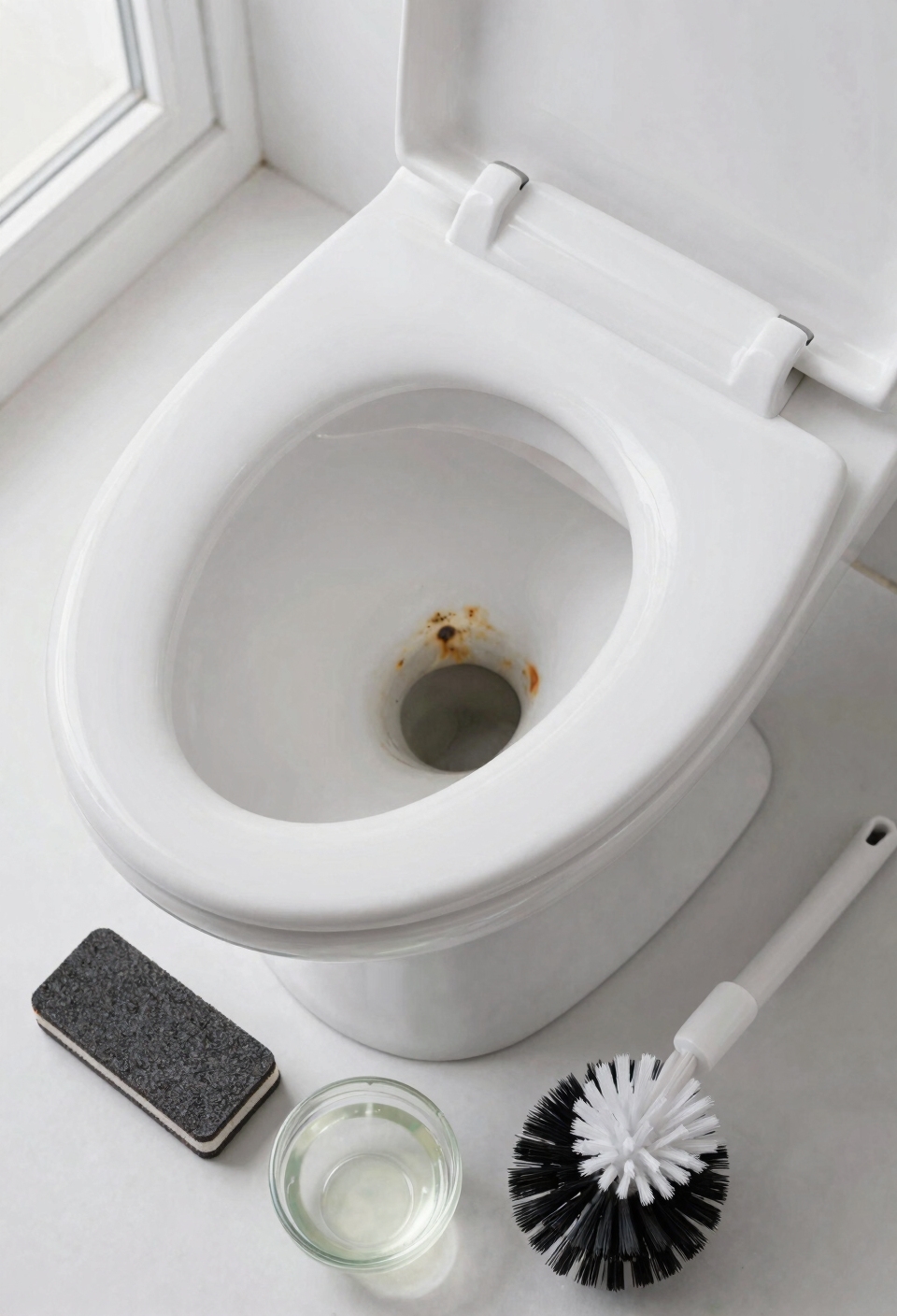
Now, stubborn stains are basically the toilet’s way of telling you that regular cleaners aren’t cutting it—and honestly, I get it, because sometimes you’re dealing with rust rings or mineral deposits that’ve basically calcified themselves into the ceramic like they own the place. I mean, you’ve probably stared at those rings wondering if they’re permanent fixtures at this point.
Here’s where enzyme cleaners become your secret weapon. They break down organic buildup that standard cleaners miss, working longer and harder than bleach alone. For really stubborn mineral rings, grab a pumice stone—just wet it first, then gently scrub the stain. Sounds weird, but it works. You’re basically abrading away what won’t dissolve, and the stone’s porous enough not to scratch your bowl if you’re careful about it. Consider using citric acid formulations for tough mineral deposits and limescale, as they offer an effective natural alternative that targets the calcium and lime buildup without harsh chemicals.
Recommended Products

Fast-Acting and Multi-Purpose: Quickly tackles difficult plumbing and septic issues such as backups, odors, and slow drainage, while also preserving well water and restoring drain fields.

POWERFUL SEPTIC TANK & DRAINFIELD RESTORATION. Removes large amounts of biomat, sewage, grease, organic matter & sludge. Helps Reverse septic/drainfield failure. Treats residential, hotel & commercial septic systems, grease traps, slowly running drains, floor drains & portable toilets. Works in all types of septic systems including cesspool, seepage pits, sewage lagoon, drywells, sand mound, turkey mounds, Elgen systems, rv tanks, sewage treatment plants, aeration systems, outhouses.

Step 5: Use Tank Tablets Between Your Regular Cleaning
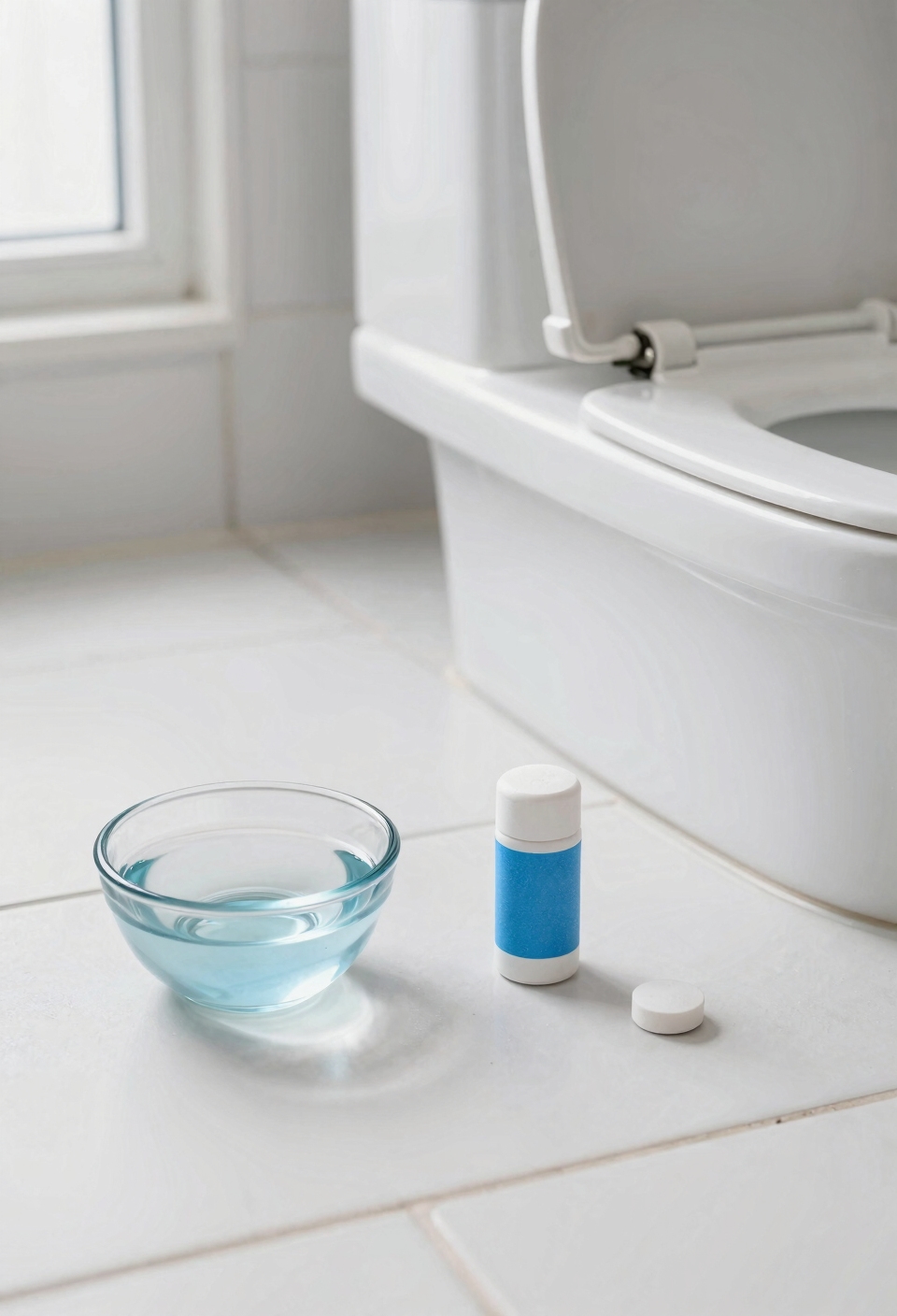
Once you’ve tackled those stubborn rings with everything from enzyme cleaners to a wet pumice stone, you’re probably thinking “okay, I’ve won this battle, but how do I keep from losing the war next week?” That’s where tank tablets come in, and I’m not gonna oversell them—they’re basically your cleaning crew working on autopilot between the times you actually get down there with a brush.
These automatic dispensers release cleaner with every flush, and the mineral inhibitors they contain actually prevent buildup before it starts. I mean, you drop a tablet in, and it’s handling the stain-prevention game while you’re doing literally anything else. They won’t replace your scrubbing routine, but they’ll definitely slow down how fast new stains form. Most automatic tablets last 45–60 days at around 20 flushes per day, though hard water and frequent flushing can significantly reduce this duration. It’s the laziest, smartest move in toilet maintenance.
Recommended Products
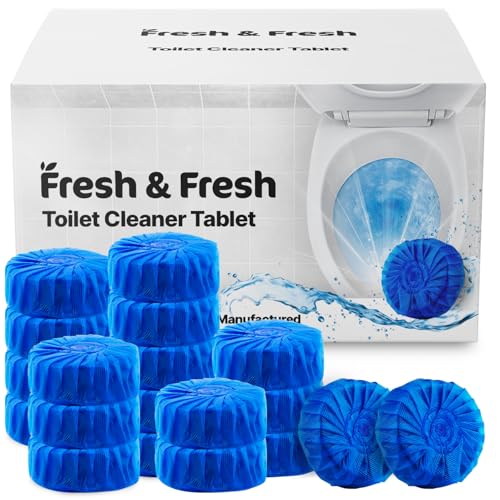
EFFICIENTLY CLEAN: Fresh & Fresh toilet bowl cleaner efficiently tackles lime scale, hard water stains, and other stubborn dirt in water tanks, pipes, and toilet bowls with every flush. Premium Toilet Bowl Cleaner.

NEVER SCRUB YOUR TOILET AGAIN - Stop wasting time with gross toilet brushes and harsh chemicals! Go hands-free with Happy Toilet bowl tablet holder in tank toilet bowl cleaner by turning your toilet into an automatic toilet cleaner.

Capture Toilet Odors Before They Escape – The AIR CUBE is a smarter bathroom cleaner that activates while you’re on the toilet, using ionization technology to capture & break down odor-causing particles inside the toilet before unwanted smells spread.
Step 6: Fix Leaks and Hard Water Issues If Needed
If you’ve been fighting the same stains week after week despite your best efforts with cleaners and tablets, I’d bet you’re dealing with either a leak slowly pooling mineral-rich water or genuinely brutal hard water that’s basically coating your bowl in a calcium and magnesium fortress. I mean, these two problems tank your cleaning efforts faster than anything else. Get a plumbing inspection done to rule out hidden leaks—they’re sneaky culprits nobody thinks about until their water bill spikes. Then consider mineral testing to check your water hardness levels. If hard water’s your villain, honestly, a water softener becomes your best friend. In the meantime, automatic toilet bowl cleaner tablets designed for hard water conditions can provide temporary relief by preventing mineral buildup with every flush. You’re not fighting stains anymore at that point; you’re fighting the actual source. Fix these underlying issues first, and suddenly your cleaners actually work like they’re supposed to.
Recommended Products

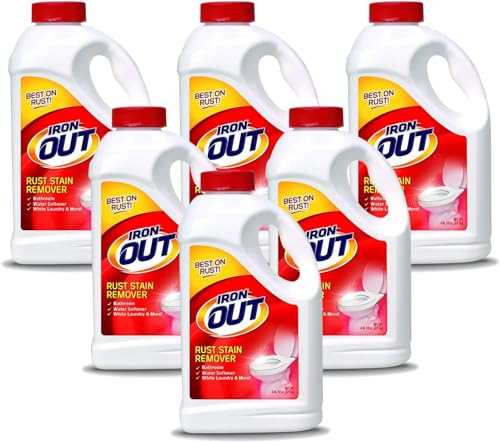
60 PACK PUMIE SCOURING STICKS - Experience unbeatable cleaning power with Pumie Scouring Sticks, the ultimate solution for removing tough stains and grime. Perfect for toilet bowl cleaning, these pumice-based scouring sticks are specially designed to tackle hard water stains, mineral deposits, rust with ease. Ideal for use on porcelain, ceramic, and other hard surfaces, they deliver a deep clean where ordinary cleaners fail. These versatile scouring sticks ensure a hygienic and spotless finish, making them an essential tool for maintaining a pristine home or workplace. Safe, effective, and incredibly durable, they’re perfect for toilets, sinks, kitchen tiles, and more!

Fast-acting solution quickly kills bacteria from surfaces
Step 7: Maintain Your Toilet With a Simple Weekly Routine
The truth is, you’ve basically already won the stain battle once you’ve addressed those leaks and hard water issues—now you’re just maintaining the victory, and I mean that literally requires way less effort than you’d think. I’m sure you’ve noticed that once your toilet’s actually clean, keeping it that way is almost laughably simple.
Here’s your inspection checklist: hit it once weekly with your preferred cleaner—let it sit a few minutes, scrub the bowl and under the rim, done. Rotate your scent rotation between vinegar-based and bleach cleaners so you’re not boring your bathroom to death while staying on top of buildup. Tank tablets handle the heavy lifting between cleanings. For long-term maintenance without extra effort, consider automatic tablet cleaners that work with every flush to prevent stains from returning. Honestly? You’re basically coasting now.
Frequently Asked Questions
Can I Use Abrasive Scrubbers on My Toilet Bowl Without Damaging the Ceramic Surface?
I’d advise against abrasive scrubbers because they’ll create surface micro scratches on your ceramic bowl. Instead, I recommend using gentler abrasive alternatives like baking soda paste or soft-bristled brushes to protect your toilet’s finish.
How Long Should I Let Cleaner Sit in the Bowl Before Scrubbing for Best Results?
I’d recommend letting cleaner sit for a few minutes—typically 5-10 minutes—to maximize dwell time and stain penetration. I’ve found that this chemical activation period works best. Try the tissue test: if it’s still damp, you’re ready to scrub.
What’s the Difference Between In-Tank Tablets and Liquid Toilet Bowl Cleaners for Prevention?
In-tank tablets offer automatic dosing with each flush, continuously fighting stains without manual application. Liquid cleaners require you to apply them directly but don’t leave chemical residue buildup like tablets sometimes do.
Will a Water Softener Really Reduce the Mineral Stains in My Toilet Bowl?
Hard water affects 85% of U.S. homes. Yes, I’d say water softeners genuinely reduce mineral stains by filtering out minerals before they reach your toilet. They’re essential plumbing maintenance, preventing buildup and ceramic damage long-term.
How Often Should I Clean Unused Guest Bathrooms to Prevent Sitting Water Stains?
I’d recommend flushing unused guest bathrooms weekly to prevent sitting water stains. For seasonal inspections during guest rotations, I’d do a thorough cleaning before visitors arrive. This stops mineral buildup and keeps bowls fresh.
Conclusion
Look, I’ve seen bathrooms transform with consistency. My neighbor Sarah stopped fighting rust stains once she matched her cleaner to her hard water, then stuck to weekly scrubbing—took three weeks before her bowl looked new again. You’re not fighting some unbeatable enemy here. Pick your weapon, commit to the routine, and you’ll keep that porcelain looking sharp. That’s genuinely it.