As an Amazon Associate, we earn from qualifying purchases. Some links on this site are affiliate links at no extra cost to you. Our recommendations are based on thorough research and editorial judgment.

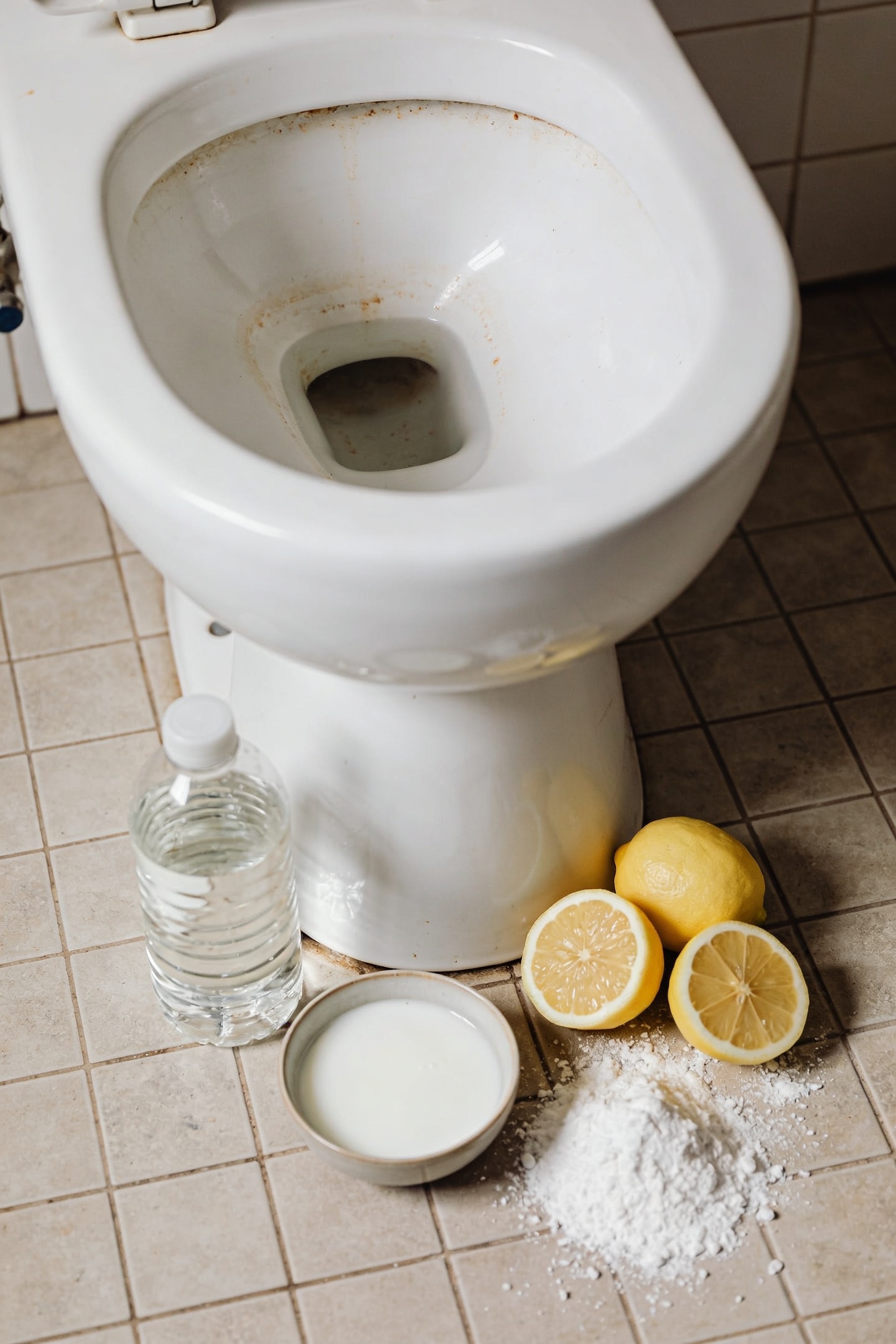
Why Won’t Limescale Build Up In Your Toilet?

Limescale builds up because hard water‘s calcium and magnesium deposits concentrate when water evaporates—especially at the waterline where airflow speeds things up. I’m sure you’ve noticed that chalky ring; it’s basically mineral residue glued to your porcelain by surface tension. Now, you can’t really stop it entirely without tackling your water supply itself, but here’s the thing: you can absolutely slow it down with daily habits like quick rinses and weekly cleanings. The catch? If you’re constantly fighting thick buildup despite regular scrubbing, your water’s mineral content might demand a bigger solution than vinegar alone can handle.
Key Takeaways
- Regular flushing cycles prevent water stagnation and evaporation that concentrate minerals into deposits.
- Quick rinses after use remove mineral residue before it hardens into limescale buildup.
- Daily waterline wiping with toilet paper stops deposits from settling and accumulating.
- Weekly cleaning with bleach or acidic solutions dissolves minerals before they establish permanently.
- Sustained-release toilet tablets continuously treat flush water, preventing mineral concentration and crystallization.
Why Hard Water Causes Toilet Limescale
When you’ve got hard water flowing through your pipes, you’re basically running mineral-rich liquid straight into your toilet bowl every single time it fills up—and I’m sure you’ve noticed those stubborn white or rust-colored rings that seem to appear overnight no matter how often you clean.
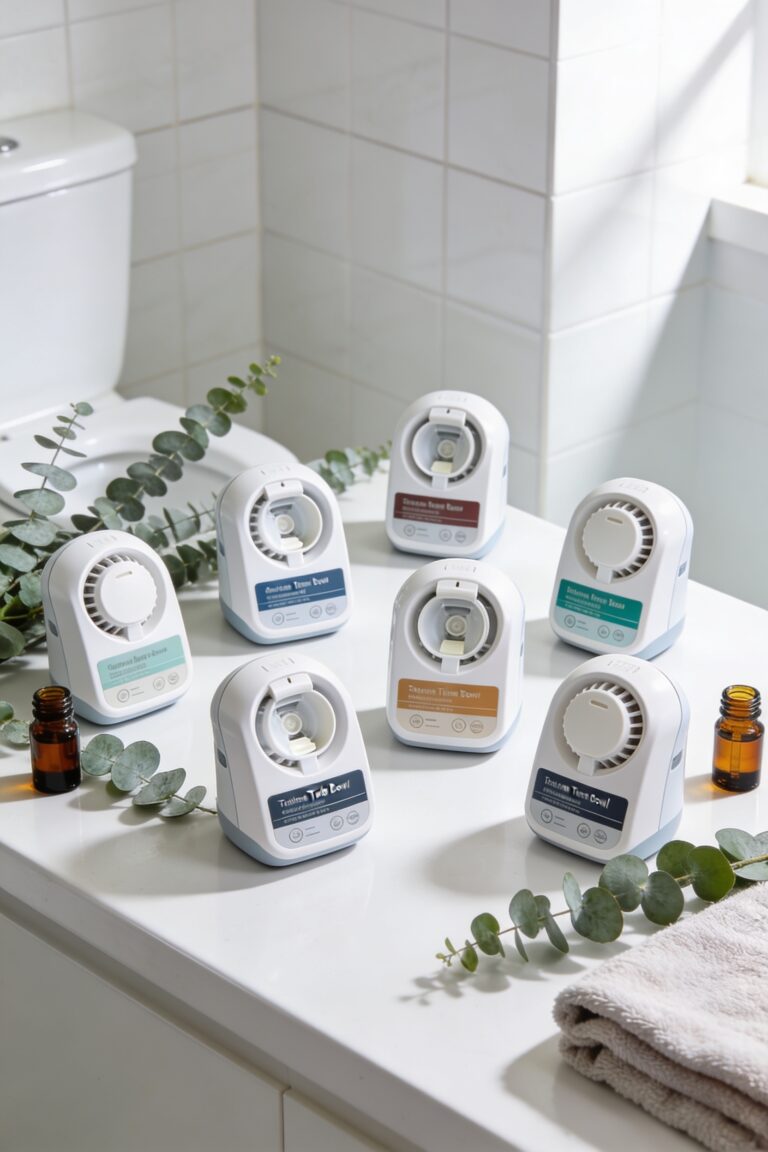
Here’s the mineral chemistry at work: calcium and magnesium dissolve in your water supply, and when that water hits your toilet bowl, it evaporates on the porcelain surface, leaving those minerals behind like a chalky residue. I mean, it’s relentless. The more mineral content in your water, the faster the buildup happens. And if you’re dealing with older pipes experiencing pipe corrosion, you’re getting even more mineral particles into the mix. It’s not just unsightly—it compounds over time in hard water regions. Fortunately, automatic toilet bowl cleaner tablets with sustained-release technology can help prevent limescale and mineral buildup by continuously treating your water with each flush.
Remove Limescale: Acidic Cleaners vs. Bleach
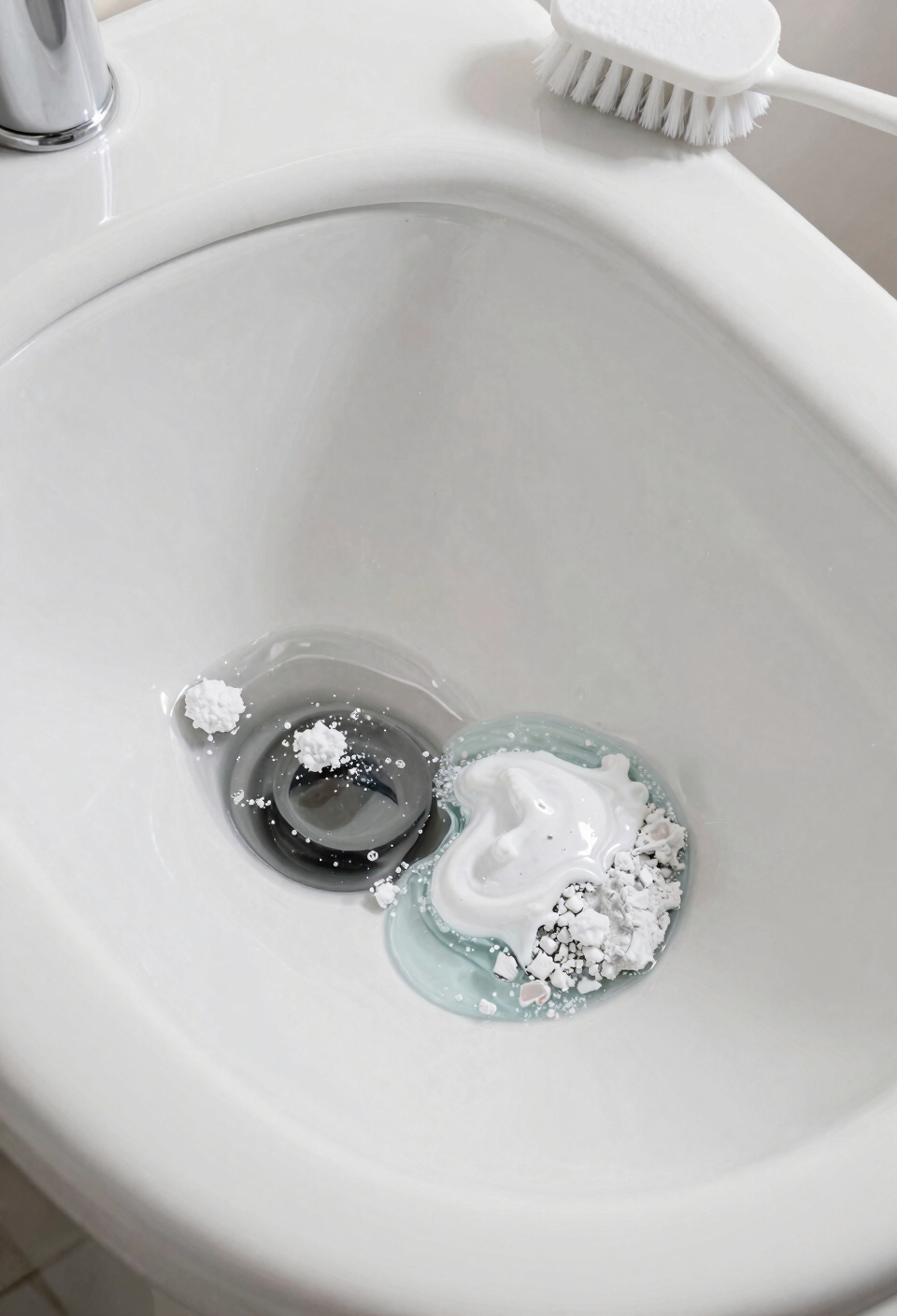
Now that you understand where all that mineral buildup’s coming from, the real question is how you’re going to get rid of it—and honestly, you’ve got two main camps battling it out in your cleaning arsenal: acidic cleaners and bleach, and they work in completely different ways. Acidic cleaners like vinegar and Bar Keepers Friend dissolve limescale through acidic efficacy, basically eating through those mineral deposits. Bleach, meanwhile, works through a peeling action that needs multiple applications. Here’s the thing: acidic cleaners are faster and more direct, but material compatibility matters—you’ll want to avoid metal brushes that scratch porcelain. Bleach is gentler on your fixtures but requires patience. For the strongest results on severe mineral buildup, HCl concentrations of 20-23% deliver faster dissolution and require less contact time than weaker formulations. I’m personally team acid for stubborn buildup, though honestly, alternating both gives you solid results.
Recommended Products

Commercial-Grade Urinal Drain Fix – Backed by 40 years of formulation expertise, Crete is a professional urinal drain descaler designed to break down accumulated uric acid and calcium deposits commonly found in high-traffic restroom environments. Supports proper drain maintenance and consistent system performance

NOT Your Grocery‑Aisle Cleaner – BolBac’s industrial‑strength 25 – 30 % hydrochloric formulation obliterates lime scale, mineral crust, and iron stains in minutes, snapping surfaces back to “day‑one” brightness

60 PACK PUMIE SCOURING STICKS - Experience unbeatable cleaning power with Pumie Scouring Sticks, the ultimate solution for removing tough stains and grime. Perfect for toilet bowl cleaning, these pumice-based scouring sticks are specially designed to tackle hard water stains, mineral deposits, rust with ease. Ideal for use on porcelain, ceramic, and other hard surfaces, they deliver a deep clean where ordinary cleaners fail. These versatile scouring sticks ensure a hygienic and spotless finish, making them an essential tool for maintaining a pristine home or workplace. Safe, effective, and incredibly durable, they’re perfect for toilets, sinks, kitchen tiles, and more!
Scrub High-Risk Areas (Waterline, Rim Jets, Base)
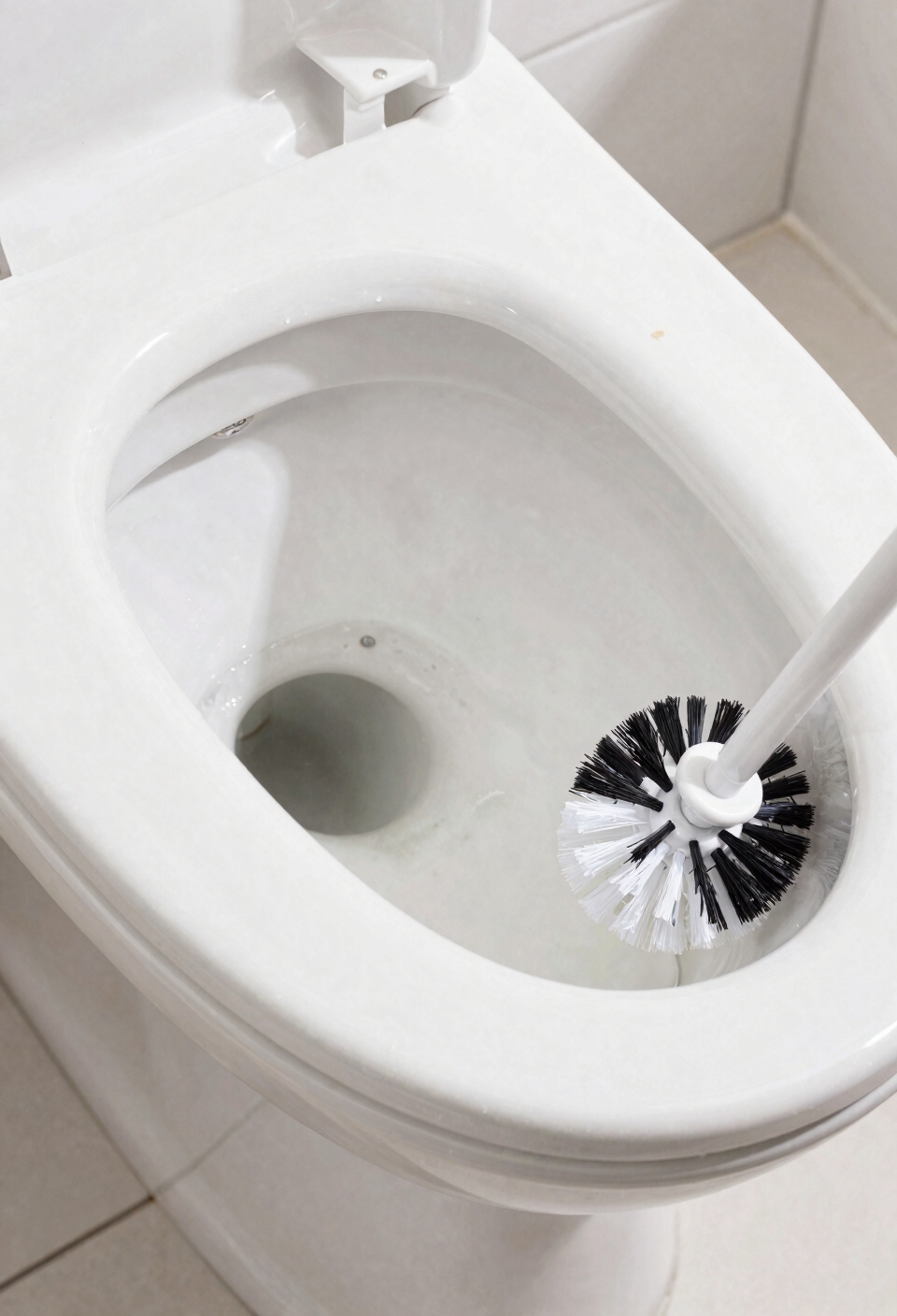
Here’s the thing about limescale—it’s basically a lazy accumulator that loves hanging out in the same spots every single time, and those high-risk zones I mentioned earlier? They’re your real battlegrounds. I’m sure you’ve noticed that waterline ring, right? That’s ground zero. You’ll want to focus your rim maintenance efforts there, obviously, but don’t sleep on the rim jets either. That’s where jet inspection becomes pivotal—clogged jets mean weak flushes, which means more mineral deposits building up. The bowl’s base is another sneaky culprit where stuff just settles and hardens. When you’re scrubbing these areas, you’re fundamentally preventing future accumulation from even getting started, which beats fighting thick buildup later. Using silicone toilet brushes specifically designed to be gentle on enamel while effectively removing deposits can help you maintain these high-risk zones without causing surface damage to your toilet bowl.
Recommended Products

COMPLETE SET INCLUDES: Tempesta 110 hand shower and gliding holder, 24-in. rail, metal shower hose, and GROHE Fast Fixation adjustable top bracket to conceal existing holes

SMARTSWITCH SPRAY SELECTION: Convenient dial on back of hand shower makes it easy to switch from Rain spray to Jet spray to Massage spray, and features haptic feedback

Premium TPR Material - This toilet bowl cleaner brush is made of soft and resilient TPR. Easy to clean and leaves no scratch to the toilet glaze.
Baking Soda Paste for Stubborn Deposits
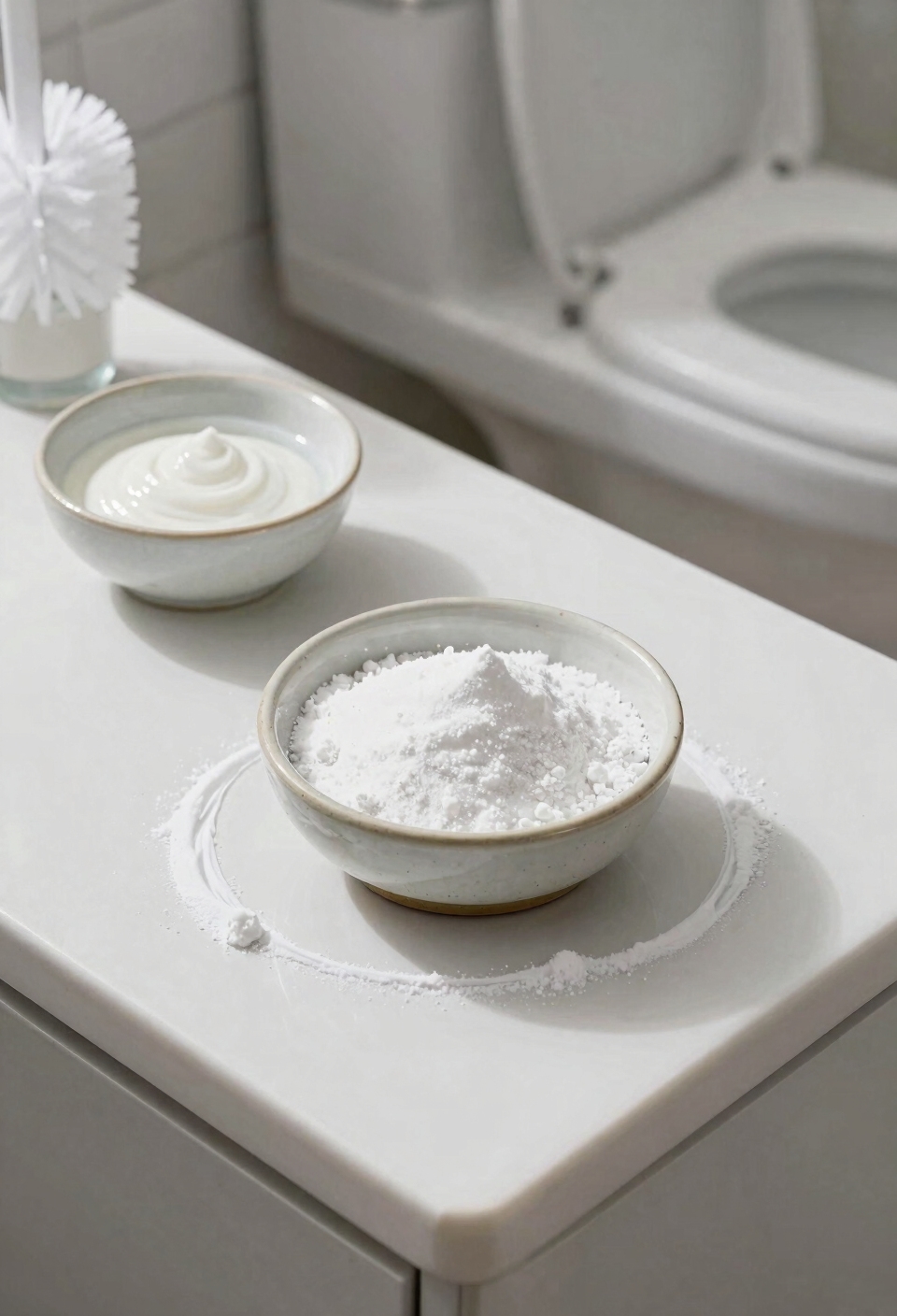
For those stubborn deposits that vinegar and standard scrubbing haven’t quite conquered, baking soda paste becomes your secret weapon—it’s mild enough that you won’t accidentally wreck your porcelain, but abrasive enough to actually get the job done. I’m sure you’ve noticed how baking soda works like magic on dried-on gunk.
Mix it with water until you’ve got a thick paste, then apply it directly to those crusty rim areas where limescale loves hiding. Let it sit for fifteen minutes or so. Now here’s where it gets interesting: you can boost this paste with a citrus scrub component—lemon juice adds acid without the oven cleaner harshness that’ll damage your bowl over time. For even more powerful results against stubborn mineral deposits, consider combining your baking soda paste with citric acid powder, which offers superior descaling performance compared to acid alone.
Scrub gently with a soft brush, rinse thoroughly, and you’re golden.
Recommended Products

DENTAL DISEASE AFFECTS 30% OF DOGS — START BRUSHING EARLY: Dental disease causes daily pain and discomfort, and pets are pros at hiding it. Starting a brushing habit with puppies using this training kit reduces plaque and tartar from a young age.

3-PIECE DOG DENTAL KIT — TOOTHPASTE, TOOTHBRUSH, AND FINGER BRUSH: This fresh breath kit includes 2.5 oz vanilla ginger-flavored toothpaste, one toothbrush, and one finger brush — a complete starter kit for building a dog dental care routine.

● UNIQUE DESIGN: eShave shaving accessories are all designed by the creator of the brand and are unique to eshave.
Stop Limescale Returning: Weekly Cleaning Routine
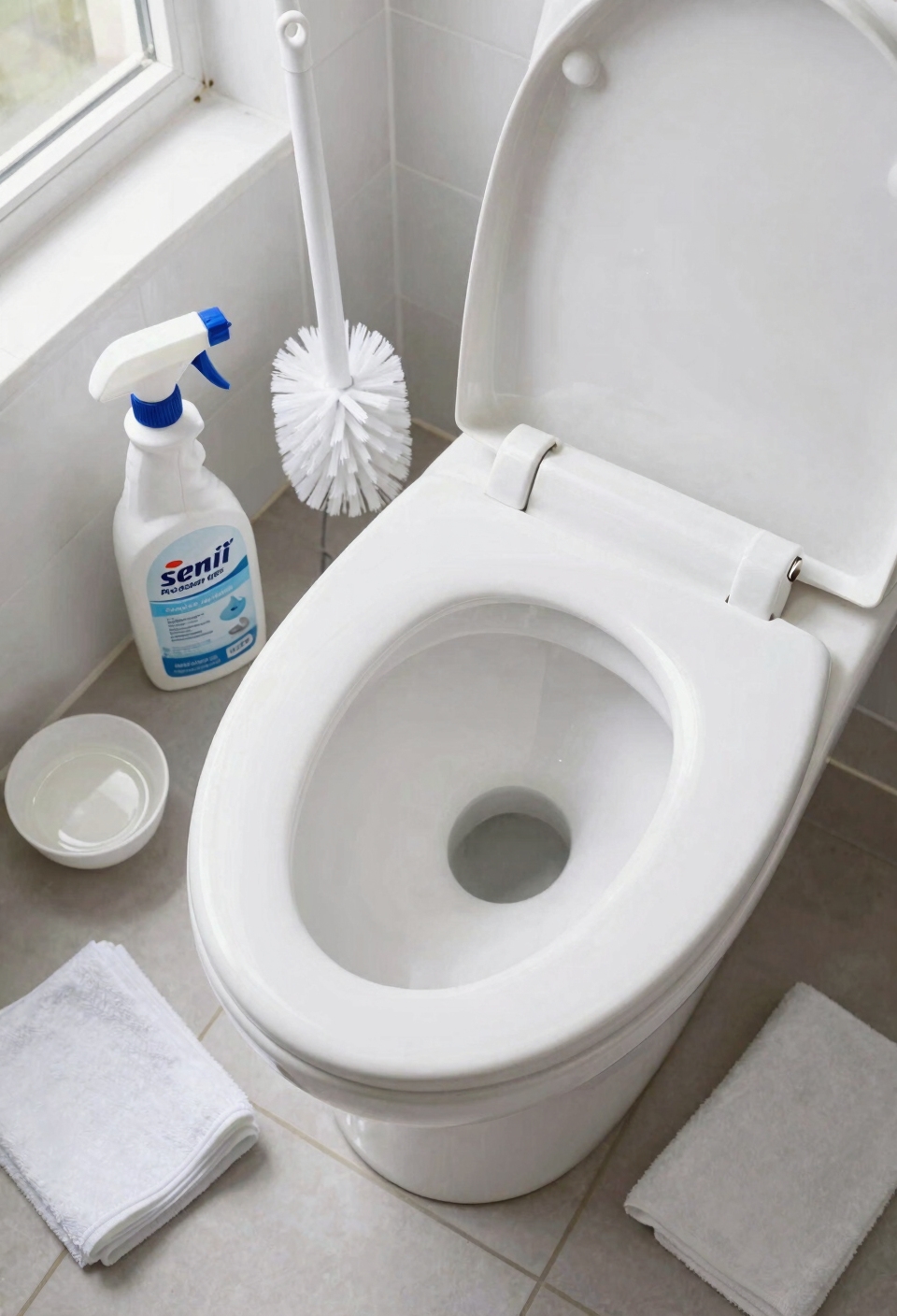
Weekly cleaning’s honestly the most underrated limescale defense you’ve got—I mean, sure, it sounds boring compared to those heavy-duty removal tricks, but consistency absolutely beats intensity when you’re trying to keep that bowl pristine. I’m talking a quick bleach swish every seven days, maybe grab a microfiber brush while you’re at it since those grab mineral deposits better than standard bristles. Set a schedule—Sunday nights work for me—and stick to it like clockwork. Bonus ventilation tips: crack that bathroom window during and after cleaning so fumes don’t linger, which honestly makes the whole experience less brutal. You’ll notice deposits never stand a chance when you’re hitting them weekly. For ongoing maintenance between deep cleans, consider using toilet cleaning tablets with sustained-release technology to keep limescale at bay with minimal effort. Seriously, prevention’s genuinely easier than playing catch-up later.
Water Softeners: Your Long-Term Prevention
While weekly cleaning‘s your first line of defense, I’ll be honest—you’re basically playing defense forever if your water’s naturally loaded with minerals, and that’s where water softeners come in as the real game-changer for long-term prevention. These systems use ion exchange technology to swap calcium and magnesium ions for sodium ones, effectively neutering hard water before it even hits your toilet. Now, you’ll need to stick to maintenance schedules—regular salt refills keep the whole operation running smoothly—but honestly, it’s minimal effort compared to scrubbing limescale weekly. I mean, if you’re in a genuinely hard water area, installing one eliminates the problem at its source. For stubborn mineral deposits that do accumulate, products with citric acid or vinegar can help dissolve buildup before water softener installation. You’re not just cleaning smarter; you’re preventing buildup entirely.
Recommended Products

✅𝗘𝗙𝗙𝗜𝗖𝗜𝗘𝗡𝗧 𝗪𝗔𝗧𝗘𝗥 𝗦𝗢𝗙𝗧𝗘𝗡𝗜𝗡𝗚: Our WECO UXC-1665 water softener system is designed to prevent mineral scale buildup on sinks, faucets, shower doors, and plumbing fixtures. This compact water softener reduces the need for frequent scrubbing and cleaning, making maintenance easier for residential and commercial spaces.

Point-Of-Entry (POE) whole house residential/commercial hydrogen sulfide and iron removal system for community and well water supplies.

Delivers cleaner, smoother water throughout your entire home, enhancing everyday moments from showering and cooking to drinking and cleaning
Professional Water Treatment for Severe Cases
Now, if you’ve let limescale build up to the point where home remedies and weekly scrubbing aren’t cutting it—we’re talking thick, stubborn deposits that’ve basically calcified into your porcelain—you might be looking at professional water treatment systems that go way beyond your standard water softener. These heavy-duty setups use ion exchange technology to strip minerals before they ever reach your toilet, or template assisted crystallization methods that basically transform calcium into harmless crystals that won’t stick. For those dealing with severe hard water issues in remote bathrooms or basements, combining water treatment with macerator pump systems can prevent limescale from accumulating in complex plumbing configurations where traditional drainage isn’t feasible. I’ll be honest: they’re pricey, but if you’re in a severe hard water zone and tired of constant cleaning, they’re genuinely worth considering. You’re fundamentally paying to never deal with limescale again, which beats endless scrubbing any day.
Recommended Products

Complete Twin tank water softener provides continuous soft water
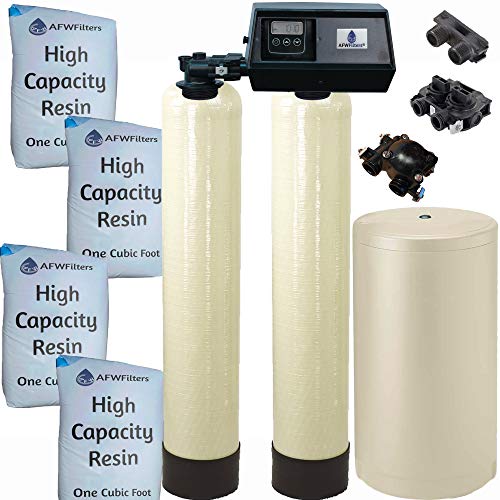
Dual alternating tanks never run out of soft water

KDF 85 Filtration: Removes TDS, Sediments, and Bad Taste from Water
Quick Daily Habits That Prevent Buildup
Professional water softeners are fantastic if you’ve got the budget, but here’s the thing—you don’t actually need to drop thousands of dollars to keep limescale from accumulating in the first place. I’m sure you’ve noticed how a quick rinse after each use makes a real difference. That’s literally it. A daily wipe of the waterline with toilet paper prevents mineral deposits from settling and hardening. These tiny habits compound over time. You’re basically staying ahead of the problem before it becomes a crusty nightmare you’ll need aggressive cleaners to tackle. Obviously, this won’t eliminate limescale entirely if you’re living in a hard water area, but it’ll drastically slow buildup. For extra protection without the manual work, in-tank toilet cleaners provide continuous automatic cleaning action that targets mineral deposits and prevents buildup between manual cleans. Think of it as preventative maintenance instead of damage control.
Understanding the Role of Evaporation in Limescale Formation
When water sits in your toilet bowl and then evaporates, you’re watching the exact moment limescale decides to move in and set up camp. Here’s the thing—evaporation concentrates those minerals left behind, and that’s where your trouble starts. I’m sure you’ve noticed how the waterline gets hit hardest, right? That’s because airflow patterns around your bowl create hot spots where water disappears faster, leaving calcium and magnesium crystallized on the porcelain. Surface tension plays a role too, fundamentally gluing those minerals to your bowl’s surface as the water vanishes. The less frequently you flush or clean, the more evaporation cycles happen, and the thicker that chalky deposit becomes. Basically, stagnant water plus heat equals limescale central. To combat this buildup, many people turn to pumice stone products that effectively remove hard water stains and mineral deposits without requiring heavy scrubbing.
When to Call a Professional for Persistent Hard Water Issues
At some point, you’ve probably realized that your DIY vinegar-and-scrub routine isn’t cutting it anymore—the limescale keeps coming back thicker and faster than you can kill it off. That’s when you need a professional plumbing inspection. I mean, if you’re battling buildup constantly despite regular cleaning, your hard water situation’s likely beyond what household cleaners can handle.
A plumber can run mineral testing on your water supply, which tells you exactly what you’re dealing with—calcium levels, magnesium content, the whole picture. They’ll identify whether your pipes themselves are compromised or if a water softener system is actually your best move. Sometimes the issue’s deeper than surface deposits; it’s your entire system working against you. That’s worth knowing before you waste another bottle of Bar Keepers Friend.
Frequently Asked Questions
Can Limescale Damage My Toilet’s Internal Plumbing or Tank Components Over Time?
Yes, I’m concerned limescale can damage your toilet’s internal components. It causes corroded seals and valve deterioration over time, reducing efficiency and potentially leading to costly repairs if you don’t address buildup regularly.
Is Limescale Formation Faster in Bathrooms With Multiple Toilets or High Usage?
Yes, I’d say limescale forms faster with high toilet frequency and multiple units because increased water flow means more mineral deposits. Your water chemistry remains constant, but greater usage accelerates buildup markedly.
Do Certain Toilet Bowl Shapes or Designs Accumulate Limescale More Easily Than Others?
Yes, I’ve found that toilet designs with gentler bowl curvature trap minerals like water pooling in valleys, while poor glaze quality creates rough surfaces where deposits cling stubbornly. You’ll notice buildup accelerates accordingly.
Can I Use Vinegar and Bleach Together Safely to Remove Stubborn Limescale?
I’d strongly advise against mixing vinegar and bleach—they create toxic chlorine gas. I recommend using vinegar alone for limescale removal, or bleach separately. These vinegar safety and bleach reactions matter for your health.
How Long Does It Take for Limescale to Return After Thorough Cleaning?
Limescale returns like clockwork—typically within one to three weeks, depending on your water hardness. I’d recommend weekly cleaning to stay ahead. Higher mineral content means faster buildup, so adjusting your cleaning frequency is key.
Conclusion
Look, I’m not going to lie—limescale is like that uninvited guest who keeps showing up no matter how many times you change the locks. You can’t totally stop hard water’s relentless march, but you can absolutely slow its invasion. Weekly cleaning, acidic cleaners, and smart habits? They’re your best defense. Stay vigilant, and you’ll keep your toilet looking fresh instead of crusty.