As an Amazon Associate, we earn from qualifying purchases. Some links on this site are affiliate links at no extra cost to you. Our recommendations are based on thorough research and editorial judgment.

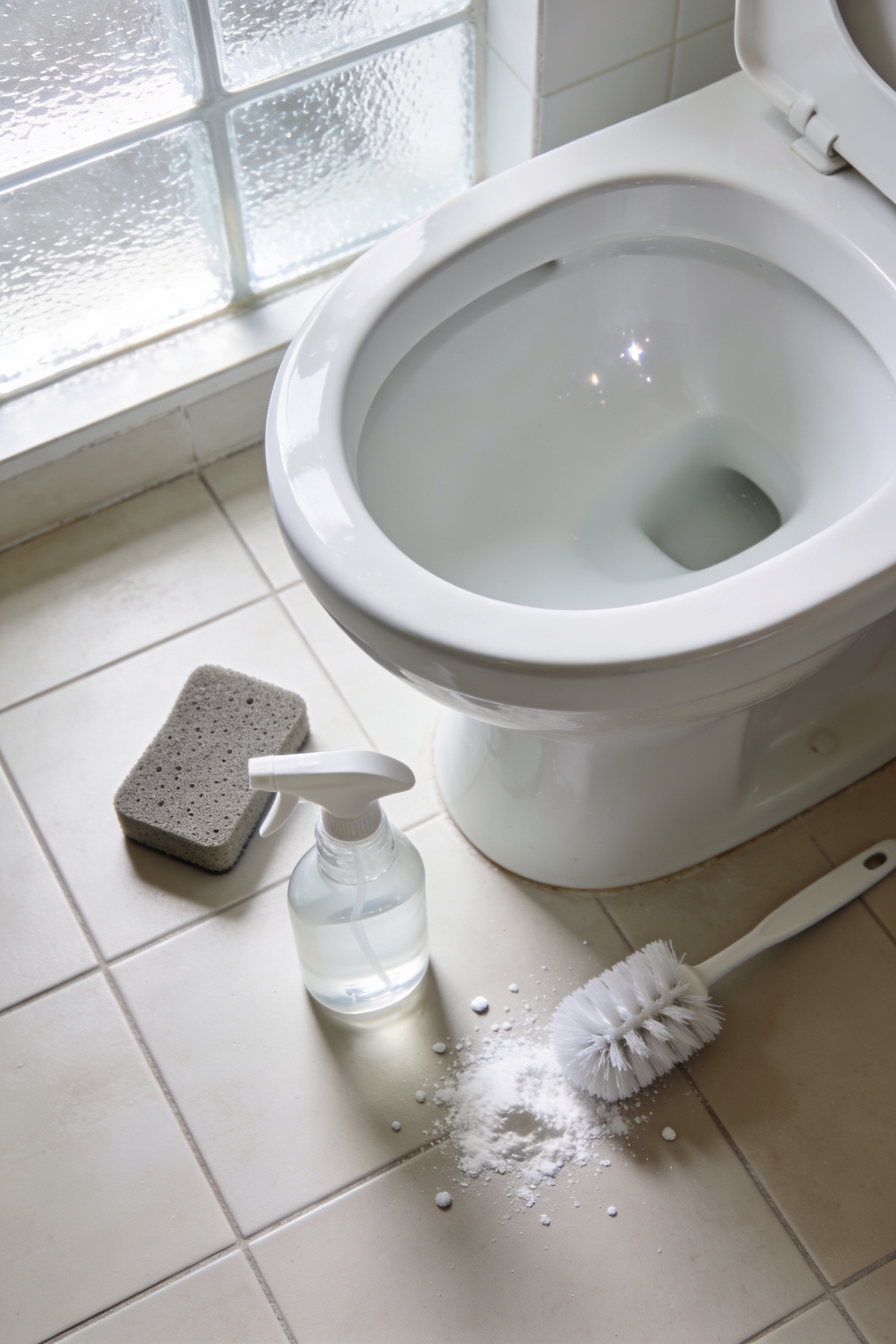
3 Best Ways To Stop Toilet Bowl Rings

I’m sure you’ve noticed that toilet bowl rings aren’t really a cleaning problem—they’re a prevention problem. The three best ways to stop them before they start? Daily swishing with a toilet brush at the water line, positioning a rim hanger directly under the rim for continuous activation with each flush, and honestly, just staying on top of it so you’re not scrubbing like mad later. Prevention reduces the need for frequent heavy cleaning, but if you’ve already got rings, there’s a whole arsenal of approaches worth considering.
Key Takeaways
- Daily toilet brush swishing at the water line every one to two days prevents mineral deposits from forming.
- Rim hangers provide continuous activation with each flush to prevent mold, bacteria, and scale buildup effectively.
- Vinegar and baking soda create a safe, non-toxic fizzing action that breaks down mineral deposits naturally.
- Commercial acid-based cleaners like Lysol Power dissolve hard water stains quickly with minimal scrubbing effort required.
- Enzymatic treatments break down calcified deposits at the molecular level when standard methods fail to remove rings.
Stop Toilet Rings Before They Start: Daily Prevention Habits
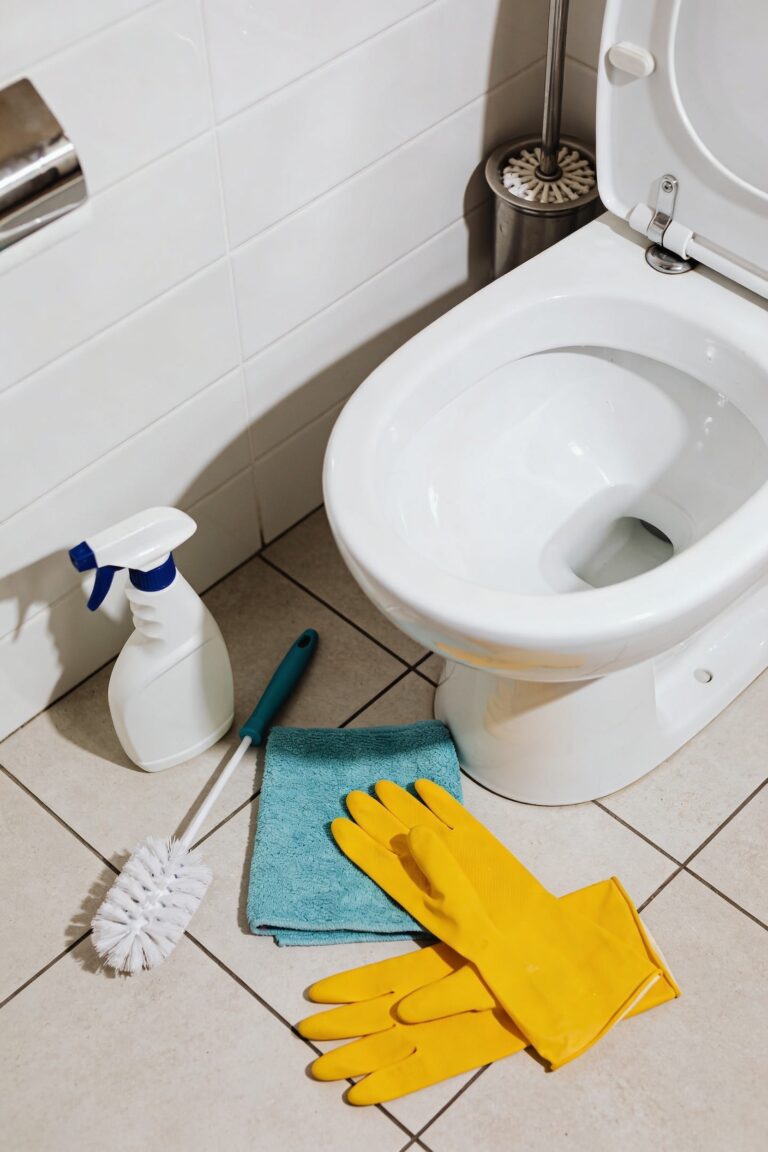
Here’s the thing about toilet rings—I’m sure you’ve noticed they seem to appear overnight, like some kind of mineral-based magic trick nobody asked for, and honestly, the best way to deal with them is to stop them before they even start. I’m talking about a daily swish with your toilet brush at the water line every one or two days. Seriously, that’s it. You’re breaking up mineral deposits before they’ve got a chance to stick around like unwanted houseguests. Now, if you want to level up, grab a rim hanger. These things activate continuously with each flush, preventing mold, bacteria, and scale buildup for weeks. For best results, ensure your rim hanger has a secure clamp that grips firmly without scratching surfaces and positions the cleaner directly under the rim for consistent distribution. I mean, you’re already flushing anyway, right? Might as well let the rim hanger do its thing while you’re at it. Prevention beats scrubbing every time.
Remove Rings Fast: Vinegar-Baking Soda vs. Pumice Stone vs. Commercial Cleaners
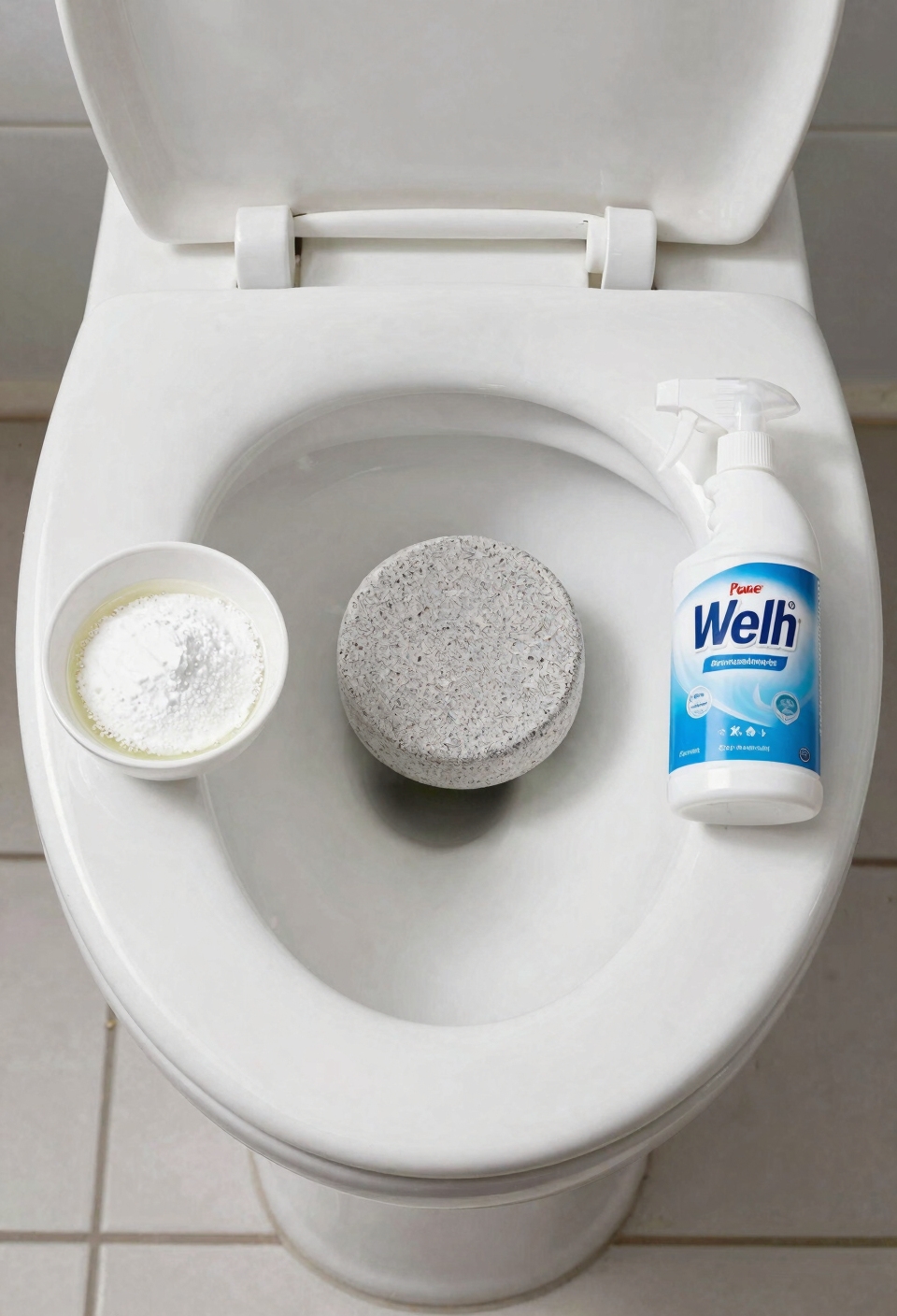
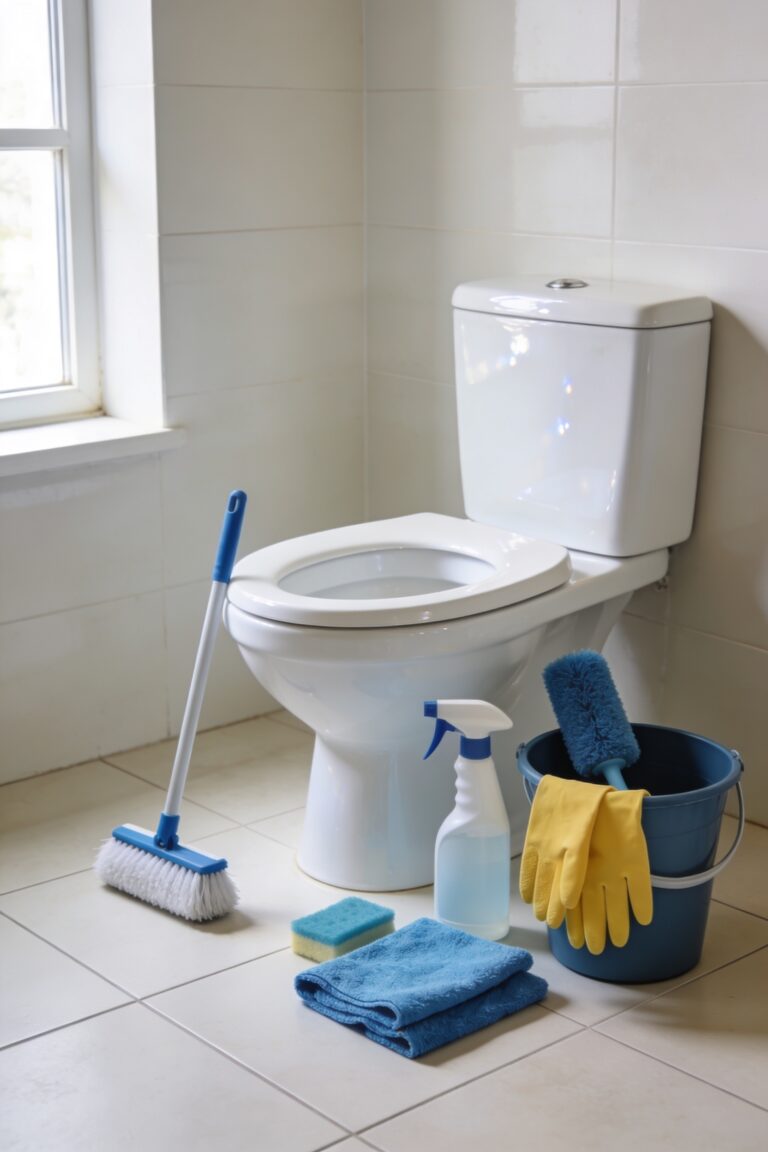
So you’ve got a ring that’s stuck around like it’s paying rent, and prevention didn’t happen—maybe you just moved in, maybe life got busy, I don’t know. Here’s the deal: I’m sure you’ve noticed the vinegar technique works solid for moderate rings. Pour a cup in, let it sit thirty minutes, then sprinkle baking soda over it. The fizz breaks down minerals safely, which I genuinely appreciate since you’re not poisoning your family. For stubborn rings though, pumice care is your elbow-grease option—wet the stone and bowl thoroughly, scrub lightly to avoid porcelain damage. Now, if you want speed with minimal effort, commercial cleaners like Lysol Power or Lime-A-Way dissolve deposits quickly, though honestly, they’re chemical-heavy compared to the natural approach. For hard water stains specifically, acid-based cleaners with extended surface contact work faster than vinegar alone.
Recommended Products

Quickly Removes Rust, Dissolves Organic Stains And Cleans Hard Water Residue

Fast-acting solution quickly kills bacteria from surfaces

PACK OF 2 PUMIE SCOURING STICKS – Includes two heavy-duty cleaning pumice stones designed for deep cleaning where ordinary products fail. Effectively removes limescale, mineral deposits, rust buildup, and baked-on grime, making it a must-have tool for tackling the toughest messes in kitchens, bathrooms, and utility spaces
Tackle Stubborn Stains: When Standard Methods Need Backup
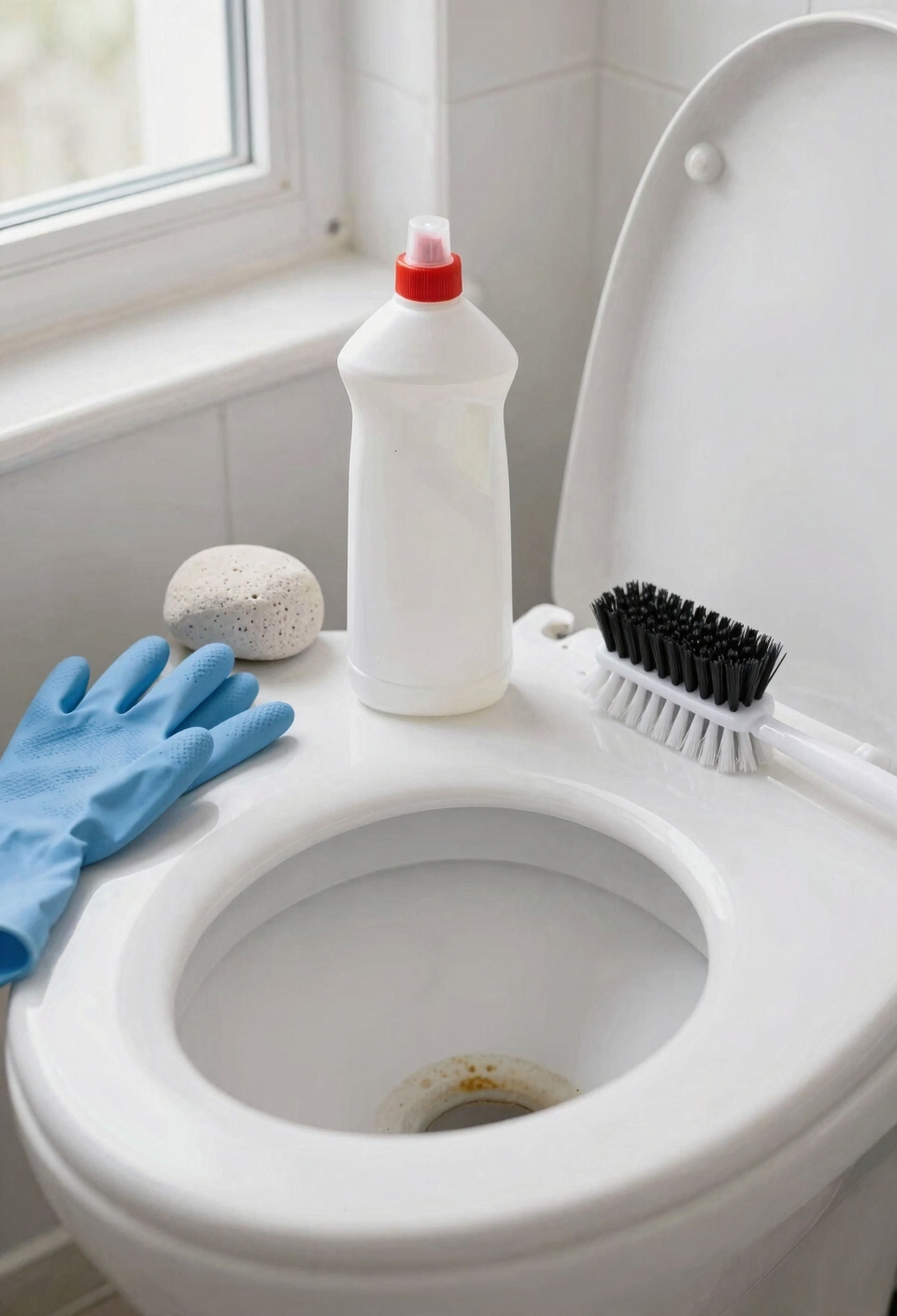
When the vinegar fizzes and the pumice stone does nothing but scratch your nerves along with potentially your bowl, you’re dealing with what I’d call a mineral fortress—the kind of ring that’s basically calcified itself into your porcelain like it owns the place.
That’s when enzymatic treatments become your secret weapon. These cleaners break down mineral deposits at a molecular level, which is way more effective than scrubbing alone. I’m sure you’ve noticed that some rings simply won’t budge, and honestly, that’s your cue to upgrade. Look for products with biodegradable surfactants and natural acids like citric acid or lactic acid, which deliver strong cleaning power without the harsh effects of chemical alternatives.
If enzymatic treatments still fail, you’re looking at professional resurfacing—basically admitting defeat and calling in specialists who refinish the bowl itself. Not ideal for your wallet, but sometimes that ring’s won and you’ve got to respect the game.
Recommended Products

POWERFUL BIO-ENZYMATIC CLEANING: Formulated with select strains of natural bacillus bacteria, enzymes, and odor neutralizers to break down urine, vomit, feces, and organic waste at the molecular level. Combines bacillus bacteria, enzymes, surfactants, and odor neutralizers for superior cleaning power, eliminating odors at the source rather than masking them.

POWERFUL BIO-ENZYMATIC CLEANING: Formulated with select strains of natural bacillus bacteria, enzymes, and odor neutralizers to break down urine, vomit, feces, and organic waste at the molecular level. Combines bacillus bacteria, enzymes, surfactants, and odor neutralizers for superior cleaning power, eliminating odors at the source rather than masking them.

Use on toilet bowls and urinals to clean common restroom soils, rust deposits and scale
Frequently Asked Questions
Can Toilet Bowl Tablets Harm Plumbing Systems, and Why Do Manufacturers Advise Against Them?
Yes, bowl tablets harm your plumbing. I’d avoid them because they cause chemical leaching into pipes and seal degradation. Manufacturers warn against them since they can corrode internal components and compromise your system’s integrity over time.
What Specific Type of Pumice Stone Should Be Used to Avoid Scratching Porcelain?
I’d recommend you use a soft pumice stone specifically designed for toilets—it’s non-abrasive and won’t damage your porcelain. Look for toilet-specific pumice with a handle for safer, easier scrubbing without hand contact.
How Does Hard Water Contribute to Toilet Ring Formation Compared to Soft Water?
I’ve watched hard water leave chalky residue on my shower door while soft water areas stay pristine. Hard water’s mineral deposition and alkalinity effects create stubborn rings; soft water won’t.
Are There Safety Concerns When Combining Vinegar With Other Cleaning Products?
I’d strongly warn you against mixing vinegar with bleach or ammonia-based cleaners—vinegar reactions create toxic chlorine gas that’s genuinely dangerous. Stick with vinegar alone or commercial products, never combine them.
How Long Do Rim Hanger Devices Typically Last Before Needing Replacement?
I’ve found rim hangers typically last up to four weeks, though lifespan variability depends on water quality and usage frequency. Material degradation accelerates in hard water, so you’ll replace yours sooner if minerals accumulate rapidly.
Conclusion
you’ll spend weeks preventing toilet rings with daily habits, only to discover one appeared anyway while you weren’t looking. Then you’ll blast it with vinegar, baking soda, or whatever miracle cleaner you grabbed. And it’ll work. You’ll feel like a genius. Until next month when you’re back here, doing it all over again. That’s not a problem you solve—it’s just life with a toilet.