As an Amazon Associate, we earn from qualifying purchases. Some links on this site are affiliate links at no extra cost to you. Our recommendations are based on thorough research and editorial judgment.

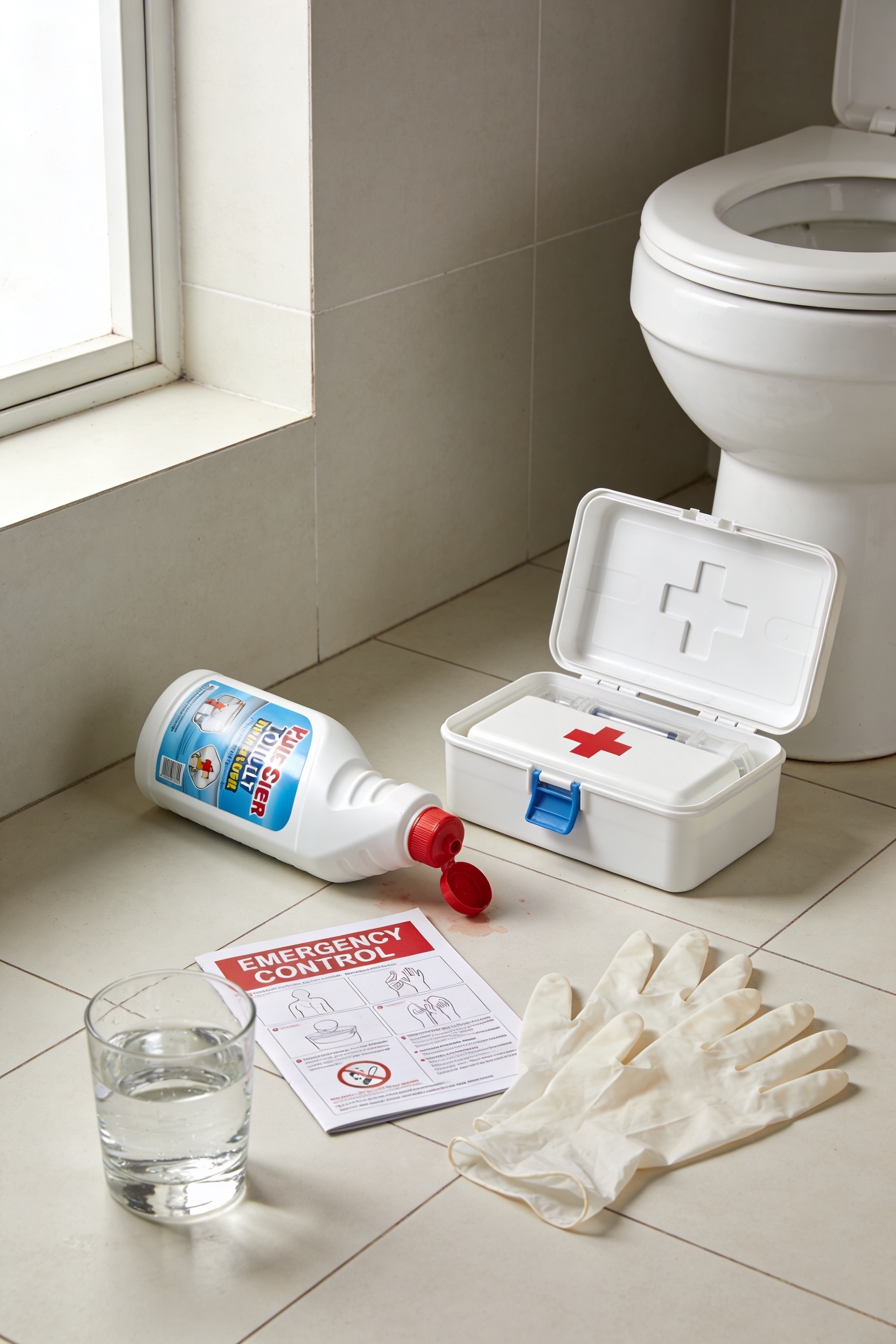
Why Does Toilet Cleaner Need Immediate Medical Response?

Look, toilet cleaner toxins—especially when you mix bleach with ammonia or acid—create gases that wreck your lungs in minutes, and here’s the thing: damage keeps happening even after you leave the room. Your airway can swell up hours later without warning, cutting off your breathing fast. Delaying medical help means those fumes keep destroying lung tissue while you’re sitting around hoping it’ll pass. Poison control or 911 needs to happen immediately because respiratory damage from these chemicals doesn’t always announce itself upfront—and permanent scarring is genuinely possible.
Key Takeaways
- Toilet cleaner chemicals mixed with other products create toxic gases causing rapid respiratory distress and airway swelling.
- Inhalation injuries worsen over time; delayed treatment allows irreversible lung damage, scarring, and potential respiratory failure.
- Symptoms may appear absent initially but escalate suddenly hours later, requiring immediate medical evaluation and intervention.
- Chemical burns progress while waiting; early medical care prevents complications like pulmonary edema and permanent lung damage.
- Vulnerable populations including children and pets suffer severe permanent damage from single exposures due to smaller lung capacity.
Why Mixing Bleach and Ammonia Creates Fatal Fumes
Look, if you’ve ever wondered why bathroom cleaning feels like you’re one wrong move away from a chemistry disaster, it’s because you basically are—and I’m not exaggerating here. When bleach meets ammonia, you’re creating chloramine gas, which is basically your lungs’ worst nightmare. I mean, the reaction happens fast, and suddenly you’re dealing with chest pain and that suffocation feeling that’ll make you panic.
Here’s the thing: you’ve got enzyme neutralization methods available, but honestly, prevention beats treatment every single time. That’s why household ventilation strategies matter so much—crack that window, run the exhaust fan, keep air moving. Don’t mix cleaners, period. Most bleach toilet cleaners require 5-15 minutes of contact time for optimal results, so plan your cleaning routine carefully to avoid rushing and combining products by accident. Your bathroom’s not a lab, and your family deserves to breathe easy during cleaning day.
Recommended Products

POWERFUL CLEAN, NO HARSH CHEMICALS Effectively cleans toilet bowls and helps remove stains and buildup using a plant-based formula—without chlorine bleach, phosphates, or harsh fumes.

Fast-acting solution quickly kills bacteria from surfaces

Aunt Fannie’s Toilet Bowl Cleaner: Our bleach-free formula removes tough stains, toilet bowl rings, mineral buildup, and odor, leaving a sparkling finish
How Bleach and Acid Exposure Trigger Respiratory Emergencies
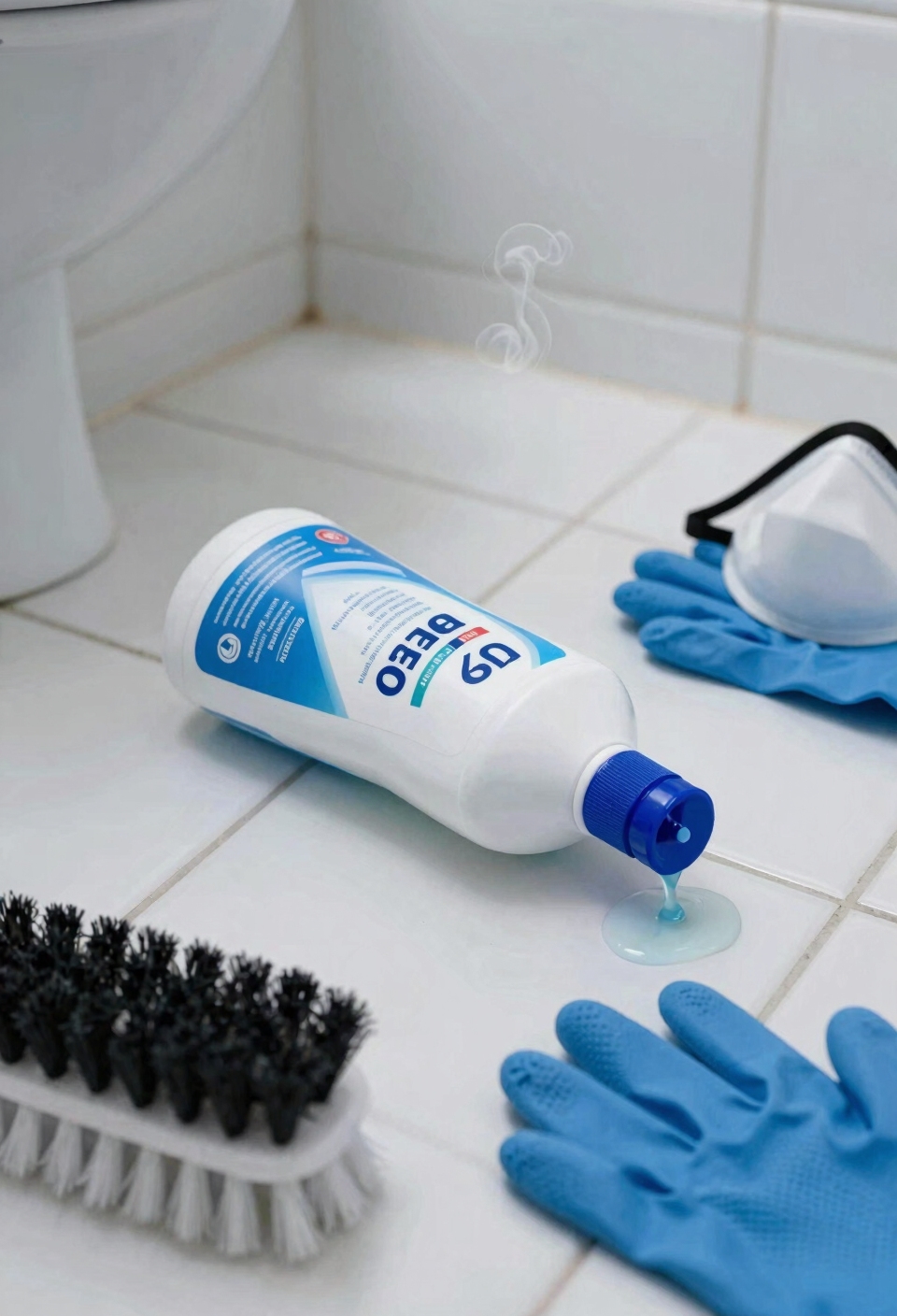
Now here’s where things get genuinely scary—bleach and acid don’t just create one bad situation, they create several overlapping ones that’ll mess with your respiratory system in ways that go way beyond typical cleaning irritation. When you inhale those fumes, you’re triggering immediate respiratory inflammation that can escalate fast. Your airways experience hyperresponsiveness—basically, they’re suddenly overreacting to everything, tightening up, making you wheeze like you’ve never wheezed before. I’m sure you’ve noticed how quickly your throat gets raw and your breathing turns shallow. The problem is that this isn’t just temporary irritation. You’re looking at potential bronchospasm, pulmonary edema, or even Reactive Airway Dysfunction Syndrome that can permanently damage your lungs. Never mix hydrochloric acid cleaners with bleach or other products to avoid creating toxic chlorine gas that accelerates these respiratory dangers. That’s why getting medical help immediately matters—delays genuinely worsen outcomes.
Recommended Products

ADVANCED RESPIRATORY PROTECTION: This full face respirator mask bundled with filters offers comprehensive protection from organic vapors and particulates, ideal for painting, coating, agriculture, construction, manufacturing, wildfires, mining, epoxy resin, metal work, and automotive care.

ULTIMATE PROTECTION AND COMFORT WITH A LIGHTWEIGHT AND ERGONOMIC MASK - Keep your eyes and face safe in any environment with a thick lens shield and airtight silicone seal lock that protects you from fumes, debris and particulates so you can focus on the task at hand without worrying about your safety. This respirator mask won’t dig into your skin when worn and allows you to stay cool with an airflow valve designed to reduce the humidity and heat build-up inside the mask.

Full Face Protection for Vapor, Dust & Eye Safety :BEESAFETY RF-610 full face respirator mask provides complete protection for both respiratory system and eyes, helping reduce exposure to organic vapors, paint fumes and airborne particles such as dust and sanding debris. Ideal for painting, sanding, resin work and construction environments where full face protection is required
How Chloramine and Chlorine Gas Permanently Damage Your Lungs
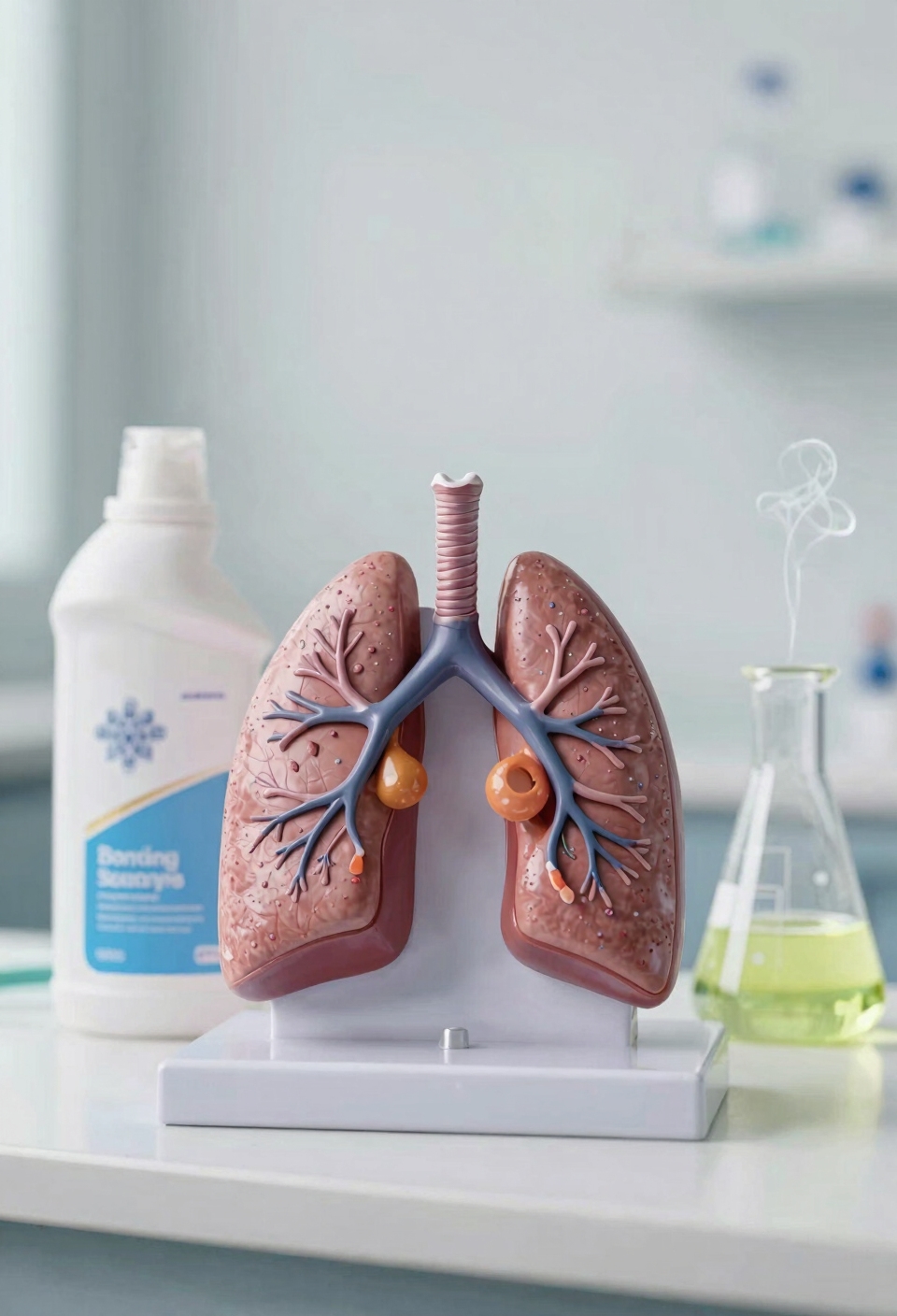
When bleach mixes with ammonia or acids, you’re not just getting bad fumes—you’re creating chloramine and chlorine gas, which don’t just irritate your lungs temporarily and then bounce back. These gases cause real, lasting damage at the cellular level. You’re looking at alveolar destruction—those tiny air sacs in your lungs where oxygen exchange happens literally breaking down. Over time, repeated exposure or even a single severe incident can trigger pulmonary fibrosis, where your lung tissue scars and hardens, making breathing progressively worse. I mean, you go from wheezing after one cleaning incident to potentially needing supplemental oxygen years later. That’s not something you bounce back from. Your lungs don’t heal like skin does. Always ensure proper ventilation when using strong chemical cleaners to minimize inhalation risks. Call poison control immediately if you’ve mixed cleaners.
Recommended Products
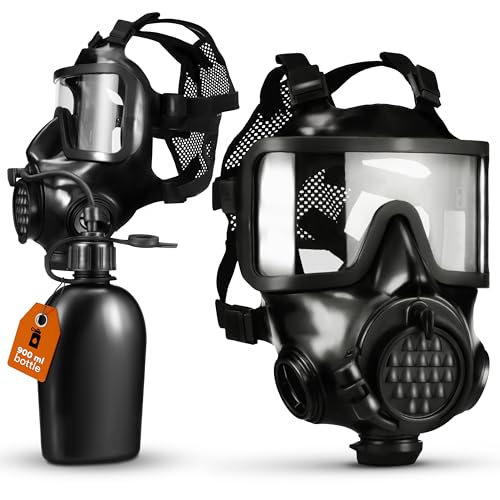
TOP-NOTCH MILITARY GRADE EQUIPMENT - This next-gen CBRN mask was specially engineered to meet and exceed the strictest military requirements. Combined with an appropriate filter, it can provide trusted protection from a full spectrum of toxic industrial chemicals (TIC) and chemical warfare agents (CWA) including chemical, biological and nuclear threats such as radioactive dust, noxious gases, vaporized pollutants, and more.

LARGE LENS: Helps provide wide view for excellent peripheral vision. Scotchgard protector on lens for improved pain and stain resistance

INCLUDE: MIRA SAFETY Certified CBRN NBC Mask Full-Face Respirator CM-6M, Water Bottle-Canteen, Installed Drinking System and Speech Diaphragm BE PREPARED FOR ANY NUCLEAR, CHEMICAL OR BIOLOGICAL DANGER with the MIRA Safety ultimate CM-6M mask for kids and adults! The robust construction combined with the elite full face design will offer you MAXIMUM PROTECTION against harmful gases or other substances! When it comes to a potential attack, it’s better to be safe than sorry!
Why Children and Pets Face Greater Risk
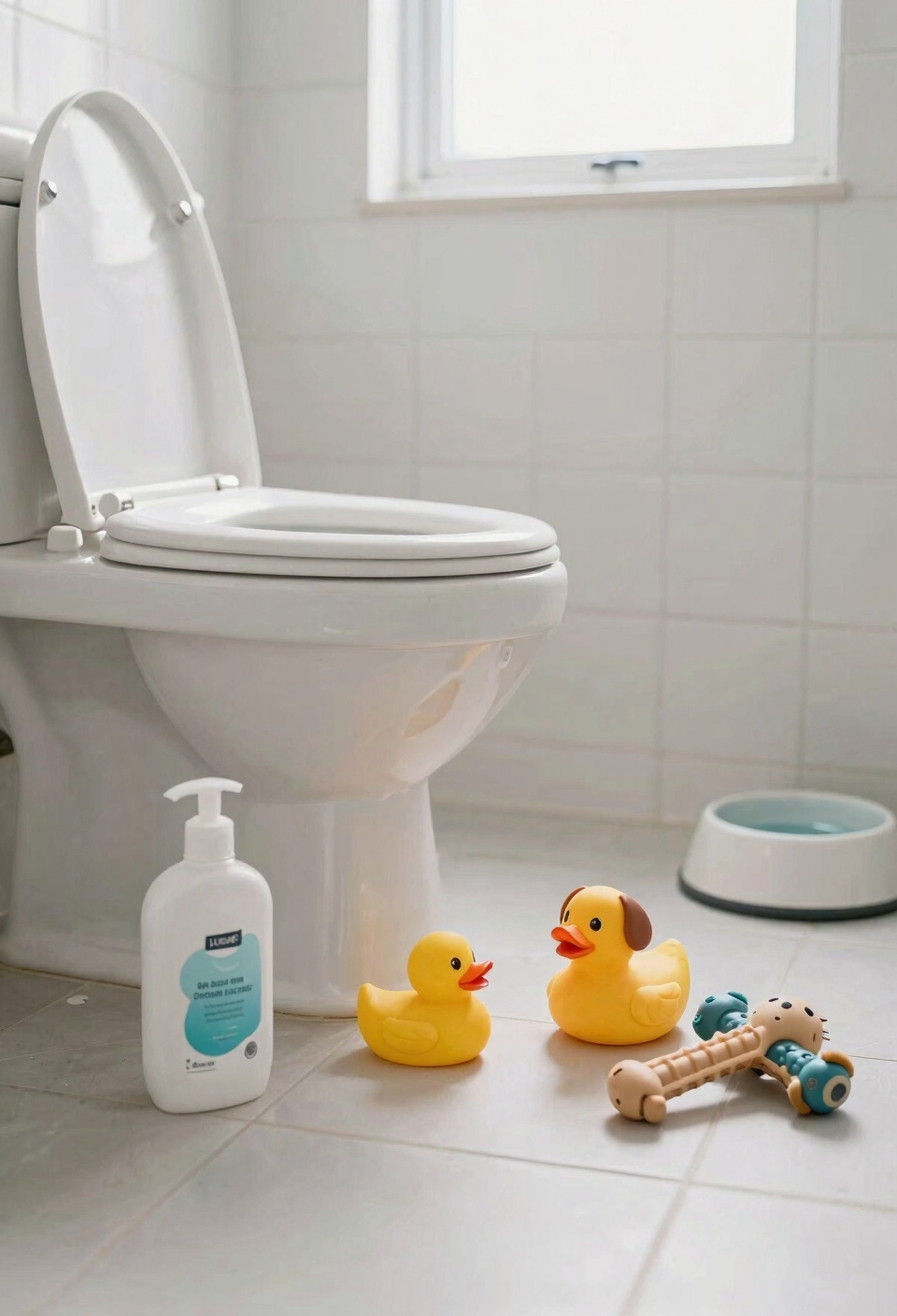
Your kids and pets are basically living in a chemical minefield you might not even realize you’ve set up, and here’s why: their bodies are smaller, their lungs are still developing, and they’re spending way more time closer to the floor where fumes actually concentrate. I mean, while you’re standing up breathing relatively cleaner air, your toddler’s crawling through a toxic soup. Their playpen hazards multiply when you’re mixing cleaners nearby—curiosity prevention only goes so far with kids who touch everything. Pets literally live at ground zero, inhaling concentrated fumes for hours after you’ve cleaned. Their developing respiratory systems can’t handle what adult lungs barely tolerate. One exposure? That’s potentially permanent lung damage we’re talking about. Consider switching to non-toxic and septic-safe cleaners specifically formulated to protect vulnerable family members while still maintaining effective cleaning power. It’s not paranoia; it’s just basic biology working against you.
Bleach Residue and Eye/Skin Damage Requiring Urgent Care
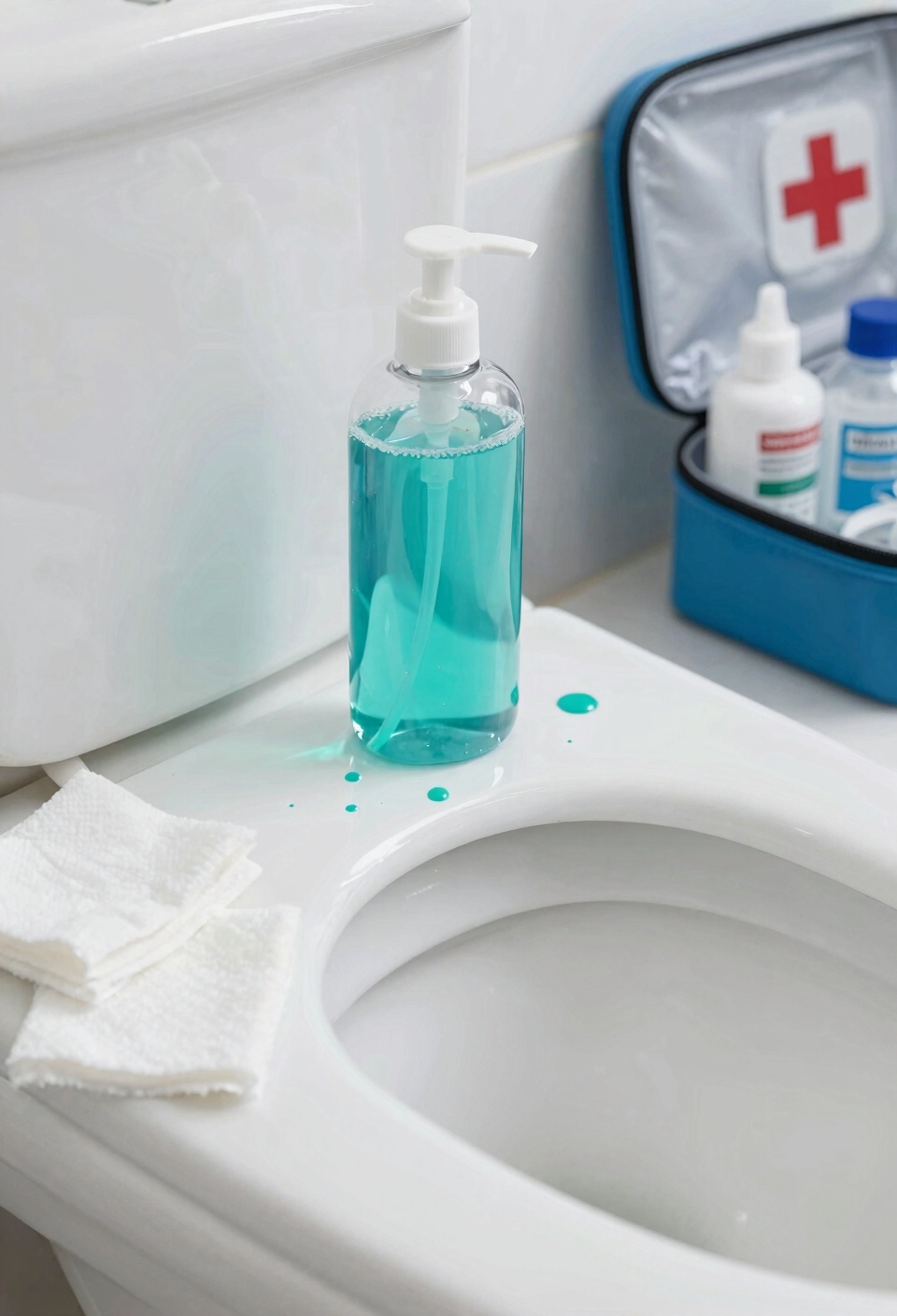
Because bleach doesn’t just evaporate and disappear like you might hope, it leaves behind a residue that’ll stick around on your toilet seat, the rim, even the floor around the base—and that’s where things get genuinely uncomfortable fast. I’m sure you’ve noticed that watery-eye feeling after cleaning, right? That’s your body flagging a problem. The residue opacity makes it hard to spot what you’re actually touching, which means you’ll transfer that stuff to your hands, your face, maybe your kid’s skin without realizing it. That’s dermal sensitization in action—your skin gets increasingly reactive. You’re looking at burns, irritation, corneal ulcers if it hits your eyes. Protective gear like rubber gloves, safety goggles and proper ventilation are essential safeguards to prevent these injuries during and after cleanup. Honestly, this is why you need urgent care fast and proper ventilation during cleanup.
Why Swallowing Bleach Causes Corrosive Burns and Internal Bleeding
Now here’s where things get genuinely dark—and I mean that literally, because the damage happens inside your body where you can’t see it happening. When you swallow bleach, you’re fundamentally drinking a chemical that immediately starts destroying tissue it touches. We’re talking mucosal necrosis—the lining of your mouth, throat, and stomach literally dying. The bleach triggers coagulation saponification, which sounds technical but basically means your body’s proteins break down and liquefy. You get internal bleeding, perforations through your esophagus and stomach walls, potential shock. Never mix HCl cleaners with bleach-based products, as dangerous gas formation creates additional toxicity risks that compound the harm. I’m not exaggerating when I say this becomes a surgical emergency fast. Delayed treatment means infection sets in, organ failure follows. Your best move? Don’t mix cleaners, keep toilet bowl cleaners sealed, locked away from kids and pets. Call poison control immediately if ingestion happens.
Recognizing When You Need Emergency Medical Help
When you’re dealing with toilet cleaner exposure, the trick is knowing which symptoms mean you need to dial 911 right now versus which ones you can handle at home with some fresh air and common sense. I’m sure you’ve noticed that breathing problems, chest pain, or difficulty swallowing demand immediate emergency attention—don’t mess around with those. Symptom recognition matters here: if you’re coughing or your throat feels scratchy, get home ventilation going and monitor yourself closely. Now, if things escalate to wheezing or that suffocation feeling, that’s your emergency threshold. Honestly, with long term monitoring in mind, even minor respiratory irritation warrants a poison control call at 1-800-222-1222. Speed genuinely determines recovery outcomes with these chemicals. When selecting toilet cleaners for your home, choosing septic-safe formulations without harsh chemicals like chlorine and ammonia can reduce the risk of accidental exposure and inhalation hazards in the first place.
Why Every Minute Counts: How Delays Cause Permanent Lung Damage
Every minute you delay calling for help after toilet cleaner exposure is a minute those toxic fumes are doing irreversible damage to your lungs, and I mean that literally—the chemical burns don’t pause while you’re deciding whether things are “bad enough” to warrant an ambulance. Here’s the thing: delayed inflammation is sneaky. You might feel okay initially, then suddenly your airways swell shut. Cumulative exposure compounds the problem too. Even if you’ve survived previous exposures, this one might be the hit that triggers Reactive Airway Dysfunction Syndrome—permanent asthma-like symptoms. Products like CREW Heavy Duty Toilet Bowl Cleaner, which contain 23% hydrochloric acid for heavy-duty cleaning, pose particularly severe risks when inhaled or mishandled due to their high acid concentration. The faster you get medical attention, the better your outcome. Delays mean worse lung damage, throat scarring, potential permanent impairment. Don’t gamble. Call poison control or 911 immediately—I’m not exaggerating the stakes here.
First Aid for Bleach Fume Exposure While Waiting for Paramedics
You’ve called 911—good call—but those paramedics aren’t materializing instantly, and you’re standing in your bathroom with your lungs on fire, so let’s talk about what you’re actually supposed to do right now instead of just standing there panicking. First, get out. Leave the bathroom immediately and move outside or to fresh air—seriously, don’t linger. Remove clothing that’s contaminated with fumes or splatter. Open every window you can, create cross-ventilation like your life depends on it because it might. If you’ve got oxygen administration available nearby, use it. Avoid mixing cleaners with bleach or other chemical cleaners, as the risk of toxic fumes can intensify your exposure and breathing distress. Stay calm, breathe slowly through your mouth, and keep talking to the 911 dispatcher. Don’t go back inside that bathroom. Not once. The paramedics need to find you breathing, conscious, and away from the source.
Recommended Products

🙂- Dual-port design, compatible with both oxygen inhalation and nebulization functions simultaneously. Equipped with multiple specification adapters, it can be connected to various medical-grade oxygen concentrators and nebulizer machines.
NEWEST UPGRADED S700 DESIGN:Extended Pressure Gauge & Hands-Free Vest System | Monitor Air Supply Underwater & Secure Tank via Adjustable Vest | Effortless 1.9L Mini Scuba Tank Control for Diving/Snorkeling/Rescue

THE PERFECT FIRST RESPONSE BAG| Be Fully Stocked & Ready to Go in Case of Emergency! | High-Performance, HSA/FSA Approved Trauma & Bleeding Backpack Kit Includes Everything Professionals Need to Protect & Serve with Confidence including CAT Tourniquet, QuikClot 4x4 Dressing, HyFin Vent Chest Seal, Israeli Bandage & Oxygen Tank | Perfect for EMT, EMS, Fire, Police, Paramedics & Other Servicepeople | Extra Large Model Measures 22” x 14” x 8”
Poison Control or 911: Choosing the Right Number for Cleaning Product Exposure
All right, so you’ve got seconds to decide whether you’re calling Poison Control at 1-800-222-1222 or dialing 911, and I’m not gonna lie—it feels like choosing wrong could be the difference between “I’m gonna be fine” and “I’m gonna need surgery,” so let me cut through the panic for you. Here’s the poison protocol reality: call Poison Control first if you’re conscious, breathing, and thinking straight. They’re trained in emergency triage for chemical exposures and can guide you through next steps without unnecessary ambulance costs. Hit 911 immediately if you’re wheezing, can’t breathe, collapsed, or swallowed something. Basically, Poison Control handles the “I might be in trouble” calls; 911 handles the “I’m definitely in trouble” emergencies. When in doubt, call both. Toilet bowl cleaners vary significantly in chemical composition—some are non-acid formulations designed to be septic-safe, while others contain corrosive acids that pose greater toxicity risks and require different emergency protocols.
Recommended Products

Cleans toilets without splashes or spills etching your delicate stone surfaces

Quality construction keeps toilets and urinals hygienic and sanitary

Frequently Asked Questions
How Long Does Toilet Cleaner Remain Toxic in the Air After Bathroom Use?
I’ve found that toilet cleaner’s airborne persistence typically lasts up to two hours post-use. The vapor decay depends on ventilation—poor airflow extends toxic fume exposure markedly, creating hazardous indoor air quality conditions.
Can Toilet Cleaner Residue on Surfaces Harm Pets Walking Through the Home?
“An ounce of prevention’s worth a pound of cure.” Yes, I’m telling you pet exposure through surface contamination poses real danger—your pets’ paws absorb residue, causing prolonged irritation, burns, and potential poisoning when they groom themselves.
What Are the Long-Term Health Effects of Surviving a Severe Bleach Exposure Incident?
You’ll likely face chronic respiratory damage, including RADS and asthma. I’ve seen survivors develop neurological impairment, kidney dysfunction, and permanent lung scarring. Recovery’s prolonged; some effects don’t fully resolve.
Should I Ventilate the Bathroom Immediately After Using Toilet Cleaner to Reduce Fume Concentration?
Yes, you should immediately open windows and use a fan after using toilet cleaner. I’d recommend this ventilation strategy every time you clean to keep fume concentration low and protect your respiratory health.
How Can I Safely Dispose of Leftover Toilet Cleaner to Prevent Accidental Mixing Hazards?
Since 91% of doctors link acid-based cleaners to respiratory problems, I’d recommend you use proper neutralization before sealed disposal. Never pour leftovers down drains where they’ll mix with other substances.
Conclusion
Look, I get it—you probably didn’t think that bottle under your sink could actually kill you. But here’s the thing: toilet cleaners aren’t just inconvenient; they’re genuinely dangerous when mishandled. So what’s stopping you from treating them like the chemical weapons they basically are? Read labels, ventilate properly, and keep them locked away. Your lungs—and your family’s—depend on it.