As an Amazon Associate, we earn from qualifying purchases. Some links on this site are affiliate links at no extra cost to you. Our recommendations are based on thorough research and editorial judgment.

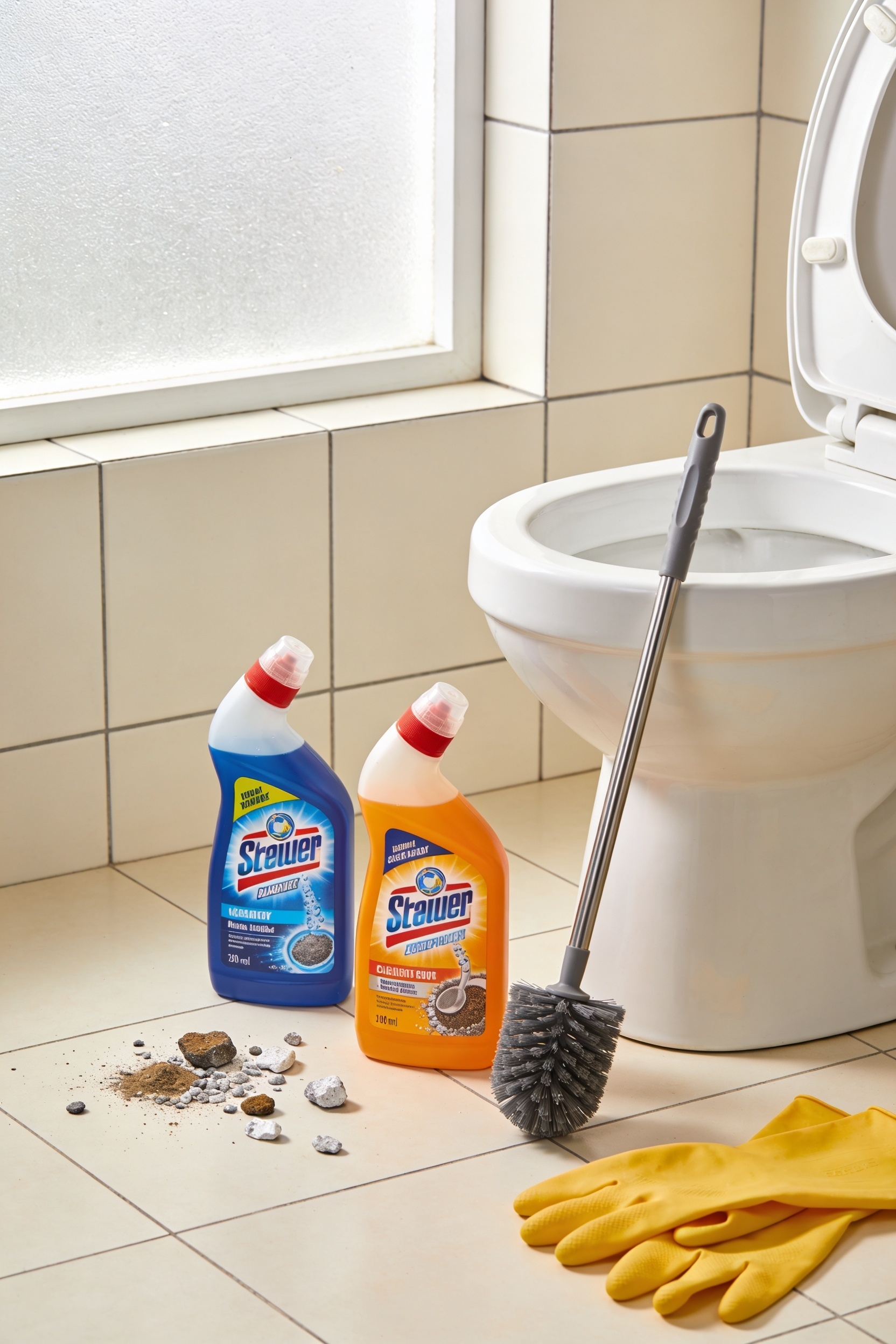
Why Do Some Toilet Bowl Cleaners Work Better?

better cleaners target where the stains actually are instead of just pooling chemicals in your tank. In-bowl cleaners stick around longer on the bowl’s surface, giving acids or enzymes time to dissolve mineral scale and organic buildup before dilution happens. Tank-based drops work fine for maintenance, but they’re basically constant low-level exposure that can corrode your internal parts. Direct delivery with thicker formulations—gels, pastes, under-rim applicators—beats raw chemical strength every single time. Understanding which delivery method matches your stain type makes all the difference.
Key Takeaways
- Delivery method matters: in-bowl cleaners target stains directly with longer contact time versus tank-based dilution.
- Chemical formulation effectiveness depends on matching acid strength to stain type—mineral scale needs acids; organic soils need alkalines.
- Thickened gels and foaming agents adhere better to vertical surfaces, extending chemical contact time on problem areas.
- Continuous-release products reduce manual scrubbing frequency but work best combined with occasional targeted scrubbing for stubborn deposits.
- Gentler plant-based formulas with citric acid and enzymes clean effectively while avoiding porcelain damage and internal corrosion risks.
Direct vs. Tank-Based Toilet Cleaners: The Real Difference
When you crack open your toilet tank and see what’s actually happening in there—all those rubber flapper valves, fill mechanisms, metal springs—you start to understand why delivery method matters way more than most people realize. Tank-based cleaners? They’re basically marinating your toilet’s guts in chemicals constantly. Direct bowl targeting delivery, though—that’s where the real magic happens. Your dispenser system shoots cleaner exactly where stains form, giving you rim coverage efficacy that tablets simply can’t match. The stuff never pools in your tank corroding metal parts. You get maximum contact time on soiled surfaces without premature dilution. It’s the difference between spraying pesticide everywhere versus targeting the actual bug. One works better and doesn’t wreck your toilet’s insides. Systems like in-bowl cleaning can extend to about 4 months of use, while tank-mounted alternatives require replacement every 2 months.
Recommended Products


【Electrical Outlet Necessary Luxury Elongated Smart Toilet with Tank】This smart toilet is an electric toilets with tank for bathroom and need plug ins. Never need to worry about water pressure or unstable water supply on high floors. This toilet power cord is 1.5M/4.92FT, please confirm your bathroom has an accessible outlet before purchasing.
Why Stronger Isn’t Always Smarter: Bleach vs. Natural Formulas
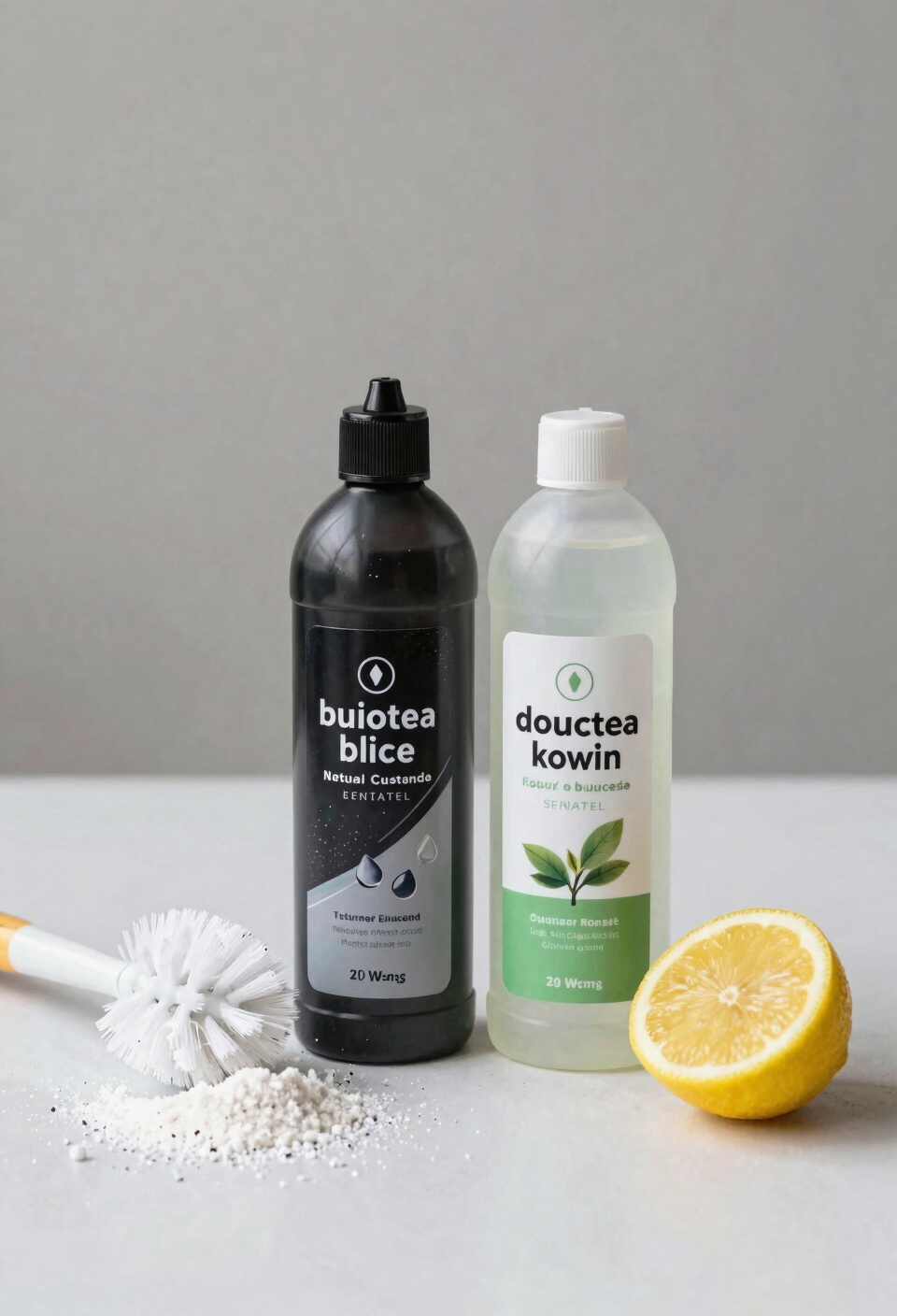
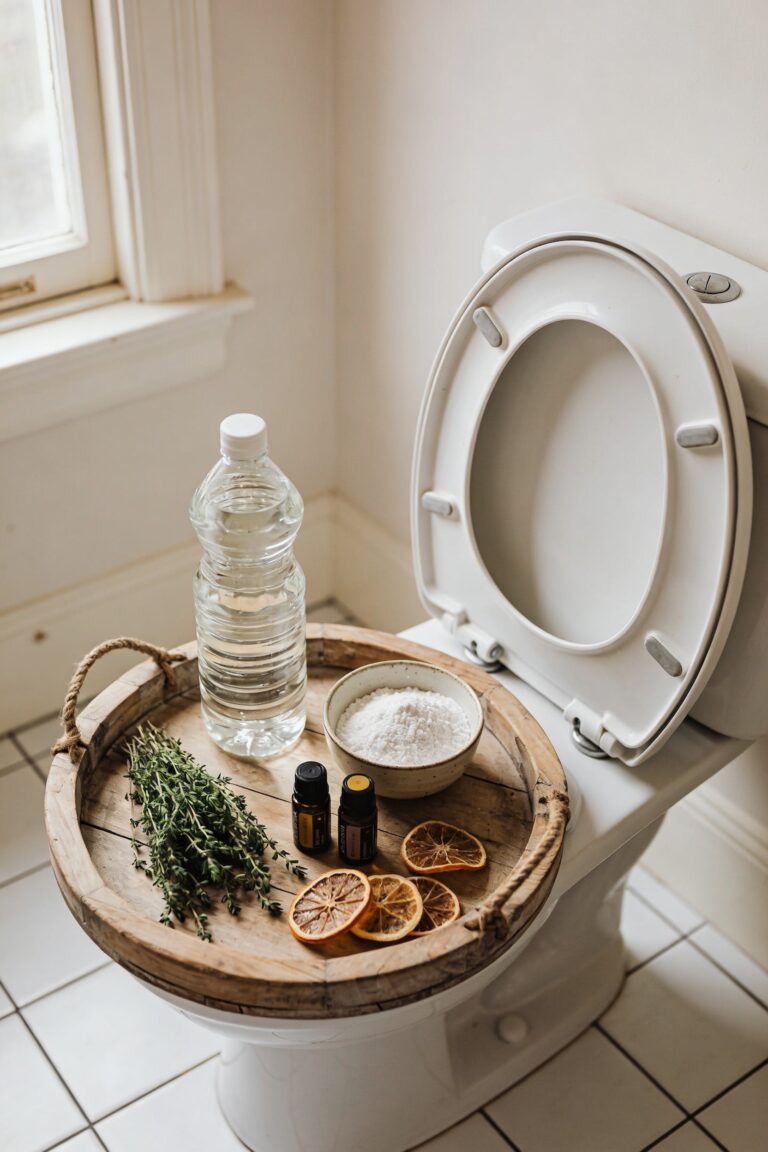
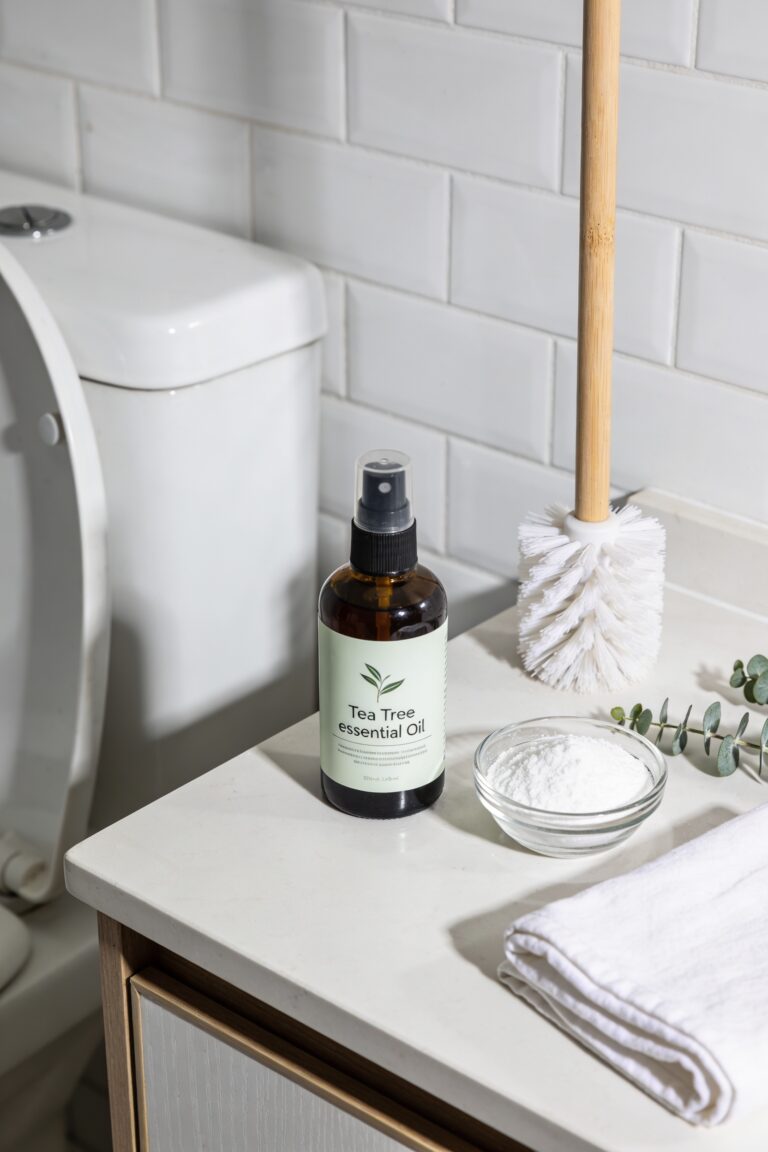
Now that we’ve established why bleach is basically giving your toilet tank a slow-motion chemical bath, here’s the thing that’ll probably surprise you: stronger doesn’t equal better when it comes to what you’re actually pouring into your bowl. I mean, yeah, industrial-strength formulas sound impressive, but they’re actually overkill for most stains and can damage your porcelain. Natural alternatives like vinegar and baking soda? They work surprisingly well. What matters more than raw chemical power is ingredient transparency and chemical gentleness—knowing exactly what you’re using and whether it’ll wreck your toilet’s internals. Plant-based agents like tea tree oil and citric acid can match the cleaning effectiveness of chemical counterparts while being gentler on both your plumbing and the environment. You’re not trying to strip paint here; you just want a clean bowl. Sometimes the gentler approach gets you there without the collateral damage.
Recommended Products

Cleans toilets without splashes or spills etching your delicate stone surfaces

POWERFUL CLEAN, NO HARSH CHEMICALS Effectively cleans toilet bowls and helps remove stains and buildup using a plant-based formula—without chlorine bleach, phosphates, or harsh fumes.

Fast-acting solution quickly kills bacteria from surfaces
Bleach: The Hidden Tank Destroyer
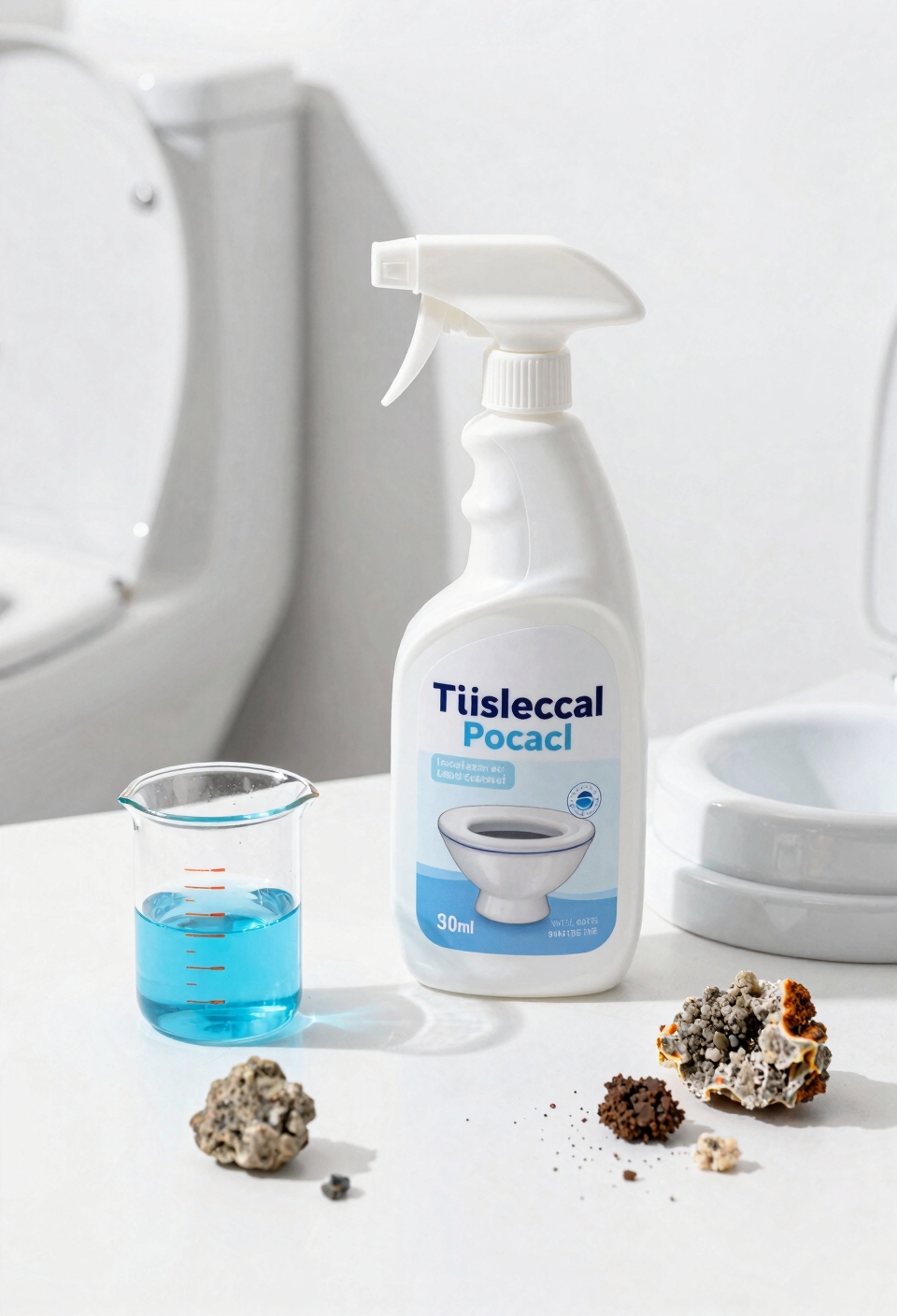
Bleach-based toilet cleaners have a real PR problem, except nobody’s talking about it—they’re basically marketing a slow-motion sabotage operation that happens to make your bowl sparkle in the meantime. Here’s the thing: while you’re enjoying that gleaming white bowl, chlorine corrosion is quietly eating away at your tank’s metal components and rubber parts. Traditional bleach tablets sit in your tank water continuously, causing seal degradation that’ll eventually cost you serious money in repairs. I’m sure you’ve noticed those tablets seem convenient, but you’re effectively paying now for plumbing headaches later. The chlorine doesn’t just vanish after cleaning—it lingers, attacking flappers and fill valves with relentless chemical aggression. For homeowners concerned about these issues, septic-safe alternatives like hydrogen peroxide-based formulas offer gentler options that protect both your plumbing and septic systems. You deserve cleaners that actually protect your toilet’s internals instead of destroying them.
Continuous-Release vs. Manual Scrubbing: What You’re Trading Off
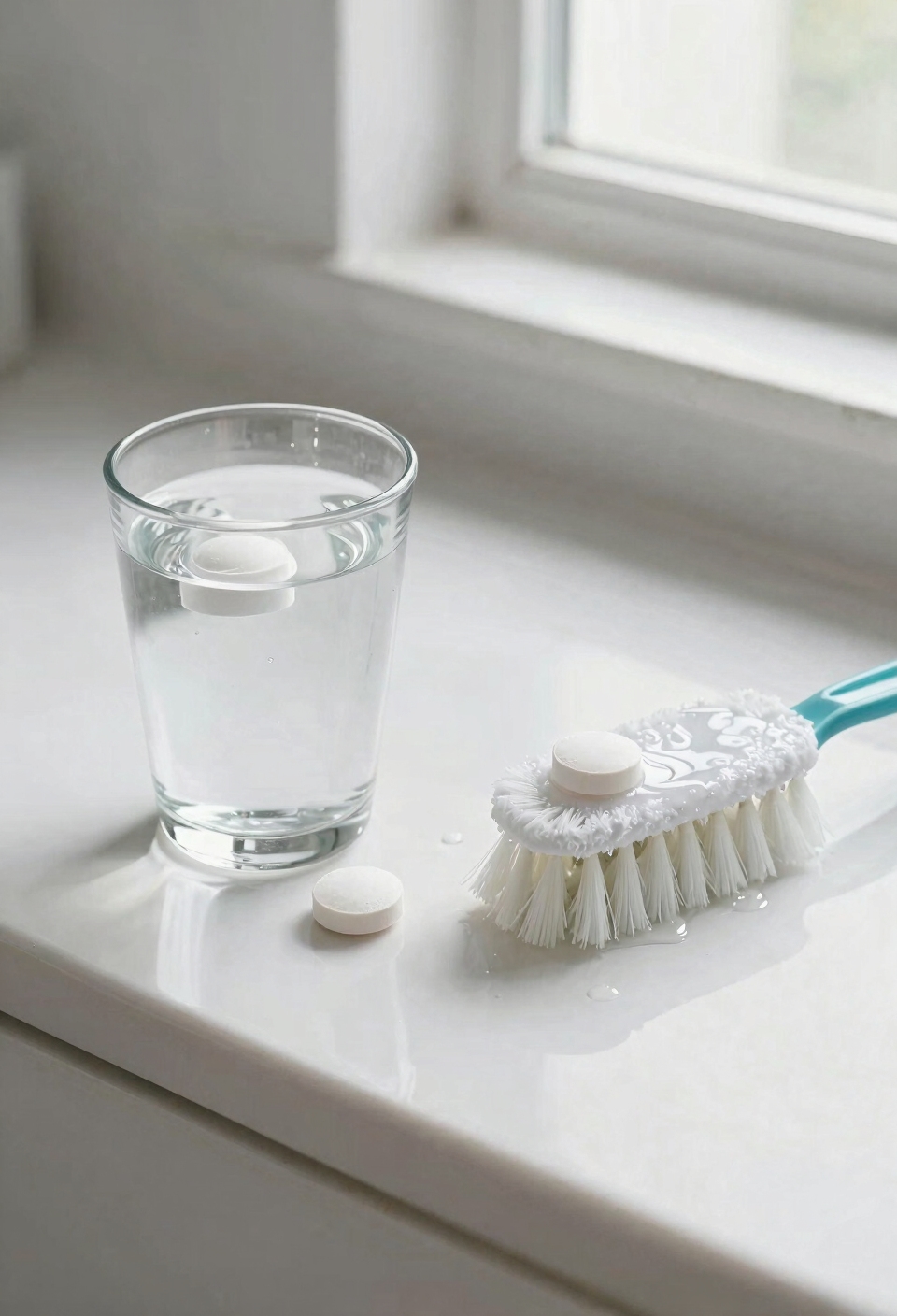
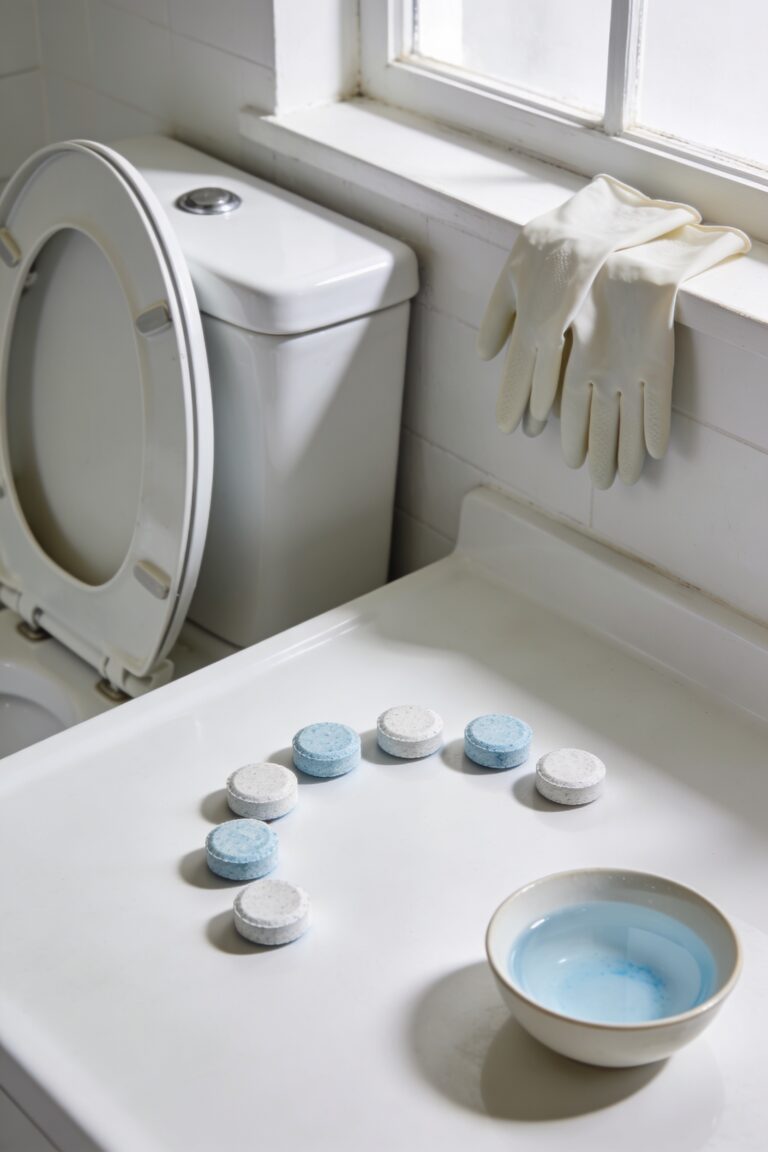
You’ve probably stood there in your bathroom looking at those little drop-in tablets thinking, “Well, at least I don’t have to scrub,” and you’re right—that’s genuinely nice when you’re busy or just not in the mood to get down on your hands and knees with a toilet brush. Here’s the real labor savings: you flush, it works, you move on. No immediate scrubbing required, which honestly matters when your schedule’s packed.
But here’s what you’re trading off. Those continuous-release products keep working for weeks or months, which sounds great until you realize you’re getting constant chemical exposure in your tank. Manual scrubbing‘s intensive upfront, sure, but it’s over quick and concentrated where you actually need it. Sometimes that time tradeoff means less long-term damage to your toilet’s internal parts and better control over what you’re putting into your plumbing system. Drop-in cleaners deliver continuous cleaning power with minimal effort but do not always replace manual cleaning, meaning even high-performing tablets require occasional manual scrubbing for stubborn, set-in stains.
How to Prevent Buildup Before It Costs You
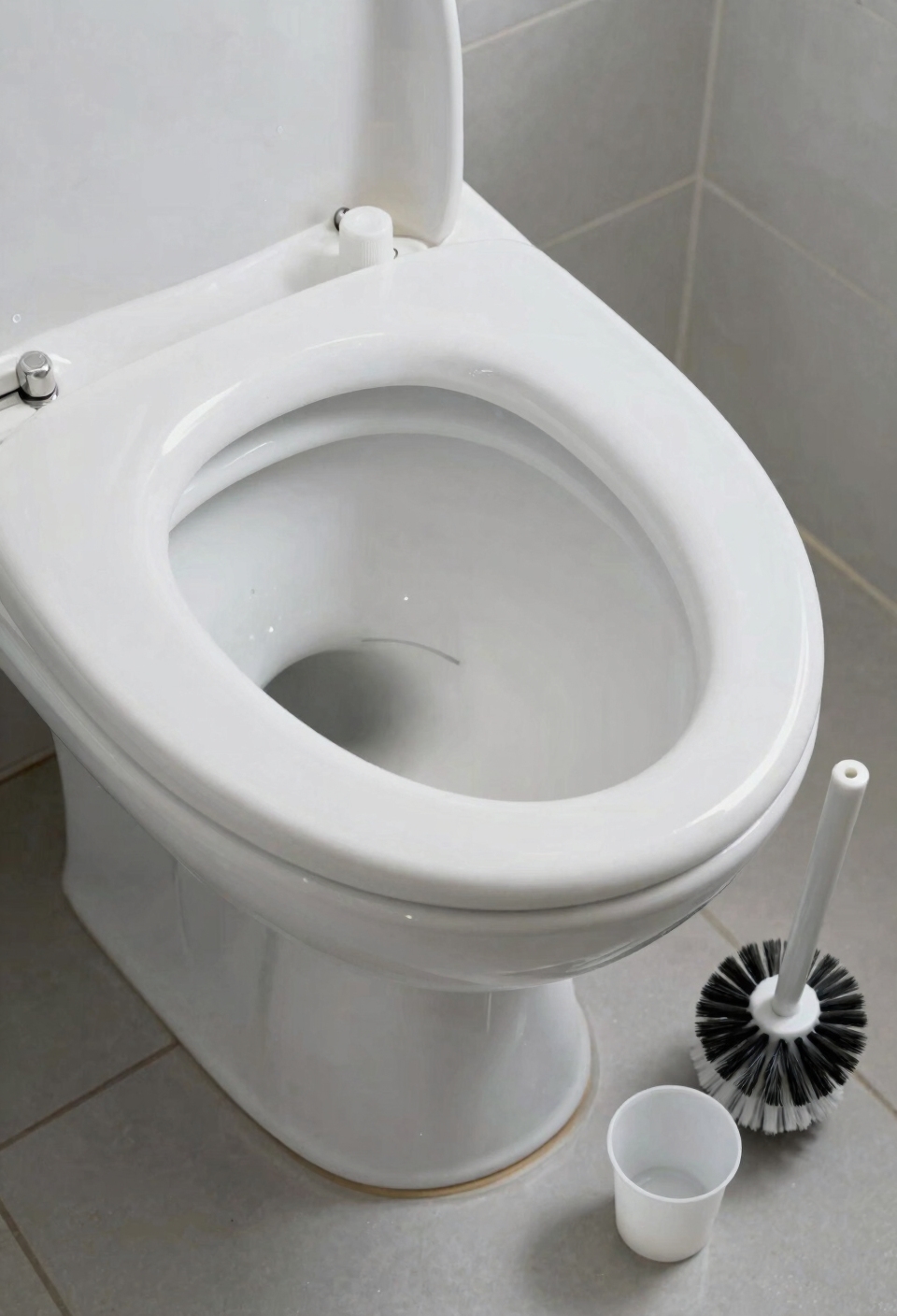
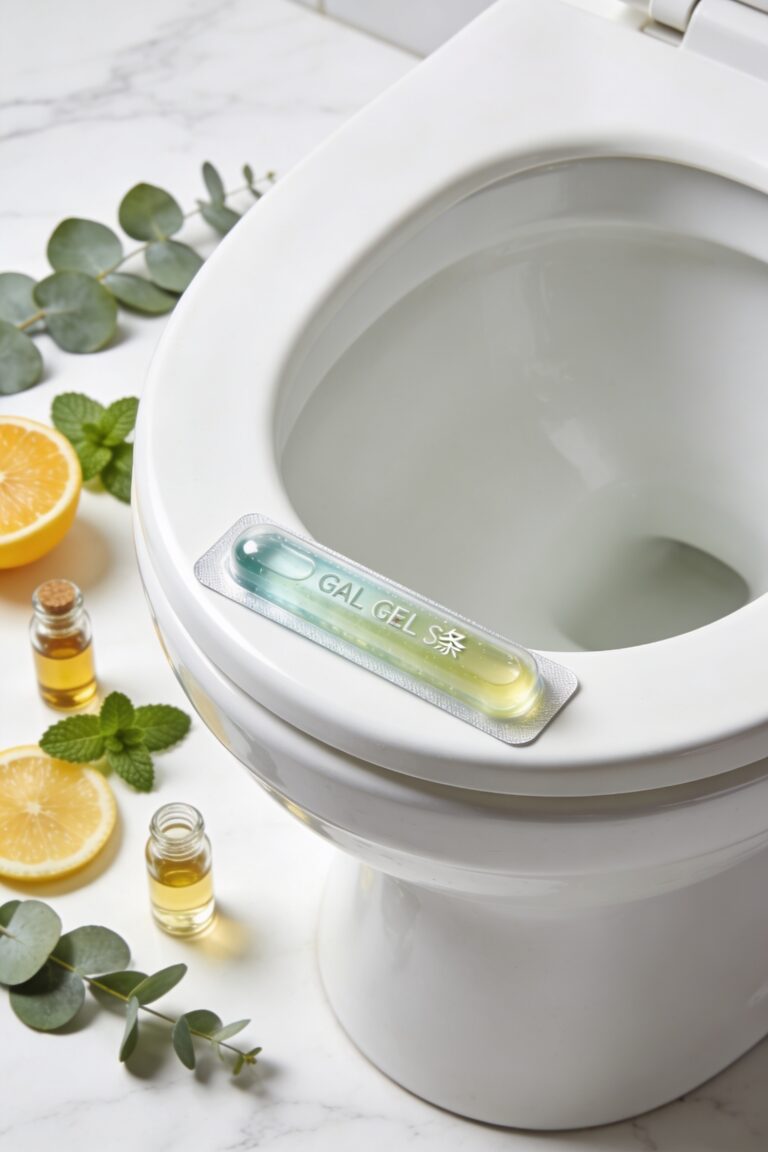
In the battle against toilet grime, prevention beats cure every single time—and I mean that literally, because catching mineral deposits and bacterial buildup before they harden into those stubborn rings and stains saves you from needing the nuclear option later. I’m sure you’ve noticed how fast limescale creeps in, especially if you’ve got hard water. Routine inspections—seriously, just glance in there weekly—catch problems while they’re still manageable. Consider water softening if you’re in a mineral-heavy area; it genuinely reduces what deposits on your bowl. Continuous-release cleaners work here as maintenance tools, not rescue missions. You’re basically stopping buildup at the source rather than battling calcified nightmares later. Products that activate with each flush help prevent limescale and stubborn stains from forming before they require intensive scrubbing. That’s the real win.
Recommended Products

[Radar Sensor + Foot Sensor Touchless Control] Tired of touching toilet handles? Built-in radar sensing automatically opens and closes the lid as you approach or leave, while a dedicated foot sensor activates men's urinal flush. Helping reduce hand contact, bending, and everyday bathroom mess.
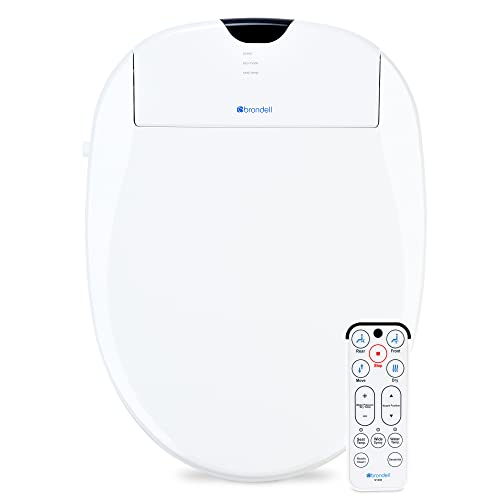
LUXURIOUS ALL-DAY CLEAN: The Swash 1000 Electronic Bidet blends smart technology & premium features for a cleaner, more comfortable bathroom routine, every time you go; This smart toilet seat offers an advanced toilet experience & a clean that you control

【Free Your Hands】This high pressure steam cleaner for home use has a built-in 3.3-foot water inlet hose, which can insert into the external bucket as a water source.Have fun with the continuous and steady natural steam.No need to hold heavy and bulky tank on hand!No built-in water tank design makes the steamer lightweight to carry and don't have to constantly refill the tank.
Which Cleaners Are Safe for Septic Systems and Your Family
Now that you’ve got your prevention game locked in, here’s where most people hit a snag: they’ll grab whatever cleaner’s on sale without checking if it’ll actually wreck their septic system or make their kids sick. Look, bleach-based cleaners will absolutely demolish your septic tank’s bacterial colonies—those microbes are basically doing the heavy lifting for you, and harsh chemicals kill them dead. I mean, that’s not great. You want septic safe, family friendly options instead. Plant based cleaners and pet safe formulations exist and actually work; they won’t corrode your metal components or leave your kids breathing fumes. Products like MRS. MEYERS CLEAN DAY use essential oils and plant-derived ingredients free from phthalates and chlorine, making them both effective and safe for your household. Check labels before you buy. Your septic system’s worth the two minutes of research, trust me.
Recommended Products

🌿Powerful Septic Tank Treatment & Septic System Maintenance also helps Drainfield Restoration. Contains highly specialized enzymes that effectively break down and liquefy tough organic waste like grease, fats, protein, hair, and soap scum.
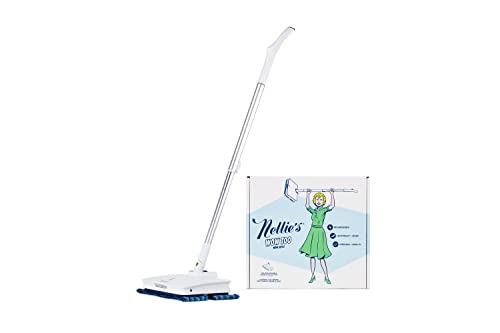
Cordless Rechargeable Power – Enjoy flexible cleaning with a built-in rechargeable battery that delivers long-lasting performance. Move freely from room to room without being tied to an outlet.

100% natural and organic RV toilet treatment crafted from plant extracts, essential oils, and citric acid for reliable waste tank care. Free from harmful chemicals and formaldehyde, it is designed for eco-conscious camping and road trips. A practical choice for travelers seeking a sustainable way to maintain RV toilet tanks without compromising on convenience or performance.
Magnetic Technology and Long-Term Maintenance Solutions
While most people assume the only way to keep a toilet bowl clean is to slosh chemicals into it every few weeks, there’s actually a smarter approach that works in the background without you lifting a finger—magnetic technology.
Here’s the deal: magnetic conditioning alters mineral composition in your bowl water, preventing scale from sticking to surfaces in the first place. I know it sounds like science fiction, but scale inhibition through this method actually works as a long-term maintenance solution. You’re not blasting harsh chemicals down there constantly, which means your family stays safer and your septic system doesn’t take a hit.
The beauty? These systems keep working quietly. No scrubbing, no reapplication frenzy—just consistent prevention that handles buildup before it becomes a problem. With proper monthly maintenance, magnetic cleaners can maintain their effectiveness for up to five years without requiring chemical replacement.
Frequently Asked Questions
Can Toilet Bowl Cleaner Dyes Permanently Stain or Discolor the Porcelain Surface?
Yes, I’ve found that certain cleaner dyes can permanently stain your porcelain. Dye migration into microscopic surface cracks occurs, especially when glaze etching happens. Once this damage develops, removing the discoloration becomes nearly impossible.
How Do Angled Brush Applicators Reach Under-Rim Areas Better Than Traditional Tablets?
I’ve found that angled applicators overcome the limitations tablets face by directing cleanser precisely beneath the rim where buildup hides. Their directional nozzles provide under-rim reach enhancement that tablets can’t achieve, ensuring exhaustive coverage of neglected areas.
What Is the Typical Duration of Effectiveness for Continuous-Release Cleaning Products?
I’ve found that continuous-release products typically maintain effectiveness for up to three months per application. Their time release mechanism gradually dispenses cleaner with each flush, and longevity testing confirms they provide consistent cleaning coverage throughout this extended period.
Does Magnetic Field Technology Require Manual Removal of Existing Buildup First?
Like clearing weeds before planting seeds, I’d tell you magnetic technology needs you to manually remove existing buildup first. Once you’ve eliminated established deposits, the magnetic adhesion prevents new scale bonding from forming.
How Does Delivery Timing During the Flush Cycle Affect Cleaner Dilution Rates?
I’ll explain how flow timing impacts dilution. When you deliver cleaner during the flush cycle’s peak flow, you’re maximizing dilution dynamics by concentrating product where it’s needed most. Early delivery means premature dilution in tank water.
Conclusion
You’ve got choices: bleach that obliterates stains but corrodes your tank, or gentler formulas that play it safe but require more elbow grease. I’ll be honest—there’s no perfect solution. Pick your poison based on what matters most: immediate results or long-term peace of mind. Prevention beats any cleaner anyway, so keep that bowl maintained and you’ll spend less time scrubbing regrets.