As an Amazon Associate, we earn from qualifying purchases. Some links on this site are affiliate links at no extra cost to you. Our recommendations are based on thorough research and editorial judgment.

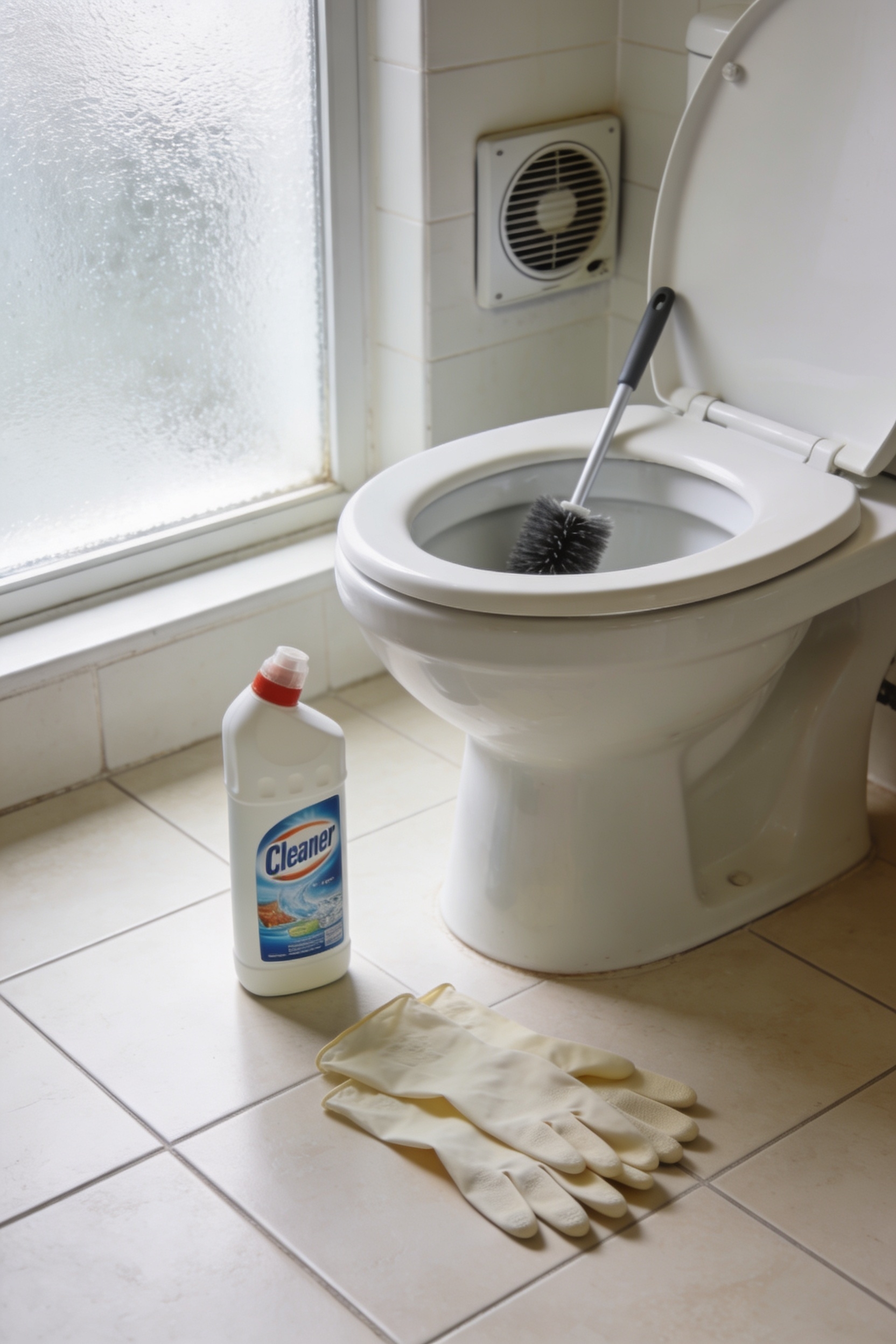
7 Best Safety Tips When Using Toilet Bowl Cleaners

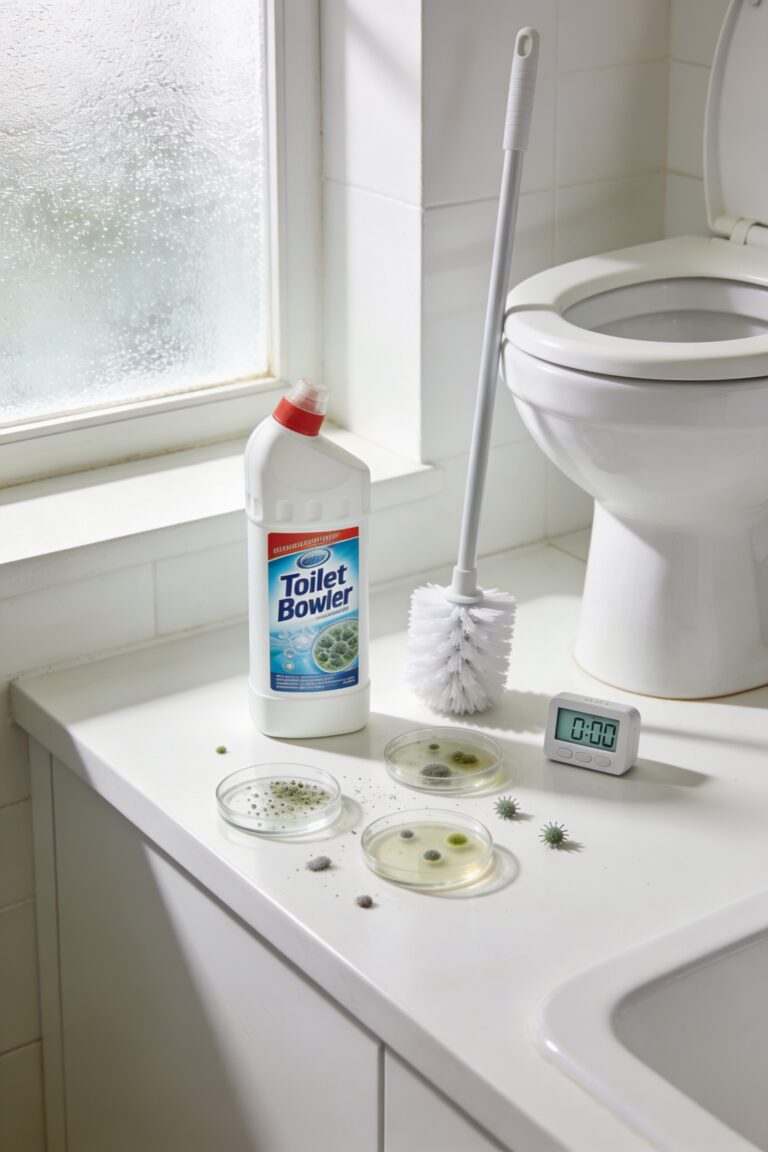
Here’s the thing about toilet bowl cleaners—they pack some genuinely nasty chemicals, so you’ve gotta respect what’s in that bottle. Read the label first, obviously. Wear gloves and eye protection because splashes happen. Crack open a window and run your exhaust fan before you start, skip mixing products (bleach plus ammonia is a no-go), apply carefully around the rim, let it sit five to ten minutes, then scrub gently. Wash your hands thoroughly afterward, even with gloves on. These seven steps aren’t overcautious—they’re the difference between a clean toilet and a hospital visit, and honestly, most incidents come from skipping just one.
Key Takeaways
- Read product labels carefully to understand ingredients, hazards, and required protective equipment before use.
- Wear sturdy rubber gloves and safety goggles to protect skin and eyes from chemical splashes.
- Ensure proper ventilation by opening windows and running exhaust fans to prevent fume inhalation.
- Never mix toilet bowl cleaners with other products, as combinations can produce toxic gases.
- Allow 5–10 minutes dwell time before scrubbing, then wash hands thoroughly for at least 20 seconds.
Read Product Labels Before Touching Anything
You may be interested
10 Best Automatic Bowl Freshening Products Reviewed
July 21, 2026
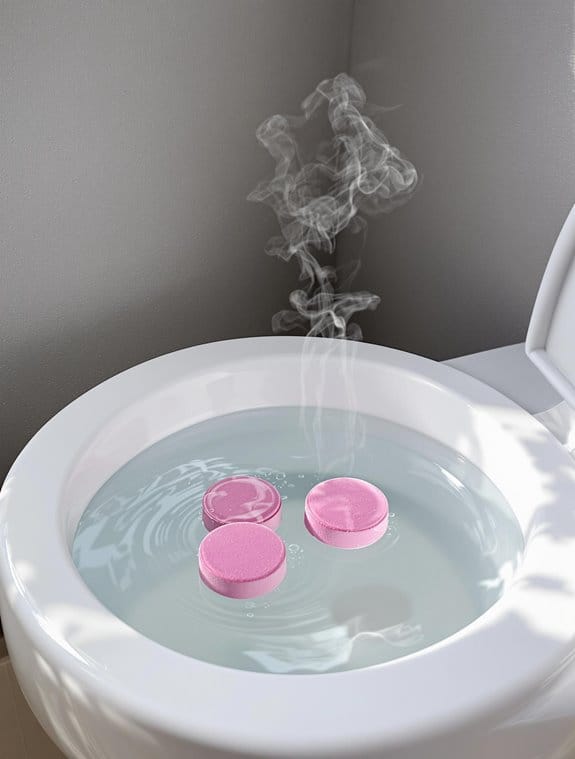
Before you even think about cracking open that toilet bowl cleaner bottle, you’ve got to read what’s actually on the label—and I mean really read it, not just skim for the part that says “kills 99.9% of bacteria.” Look, I know product labels aren’t exactly riveting stuff, but here’s the thing: manufacturers are legally required to tell you exactly what you’re dealing with, what precautions you need to take, and how long you should let the stuff sit in your bowl, so ignoring that information is basically choosing to learn safety lessons the hard way. The ingredient warnings tell you whether you’re using something gentle or genuinely hazardous. For strong chemical cleaners, you’ll want to note recommendations for protective gear and ventilation to safely handle products containing ingredients like hydrochloric acid. Storage tips prevent accidents, leaks, or worse—chemical reactions. That label exists because someone learned something the hard way so you don’t have to.
Recommended Products

Powerful Toilet Cleaning Gel – Effectively removes tough stains, limescale, and grime, leaving your toilet sparkling clean.

ONE CLICK BATHROOM APPLICATION: Lysol Click Gel Automatic Toilet Bowl Cleaner keeps toilets clean and fresh with just one click and after every flush.

CLEANS AND FRESHENS AUTOMATICALLY: Cleans your toilet with automatically with every flush. Fights toilet rings and helps prevent staining in the bowl
Wear Protective Equipment to Block Chemical Exposure
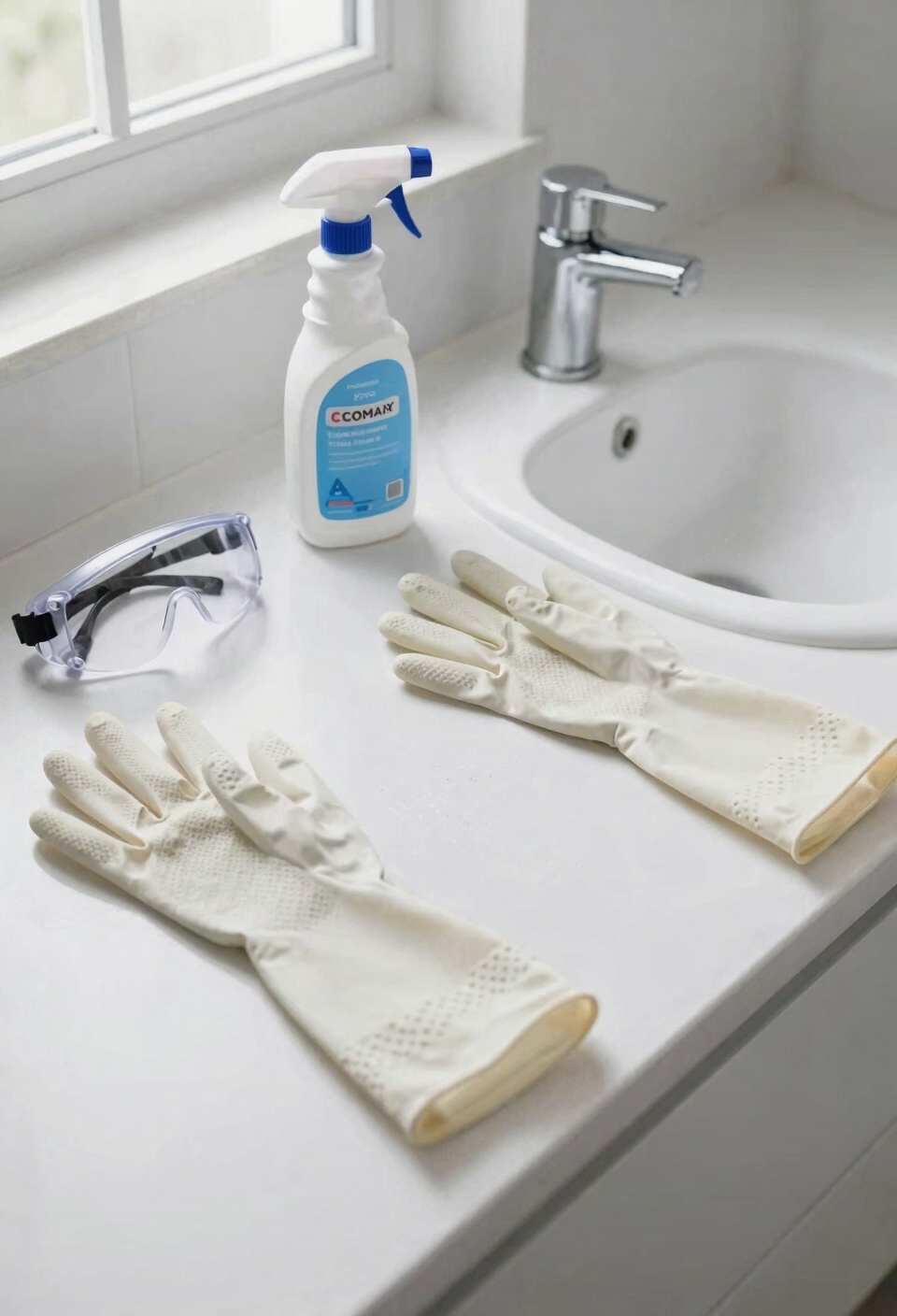
So you’ve read the label and you know what chemicals you’re actually dealing with—good, that’s half the battle right there. Now here’s where you actually protect yourself. Rubber glove selection matters more than you’d think; don’t grab some flimsy thing that’ll tear halfway through. Get sturdy ones rated for the specific cleaner you’re using. And look, I know face shield use seems overkill for toilet cleaning, but stronger formulas can splash up unexpectedly. Safety goggles work too if you prefer them. Wash your hands thoroughly afterward, even with gloves on—chemicals seep through more than we’d like to admit. Your skin’s a barrier, not impenetrable armor. Strong bleach-based formulations require good ventilation and careful handling to minimize inhalation risks and skin contact during application.
Recommended Products

The waterproof cleaning gloves are made of high-quality premium Material. Reusable and thick rubber gloves can be used for many years.

Material: These household cleaning gloves are made of natural rubber. They help protect hands from water, detergents, and household cleaning liquids during normal use. Initially, they may have a rubbery smell, but airing them out should eliminate the odor

High-Performance Chemical Protection: These 15-mil thick 100% nitrile gloves provide a robust, heavy-duty barrier against a broad range of solvents, industrial oils, and animal fats.
Check Your Bathroom Ventilation Before You Start
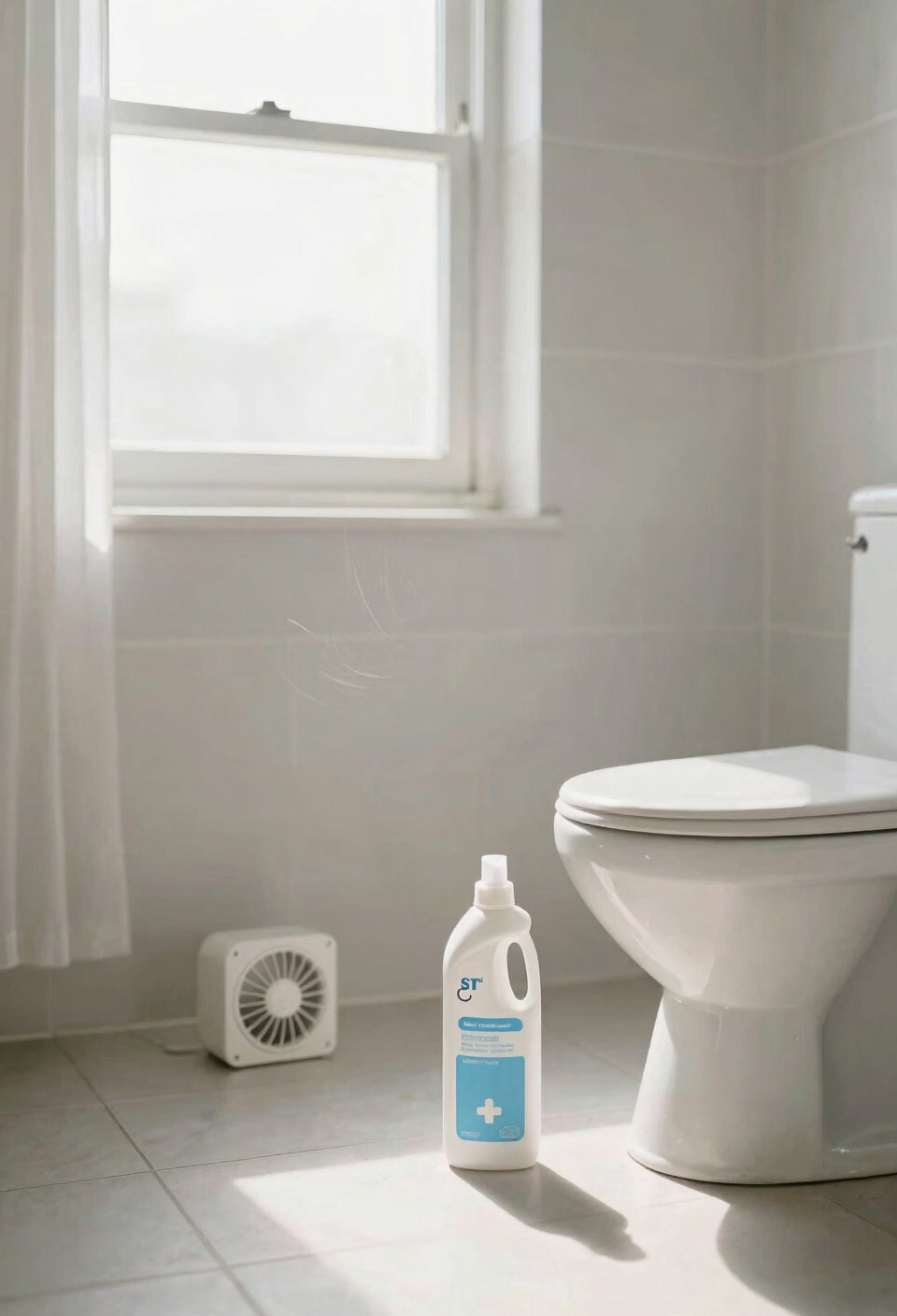
While you’re standing there in your bathroom with a bottle of industrial-strength cleaner in hand, here’s the thing nobody talks about—ventilation matters way more than most people realize, and I’m guessing you’ve never actually thought about it before you started scrubbing. Those fumes aren’t just unpleasant; they’re genuinely hazardous when they build up. I mean, open windows before you apply anything—seriously, don’t skip this step. If you’ve got an exhaust fan, crank it. Monitor airflow by cracking the door too. These chemicals release volatile compounds that irritate your lungs and eyes, and a sealed bathroom becomes a concentrated vapor box real quick. Stronger formulas like Max Strength and Lime & Rust produce more fumes, so pay extra attention to air circulation when using these products. I’ve seen people get lightheaded just because they didn’t think about air circulation. Don’t be that person. Ventilation is your first line of defense against inhaling something nasty.
Recommended Products

Dimensions and Fit: Housing size 7.5 x 7.2 x 4 inches; Grille cover measures 9.4 x 8.6 inches; Includes 4-inch duct diameter for flexible installation; recommended ceiling cutout size 7.6 x 7.3 inches.

Dimensions and Fit: Housing size 9 x 9 x 5.7 inches; Grille cover measures 11.8 x 11.8 inches; Includes 4-inch duct diameter for flexible installation; recommended ceiling cutout size 9.4 x 9.4 inches.
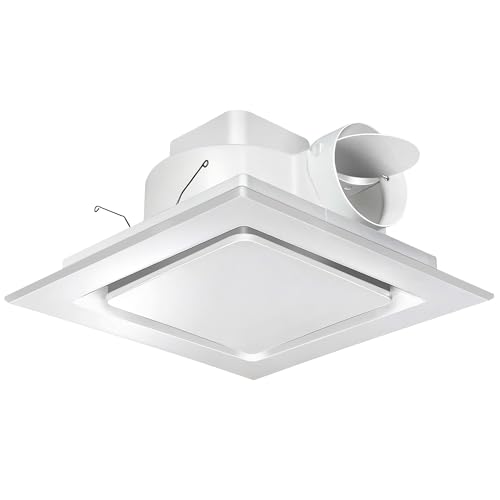
【Banish Bathroom Moisture & Odors for Good】Tired of foggy mirrors, musty smells, and damp walls? Whether you call it a bathroom exhaust fan, a bathroom vent fan, or even a fart fan for bathroom, our model quickly removes steam, humidity, and unpleasant odors—leaving your bathroom fresh, dry, and comfortable.
Avoid Mixing Toilet Bowl Cleaners With Other Products
Now that you’ve got your bathroom aired out and you’re ready to clean, here’s where a lot of people mess up spectacularly—they grab whatever cleaning product is sitting under the sink and throw it in the bowl alongside their toilet cleaner without thinking twice about it. Don’t do that. I mean, seriously. Mixing cleaners causes dangerous acid reactions that can release toxic fumes or even explode. You’ve got bleach meeting ammonia, or acidic toilet bowl cleaners combining with alkaline products, and suddenly you’re dealing with residue buildup that’s chemical warfare. Proper ventilation is essential when using bleach cleaners, so always ensure good airflow before and after application to minimize exposure to harmful fumes. Stick with one product, flush thoroughly between uses, and if you’re switching cleaners, let that residue buildup clear completely first. Your lungs will thank you.
Recommended Products

BLEACHING IS WHAT WE DO: Containing powerful bleaching ingredients, Vacplus toilet bowl cleaner tablets can efficiently remove stubborn stains such as urine dirt, limescale, and rust stains with every single flush. If you feel the smell of bleach every time, don't worry, it is the powerful cleaning ingredients functioning. Keeping your toilet bowl freshened is what Vacplus is doing!

CLEANS AND DISINFECTS: Use the only toilet bowl cleaning solution with Clorox bleach to kill 99.9% of germs (2) brighten and whiten your bowl and leave a refreshing Ocean Mist scent

HOW DO I GET RID OF TOUGH TOILET RINGS? This heavy-duty bleach-free gel eliminates hard water, lime, and rust stains - removes up to 2X more mineral buildup vs. Clorox Bleach Toilet Bowl Stain Remover for a ring-free bowl
Prevent Splashes and Skin Contact During Application
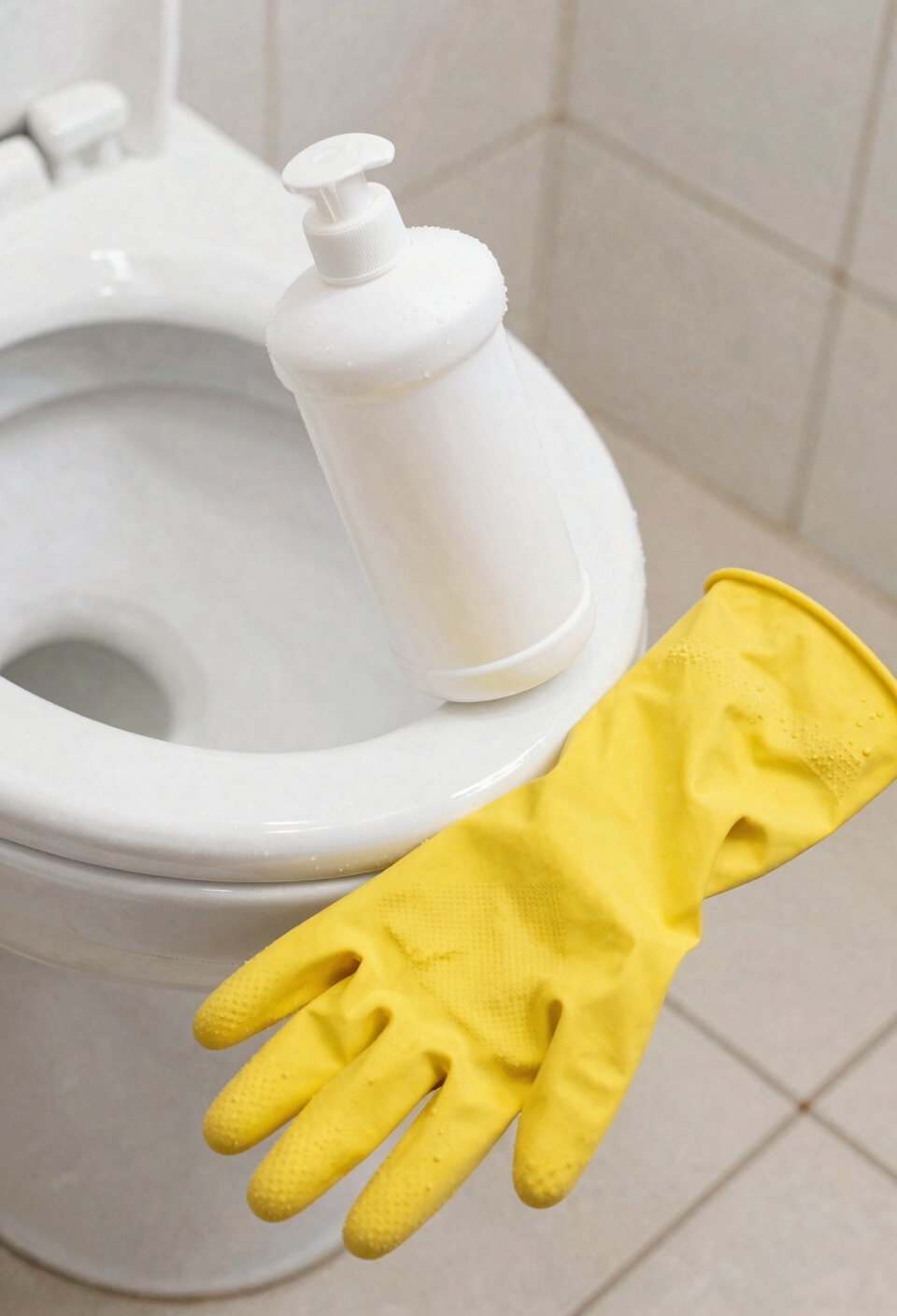
I’ve watched plenty of people—probably you too—treat toilet bowl cleaner like it’s basically water, pouring it in without a second thought and then wondering why their hands feel like they’ve been through a chemical bath. Here’s the thing: you need aimed distancing and actual splash shields when you’re working with anything stronger than vinegar.
I mean, wear your gloves first—no exceptions. Keep your face back from the bowl, maintain some real distance between yourself and where that cleaner’s going. Don’t lean over like you’re inspecting it for quality. The fumes alone can irritate your eyes and throat, but the actual splash? That’ll burn skin faster than you’d expect.
Apply around the rim deliberately, let it sit, then scrub gently. Never mix hydrochloric acid cleaners with other cleaning products, especially bleach, as this creates toxic chlorine gas that poses serious respiratory hazards. Your future self will appreciate the caution.
Recommended Products
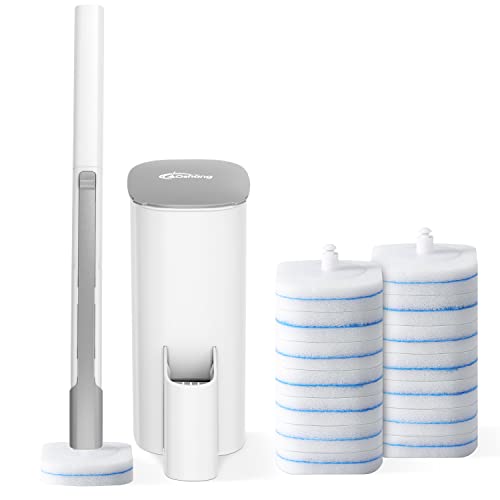
PREMIUM QUALITY MATERIAL: We will have you covered if you are looking for an excellent quality Toilet Brush. The Disposable Toilet Brush is made from superior-quality material. That ensures they are practical and long-lasting.

Toilet Cleaning Kit with Holder- This toilet brush and holder set includes an 18" wand, storage caddy & 40 disposable toilet bowl cleaner wands. The ultimate hygienic alternative to traditional toilet brushes—no mess!

【EFFICINET CLEANING】Laiyeoy pumice stone for toilet cleaning can easily and thoroughly clean the toilet, removing hard water stains and limescale, keeping your toilet clean and hygienic.
Wait Before Scrubbing: Give the Cleaner Time to Work
Most people make the same mistake I used to make—they slap the cleaner in the bowl and immediately start scrubbing like they’re trying to sand down a deck, which is basically the opposite of what you should be doing. Here’s the thing: those active ingredients need extended dwelltime to actually dissolve the crud and kill bacteria. I’m talking 5-10 minutes, minimum. You let that chemical sit there working while you’re doing something else, which honestly feels like cheating but isn’t. When you do finally grab your brush, you’re applying only gentle agitation—just light scrubbing, not aggressive elbow grease. The cleaner’s already done most of the heavy lifting. That’s when you realize that patience beats brute force every single time. For automatic toilet cleaners like drop-in tablets, follow the manufacturer’s instructions carefully—for example, Scrubbing Bubbles tablets typically require waiting about 10 minutes before flushing to allow the cleaning agents to activate properly.
Wash Your Hands Thoroughly, Even If You Wore Gloves
Here’s the thing about gloves—they’re genuinely useful for keeping harsh chemicals off your skin, but they’re not a magic force field, and I’ve definitely had that moment where I peeled them off and thought, “Well, I’m good now,” only to realize that’s where most people get it wrong. Those chemicals can linger on your hands, under your nails, and between your fingers. I mean, you’re actually more vulnerable without the gloves protecting you now, right?
Wash your hands thoroughly with soap and water for at least twenty seconds. Use a nail brush to get underneath your nails where residue hides. Don’t skip this step even if you wore gloves the entire time. Many safe toilet bowl cleaners are labeled non-toxic and septic-safe, making them gentler options that still require proper hand hygiene after use. Follow up with post cleanse moisturizing to counteract any irritation. Your skin will thank you, trust me.
Frequently Asked Questions
How Often Should I Clean My Toilet Bowl to Prevent Heavy Buildup and Stubborn Stains?
I’d recommend cleaning your toilet bowl weekly to prevent heavy buildup and stubborn stains. This regular weekly maintenance stops grime from accumulating. For seasonal descaling, tackle mineral deposits every few months to keep it pristine.
What’s the Safest Way to Handle Stubborn Stains Without Using Harsh Chemical Drain Cleaners?
I’d try a vinegar soak overnight—pour it around the bowl, let it sit, then scrub in the morning. For really tough spots, I’ll use a pumice stone gently or a baking soda paste instead of harsh chemicals.
How Do I Properly Store Toilet Bowl Cleaner to Prevent Leaks or Accidental Sprays?
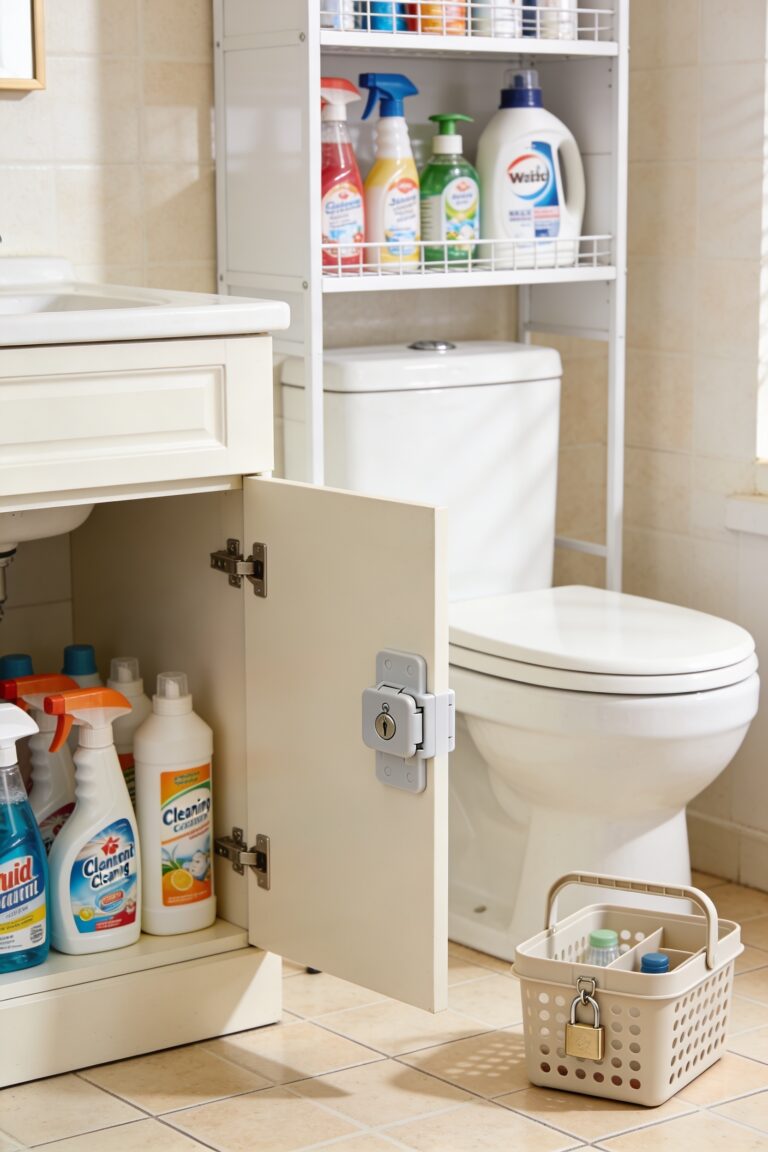
I’ve got the lowdown on storage. Keep your cleaner’s cap tight and nozzle off. Store it on spill trays with childproof locks away from kids and pets to prevent leaks or accidental sprays.
Can I Use Disinfecting Wipes for Quick Spot Cleaning Between Deep Cleaning Sessions?
Yes, I’d recommend keeping disinfecting wipes nearby for quick spot cleaning between deep sessions. I make certain disinfectant compatibility with your bowl’s surface, then wipe away residue thoroughly to prevent buildup and maintain hygiene effectively.
Should I Use Color-Coded Brushes, and What Does This Prevent in Bathroom Cleaning?
Yes, I’d recommend using color-coded brushes—they’re like traffic lights for your bathroom. A blue brush dedicated solely to your toilet prevents cross-contamination, stopping harmful bacteria from spreading to other surfaces and keeping your home safer.
Conclusion
Look, I’m not going to pretend toilet bowl cleaners are fun—they’re not. But following these seven tips transforms the whole experience from genuinely risky to totally manageable. As they say, an ounce of prevention beats a pound of cure, and you’ll feel so much better knowing you’ve handled these chemicals smart. Your bathroom stays clean, your family stays safe, and you sleep better tonight.