As an Amazon Associate, we earn from qualifying purchases. Some links on this site are affiliate links at no extra cost to you. Our recommendations are based on thorough research and editorial judgment.

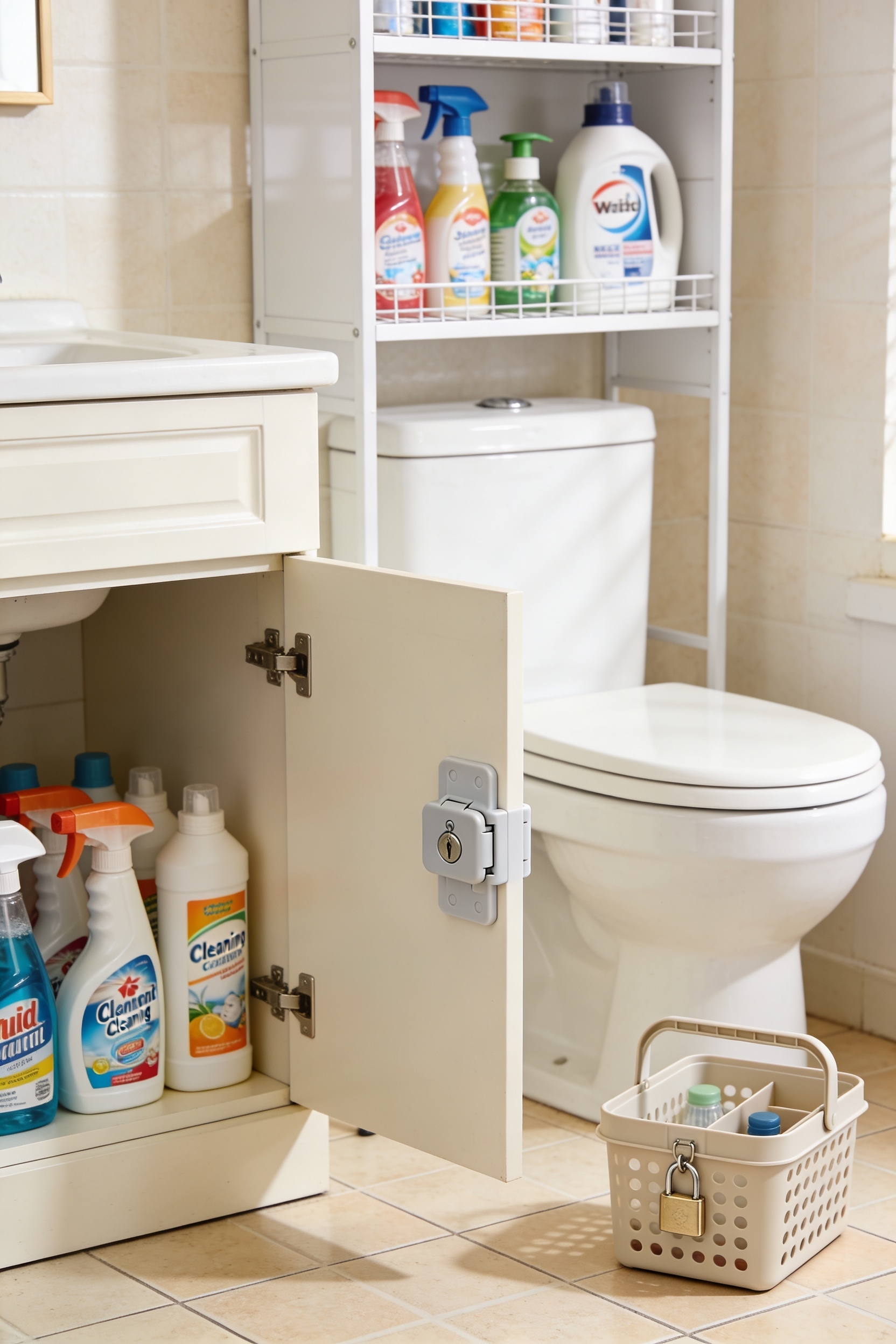
3 Smart Ways to Keep Toilet Cleaners From Kids

I’m sure you’ve noticed those neon toilet cleaner bottles practically begging kids to grab ’em. Here’s the deal: lock your under-sink cabinets, store cleaners on high shelves they can’t reach, and supervise when you’re actually cleaning. Honestly, though? Your easiest move is switching to enzyme or plant-based cleaners that won’t send your kid to the ER if they get curious. They’re slower and require more elbow grease, but they’re genuinely effective without the chemical warfare—and I’ll show you exactly which ones actually work.
Key Takeaways
- Lock under-sink cabinets and use cabinet alarms to prevent unsupervised access to toilet cleaners.
- Store cleaners on high, wall-mounted shelves or elevated vanities out of children’s reach.
- Supervise constantly during cleaning and never leave toilet cleaner bottles sitting out unattended.
- Switch to plant-based, enzyme-based, or baking soda alternatives that reduce poisoning and fume risks.
- Choose septic-safe, eco-friendly products that balance cleaning effectiveness with reduced family health hazards.
Why Toilet Cleaners Are Dangerous for Kids (And What to Watch For)
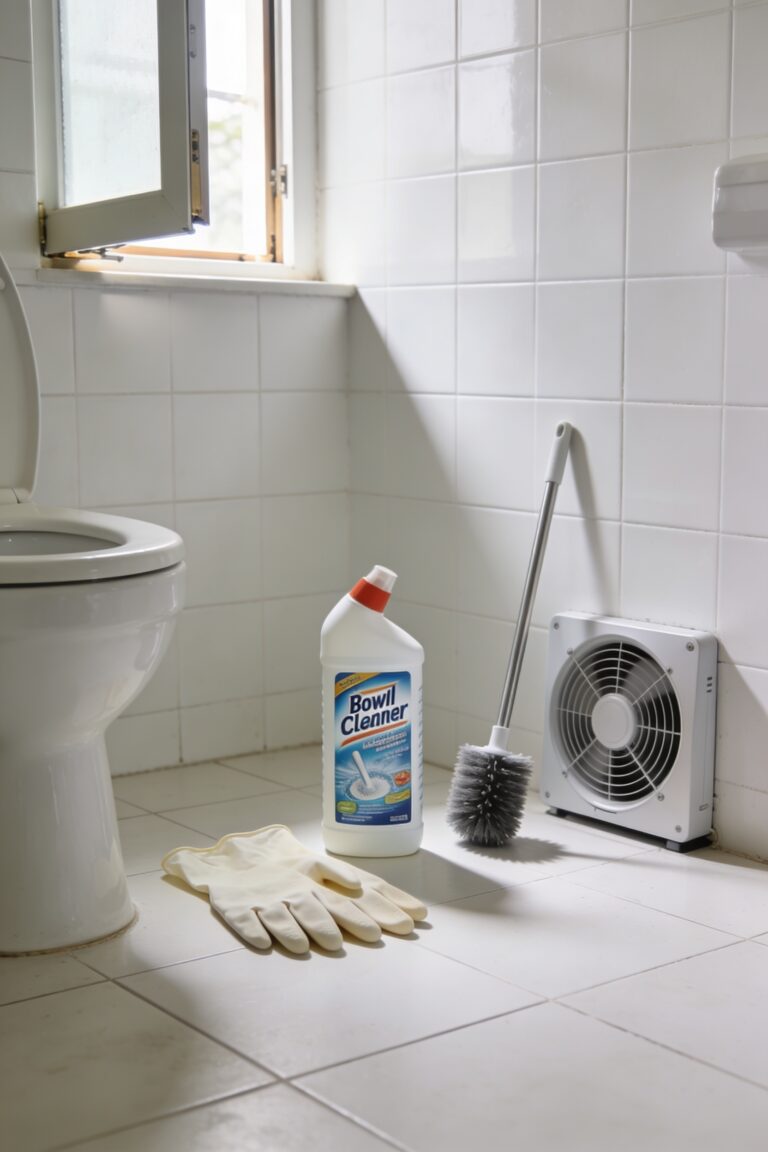
Look, I’m sure you’ve noticed that toilet cleaners come in these bright, sometimes weirdly appealing bottles—which is precisely the problem when you’ve got kids around. Here’s the thing: most toilet cleaners pack serious chemical ingestion risks. I’m talking hydrochloric acid, bleach, and corrosive compounds that can burn mouths, throats, and digestive tracts faster than you’d think possible. Beyond that, there’s eye irritation from vapors and splashes that can cause real damage. Kids don’t understand consequences the way we do—they see a colorful bottle and think it’s fair game. The respiratory irritation from fumes alone can trigger coughing fits and breathing issues. Products like bleach toilet cleaner gels with their clinging formulas and extended-reach nozzles are designed to stay on surfaces longer, but this also means prolonged exposure to toxic fumes if a child gains access to them. That’s why knowing what’s actually in these products matters. You need to understand the hazards before you can effectively protect your family.
Lock, Store High, and Supervise: Three Layers of Protection
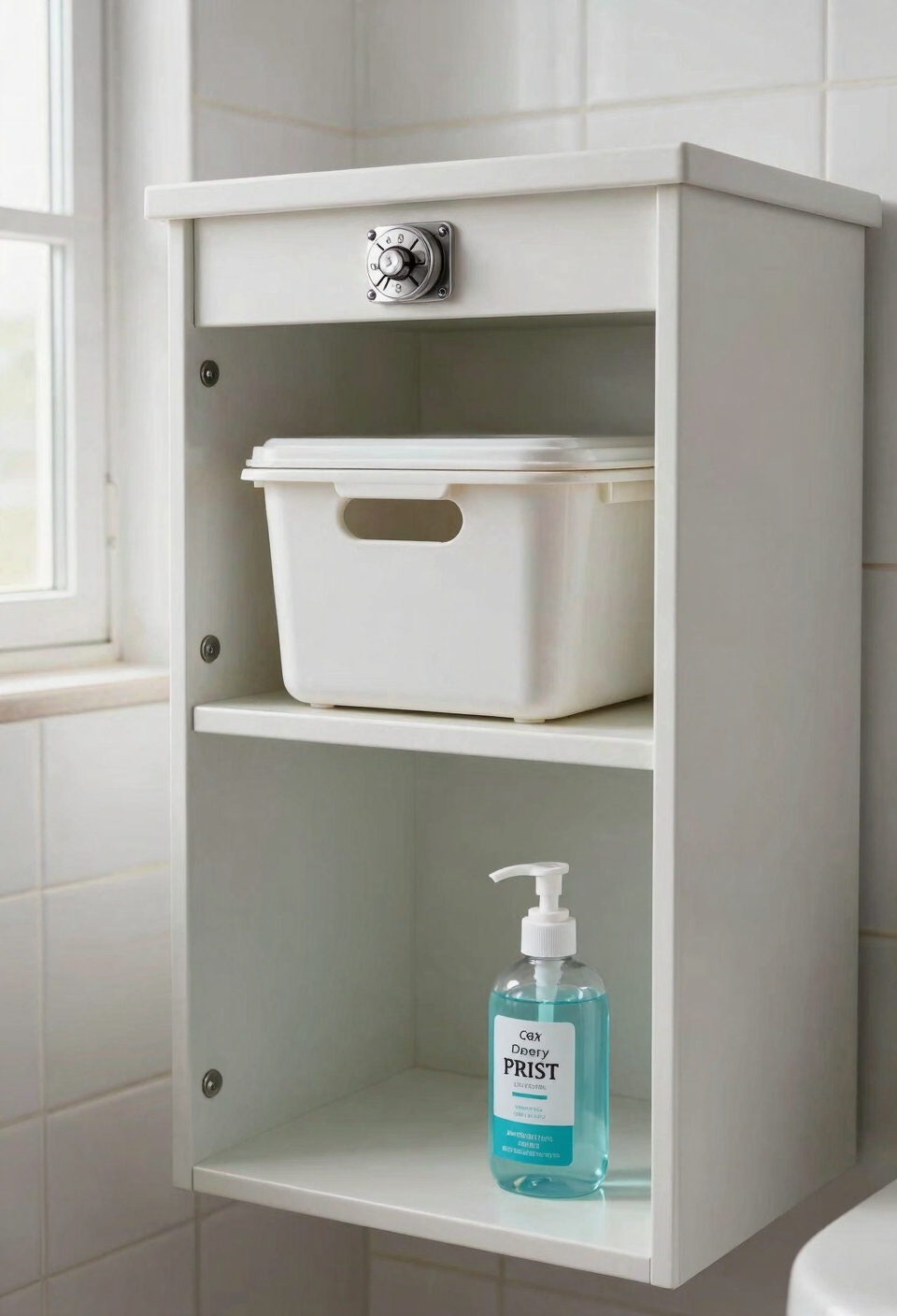
Since knowing what’s in those bottles doesn’t actually stop your kid from grabbing one when you’re not looking, you need to build a real defense system—and I’m talking three separate layers that work together like a safety net with backup nets behind it.
First, lock everything up. I mean actual locks on under-sink cabinets or invest in cabinet alarms that’ll alert you the second someone opens them. Second, store cleaners on raised platforms—wall-mounted shelves, elevated bathroom vanities, anywhere above arm’s reach. Third, supervise constantly when you’re cleaning. Don’t just leave bottles sitting out while you’re distracted. In case of accidental ingestion, recognize immediate symptoms of harmful exposure including excessive drooling, vomiting, difficulty breathing, and chemical burns around the mouth.
These three layers aren’t overkill. They’re redundancy done right. One fails, the others catch it.
Recommended Products

NEW Cabinet Design

Consistent And Efficient Heating For Every Room: The Rinnai direct vent wall heater ensures optimal temperature control with advanced modulating technology, effectively eliminating cold spots for a cozy living environment

Maximize Space: Transform any room into a multifunctional space with our queen Murphy bed, creating additional square footage by seamlessly folding away when not in use. Your guests enjoy a genuine mattress for full support, while the bed effortlessly tucks away, granting you the versatility for a home gym or office without compromising on comfort.
Switch to Kid-Safe Cleaning Products That Actually Work
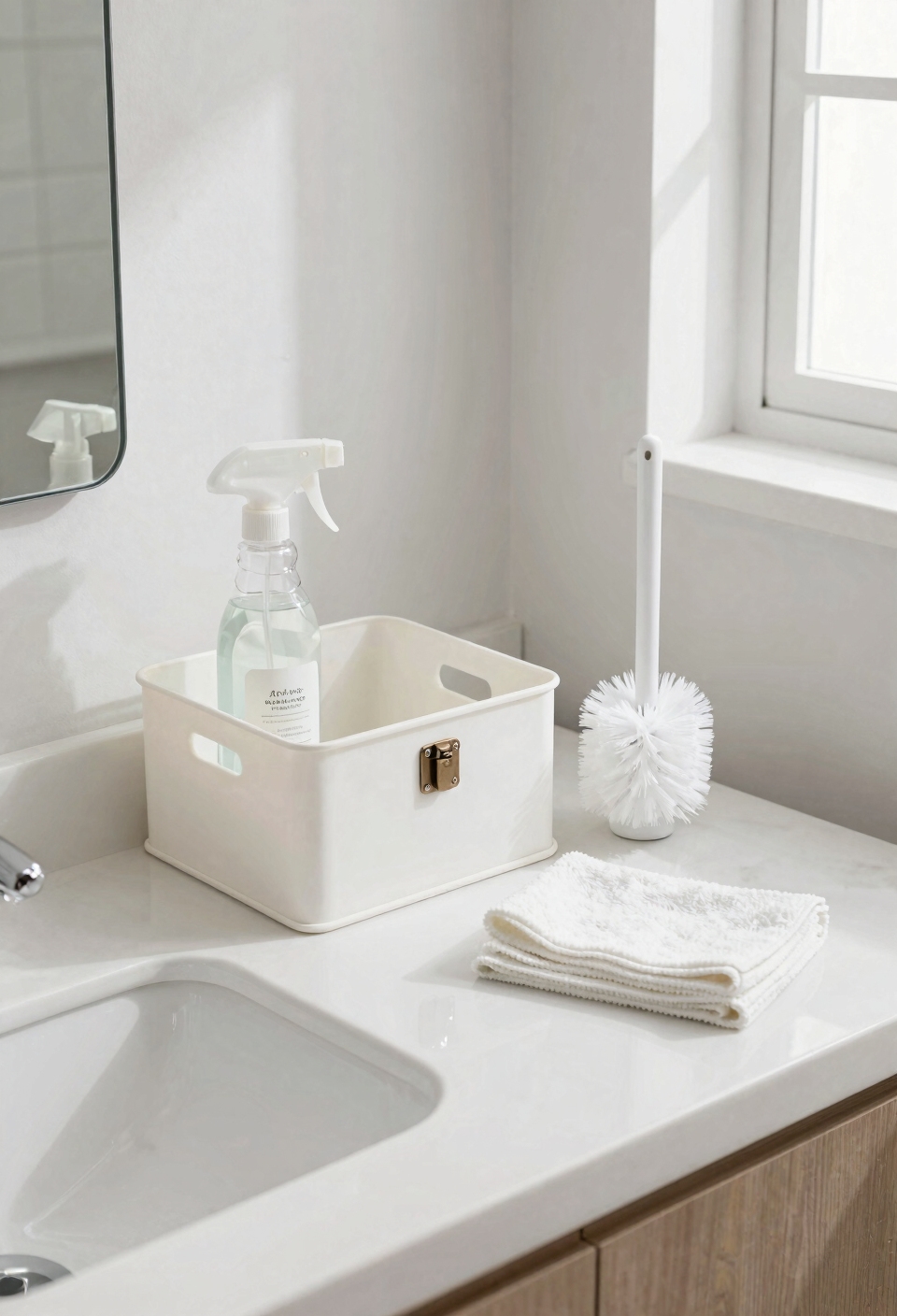
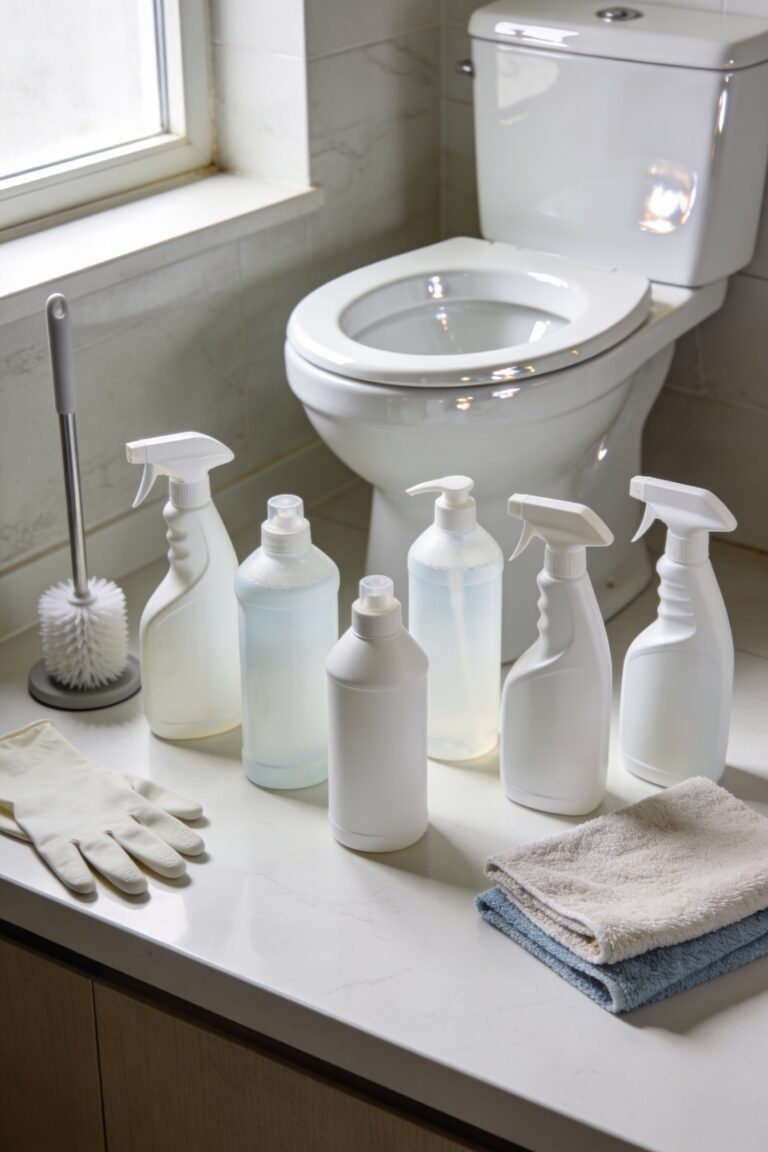
Here’s the thing about those industrial-strength toilet cleaners sitting under your sink—they work great at obliterating hard water stains and mineral deposits, but they’re basically designed to destroy organic material, which means they’ll destroy your kid’s throat just as efficiently if they get their hands on one.
Now, you don’t have to choose between clean toilets and peace of mind. Plant based solutions and enzyme cleaners actually work without the chemical warfare. I mean, they’re slower—you’ll need patience—but they’re genuinely effective. Force of Nature and similar eco-friendly brands dissolve buildup without fumes that’ll make your eyes water. Baking soda combos handle most jobs fine. Yeah, stubborn stains might need extra time soaking, but you’re trading five minutes of elbow grease for eliminating poisoning risks. That’s worth it. Look for products with septic-safe formulations to ensure they won’t harm your home’s plumbing system while keeping your family safe from toxic fumes and ingestion risks.
Recommended Products

Powerful Septic Tank Treatment & Septic System Maintenance also helps Drainfield Restoration. Contains highly specialized enzymes that effectively break down and liquefy tough organic waste like grease, fats, protein, hair, and soap scum.


How it works. CCLS uses beneficial bacteria and enzymes to break down solids, restore a healthy microbial balance, normalize C.O.D and B.O.D levels between pump-outs, reduce odors, and produce healthier effluent for the drainfield.
Frequently Asked Questions
What Age Can Children Safely Learn to Help With Bathroom Cleaning Tasks?
I’d say children can safely help with bathroom cleaning around age 8-10, once they’ve developed key safety skills and understand hazard warnings. Younger kids need constant supervision; older children can handle non-toxic products independently with proper training.
How Often Should I Replace or Update Warning Labels on Cleaning Product Containers?
I’d recommend quarterly label inspections to catch faded warnings before they disappear. You’ll notice sticker replacements become necessary when adhesive weakens or text bleaches, ensuring your cleaning products remain clearly marked as hazardous.
Which Household Members Should Have Access Keys to Locked Cleaning Supply Cabinets?
I’d recommend giving access keys to parents only, ensuring complete control over cleaning supplies. However, you should also provide emergency contacts with keys in case you’re unavailable during urgent situations.
Can I Store Toilet Cleaners in the Same Cabinet as Other Bathroom Supplies?
I’d advise against it—mixing cleaners is like combining explosive elements. You’ll want separate storage in a ventilated cabinet to prevent dangerous chemical reactions and guarantee your family’s safety from toxic fumes.
What Should I Do if My Child Ingests or Is Exposed to Toilet Cleaner?
If your child ingests or’s exposed to toilet cleaner, I’d call Poison Control immediately for emergency response guidance. Don’t wait—seek medical evaluation right away. They’ll assess exposure severity and provide critical treatment instructions.
Conclusion
Look, here’s the bottom line: you don’t have to choose between a clean toilet and keeping your kids safe. Lock up the harsh stuff, store it high, switch to gentler products that actually work—and you’ve basically got this covered. I’m not saying it’s rocket science, but it’s worth the effort. Your peace of mind‘s worth its weight in gold when you’re not worried about what’s under the sink.