As an Amazon Associate, we earn from qualifying purchases. Some links on this site are affiliate links at no extra cost to you. Our recommendations are based on thorough research and editorial judgment.

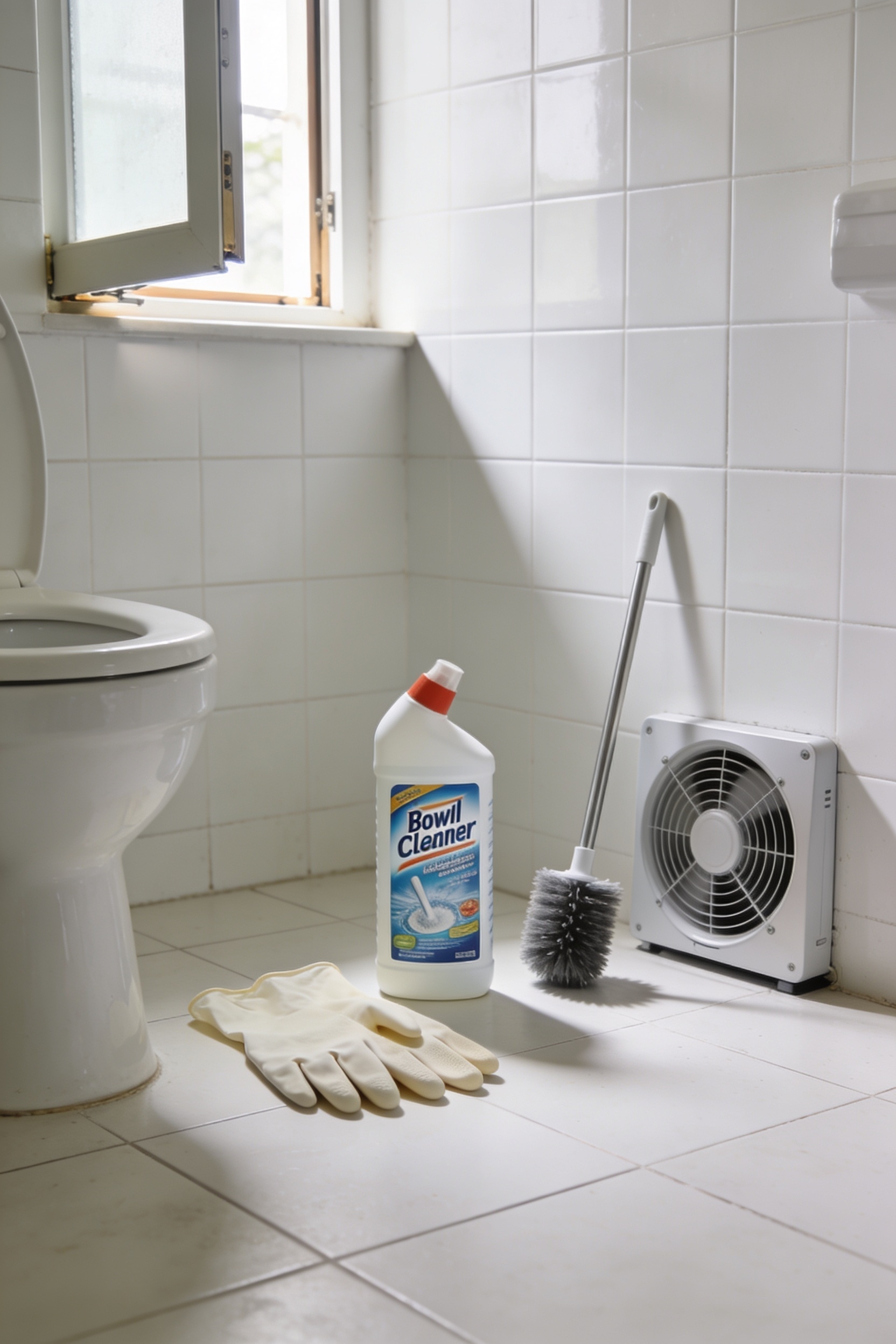
Essential Safety Tips for Handling Toilet Bowl Cleaners

Look, toilet bowl cleaners are genuinely hazardous chemicals, so you’ve got to treat them with respect. Wear latex gloves every single time to protect your skin from burns and chemical reactions. Never—and I mean never—mix different cleaners together; bleach plus ammonia creates chloramine gas that’ll wreck your lungs. Open windows and run your exhaust fan before you start, let the cleaner sit for the recommended contact time, then flush thoroughly. That’s honestly the foundation for staying safe, but there’s way more nuance to understanding which formulations actually deserve your attention.
Key Takeaways
- Always wear latex gloves when handling toilet bowl cleaners to prevent chemical burns and skin damage.
- Never mix different cleaners together, as combining bleach with ammonia produces toxic chloramine gas.
- Open windows and turn on exhaust fans before applying cleaner to ensure proper ventilation.
- Allow the cleaner to sit for the label-specified contact time before scrubbing for optimal results.
- Flush multiple times after cleaning to remove all chemical residue and protect your drain system.
Wear the Right Protective Equipment Every Time
Look, I’m sure you’ve noticed that most of us just grab whatever’s under the sink and start scrubbing without a second thought, but here’s the thing—toilet bowl cleaners aren’t exactly gentle on your skin, and your hands are basically your most useful tool for, well, everything. I wear latex gloves every single time, and honestly, it’s the bare minimum you should do. These cleaners contain acids and chemicals that’ll wreck your skin protection faster than you’d think. Chemical burns, dry cracked hands, allergic reactions—they’re all waiting if you skip this step. Even if you’re using something milder, gloves keep things hygienic and simple. Many eco-friendly products, particularly bleach-free and plant-based options, offer safer alternatives that reduce the severity of chemical exposure to your skin. Wash your hands thoroughly with soap and water afterward anyway, but seriously, don’t skip the gloves. Your future self will thank you.
Recommended Products
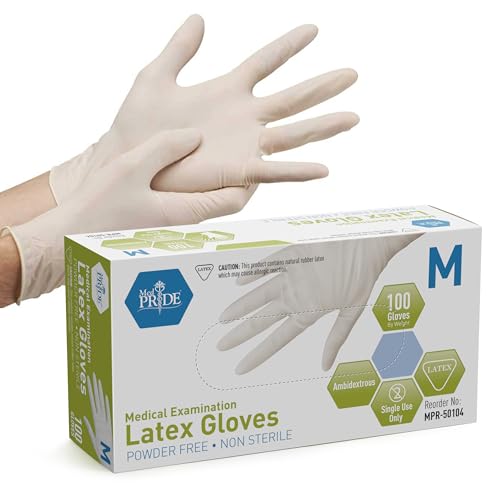
PROFESSIONAL-GRADE: Designed with heavy duty natural latex rubber, the Medpride latex gloves offer amazing tactile sensitivity for fine equipment handling, superior medical grade puncture resilience with 5-mil thickness and a comfortable fit.

Non-Slip Design: The kitchen gloves for washing dishes with granules on both palms and fingers increases friction to ensure a better grip and control in dry, damp and wet conditions. Reliable grip is provided when working with cleaning tools and liquids, thus dishes don't slip while washing.

Original qualty: These Inspire Vinyl Gloves are the Original Quality. Inspire Vinyl gloves offer the security and strength demanded by today's professionals. Also see our Inspire Nitrile Gloves and a full selection of Inspire gloves disposable latex free, latex gloves , rubber gloves and medical gloves. Guantes Desechables Guantes de Cocina
Avoid Mixing Cleaning Products Together
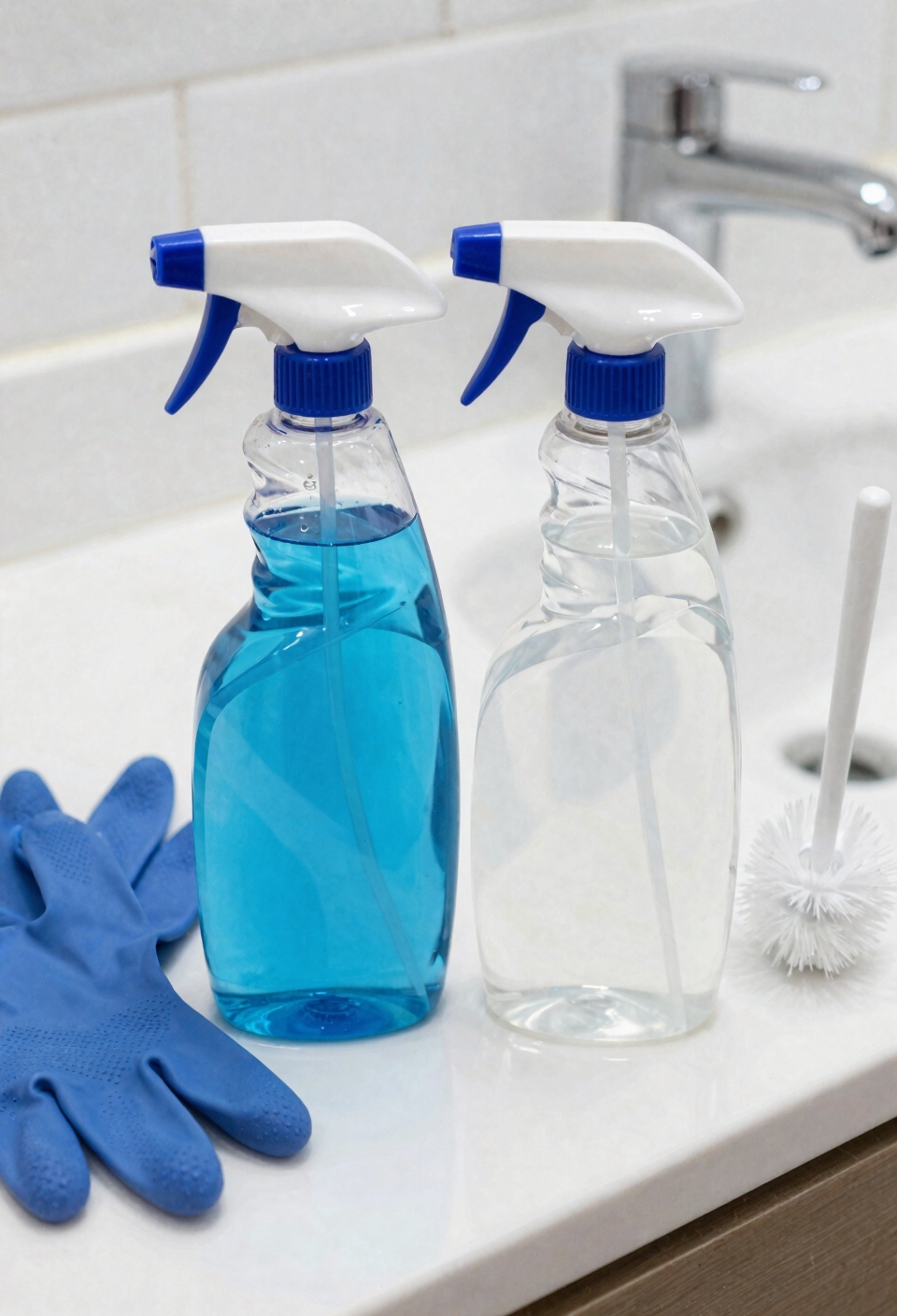
Now, here’s where a lot of people mess up catastrophically, and I mean really mess up—when you start combining different cleaners thinking you’re gonna supercharge your cleaning power. Don’t do it. I’m sure you’ve noticed how tempting it is to grab the bleach and ammonia simultaneously, but those incompatible ingredients create chloramine gas, which’ll wreck your respiratory system faster than you’d expect. Chemical reactions between products aren’t just ineffective; they’re genuinely dangerous. You’re not getting better results—you’re manufacturing poison in your toilet. Stick with one cleaner. Follow the label. That’s it. Your lungs will thank you, and honestly, your plumbing won’t suffer from unnecessary combinations either. Always ensure proper ventilation and careful handling when using bleach-based formulations to minimize exposure to harmful fumes.
Recommended Products

POWERFUL CLEAN, NO HARSH CHEMICALS Effectively cleans toilet bowls and helps remove stains and buildup using a plant-based formula—without chlorine bleach, phosphates, or harsh fumes.

Quickly Removes Rust, Dissolves Organic Stains And Cleans Hard Water Residue

Fast-acting solution quickly kills bacteria from surfaces
Set Up Proper Ventilation Before You Start
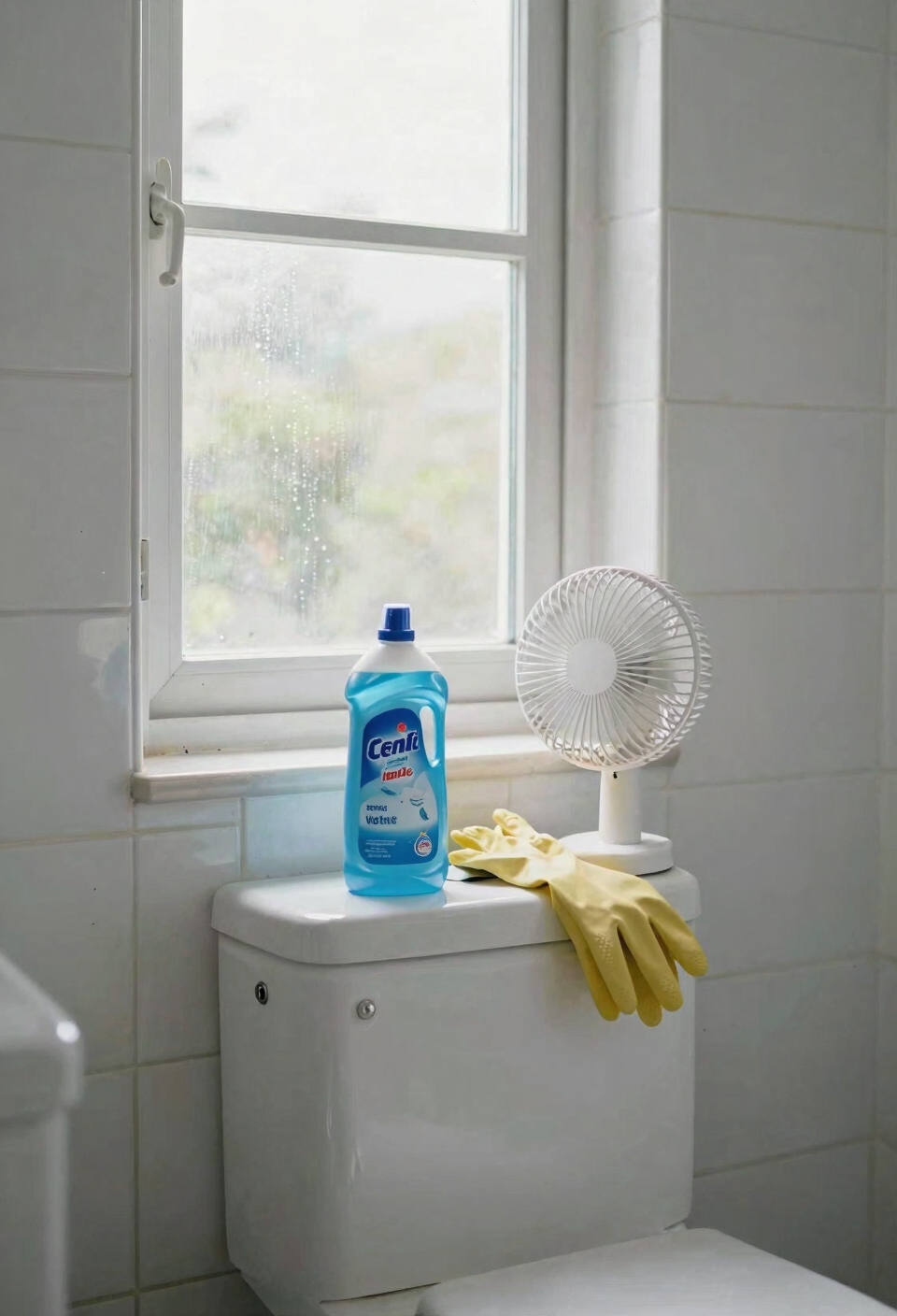
Before you crack open that toilet cleaner bottle, you’ve gotta set up your bathroom like you’re about to perform minor surgery—and I mean that literally, because you’re about to release chemicals into a confined space. Open windows immediately. Turn on your exhaust fan if you’ve got one. I’m sure you’ve noticed how quickly those fumes build up in there, and honestly, that’s your signal something needs better air movement.
Now, here’s the thing: strong odors dissipate way more effectively with proper circulation. You don’t need fancy air purifiers necessarily, though they’re a solid addition if you’re sensitive to chemical smells. Just get fresh air moving through that bathroom before you even think about applying cleaner. Your lungs—and frankly, your sinuses—will thank you for the basic prep work.
This is especially important when using strong acid cleaners like those containing hydrochloric acid, which can produce particularly pungent fumes that require extra ventilation to safely disperse.
Recommended Products

Utility exhaust ventilators are engineered to discharge grease laden vapors, fumes and other contaminants vertically away from the building. General Ventilation (UL705) and for Restaurant Duty (UL762) model SA-USBI is specifically intended for high temperature and/or heavy grease applications.

High Speed Direct Drive Centrifugal Upblast Exhaust Fan with speed control (three phase), disconnect switch and 36" wheel.

Compact Design, Easy Installation & Quiet Operation
Apply Cleaner Correctly to Maximize Results
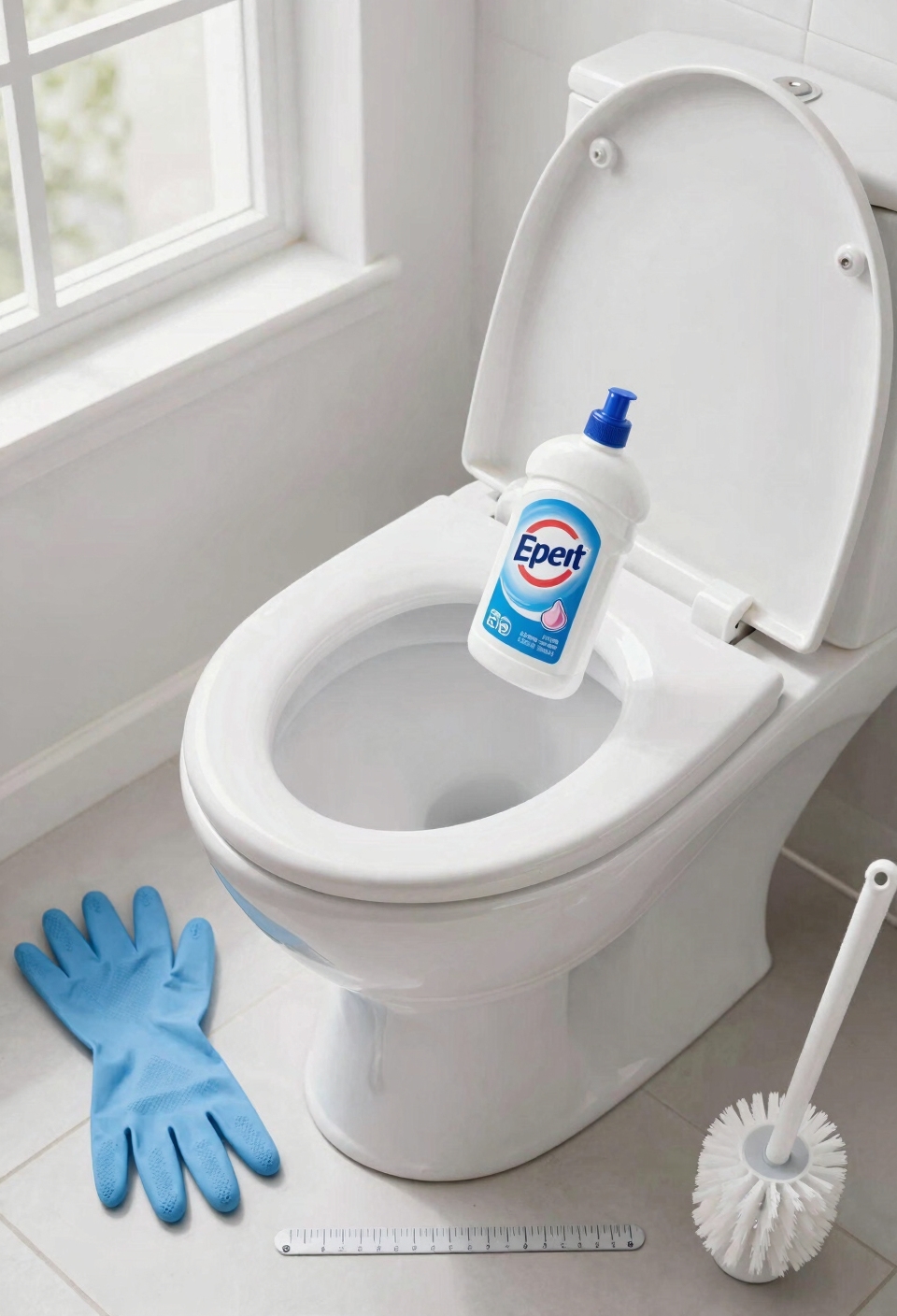
Once you’ve got that fresh air flowing, it’s time to actually get the cleaner where it needs to go—and yeah, there’s a right way and a wrong way to do this. I’m sure you’ve noticed that toilet cleaner works best when you’re strategic about application. You’ll want even coverage across the entire bowl surface, hitting those hard-to-reach spots under the rim with focus. Angle your brush to get underneath—that’s where nastiness hides. Don’t just slosh it around randomly and expect miracles. Follow whatever contact time the label specifies; that’s when the ingredients actually break down stains and mineral deposits. Patience beats aggression here. Use soft bristles, avoid overdoing the product amount, and let chemistry do the heavy lifting instead of muscling through it. For thick clinging gels, apply the product directly to the bowl surface and allow it to adhere longer for improved effectiveness against stubborn stains and limescale buildup.
Recommended Products

➤ DURABLE MATERIAL - Lola's toilet bowl brush comes with a curved head! It is made from plastic coated wire metal with durable poly fiber bristles. It comes with an ergonomic comfortable plastic handle.

Quality Materials: This stainless steel product features high quality, visually appealing and durable workmanship. This ensures long-lasting toilet hygiene.

(Clean Your Toilet) This is a long-selling product with over 150,000 units in sales history. You can use 2 different brushes to clean every corner of the toilet. Recommended by Panasonic
Wait the Recommended Time Before Scrubbing
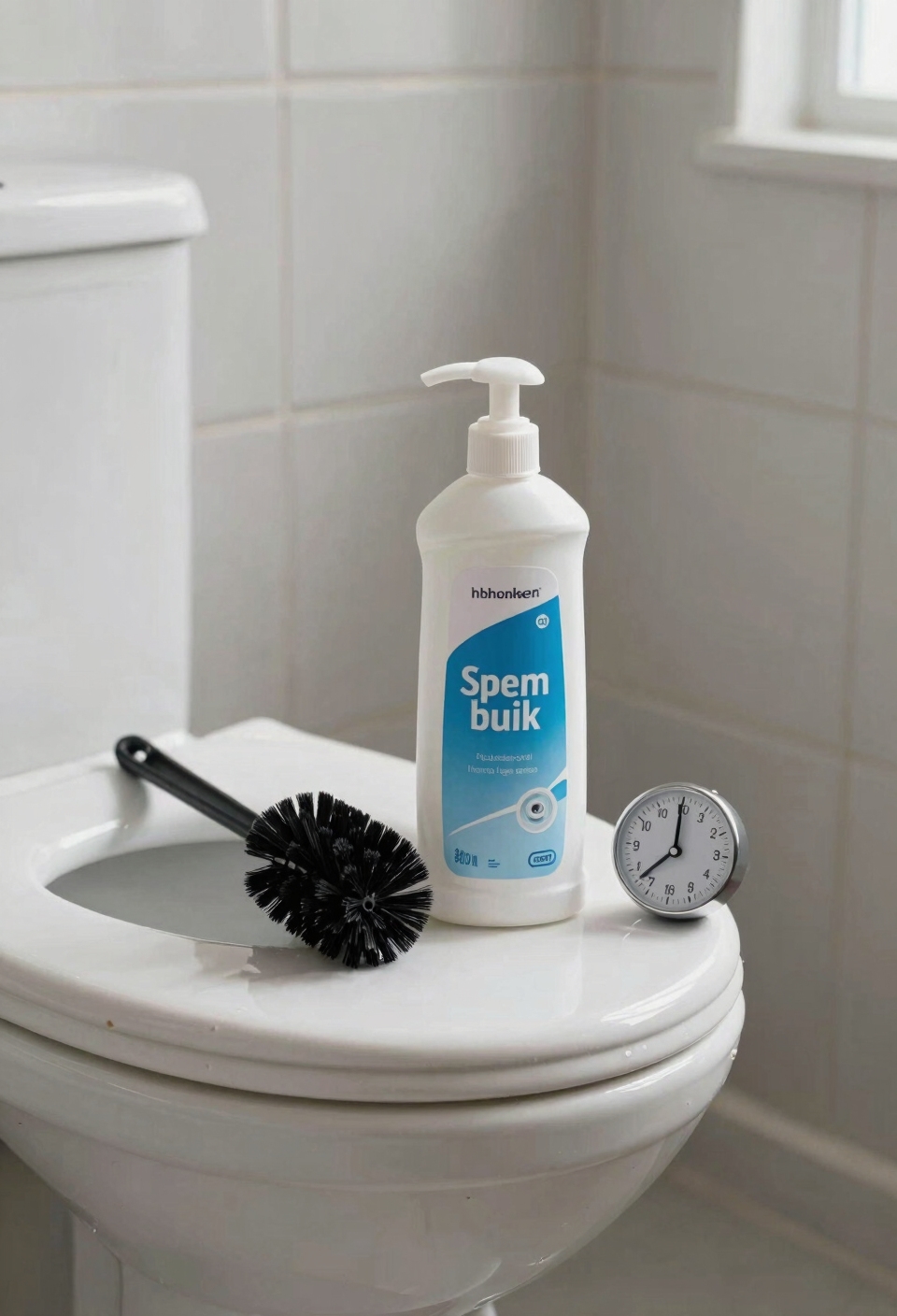
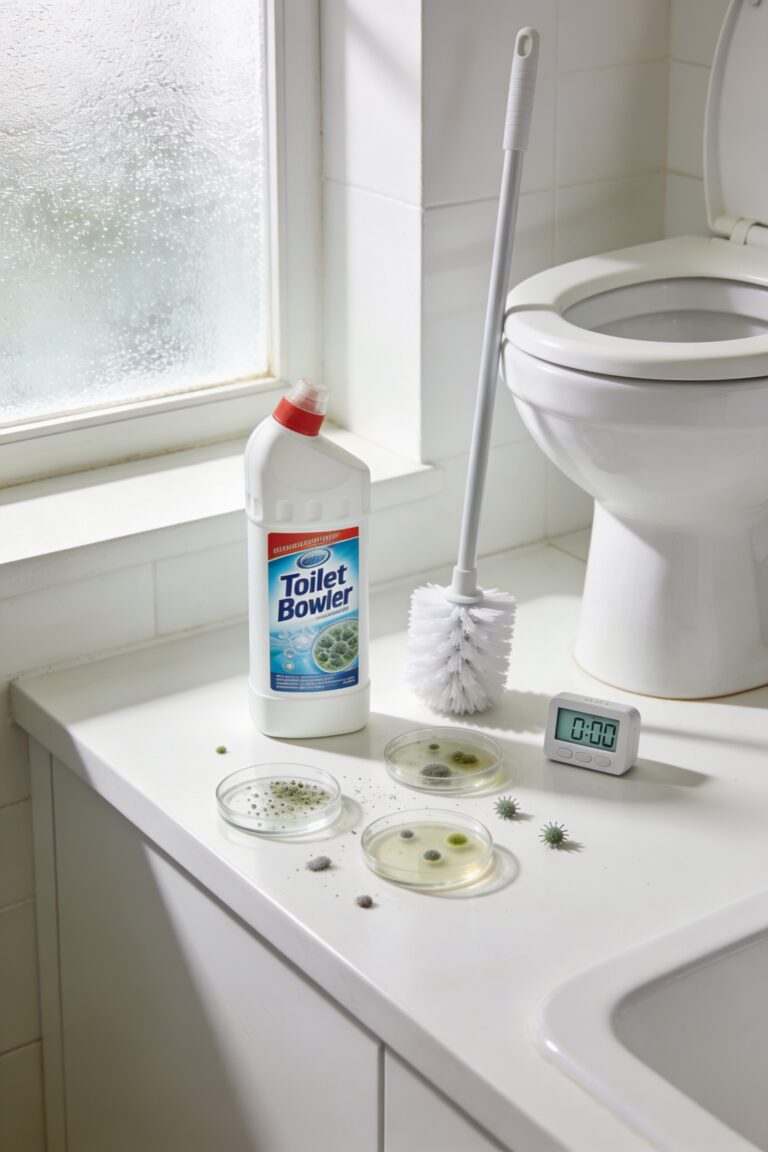
Here’s the thing about contact time—it’s not there to mess with you or pad out the cleaning process, and I’d wager you’ve probably already figured out that rushing this step basically wastes whatever product you just squirted into the bowl. Those active ingredients need time to actually work on stains, mineral deposits, and germs. I’m sure you’ve noticed that stubborn rings don’t disappear instantly, right? Allow sit time—usually five to fifteen minutes depending on your cleaner—and you’ll get exponentially better results than scrubbing immediately. For example, acidic formulas like Zep’s clinging formula require 10–20 minutes of extended contact time to tackle rust, stains, and scale effectively. Do a visual inspection before you grab your brush. If the stain’s still dark, let it keep working. That patience? It’s literally the difference between elbow grease and actual chemistry doing the heavy lifting for you.
Recommended Products

Quick Overview of Our Upgraded Smart Features: The upgraded CANEST smart bidet toilet delivers a whole new level of modern comfort, including ultra micro bubble rear and feminine wash, foam shield splash protection, 0.1s instant warm water, and automatic seat and water temperature adjustment based on room temperature. Built with a tank system delivering a powerful 1000g MaP flush that ensures thorough, clog-free cleaning every time.

Foam Shield: The HealthGuard Foam Shield forms a dense layer inside the bowl to prevent splashing, lock in odors, reduce waste adhesion, and maintain a hygienic environment, giving you a cleaner, more comfortable experience every time.(Foam liquid sold separately)

Strong Flush Technology: Our smart toilet delivers maximum cleaning power with an advanced vortex flushing system, using only 1.26 GPF for water efficiency. Emergency flush function ensures reliable operation even during power outages
Flush Thoroughly and Dispose Responsibly
Now that your scrubbing’s done and the stains have surrendered, you’re not quite finished—and I know that probably sounds annoying, but stick with me because this part actually matters. You’ll want to flush multiple times to remove all cleaner residue and protect your drains from buildup. I mean, skipping this step is like leaving soap in your hair after shampooing—technically possible, but why would you?
When you’re done, follow the proper dilution ratios listed on your bottle, and obviously don’t dump excess cleaner down the toilet or drain. Be cautious when handling broken tablets to avoid direct chemical contact, especially if your product arrives damaged during shipping. Check your container for recycling options too, since many are recyclable and deserve a second life rather than the landfill. This responsible disposal protects both your plumbing and the environment, and multiple tablets should be avoided to prevent dangerous chemical reactions that can damage your system.
Frequently Asked Questions
How Often Should I Replace My Toilet Brush for Hygiene and Effectiveness?
You should replace your toilet brush at least once yearly for ideal hygiene and effectiveness. I’d recommend checking its brush condition regularly—if bristles are frayed or worn, don’t wait for the annual replace frequency.
What Tools Should I Avoid Using to Prevent Damage to My Toilet Bowl?
I learned the hard way that using steel wool scratched my porcelain like gravel on glass. You’ll want to avoid abrasive pads and metal brushes entirely—they’ll damage your bowl’s surface permanently.
Can Non-Toxic Cleaners Reduce the Need for Protective Equipment When Cleaning?
Yes, non-toxic cleaners can reduce protective equipment needs since safer formulations present fewer hazards. However, I’d still recommend optional gloves for hygiene purposes, as user perceptions of safety don’t eliminate chemical residues or replace standard protective practices.
Why Does the Toilet Bowl Surface Need to Dry Before Applying Cleaner?
You’ve got to strike while the iron’s hot. I’ve found that drying the surface prevents preventive residue buildup and guarantees proper chemical dilution, letting the cleaner concentrate effectively on stains rather than spreading thin across moisture.
What Should I Do With Leftover Cleaner Instead of Pouring It Away?
I’d recommend storing leftover cleaner in its original container for future use. You can also check if local donation programs accept unopened products, or follow your community’s chemical waste disposal guidelines for safe, responsible handling.
Conclusion
Look, handling toilet bowl cleaner isn’t rocket science, but it demands respect. You’re basically wielding a chemical sword—powerful, effective, but capable of serious damage if mishandled. Follow these guidelines religiously, and you’ll keep your bathroom sparkling without turning it into a hazmat zone. Your lungs and skin will thank you. Your family stays safe. That’s the whole ballgame.