As an Amazon Associate, we earn from qualifying purchases. Some links on this site are affiliate links at no extra cost to you. Our recommendations are based on thorough research and editorial judgment.

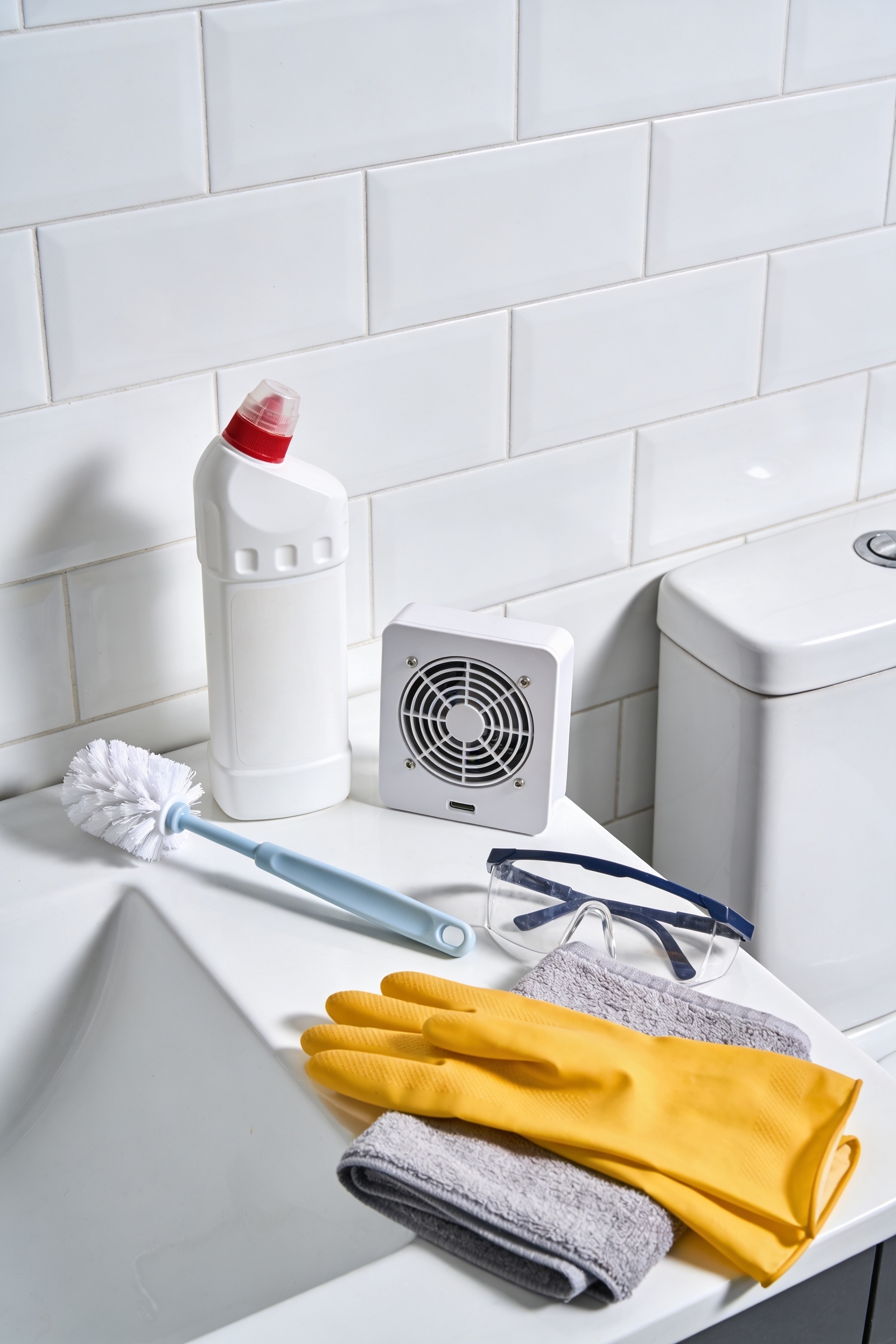
7 Best Safety Tips For Handling Toilet Cleaners

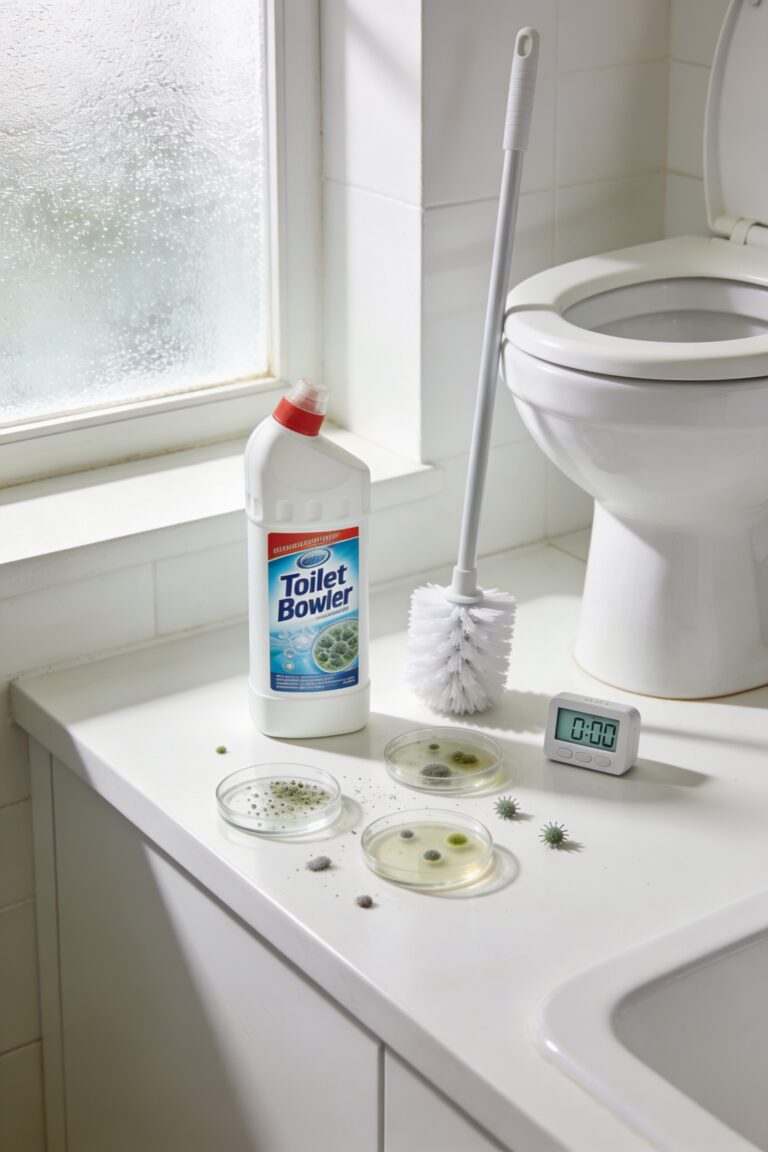
I’m sure you’ve noticed those gnarly warning labels on toilet cleaners, and honestly, they’re there for good reason—these things’ll burn your skin or wreck your eyes if you’re not careful. Here’s the deal: read that label first, throw on gloves and goggles before you even open the bottle, crack a window and flip on your exhaust fan, never mix cleaners together (seriously, toxic fumes are no joke), let the product sit for its recommended time, scrub gently with a soft brush, then flush twice and wash your hands thoroughly. Stick around if you want the specifics on which ingredients actually do what.
Key Takeaways
- Wear rubber gloves and safety goggles before opening or applying any toilet cleaner to prevent chemical burns and eye injuries.
- Open windows and turn on exhaust fans to prevent toxic fume accumulation and reduce respiratory irritation in enclosed bathrooms.
- Never mix toilet cleaners with other products, as this creates dangerous chemical reactions that can release toxic gases.
- Allow cleaner to sit for the recommended contact time listed on the label before scrubbing to maximize stain removal.
- Scrub gently with a soft-bristled toilet brush using circular motions, then flush twice to remove all cleaner residue completely.
Read Your Toilet Cleaner Label First
Before you squeeze that bottle into your bowl, I’m sure you’ve noticed there’s a whole lot of information crammed onto that tiny label—and honestly, most of us just ignore it and dive right in. But here’s the thing: that label’s actually your roadmap to not destroying your toilet or your lungs.
You’ve got ingredient meanings spelled out there—what’s actually doing the heavy lifting against stains and mineral deposits. Storage temperatures matter too; keeping your cleaner in the right conditions means it’ll work when you need it. Most bleach toilet cleaners require 5-15 minutes of contact time for optimal stain removal, so check your label for the specific timing recommended for your product. I’m telling you, spending thirty seconds reading what you’re about to pour beats learning the hard way that you’ve mixed something dangerous or used something incompatible with your porcelain. Your future self will thank you.
Put On Gloves and Goggles Before Starting
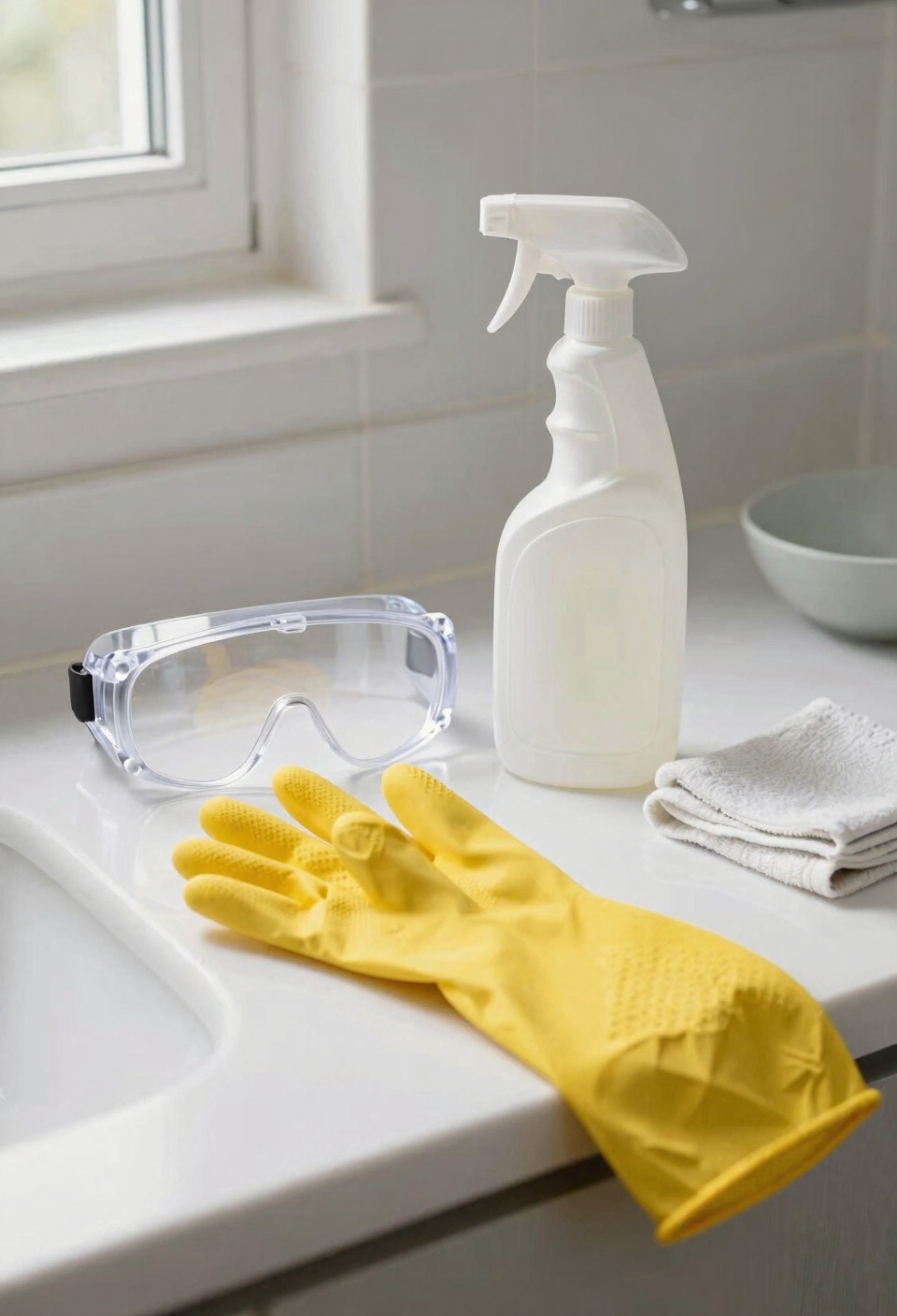
Grab your rubber gloves and safety goggles—and I mean actually grab them before you open that bottle, not after you’ve already splashed cleaner on your hands wondering why they’re tingling. Look, I know it seems obvious, but skin protection isn’t optional here. Those caustic chemicals will absolutely wreck your hands and eyes if you’re not careful. Rubber gloves prevent chemical burns, dry skin, and allergic reactions during application. Safety goggles with stronger formulas protect against splash prevention and caustic splashes that’ll mess you up. I’m sure you’ve noticed how quickly that tingling sensation starts—that’s your signal you should’ve suited up first. Strong acid-based cleaners like hydrochloric acid formulas require particularly careful handling to prevent severe chemical burns. Don’t skip this step. Your future self will thank you when your skin isn’t angry and inflamed.
Recommended Products


Package Dimensions: 25.0" (L) x 13.0" (W) x 13.0" (H)

STURDY COMPOSITION: Butyl rubber construction (standard for most CBRN/Hazmat protocols). Superior resistance against hazardous chemical splashes and exposure
Open Windows and Turn On the Exhaust Fan
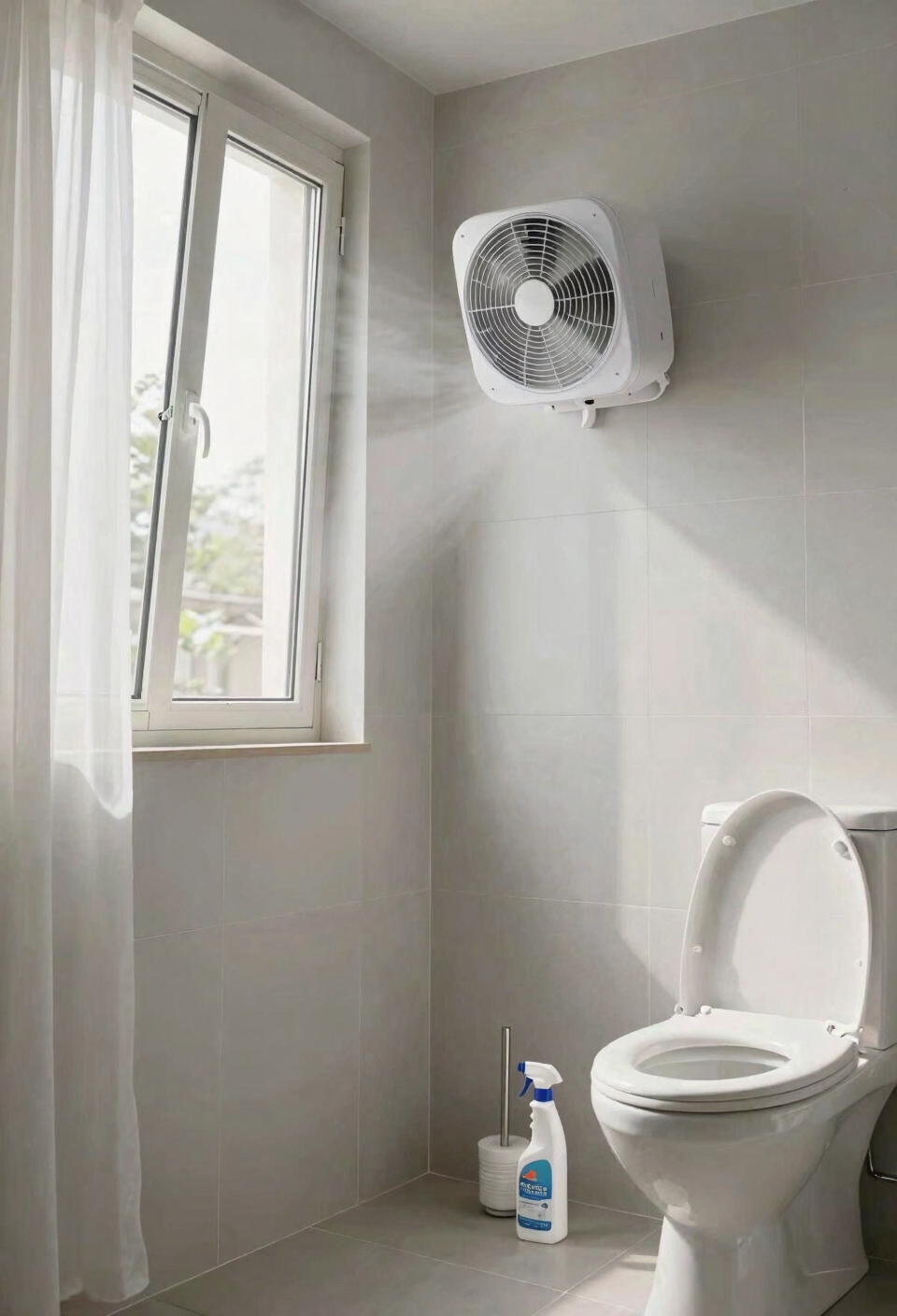
All right, now that you’re suited up like you mean business, let’s talk about something equally important that people constantly overlook—getting air moving through that bathroom. I’m sure you’ve noticed how toilet cleaner fumes can practically knock you sideways if you’re not careful. Open that window before you start, seriously. Turn on the exhaust fan too—think of it as your personal air exchange system working overtime. These chemical odors aren’t just unpleasant; they’re potentially harmful to breathe in for extended periods. Proper ventilation prevents toxic vapors from accumulating in that enclosed space, which means better odor control and less respiratory irritation for you. Consider using bleach-free and plant-based cleaners like those made with natural ingredients to further reduce harsh fume exposure in your bathroom. Your lungs will thank you, trust me.
Recommended Products

Utility exhaust ventilators are engineered to discharge grease laden vapors, fumes and other contaminants vertically away from the building. General Ventilation (UL705) and for Restaurant Duty (UL762) model SA-USBI is specifically intended for high temperature and/or heavy grease applications.

High Speed Direct Drive Centrifugal Upblast Exhaust Fan with speed control (three phase), disconnect switch and 36" wheel.

Compact Design, Easy Installation & Quiet Operation
Never Mix This Cleaner With Other Products
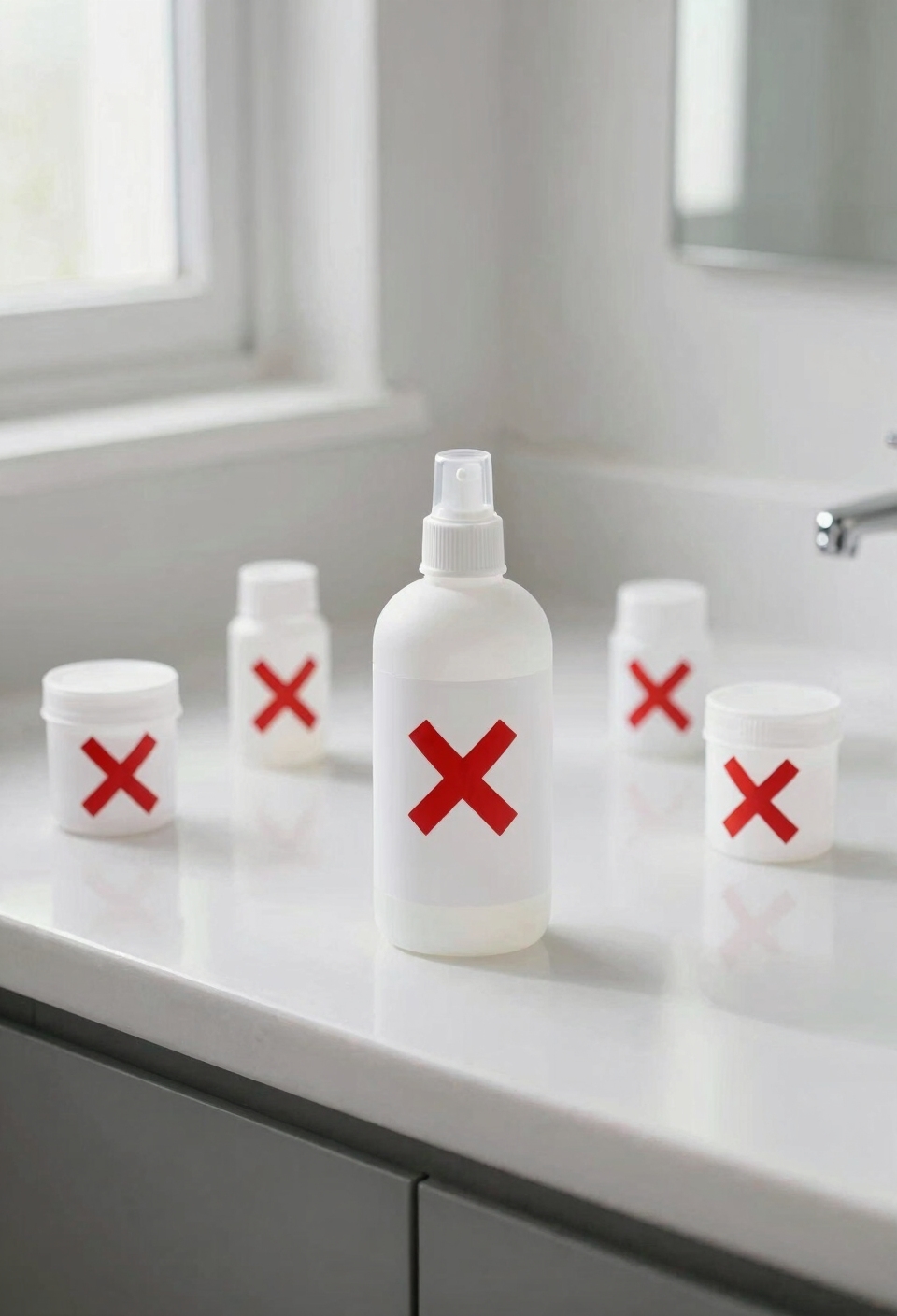
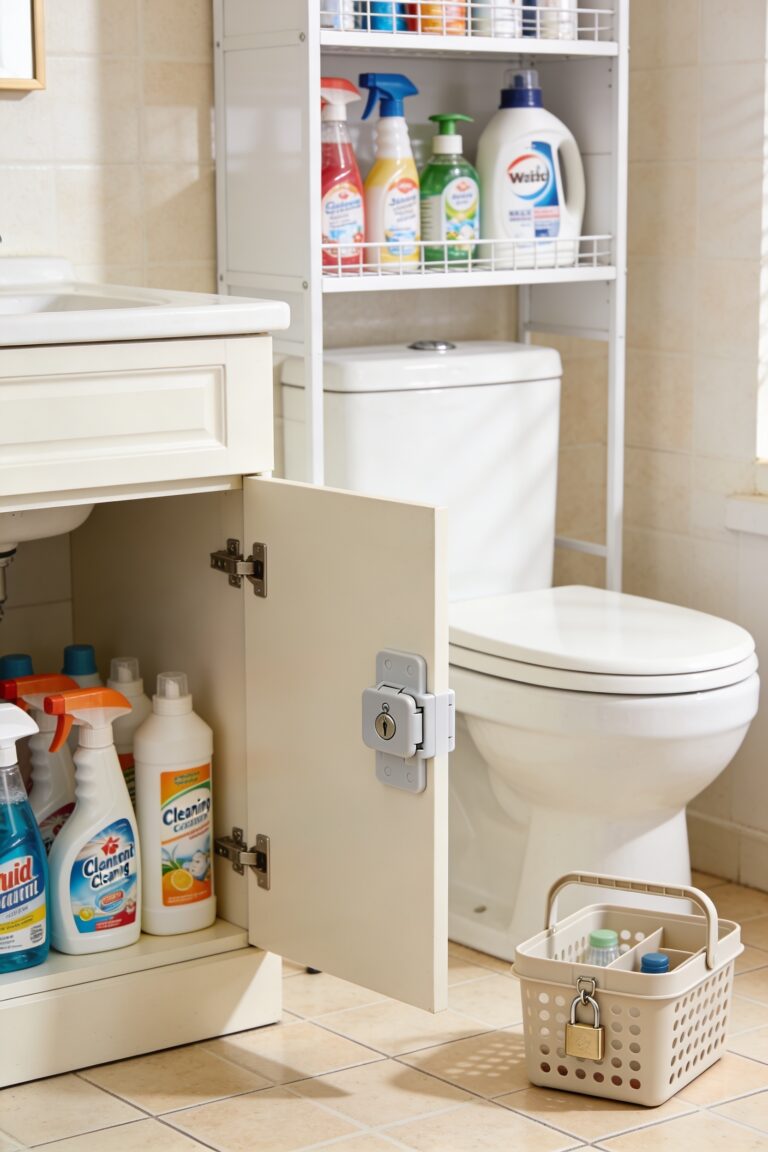
Now, this is where I need to be really blunt with you: mixing toilet cleaners with other products is probably the single most dangerous thing you can do in that bathroom, and I’m not exaggerating for effect. When you combine different cleaners—say, toilet bowl cleaner with bleach or drain cleaner—you’re triggering chemical reactions that release toxic fumes capable of creating genuine household emergencies. I’m talking respiratory damage, chemical burns, even explosions in worst-case scenarios. The stuff under your sink isn’t meant to play nice together. Use one product per cleaning session, period. Flush thoroughly between applications if you absolutely must switch products, and for God’s sake, ventilate aggressively. Mixing can specifically create chlorine gas that causes severe respiratory issues or death. Your lungs will thank you.
Recommended Products

Expands Deep Where Other Cleaners Can't Reach - TurboFoam’s thick, natural foam pushes deep into drains and pipes with its 24” precision tube—coating hard-to-reach buildup and problem zones that traditional cleaners miss. No more surface-level fixes—this is deep drain hygiene

Premium Uncoated Sodium Percarbonate, the best type for mixing, DIY, and cleaning around the home.

100% PURE Uncoated Sodium Percarbonate, an excellent multi-purpose cleaning and bleaching agent for many tasks around your home. Uncoated Sodium Percarbonate is the best type for mixing, DIY, and cleaning around the home.
Apply Cleaner and Let It Sit (Don’t Rush)
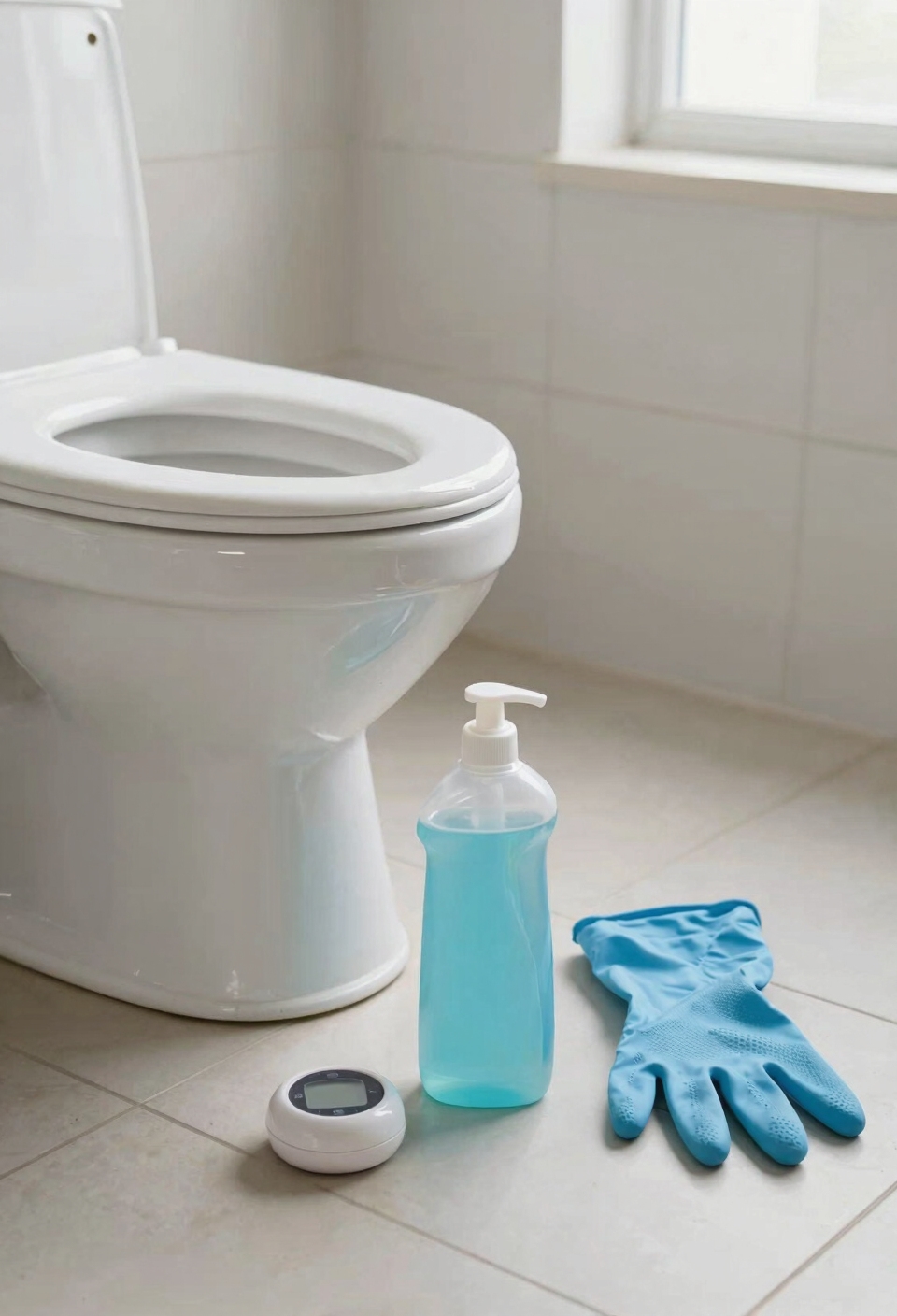
Once you’ve gotten that cleaner into the bowl, here’s where most people mess up: they immediately grab the brush and start scrubbing like they’re trying to sand down a deck. Don’t do that. You’re wasting your cleaner’s actual superpower: dwell time. I’m sure you’ve noticed that toilet bowl stains don’t just vanish instantly—they’re basically bonded to the ceramic. That’s where patience comes in. Let the chemical sit there for however long the label says, maybe longer if you’re dealing with serious mineral deposits. That contact time allows for proper stain penetration, letting the active ingredients actually break down what you’re fighting. Rush it, and you’re just moving dirty water around. Give it time, and you’ll scrub half as hard for twice the results. For example, products with thick cling-gel formulas are specifically designed to stay in contact with the bowl surface longer, maximizing their cleaning potential.
Recommended Products

Quickly Removes Rust, Dissolves Organic Stains And Cleans Hard Water Residue

Fast-acting solution quickly kills bacteria from surfaces

Fresh scent
Scrub Gently With a Soft-Bristled Toilet Brush
They agitate the loosened deposits without tearing into your bowl, and honestly, after you’ve let that cleaner sit for the recommended time, you don’t need to channel your inner home renovator anyway. I’m sure you’ve noticed how easy it is to get aggressive with a toilet brush—I’ve definitely been there—but that’s where soft brushes actually save you. Use gentle strokes in circular motions around the bowl, focusing on stained areas. The chemical work’s already done the heavy lifting, so you’re really just helping things along. Long-handled soft brushes reach under the rim without requiring you to scrub like you’re possessed. Skip steel wool or abrasive pads entirely; they’ll scratch your porcelain permanently. Silicone bristles with larger spacing prevent hair and debris from tangling in your brush, making cleanup easier and more hygienic. You want effective cleaning, not a trashed toilet.
Recommended Products

A symbol of beauty and grace, this hand-woven rattan swan adds a splash of whimsy, natural texture and elegance to any space. A stylish display for houseplants, flowers, or storing blankets in the living room and towels in the bathroom.

Stylish Design for Bathroom Elegance: The Zone Denmark Nova One Toilet Brush is a statement of chic design, featuring a soft-touch coating that adds a touch of elegance to your bathroom. Beyond its functional role, this brush is a stylish accessory that seamlessly blends with modern decor, enhancing the overall aesthetic appeal of your bathroom.

【 Quality 】 High quality smooth canvas, durable, using advanced color technology for high-resolution printing, ensuring that every image can be presented clearly and vividly
Flush, Rinse Your Hands, and Dispose Safely
After you’ve done the scrubbing work—and hopefully resisted the urge to channel your inner demolition crew—it’s time to finish the job properly because, well, you’ve still got chemicals sitting in your toilet and on your hands. Flush the toilet twice to make certain you dispose properly of the cleaner residue and any loosened debris. Now here’s the pivotal part: your handwashing technique matters more than you’d think. Wash with hot water and soap for at least twenty seconds, getting between your fingers and under your nails where cleaner sneaks in. Don’t just do a quick rinse—those chemicals linger. If you wore gloves, dispose of them safely in the trash. For households with septic systems, ensure you use septic-safe formulations to protect the beneficial bacteria in your plumbing while maintaining proper hygiene. This final step isn’t boring; it’s literally the difference between clean hands and irritated skin.
Frequently Asked Questions
What Should I Do if Toilet Cleaner Accidentally Splashes in My Eyes or on My Skin?
If toilet cleaner splashes on you, I’d immediately flush the affected area with water for at least 15 minutes. For eyes, use an eyewash station if available. Then seek medical attention, bringing the product label for a neutralizing rinse recommendation.
How Long Can I Safely Store an Opened Bottle of Toilet Cleaner in My Bathroom?
Most opened toilet cleaners last 6-12 months safely. I’d store yours in cool, low-humidity bathroom areas away from moisture, which degrades shelf life. Always check your product’s label for specific storage guidance before using.
Is It Safe to Use Toilet Cleaner if I’m Pregnant or Nursing a Baby?
I’d recommend avoiding direct contact with toilet cleaner during pregnancy precautions and nursing exposure. Instead, I’d have someone else handle cleaning, or I’d wear heavy-duty gloves, goggles, and guarantee excellent ventilation if I must do it myself.
Can I Use Toilet Cleaner on Fixtures Outside the Toilet Bowl, Like the Tank Exterior?
I’d rather wrestle a alligator than risk it! No, don’t use toilet cleaner on exterior tank surfaces—it’ll cause chemical corrosion and surface staining. Stick with mild soap and water for fixtures outside the bowl.
What’s the Proper Way to Dispose of Leftover or Expired Toilet Cleaner Safely?
I’d recommend checking your local hazardous waste facility for proper disposal guidelines, since toilet cleaner’s a hazardous waste product. Never pour it down drains or throw it in regular trash—it’ll damage pipes and harm the environment.
Conclusion
Look, I’ve thrown caution to the wind with cleaners more times than I’d like to admit, and I’m still here to tell the tale. But honestly? Following these seven steps isn’t about being paranoid—it’s about respecting that you’re basically wielding liquid chemistry. Your lungs and skin will thank you. Clean toilets don’t require sacrificing your health; they’re not mutually exclusive goals.