As an Amazon Associate, we earn from qualifying purchases. Some links on this site are affiliate links at no extra cost to you. Our recommendations are based on thorough research and editorial judgment.

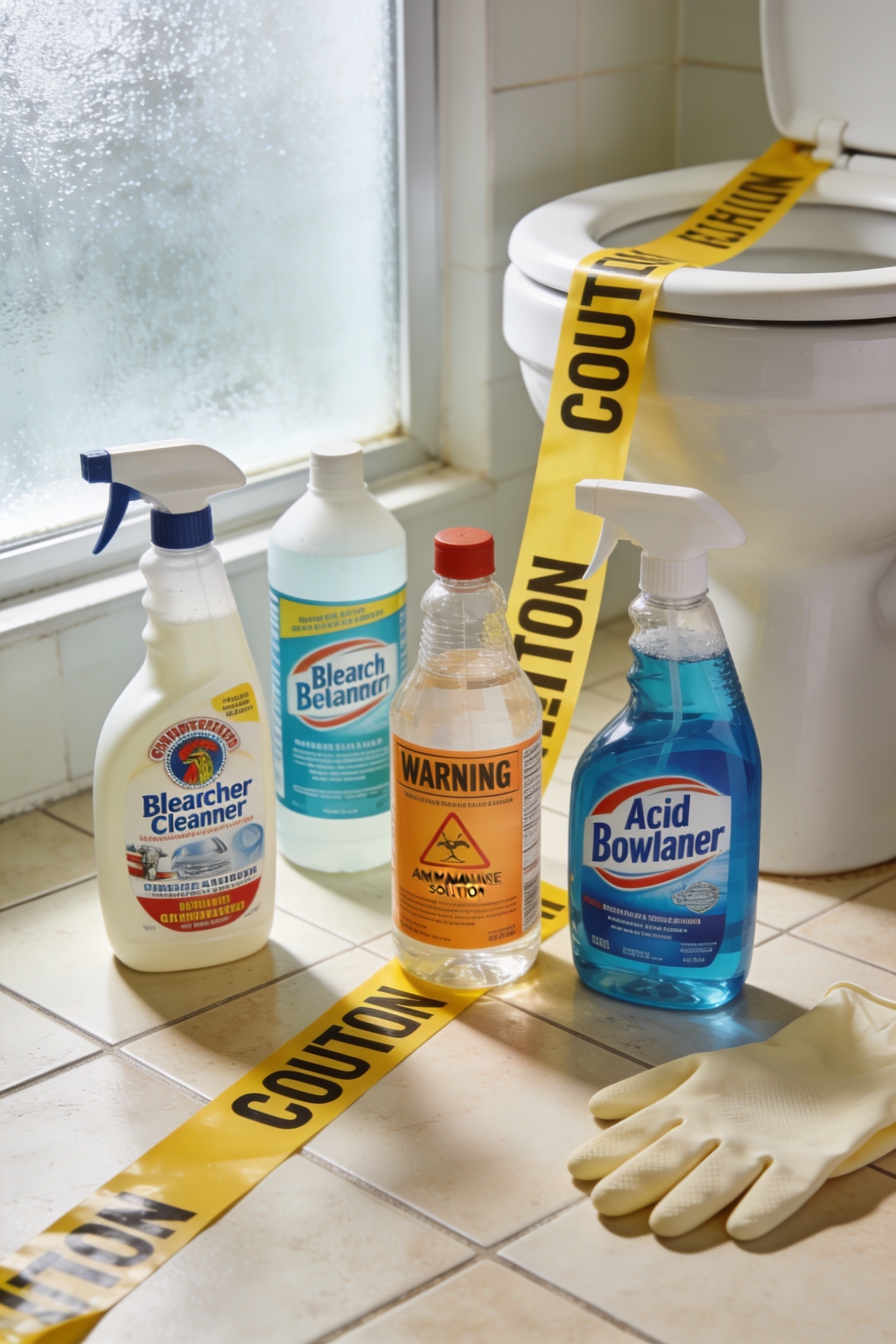
Never Mix These Toilet Cleaners: Lethal Chemical Reactions

Look, I’m sure you’ve grabbed two different toilet cleaners thinking you’re being thorough, but here’s the thing: mixing bleach with ammonia creates chloramine gas that’ll wreck your lungs fast. Acid cleaners plus bleach? That’s chlorine gas, and you’re looking at respiratory damage or worse in an enclosed bathroom. Symptoms hit within minutes—chest pain, burning throat, difficulty breathing. Honestly, stick with one product per job. Your toilet doesn’t need a chemistry experiment; it needs elbow grease and patience. There’s actually a smarter way to handle this.
Key Takeaways
- Bleach mixed with ammonia produces chloramine gas, causing respiratory damage, chest pain, and potential hospitalization.
- Bleach and vinegar create chlorine gas, triggering rapid respiratory damage and dangerous confined-space reactions.
- Acid-based toilet cleaners combined with other products cause unpredictable toxic or explosive chemical reactions.
- Evacuate immediately, open windows, and call poison control or 911 if accidental mixing occurs.
- Use single cleaning products per task; safer alternatives include baking soda, vinegar, or hydrogen peroxide alone.
The Most Dangerous Cleaner Combinations to Avoid
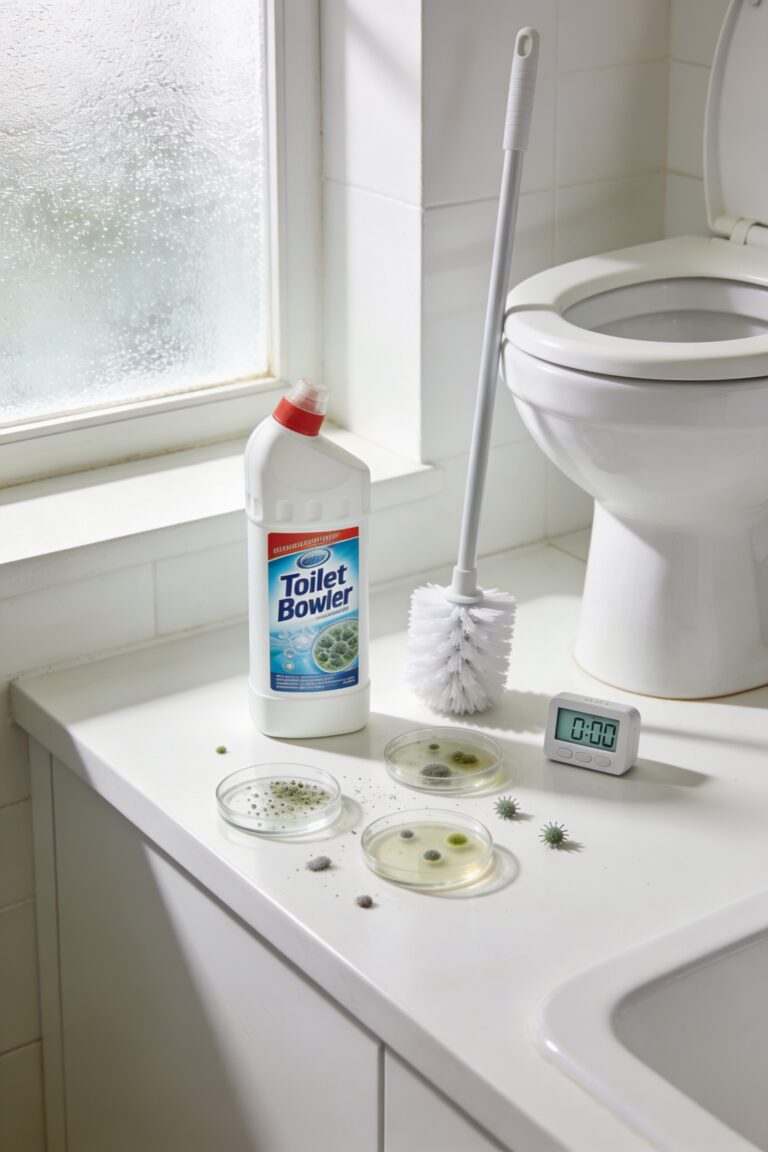
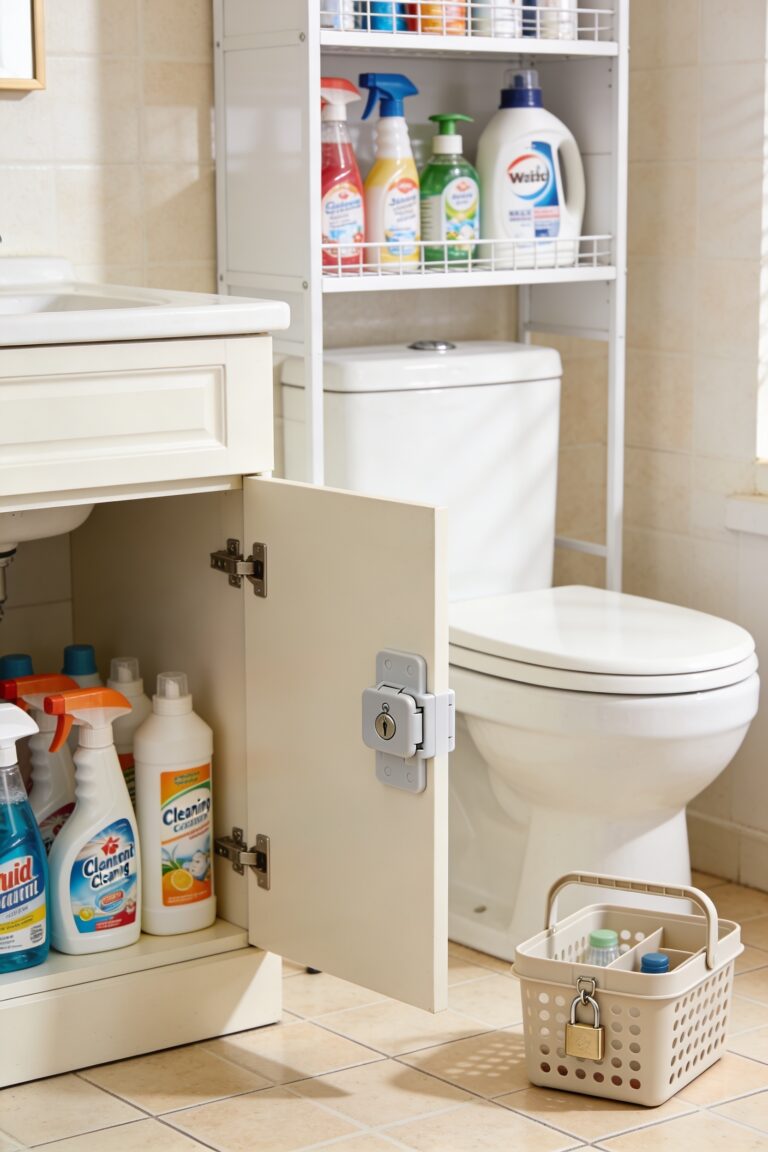
Now, I’m sure you’ve noticed that your bathroom cabinet’s basically a chemistry set waiting to explode—and I mean that literally, not as some kind of metaphor. Here’s the thing: bleach mixed with ammonia creates chloramine gas, which’ll wreck your lungs faster than you’d think possible. Bleach and vinegar? That’s chlorine gas territory. Acid-based toilet cleaners combined with basically anything else produce unpredictable reactions that range from toxic to genuinely explosive. The real problem is chemical ignorance—most people don’t realize these products sitting side-by-side create this toxic synergy. You’re mixing cleaners designed for identical purposes, assuming they’re somehow compatible. They’re absolutely not. Different brands, different formulations, different danger levels entirely. When combining different brands of blue toilet cleaners, toxic fumes and chemical reactions can occur that pose severe health risks to you and your family.
What Happens When You Mix Bleach and Ammonia?
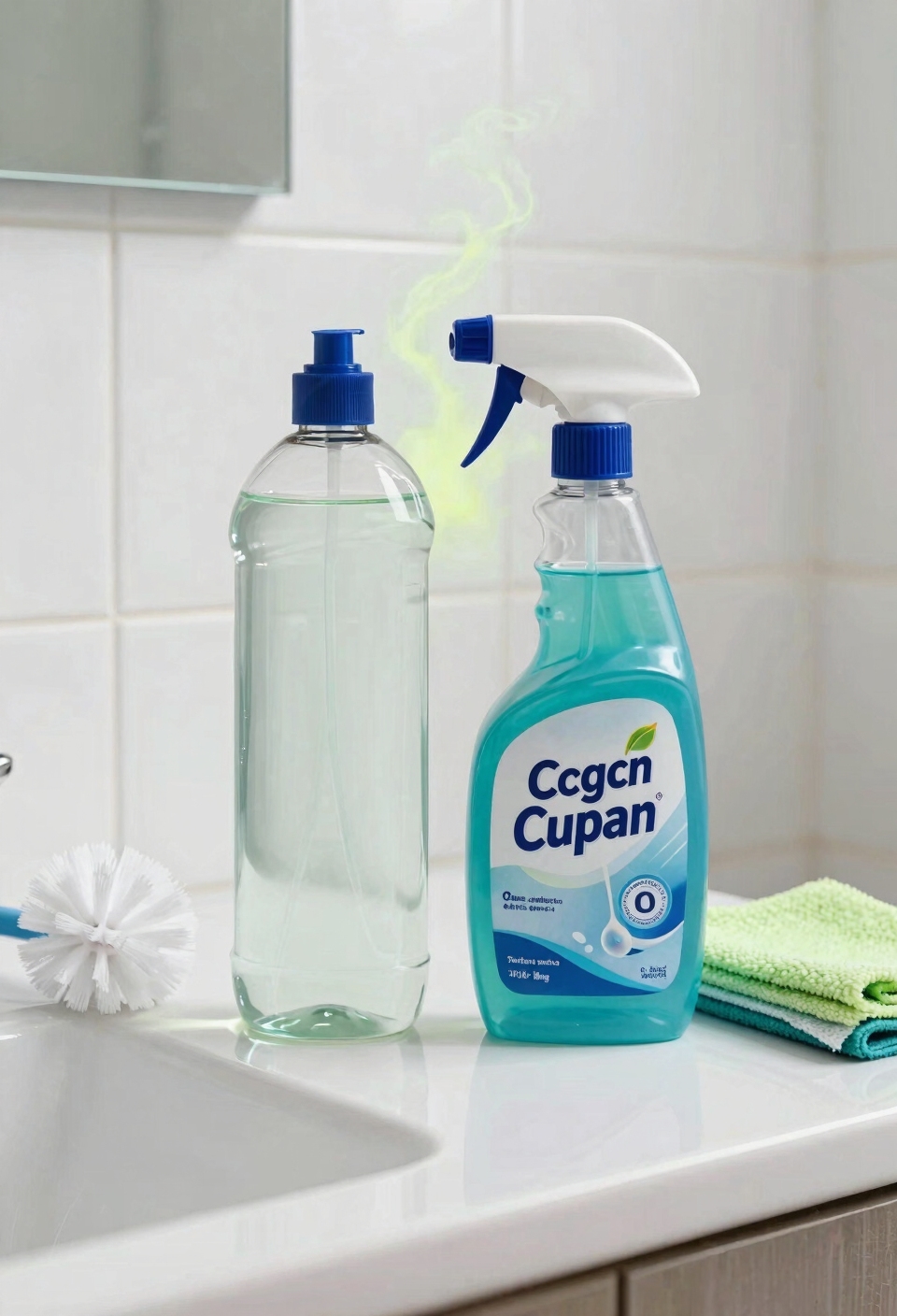
When you mix bleach and ammonia, you’re effectively creating a chemical weapon in your bathroom without even realizing it—and that’s not hyperbole. The chloramine formation happens almost instantly, producing a toxic vapor that’ll hit your lungs like nothing you’ve experienced before. I’m sure you’ve noticed those toilet cleaners with ammonia lurking in the ingredient list—they’re everywhere, which means you’re one absent-minded cleaning session away from a respiratory emergency.
Here’s the thing: your body doesn’t care that you didn’t mean to mix them. Chloramine gas causes immediate chest pain, shortness of breath, and that panic-inducing sensation of drowning on dry land. Even moderate concentrations in an enclosed bathroom can hospitalize you. The scariest part? You might not realize what you’ve done until symptoms hit. Products like bleach-based formulations dominate the toilet cleaner market, making accidental mixing scenarios increasingly likely in households stocking multiple cleaning products.
Recommended Products

Allied Science Urinal Salt Remover - Dissolves and removes uric acid salts and scale from lime, rust, calcium and other such mineral deposits. Size: 1 Quart / 32 fl oz / 946 ml.
[99.9% Lead Reduction for Safer Water] Featuring a 44× larger filtration surface and a food-grade coconut shell carbon block, this system effectively reduces up to 99.9% of lead and also reduces chlorine, BPA, PFAS, such as PFOA, PFOS and other harmful contaminants. Enjoy cleaner, safer water throughout your home.
Open-Top Comfort & Easy Entry: Litter box spacious open-top design allows cats to enter and exit freely, reducing stress and supporting natural behavior. Suitable for kittens from 3 lbs up to 27.5lbs. Self cleaning litter box is ideal for multi-cat households. The open layout also helps cats transition easily from traditional kitty litter box to automatic use.
Why Acid Cleaners Shouldn’t Mix With Bleach
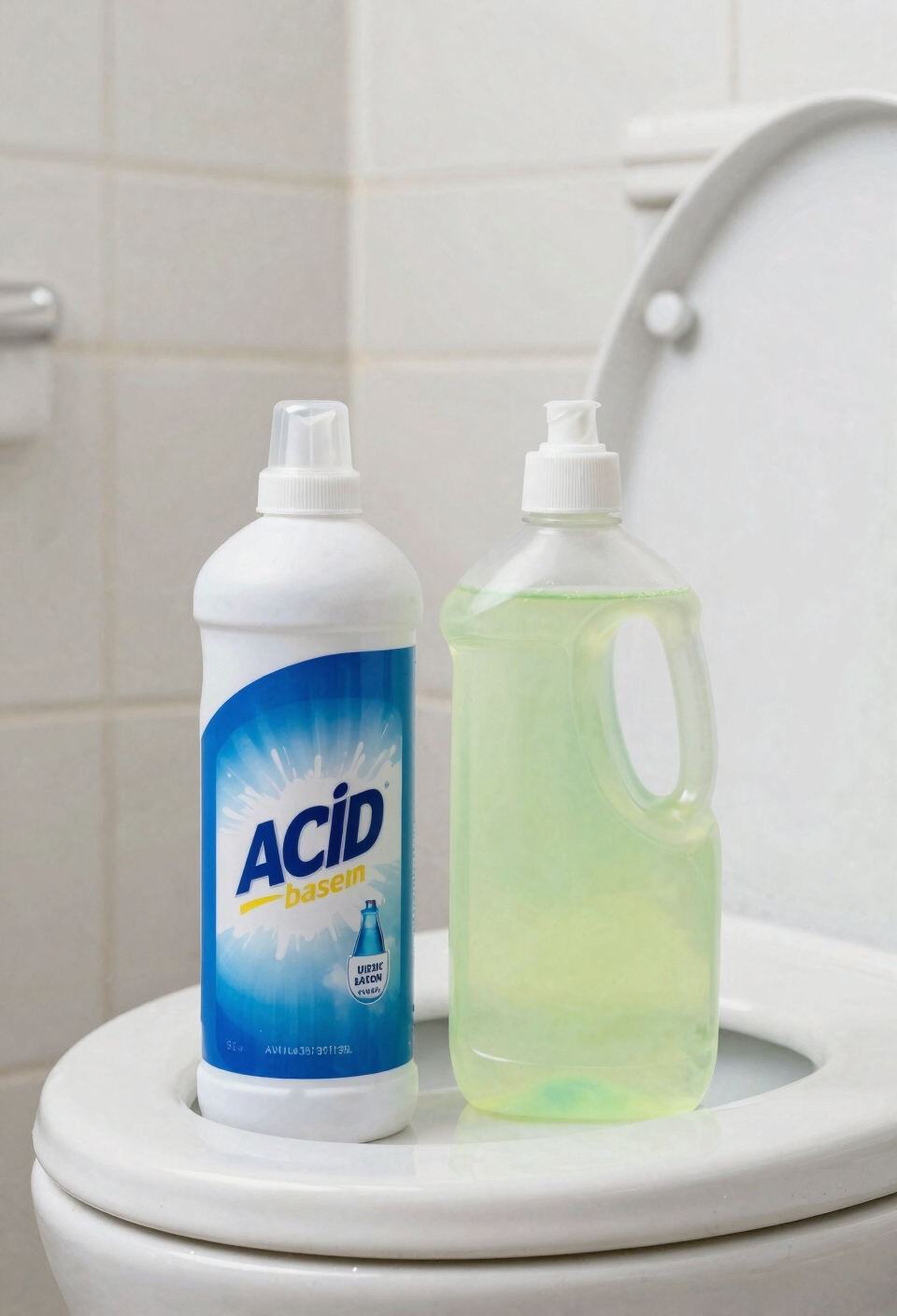
If you thought the bleach-and-ammonia combo was bad—and I mean, it is genuinely terrible—then acid cleaners mixed with bleach represent a whole different tier of bathroom disaster. Here’s what happens: you’re practically forcing acid neutralization while simultaneously triggering chlorine gas production. The bleach oxidizes the acid, and boom—you’ve got a chemical reaction that doesn’t just make you cough. We’re talking about metal corrosion accelerating within your pipes, potential explosions in confined spaces, and respiratory damage that hits fast. I’ve seen bathroom injuries from this exact mistake. The acid cleaners dissolve mineral deposits brilliantly solo, but combine them with bleach and you’re creating conditions that belong nowhere near your home. Ensure proper ventilation by opening windows or running your bathroom fan if you’ve accidentally mixed cleaners or are concerned about lingering fumes. Just don’t.
Recommended Products

💖Barrier-Free Access: 60"L x 36"W x 1.3"H zero threshold shower pan is just 1 inch high when floor-mounted. Shower base can also be recessed into the subfloor, leaving only a 1/8-inch transition for a smooth, ideal for wheelchair users, seniors, or those with limited mobility.

One Tablet, One Quart, Fifty Gallons Per Tub: Drop a single tablet into a quart of water for a ready to use 1076 PPM disinfectant, then pour it into a spray bottle. A 200 count tub makes about 50 gallons of solution, so one purchase covers far more cleaning than a jug ever could.

Highly Concentrated Formula:This horticultural vinegar concentrate is formulated with 49% acetic acid, delivering industrial-grade strength for demanding cleaning tasks. The convenient 1-gallon size allows you to dilute it to any desired concentration—from a gentle 4% household cleaner to a stronger 20% solution for outdoor use.
If You Mix Cleaners Accidentally: Act Now
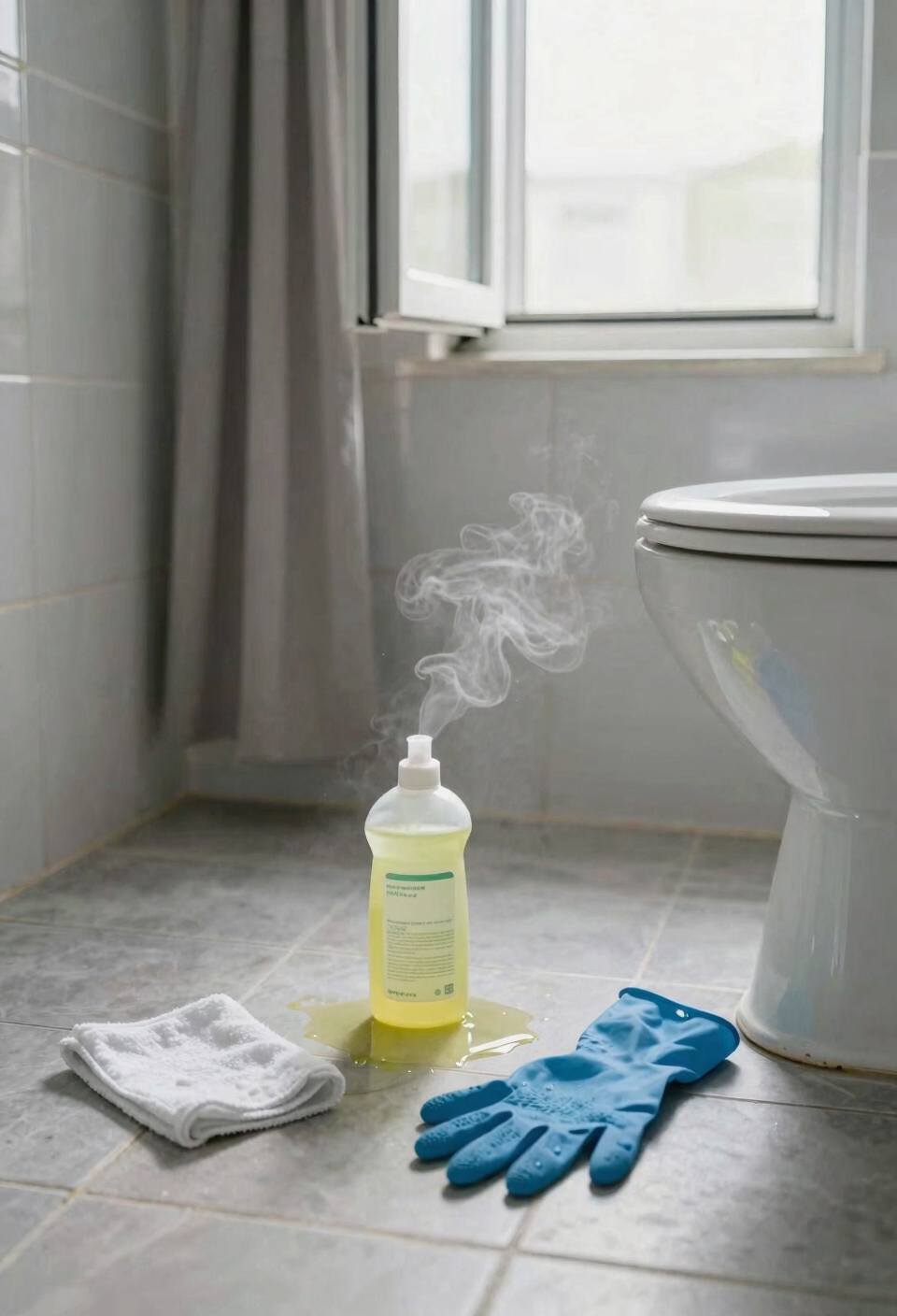
You’ve got maybe seconds to think straight once you realize you’ve mixed two cleaners together, so here’s what actually matters: get yourself out of that bathroom immediately—I mean genuinely leave the room right now, don’t finish spraying or assume it’s fine because you’ve only used a little bit—and crack open every window you can reach, because ventilation is your only real defense against whatever toxic vapor is building up in that enclosed space. Call poison control right away; they’re way better equipped than you to tell you whether you’re dealing with something genuinely dangerous or just paranoid. If you’re experiencing chest pain, trouble breathing, or burning sensations, that’s your emergency contact—dial 911. Don’t mess around. First aid for chemical exposure means fresh air first, medical professionals second. This is especially critical when mixing harsh chemicals like chlorine and ammonia, which are commonly found in many toilet bowl cleaners and can create deadly fumes.
Spot Toxic Gas Symptoms Fast
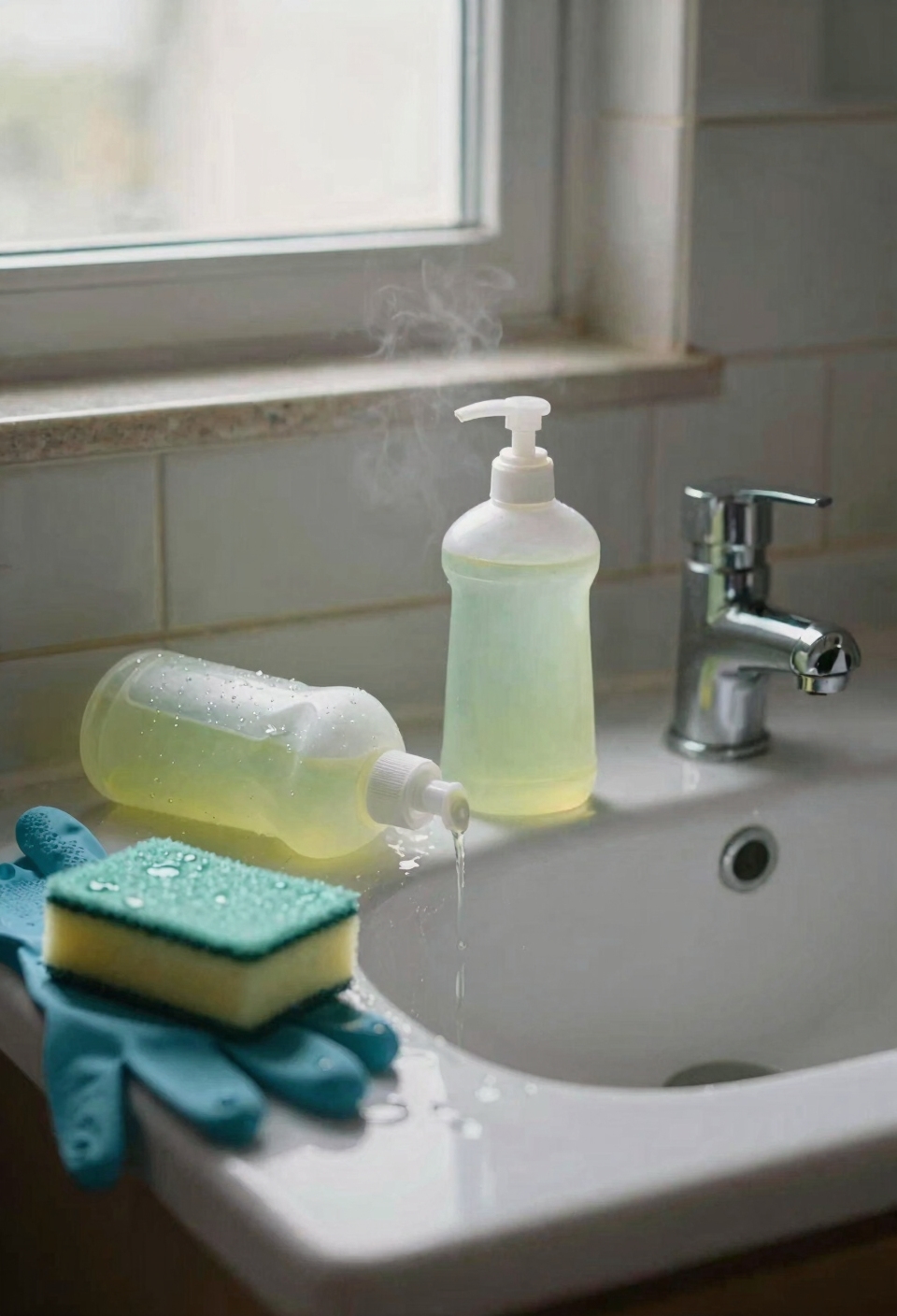
Toxic gas symptoms typically show up fast—I’m talking minutes, not hours—which is honestly both terrible and somewhat useful information because it means you don’t have to wonder whether you’re overreacting or being paranoid about that burning sensation in your throat. You’ll notice rapid symptoms like coughing, chest tightness, and watery eyes almost immediately after exposure. Your throat might feel like it’s on fire, and you might struggle to catch your breath. Here’s the thing: immediate recognition saves lives. If you’re experiencing these signs after mixing cleaners, get outside now—don’t debate it, don’t finish cleaning, just leave. Open windows, get fresh air, and call poison control. Your body’s telling you something’s seriously wrong, and you should listen. Strong chemical formulations like those containing hydrochloric acid and sodium hypochlorite produce particularly dangerous fumes when combined, making rapid evacuation even more critical.
How to Clean Your Home Without Mixing Chemicals
Now that you know how fast those toxic gases can wreck your respiratory system, let me tell you the good news: you don’t actually need to play chemical roulette to get your bathroom clean.
Here’s the thing: I’m sure you’ve noticed that natural alternatives like baking soda and white vinegar work surprisingly well on their own. I mean, a single product approach isn’t just safer—it’s honestly simpler. You grab one cleaner, you use it, you move on. No mental math about what might explode when combined.
Stick with one product per cleaning task. Hydrogen peroxide solo handles soap scum. Baking soda tackles grime. Plain old elbow grease covers the rest. Your family stays safe, and your bathroom gets clean. That’s the whole equation. Better yet, plant-based cleaners deliver the cleaning power you need without the toxic fumes or harmful chemical interactions.
Recommended Products

𝗛𝗜𝗚𝗛𝗟𝗬 𝗖𝗢𝗡𝗖𝗘𝗡𝗧𝗥𝗔𝗧𝗘𝗗 𝗙𝗢𝗥 𝗠𝗔𝗫𝗜𝗠𝗨𝗠 𝗩𝗔𝗟𝗨𝗘 - One 8 oz bottle of Citra Solv makes up to 11 gallons of all-purpose cleaner. Dilute in water for all your household cleaning, while leaving your home filled with the refreshing scent of oranges.

AUTHENTICALLY BOTANICAL: All Benefect products are formulated with botanical ingredients. Identified by the EPA as having no known adverse effects to human health or the environment.

Thieves Household Cleaner is ultra-concentrated, making it a versatile solution for any cleaning task around the home—mix different strengths for surfaces from kitchen counters to carpets.
Frequently Asked Questions
Are All Bleach and Ammonia Products Clearly Labeled With Mixing Warnings?
I’d say no—labeling clarity isn’t universal across all products. While product regulation requires warnings on many bleach and ammonia cleaners, they’re not consistently prominent, standardized, or equally visible on every bottle you’ll find.
How Quickly Do Toxic Gases Form After Accidentally Mixing Cleaning Products?
Toxic gases form in literally seconds after mixing—I’m talking instantaneous onset timing. You’ll hit dangerous exposure thresholds within moments in enclosed bathrooms, making immediate ventilation and evacuation critical for survival.
Can Opening Windows Eliminate Dangerous Chemical Vapors From Enclosed Bathrooms?
Opening windows helps, but I can’t guarantee complete safety. Airflow limits exist in bathrooms—toxic gases concentrate faster than ventilation removes them, especially in enclosed spaces. You’d need immediate evacuation instead.
What First Aid Should Be Administered for Chemical Inhalation Exposure at Home?
Your lungs are screaming—I’d first move you into fresh air immediately. Then I’d call poison control, apply emergency ventilation methods, and begin home decontamination steps: remove contaminated clothing, rinse skin thoroughly with water.
Do Green or Eco-Friendly Cleaners Pose the Same Mixing Dangers as Traditional Products?
I won’t assume green formulations are safer—they’re still dangerous when mixed. Natural enzymes don’t prevent toxic reactions. You shouldn’t combine any cleaners, regardless of their eco-friendly label, because unpredictable chemical interactions remain equally hazardous.
Conclusion
Look, mixing cleaners is like combining random medications—you might think you’re solving a problem faster, but you’re actually creating one. I’ve learned the hard way that reading labels takes thirty seconds; dealing with toxic fumes takes way longer. Stick to one cleaner per job, ventilate like crazy, and you’ll keep your bathroom—and your lungs—in working order. Simple as that.