As an Amazon Associate, we earn from qualifying purchases. Some links on this site are affiliate links at no extra cost to you. Our recommendations are based on thorough research and editorial judgment.

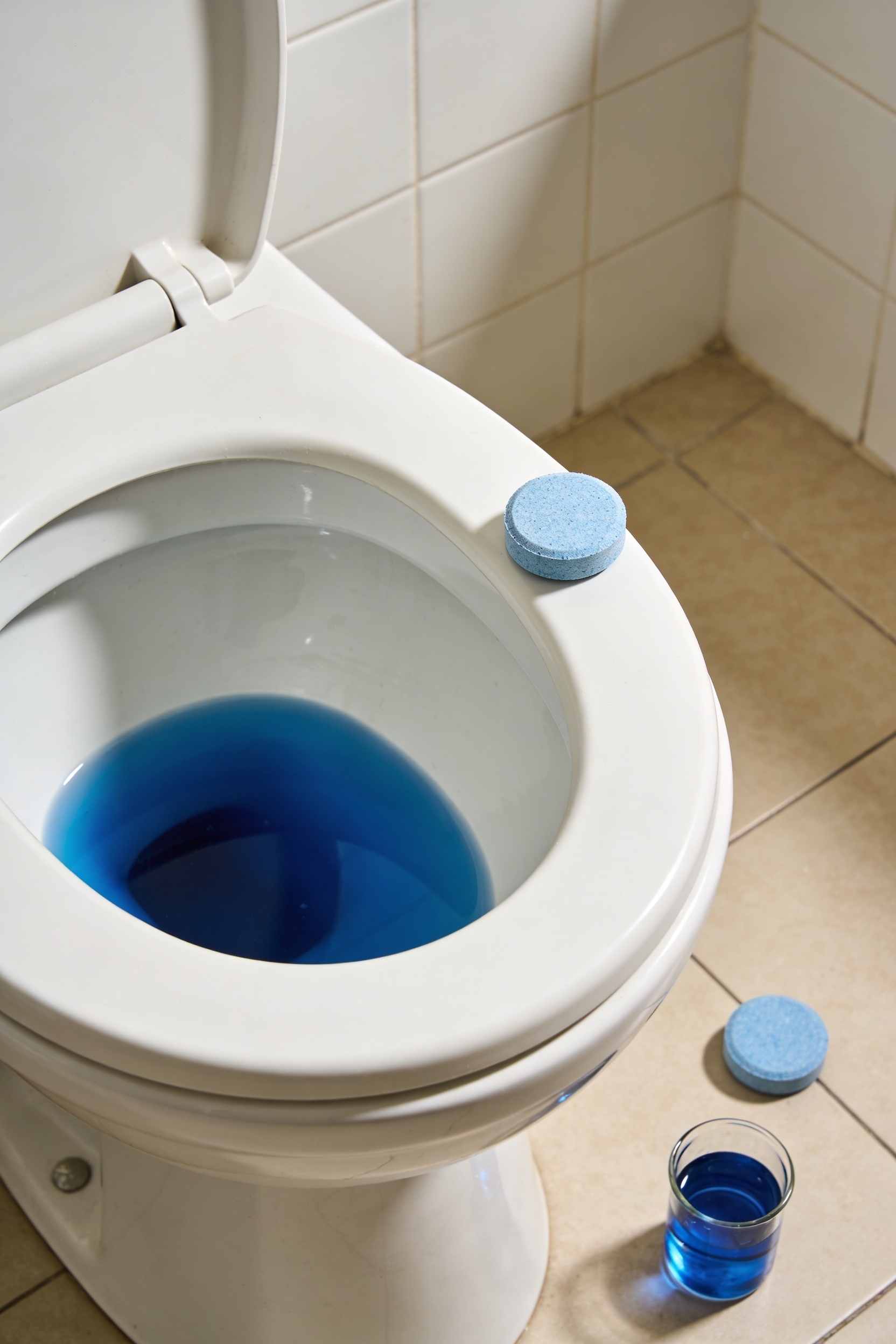
Why Do Toilet Bowl Tablets Turn Water Blue?

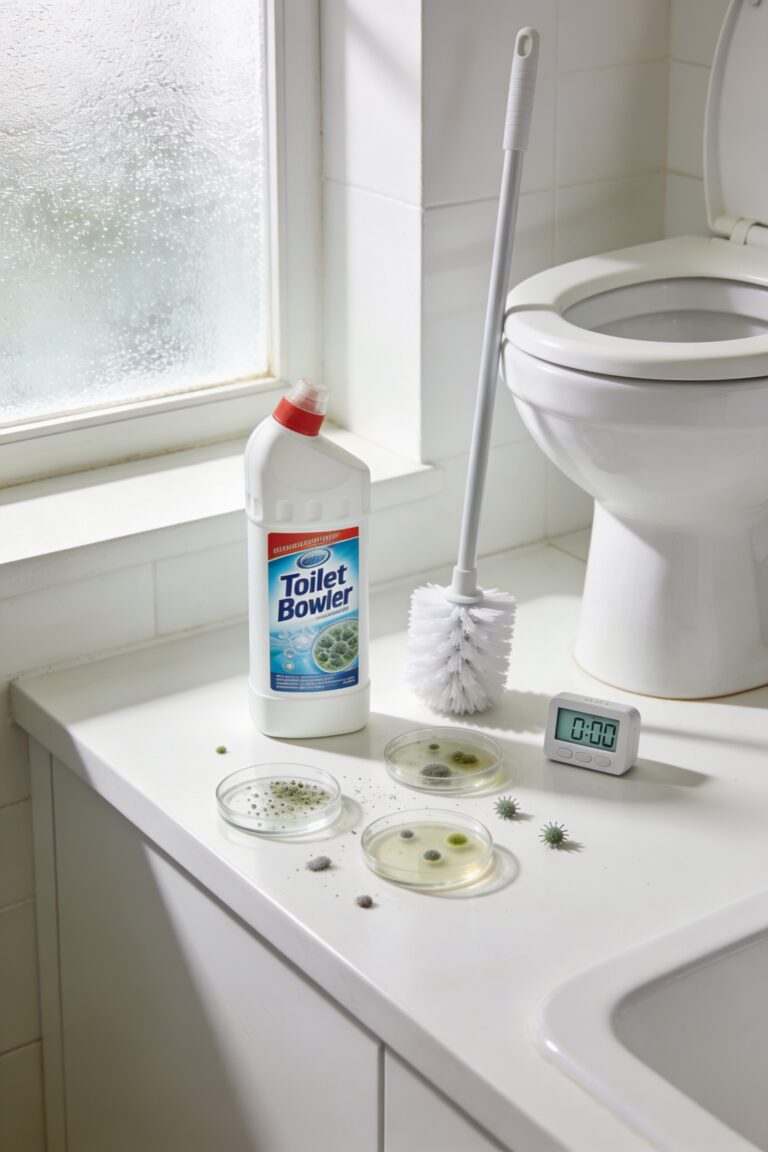
I’m sure you’ve noticed that bright blue dye in your toilet tank, and here’s the thing—it’s basically just window dressing. Those tablets dissolve and release artificial colorants that turn your water blue, but that’s not even the sketchy part. The real problem is what happens underneath: the chemicals and dyes interact with your tank water, forming a sticky gel that coats your flush valve and clogs rim jets. Hard water minerals make it worse, creating this gummy sludge that gradually damages rubber seals and corrodes metal components. The blue dye actually masks the real damage happening inside your toilet.
Key Takeaways
- Toilet bowl tablets contain artificial blue dyes that dissolve in tank water to create the characteristic blue color.
- The dye serves as a visual indicator of tablet presence and cleanser activity rather than actual cleanliness.
- Blue dye masks underlying problems like rust, corrosion, stains, and leaks that require genuine maintenance attention.
- Hard water minerals react with tablet dyes, increasing viscosity and creating gel-like residues that persist longer.
- Stopping tablet use helps determine if blue water indicates tablet dye or copper pipe corrosion from other sources.
Blue Toilet Tablets Damage Your Toilet: Here’s How
Look, I know those blue tablets seem like a no-brainer—drop one in the tank, forget about it, and suddenly you’ve got a self-cleaning toilet that looks like it’s doing something every time you flush. But here’s the thing: you’re basically inviting chemical leaching straight into your toilet’s most vulnerable parts. That blue dye? It’s not alone in there. The cleaning compounds dissolve slowly, and that’s where seal degradation starts happening. Your flush valve begins breaking down from constant chemical exposure, the rubber seals get brittle, and before you know it, you’ve got water running continuously or weak flushes that don’t clear properly. Additionally, the blue coloring can obscure your ability to monitor actual cleanliness, meaning you might miss signs of stubborn stains above the waterline that require manual intervention. I mean, you’re paying for convenience but getting expensive repairs instead.
Why Blue Tablets Turn Into Gel in Your Tank?
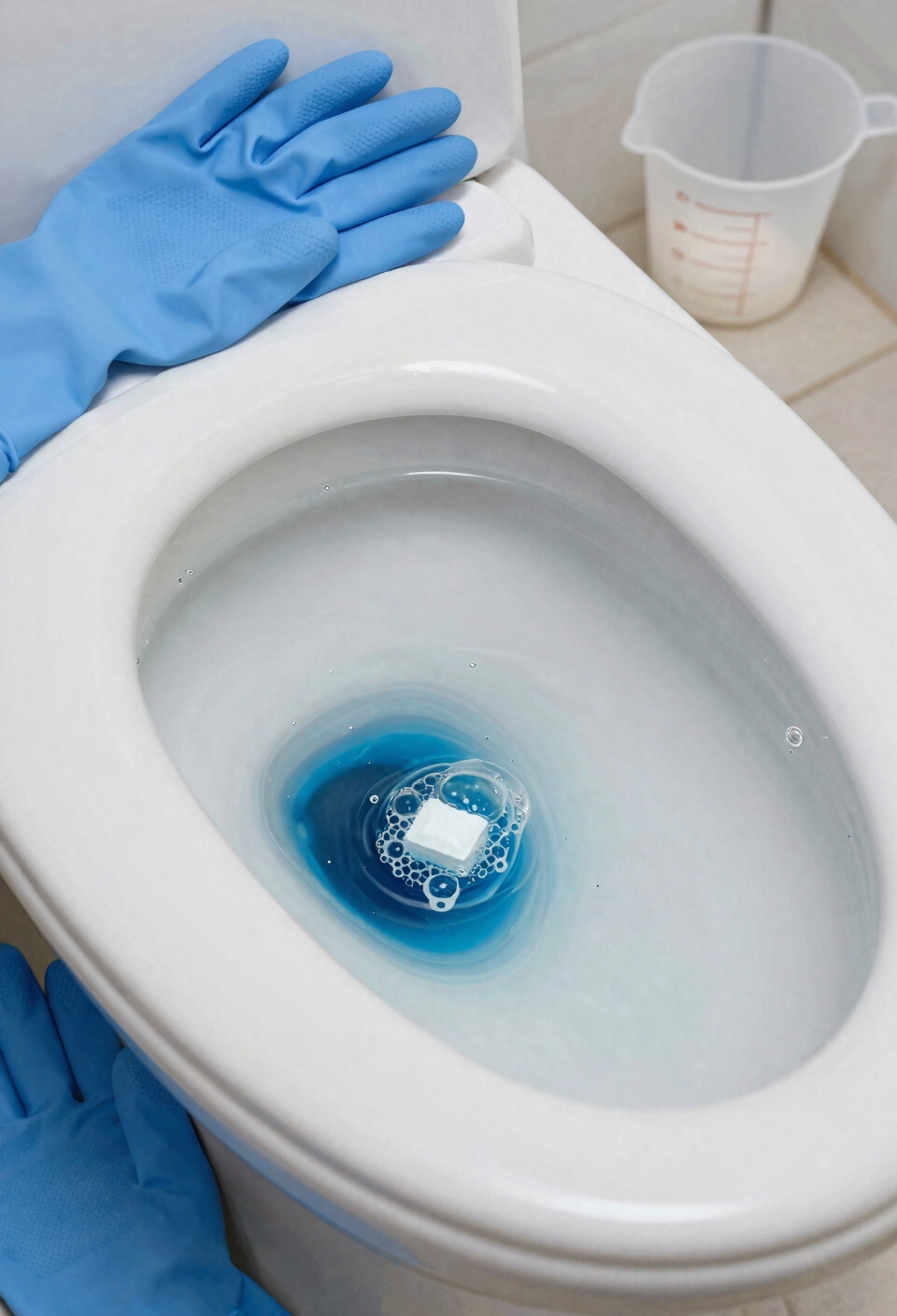
So we’ve established that those blue tablets are basically a slow-motion disaster for your toilet’s internals, but here’s the thing that actually makes them worse: they don’t even stay tablets for long. When those chemical compounds hit your tank water, they start dissolving immediately, and here’s where dye viscosity becomes your enemy. The blue dye doesn’t just disappear—it thickens up, especially when it mixes with hard water minerals already hanging around in there. You end up with this gel-like sludge that’s way stickier than the original tablet. That tablet bonding with mineral deposits creates this gummy residue that clogs your rim jets and flush valve faster than you’d think. It’s basically turning your toilet tank into a slow-motion chemical mixer, and you’re paying for the privilege. According to manufacturers, the blue-tinted water indicates activity in the cleaning process, though this visual cue also marks the beginning of the gel formation problem.
How Blue Gel Clogs Flush Valves and Rim Jets?
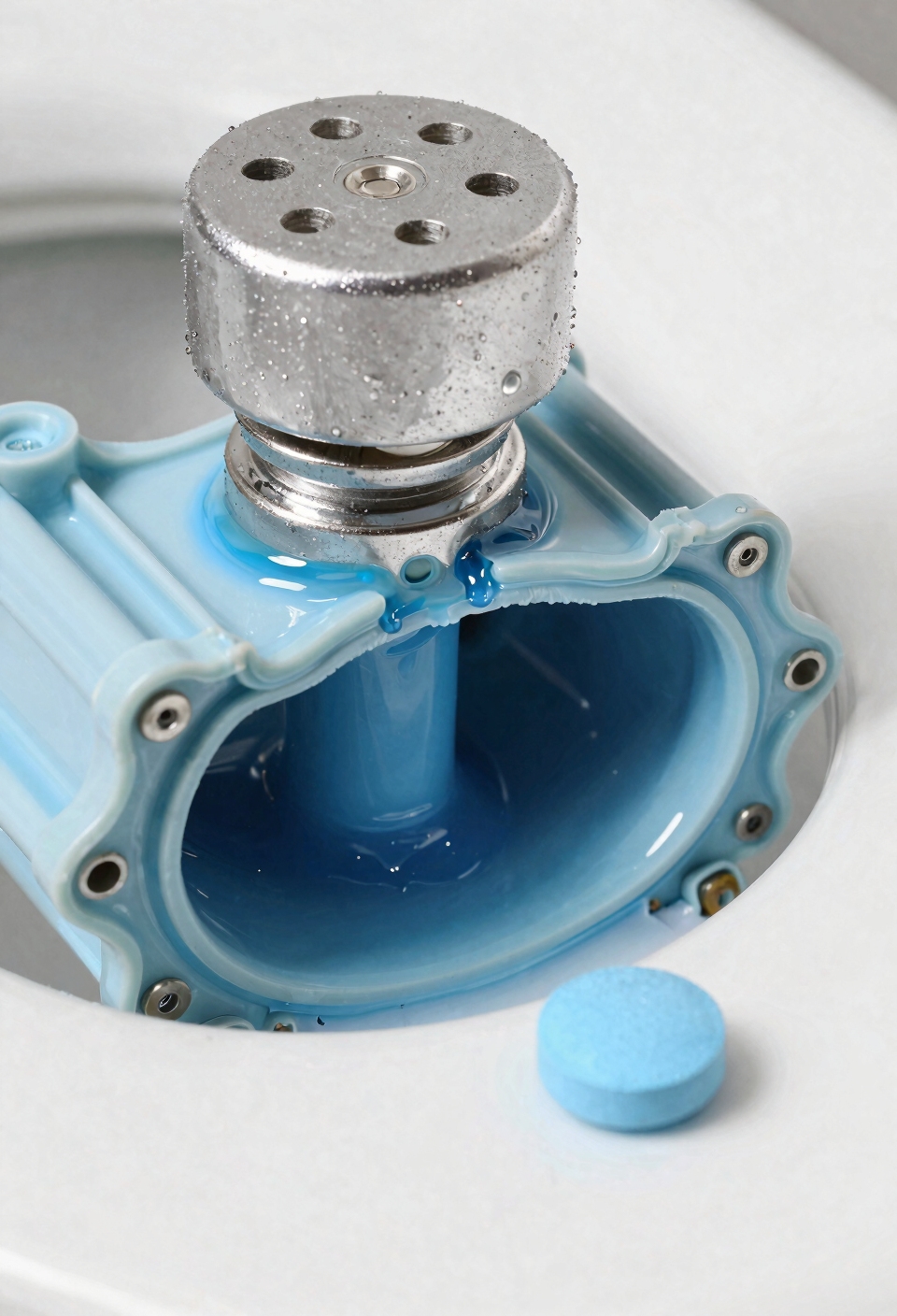
Now here’s where that gel actually becomes a problem—because once it starts coating your flush valve and rim jets, you’re basically watching your toilet’s ability to do its one job get systematically dismantled. I’m sure you’ve noticed how gel migration happens pretty quickly; that blue sludge travels through your water pathways like it owns the place. When it settles on your flush valve, you get seal abrasion that prevents proper closure, which means water just keeps running. Meanwhile, those rim jets—the tiny holes that create flushing action—they’re getting clogged faster than you’d think. The result? Your toilet’s pressure drops, water swirls instead of clears, and suddenly you’re plunging way more than you should be. All that from something marketed as maintenance. Over time, harsh chemicals and bleaching agents may deteriorate rubber seals, flappers, and other tank components, which is why inspecting parts every 6–12 months becomes essential for maintaining your system’s longevity.
Recommended Products

Bidet function with front and rear cleansing; pulsating and oscillating cleanse, and aerated spray for a complete clean

Smart Display & Waterfall Lighting: Experience intuitive control with our interactive display and cascading waterfall lighting. The touchscreen shows working status and modes, while the knob ensures easy adjustments. Enjoy four seasonal hues(Green, Blue, Orange, and White)—seamlessly transitioning for a spa-like ambiance. The softly diffused LED band creates a smooth glow, blending smart functionality with serene relaxation

【Full Featured Smart Toilet】The V01 MAX bidet toilet is equipped with every feature available on the market, making it the ultimate all-in-one solution.
Chemical Corrosion: The Hidden Damage Inside Your Tank
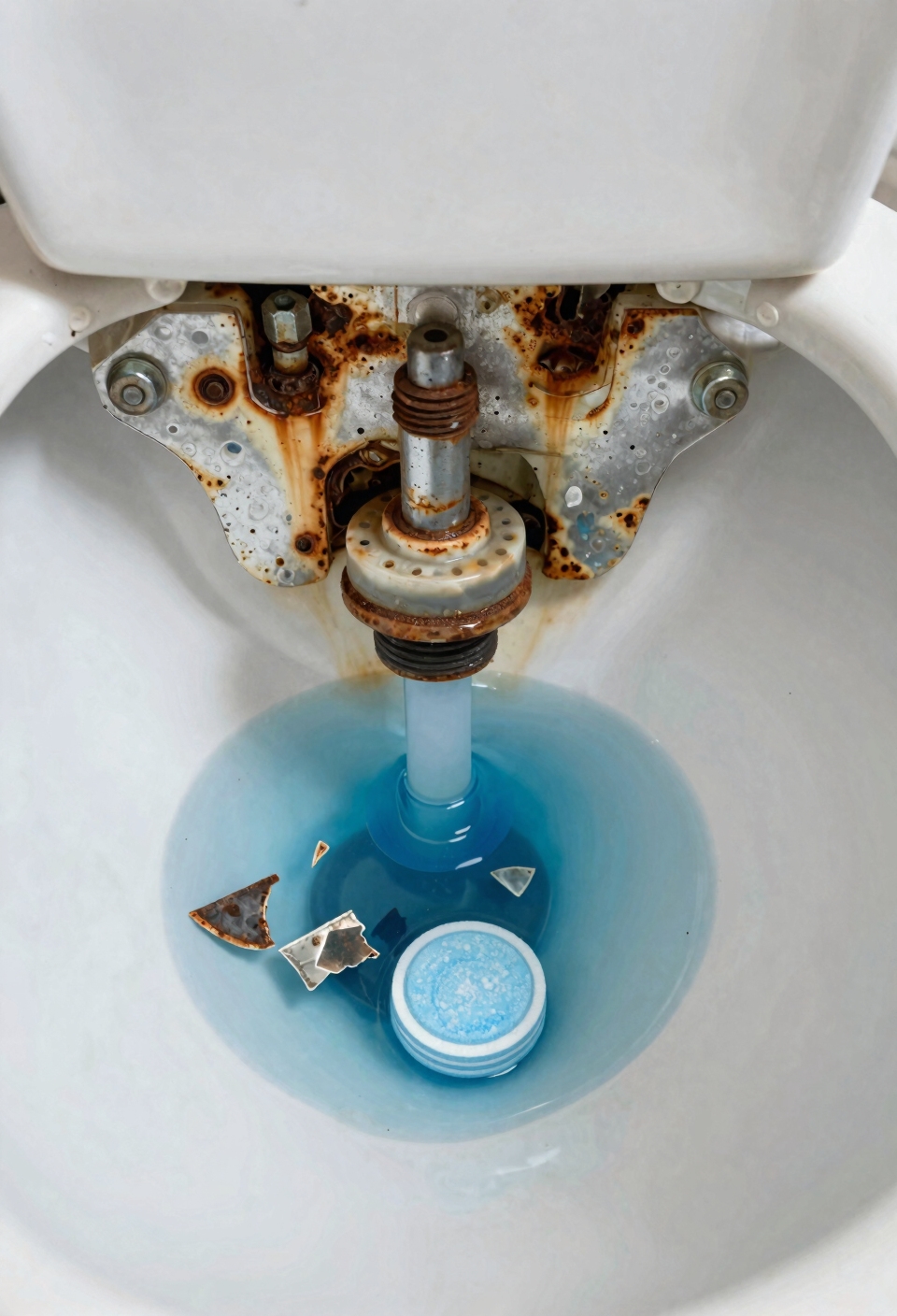
Beyond the immediate plumbing headaches from gel buildup, there’s something way more insidious happening inside your tank—the actual chemicals in these tablets are effectively waging a slow-motion war on your toilet’s internal components. You’ve got electrochemical deterioration occurring where tablet chemicals interact with metal parts, accelerating rust and corrosion. The real kicker? Seal material degradation. Those rubber gaskets and plastic valves you rely on are getting chemically attacked simultaneously, becoming brittle or sticky depending on what compounds are dissolving. I’m sure you’ve noticed how quickly components fail after consistent tablet use. Hard water minerals mixing with cleaning agents create reactions that mask serious damage developing underneath. Some toilet cleaner formulas, like citric acid-based cleaners, are marketed as less corrosive alternatives, yet even these can contribute to gradual component wear over time. By the time you realize something’s wrong, you’re looking at expensive component replacements that could’ve been prevented.
Diagnosing Tablet Damage: Tablets vs. Corroded Pipes?
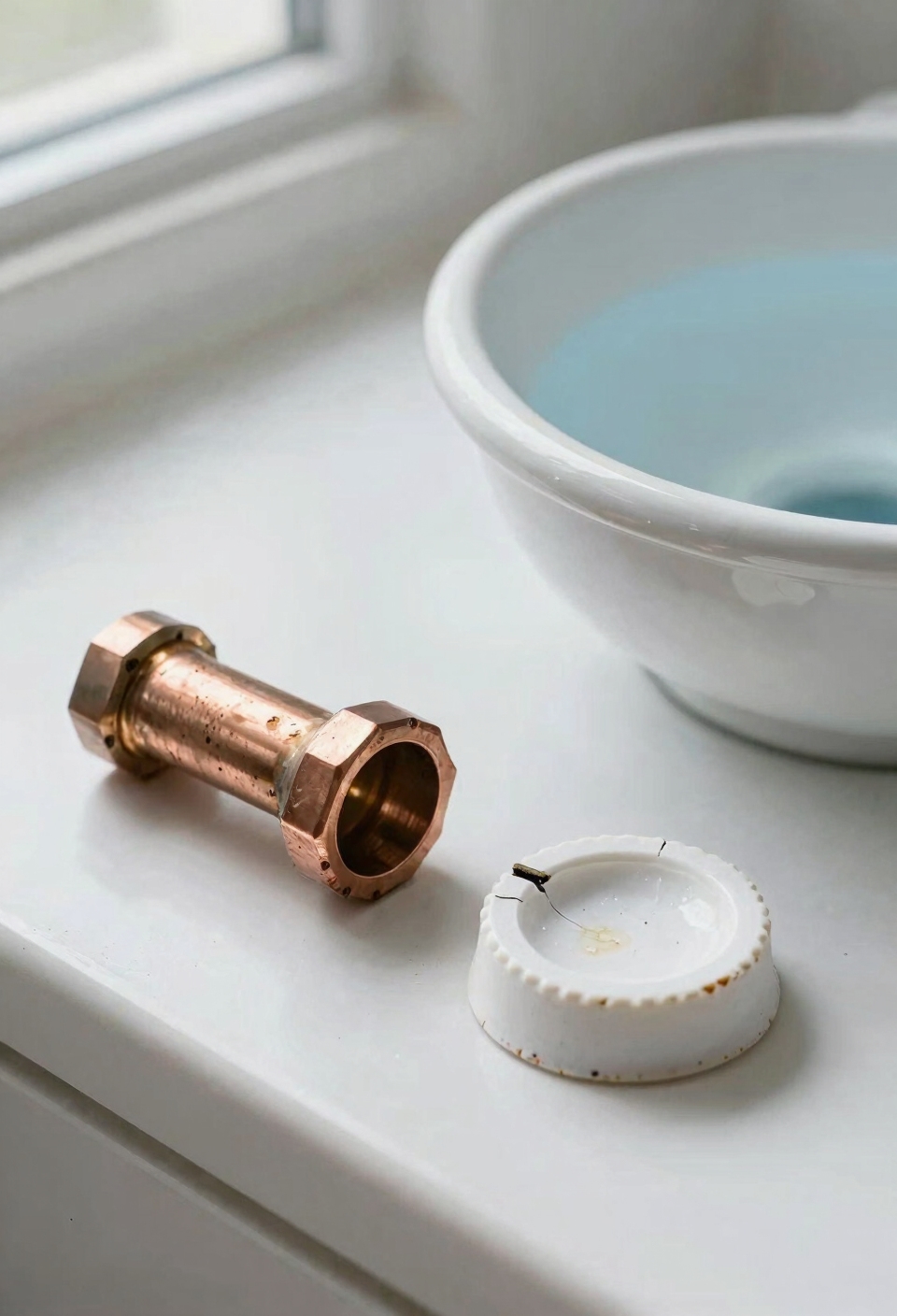
When you lift that toilet tank lid and spot blue water staring back at you, your first instinct is probably to assume those cleaning tablets are doing their job—but here’s where it gets tricky, because that blue tint might actually be screaming a completely different problem at you. Now, dye differentiation is key here. Tablet blue comes from the cleaning compound dissolving gradually, whereas copper pipe corrosion creates a blue-green hue that happens independently of any products you’re using. Most quality toilet cleaning tablets are formulated with slow-release technology to provide extended cleaning life and protect your plumbing system over time. I’d recommend simple pipe testing: if you stop using tablets and the blue persists, you’ve got corroded pipes requiring professional attention. But if it clears up? Your tablets were the culprit all along, and frankly, ditching them protects your whole system.
Why Blue Dye Hides Rust, Corrosion, and Leaks
distract you from what really matters. The blue dye serves a practical purpose by masking stains while oxygen bleach formulas work to dissolve mineral deposits and prevent hard water rings over time.
Hard Water Makes Blue Tablet Damage Worse
Combining blue toilet tablets with hard water is like mixing two problems that make each other exponentially worse, and I’m sure you’ve noticed this if you’ve ever lived somewhere with mineral-heavy water. When tablet chemicals dissolve in hard water loaded with calcium and magnesium, they don’t break down cleanly—instead, you get mineral scaling that coats your tank walls and valve components. That gel-like residue I mentioned earlier? Hard water makes it stick around longer and thicker. Plus, the increased abrasion from those mineral particles grinding against rubber seals and plastic components accelerates wear dramatically. You’re basically fast-tracking your toilet’s deterioration. If you’ve got hard water, sustained-release technology may seem convenient, but blue tablets are honestly the last thing you want working against you.
Stop Using Blue Tablets: Here’s Why
Look, I’m not going to sugarcoat this: blue toilet tablets are doing way more damage than good, and once you understand what’s actually happening in your tank, you’ll probably want to yank them out and toss them. Here’s the thing—that dye monitoring system you think is helping? It’s actually masking real problems. Your flush valve’s deteriorating, your rubber seals are getting corroded, and meanwhile the blue dye’s creating permanent tank staining that makes everything look fine when it absolutely isn’t. You’re effectively paying to damage your plumbing while thinking you’re cleaning it. Chemicals can corrode rubber gaskets, metal parts, and flush valves over time, and most toilet manufacturers will void your warranty if you use aftermarket tank cleaners. Just ditch them. Switch to occasional manual cleaning or enzyme-based alternatives instead. Your wallet and your toilet will both thank you.
Recommended Products

Fast-Acting and Multi-Purpose: Quickly tackles difficult plumbing and septic issues such as backups, odors, and slow drainage, while also preserving well water and restoring drain fields.

POWERFUL SEPTIC TANK & DRAINFIELD RESTORATION. Removes large amounts of biomat, sewage, grease, organic matter & sludge. Helps Reverse septic/drainfield failure. Treats residential, hotel & commercial septic systems, grease traps, slowly running drains, floor drains & portable toilets. Works in all types of septic systems including cesspool, seepage pits, sewage lagoon, drywells, sand mound, turkey mounds, Elgen systems, rv tanks, sewage treatment plants, aeration systems, outhouses.

Safer Alternatives to Chemical Toilet Tablets
Now, if you’re ready to ditch those blue tablets but you’re worried you’ll end up with a grimy toilet bowl, I’ve got some good news—you’ve actually got several genuinely solid options that won’t slowly corrode your plumbing while you’re not looking. Plant based cleaners work surprisingly well for regular maintenance, breaking down waste without the chemical aggression that tanks your rubber seals. Enzyme solutions are honestly my preference here—they actually digest organic buildup rather than just coating everything with dye and false promises. You can also grab a basic toilet brush and some white vinegar, which I know sounds almost boring compared to the whole blue water spectacle, but it actually handles stains without the collateral damage. Look for products with trusted eco-certifications like USDA Certified Biobased or EWG verification to ensure you’re choosing cleaners that truly protect your septic system and plumbing. Your pipes will thank you.
Recommended Products
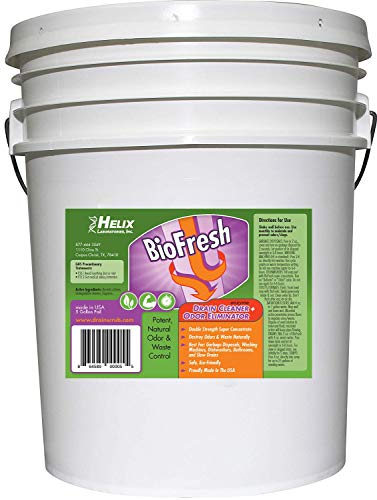
SAFE AND ECO-FRIENDLY: BioFresh uses natural bacteria cultures to break down odors and organic waste. The ingredients are a proprietary blend of microbes that are safe, effective, and won’t damage your drains, pipes or septic systems.

100% natural and organic RV toilet treatment crafted from plant extracts, essential oils, and citric acid for reliable waste tank care. Free from harmful chemicals and formaldehyde, it is designed for eco-conscious camping and road trips. A practical choice for travelers seeking a sustainable way to maintain RV toilet tanks without compromising on convenience or performance.

ORIGINAL PATENTED BACTER FORMULA: Patented bacter formulas used in Exxon Valdez. Over 25 trillion lab-cultivated, patented strains of sewage-digesting bacter. Backed by over 65 years of research and development, BOSS is a natural, safe, effective, and money-saving preventive treatment that cleans, stops odors, and maintains septic systems. Strongest septic treatment on the market – 100% guaranteed!
Natural Cleaning Methods That Protect Your Toilet
The thing is, once you’ve ditched those blue tablets and realized you’re not actually doomed to live with a filthy toilet, you’ll want to know what actually works to keep things clean without triggering a slow-motion plumbing disaster. I’m sure you’ve noticed that natural cleaners like vinegar and baking soda don’t produce that dramatic blue swirl, but they’re genuinely effective for gentle maintenance. White vinegar cuts through mineral deposits without corroding your rubber seals, while baking soda scrubs away stains safely. You can also pour a cup of vinegar weekly—nothing fancy required. For those dealing with tough hard water stains, citric acid powder formulas offer a non-toxic alternative that removes rust and mineral deposits without the artificial dyes. These methods skip the gel formation and rim jet clogging entirely. Yeah, you won’t get that satisfying color indicator, but you’ll actually see when your toilet’s genuinely clean, and your plumbing stays intact.
Recommended Products

100% PURE: Our citric acid is a food grade, 100% pure ingredient with excellent solubility for cooking, cleaning and many other household needs!

PURE Borax! Never adulterated, no additives, preservatives, or fillers.

THE BEST CITRIC ACID: We take pride in providing you with the absolute best citric acid, delivering a product that surpasses all expectations and enhances every culinary creation.
Frequently Asked Questions
How Long Do Blue Toilet Tablets Typically Last Before Needing Replacement?
I’d say your blue tablet’s lifespan depends on your cleaning frequency and how often you flush. Most tablets last around 300 flushes before you’ll need replacement, though heavier usage shortens that timeline considerably.
Does Water Temperature Affect How Quickly Blue Dye Releases From Tablets?
Yes, I’ve found that water temperature markedly impacts dye release rate. Warmer water accelerates dissolution, causing faster blue dye release and lighter coloration. You’ll notice noticeably bolder blue in cooler water tanks since slower dye release concentrates the color intensity.
Can Blue Tablet Residue Permanently Stain Toilet Bowls Even After Discontinuing Use?
Yes, I’ve found that blue tablet residue can permanently stain your bowl through dye buildup and surface etching. Even after you stop using tablets, these chemical stains often won’t fade without professional cleaning or refinishing treatments.
Are Blue Toilet Tablets Safe for Septic Systems or Municipal Water Treatment?
I’d caution against blue tablets if you’ve got a septic system—they’re not ideal for septic compatibility since the chemicals and dye can disrupt bacterial balance. Their wastewater impact on municipal treatment plants also isn’t negligible.
What Visible Signs Indicate a Toilet Has Been Damaged by Tablet Chemicals?
I’d watch for permanent blue stains you can’t scrub away, visible chemical corrosion on metal parts, and surface etching inside your bowl. You’ll also notice weak flushing, continuous leaking, or sticky valve components that won’t close properly.
Conclusion
Look, I’ve investigated this thoroughly, and here’s the truth: blue tablets work through dye and chemical disinfectants that genuinely clean, but they’re not without costs. You’re trading convenience for potential hardware damage and corrosion. I’m not saying they’re evil, just that safer alternatives—like enzyme-based cleaners or plain vinegar—accomplish similar results without the collateral damage. Your toilet’s longevity matters more than blue water aesthetics.